NFPA 25 Section 14.4 Ice Obstruction Fire Sprinkler Pipe
Quick Answer: Ice inside fire protection piping can block water flow, damage pipe integrity, and delay sprinkler response. NFPA 25 Section 14.4 helps facilities spot, test, and correct these risks before a winter event turns into a costly shutdown. For industrial, retail, and commercial sites across Australia, that means safer systems, fewer surprises, and better uptime.
When ice forms inside a fire system, it does not ask for permission. It simply shows up, tightens its grip, and makes an already serious problem worse. In the world of ice obstruction fire sprinkler pipe NFPA 25, Section 14.4 gives facility teams a clear path to find frozen blockages before they become a fire safety failure. For commercial buildings, warehouses, shopping centres, and industrial sites across Australia, this matters a great deal, especially in cold storage zones, exposed pipe runs, roof spaces, and poorly insulated areas.
Near the top of that planning process, many facilities also benefit from looking at full fire protection services so inspection routines, sprinkler readiness, alarms, and repairs work together instead of behaving like unrelated cousins at a family barbecue. And if your team wants a broader maintenance foundation, Kord Fire Protection also has a useful NFPA 25 overview for complete water-based fire protection systems maintenance that connects this section to the bigger picture.
What NFPA 25 Section 14.4 Means for Facilities
NFPA 25 Section 14.4 focuses on checking fire protection piping for ice obstruction. In plain terms, it tells inspection teams to look for signs that water inside the system may have frozen and blocked the line. That blockage can stop water from reaching sprinklers or hydrants when the system needs to act fast.
This section matters because fire systems do not fail quietly. They fail at the worst possible time, which is a bit rude, frankly. A system can look fine on the outside while ice sits inside the pipe like a very unwelcome tenant. Therefore, regular inspection and testing help catch issues early and protect operations.
Why this section deserves attention before winter
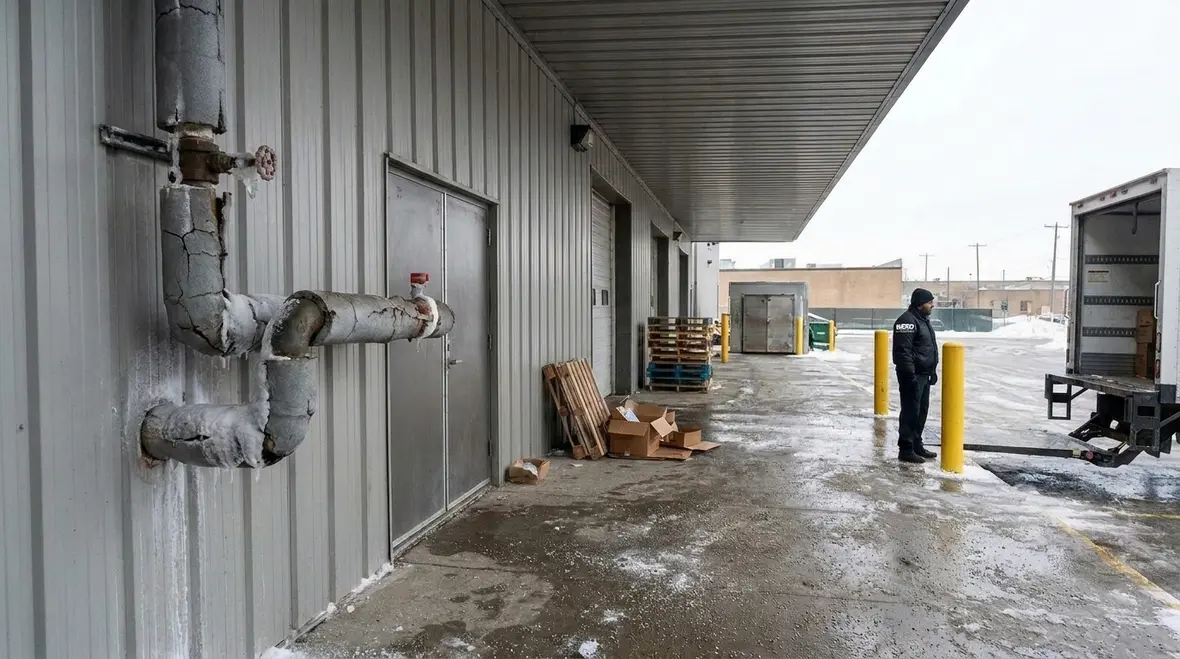
A lot of facilities assume freezing only belongs to obviously cold climates. That assumption is charming, but not reliable. Temperature controlled spaces, overnight weather shifts, exposed roof cavities, external walls, and loading areas can all create the sort of local cold conditions that let an ice plug start forming. Once that happens, a water-based system may lose performance without announcing it in a dramatic and helpful voice.

Where Ice Obstruction Risk Shows Up Most
Ice problems do not appear everywhere at once. Instead, they tend to gather in places where temperature drops, airflow gets strange, or insulation falls short. Facilities should pay close attention to these areas:
- Roof spaces and exposed pipe runs
- Loading docks and external service zones
- Cold storage and refrigerated areas
- Large sheds with limited climate control
- Plant rooms with poor heat balance
- Pipework near open walls, vents, or doors
In Australia, some sites may assume freezing risk is rare. However, that idea can melt away fast during a cold snap, especially in southern regions or in facilities with temperature controlled spaces. As a result, the inspection plan must match the actual site conditions, not wishful thinking.
Areas that often get overlooked
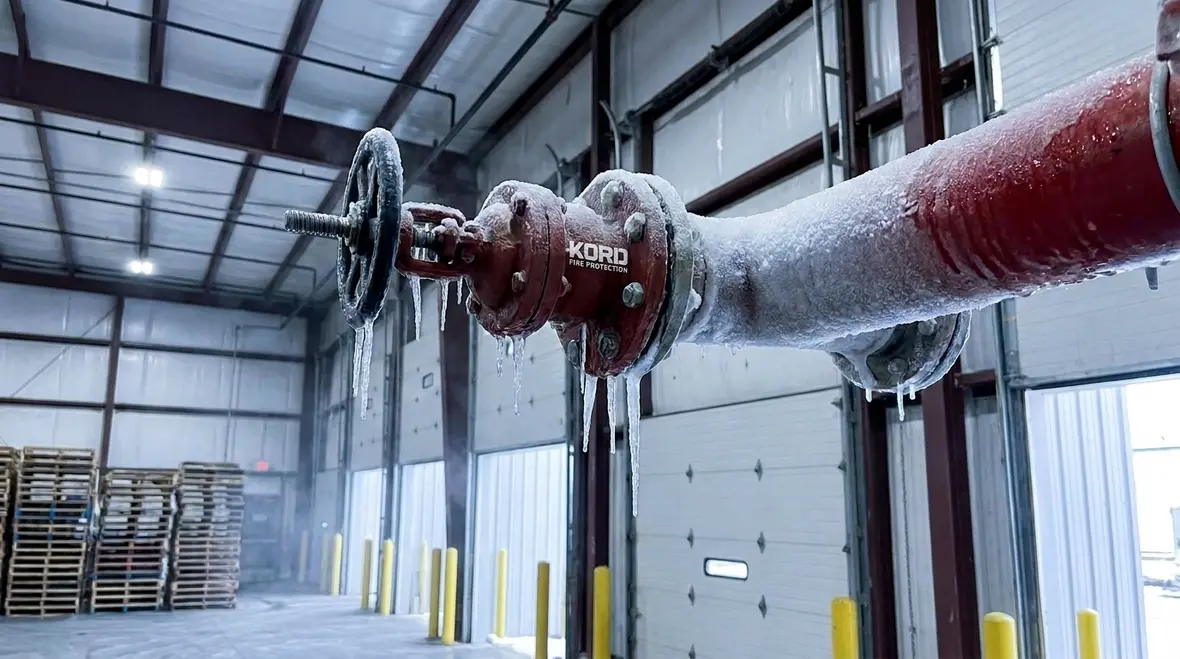
The sneaky part is not always the obvious cold room. Sometimes the bigger risk sits just outside it, where warm and cold air argue all day through doors, service penetrations, and duct paths. Pipe sections near vents, under roof edges, around roller shutters, or close to frequently opened dock doors can become small but very effective freeze points. The rest of the system may be healthy while one branch line quietly decides to become a popsicle.
How to Spot an Ice Blockage Before It Becomes a Problem
Teams can often spot warning signs before a full obstruction forms. For example, unusual pressure changes, delayed water response, visible frost, or damp spots around fittings may all point to trouble. In some cases, a system may show no obvious signs at all, which is why trained inspection matters more than guesswork.
| Warning Sign |
| Low or uneven pressure |
| Visible frost on pipework |
| Delayed sprinkler activation |
| Wet areas near fittings |
| What It May Mean |
| Water flow may be restricted by ice |
| Freezing conditions may already exist |
| An ice plug may be slowing the system |
| Freeze thaw movement may be damaging joints |
Because of this, facility teams should treat small signs with respect. Ice rarely arrives with a trumpet fanfare. It sneaks in like a villain in a second season plot twist.
Practical inspection habits that help
Good inspection habits usually combine visual checks, operating awareness, and maintenance records. If a branch line sits in a known cold zone, compare current conditions with previous seasons. If a pressure reading starts behaving oddly, do not wait for it to become a mystery novel. If insulation looks damaged or displaced, fix it before the weather decides to make a point. Small notes taken early can prevent big repair invoices later.
Why Ice Obstruction Fire Sprinkler Pipe NFPA 25 Matters for Compliance
Compliance is not just paperwork. It is proof that a fire protection system can do its job when needed. The requirements tied to ice obstruction fire sprinkler pipe NFPA 25 help facility managers reduce risk, document maintenance, and support safe operation across the building.
Moreover, insurers, auditors, and internal safety teams often expect clear evidence that the fire system has been checked properly. If a frozen line goes unnoticed, the result can include property damage, downtime, and serious safety issues. Therefore, the inspection process must be consistent, recorded, and carried out by people who understand the system design.
Documentation is part of readiness
One of the least glamorous but most useful parts of compliance is documentation. Records show what was inspected, what was found, what was repaired, and what still needs attention. They help teams spot repeat issues in the same location, justify maintenance budgets, and prove that inspections were not just theoretical hobbies. When weather risk increases, those records become the map that shows where trouble likes to live.
How kord fire protection Supports This Work
kord fire protection can become a vital partner in this service and job because this work needs more than a quick visual check. It needs technical skill, site knowledge, and a practical plan that fits the building. For industrial, retail, and commercial sites, kord fire protection can help assess risk areas, inspect pipe conditions, identify weak points, and support corrective action before ice causes a shutdown.
In addition, kord fire protection can help facilities manage inspection records, plan maintenance around operations, and reduce disruption. That matters because no one wants a sprinkler issue to interrupt trading hours or production lines. And let us be honest, most facility managers already have enough drama without adding frozen pipework to the script.
For sites reviewing wider compliance planning, related reading like Australia fire protection for compliance and readiness can help connect pipe inspection decisions with broader building safety goals. That makes this issue easier to manage as part of an ongoing system strategy instead of a once a year panic inspired by a frosty forecast.

What a Good Inspection Program Should Include
A strong program does more than tick boxes. It builds a reliable routine around prevention. To support NFPA 25 Section 14.4, a facility should include:
- Regular checks of exposed and high risk piping
- Insulation reviews in cold prone areas
- Heat source verification where freezing can occur
- Drainage and dry system checks where relevant
- Clear records of findings and repairs
- Fast response to any sign of blockage or frost
Furthermore, teams should review changes to the building itself. New doors, altered airflow, added refrigeration, or relocated equipment can create fresh freeze points. A system that was safe last year may need a new plan this year. Buildings change, and fire protection must keep up. Even the pipes, apparently, want a little character development.
Building changes that quietly create freeze risk
This point gets missed more often than it should. A new vent path, a relocated cooler, an altered wall opening, or a door that now stays open longer during operations can reshape airflow enough to expose a once stable pipe run to colder temperatures. When site conditions change, sprinkler protection should be reviewed with the same seriousness as production layouts, storage arrangements, and equipment access routes.
FAQ
Keep Fire Protection Ready Before the Cold Finds It
Ice obstruction is a small problem with a very large appetite. For Australian facilities, the safest move is to inspect early, fix weak points, and keep the system ready. kord fire protection can help turn NFPA 25 Section 14.4 into practical action, so the fire system stays reliable when it matters most.
Contact their team to review risk, strengthen compliance, and protect operations before the cold gets there first. That is a much better plan than discovering a frozen line after the building has already decided to have a very bad day.

Join Our Newsletter!
Get the latest fire safety tips delivered straight to your inbox From our Newsletter.