NFPA 25 4.10 4.11 Water Based Fire Protection Maintenance Safety
Quick Answer: NFPA 25 §§ 4.10-4.11 set practical rules for keeping water based fire protection systems ready and safe. They cover routine maintenance, inspection checks, and documented processes that reduce failure risk. Kord Fire Protection can act as the steady partner that schedules, tracks, tests, and proves readiness, not just “does a visit.”
NFPA 25 fire protection system maintenance safety sits at the center of water based fire protection systems, because a system that is not maintained does not perform when it matters. In §§ 4.10-4.11, the standard focuses on maintenance and safety practices that protect people, reduce downtime, and keep water flow reliable. In the sections that follow, third person guidance explains what these requirements mean in the real world for industrial, retail, and commercial facilities, and how a coordinated service partner like Kord Fire Protection can make compliance feel less like paperwork and more like a managed safety program. And yes, it still needs doing, even when the site “feels fine.”
For sites that need dependable sprinkler support near the top of the process, fire sprinkler service and repair can fit naturally into a broader maintenance program, especially when inspection, testing, repairs, and readiness all need to stay coordinated across the same property.
What NFPA 25 §§ 4.10-4.11 demand for water based systems
NFPA 25 §§ 4.10-4.11 outline how facilities maintain water based fire protection systems so they work on demand and remain safe during service work. First, they require that inspection and maintenance align with the specific system type and hazard level. Then, they push for a structured approach that includes safe access, controlled conditions, and clear records. In other words, the standard expects more than visual glances and good intentions.
That broader framework lines up with Kord’s own NFPA 25 overview for complete water-based fire protection systems maintenance, which explains how owners, technicians, and documented intervals all tie together in a practical maintenance cycle.
For large facilities, this matters because water based systems often serve wide footprints, multi bay warehouses, supermarket fit outs, and plant rooms where delays become expensive. Therefore, NFPA 25 fire protection system maintenance safety becomes operational, not theoretical. When a system stays in its intended condition, the facility protects life, limits damage, and reduces the chance of a “successful failure” during an emergency. Nobody wants to test that theory with real smoke. That is not a pop quiz any business should ace.
How maintenance keeps reliability when conditions change
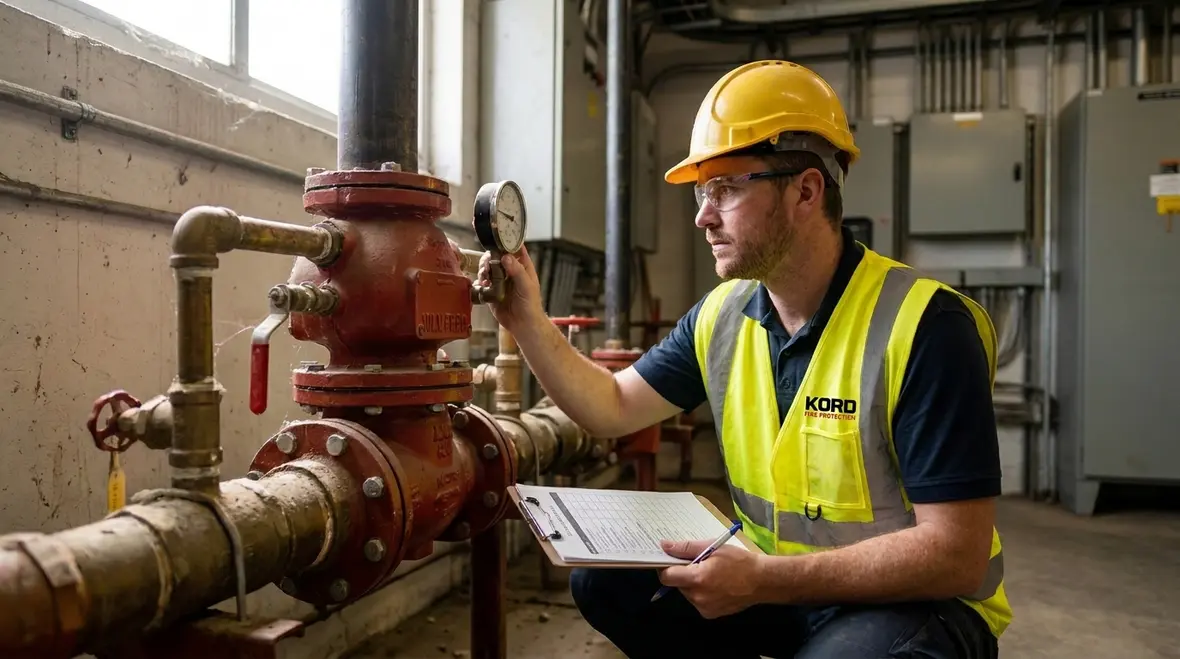
Sites do not stay still. Over time, valves get stiff, alarms get dusty, fittings loosen slightly, and pipe systems face the daily wear of industrial life. As a result, the water delivery pathway can drift away from design conditions. NFPA 25 fire protection system maintenance safety helps close that gap by requiring scheduled checks that look for changes early, before they turn into downtime or non compliance.
Maintenance also accounts for unique local conditions. Coastal humidity can affect components. Temperature swings can influence pipe stresses. And busy facilities often add temporary storage that changes access routes and service safety. Consequently, good programs maintain the system while coordinating work with site operations, so the fire protection system remains dependable even during expansion or seasonal load changes.
At this stage, Kord Fire Protection can bring value by treating maintenance like a system itself. Kord helps facilities plan service windows, match tasks to documented system configuration, and keep records clean for audits and stakeholders. In short, Kord does not just show up. Kord helps the facility stay ready, like a well maintained forklift that never “decides” to start later than expected.
For a related look at the bigger picture, Kord’s article on the full lifecycle of fire protection servicing reinforces why maintenance, repairs, inspections, and eventual upgrades are all part of the same reliability story rather than separate tasks living on different clipboards.
Safety practices during service and testing
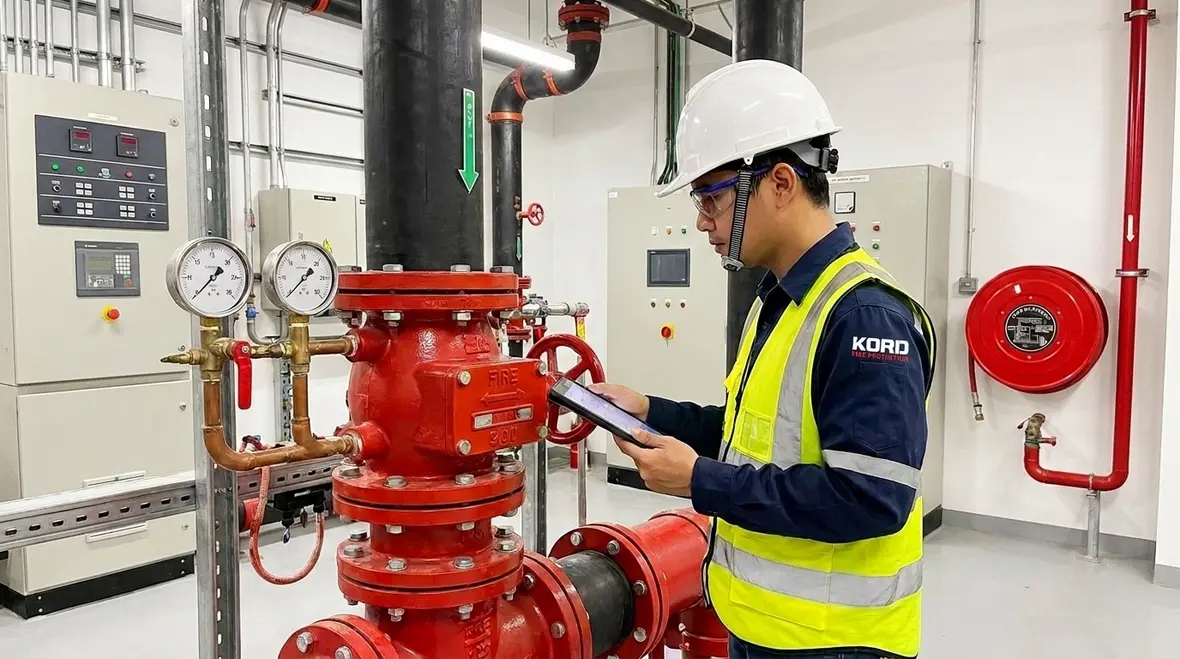
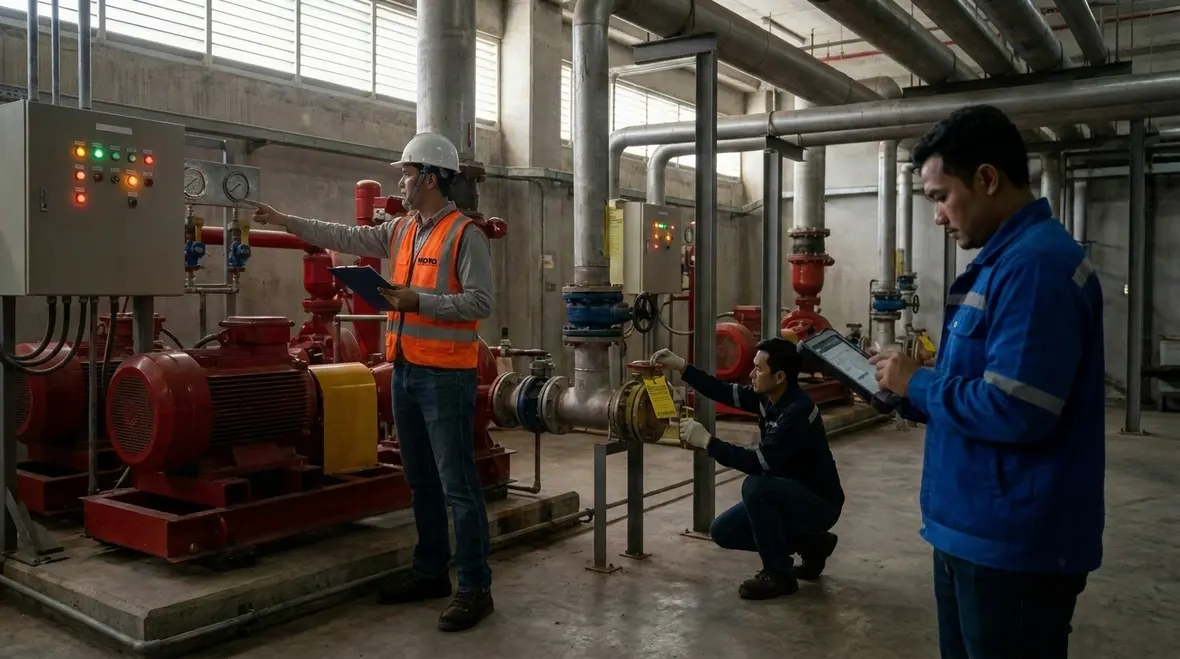
NFPA 25 includes safety expectations around how technicians work on active fire protection equipment. That includes controlled procedures, safe isolation when required, and ensuring the system returns to its ready state after service. In practice, this means technicians verify conditions, manage alarms and supervisory signals properly, and handle water flow and pressure with care.
Additionally, safety practices consider how work impacts occupants and operations. When valves or equipment require manipulation, the facility may need clear communication and temporary protection measures. Therefore, a proper maintenance approach reduces surprise and keeps people focused on what they are doing, not what the alarm panel just decided to announce.
In busy facilities, this safety layer matters even more. Industrial sites often have traffic flow, forklift movement, and confined plant rooms. Retail and commercial sites may have customer presence, strict trading hours, and complex contractors on site. So, Kord Fire Protection can serve as a vital partner by coordinating safe access, sequencing work, and ensuring documentation supports both safety and compliance.
Why controlled service work prevents small maintenance tasks from becoming big operational problems
This is where discipline matters. A valve left in the wrong position, a notification chain skipped, or a test result that never gets logged can create risks that are completely avoidable. Good service work builds in checks before, during, and after the task. It is less glamorous than dramatic emergency footage, but it is far more useful on an ordinary Tuesday morning when everyone would prefer the system to simply work and stay quiet.
Inspection and documentation that stands up to audits
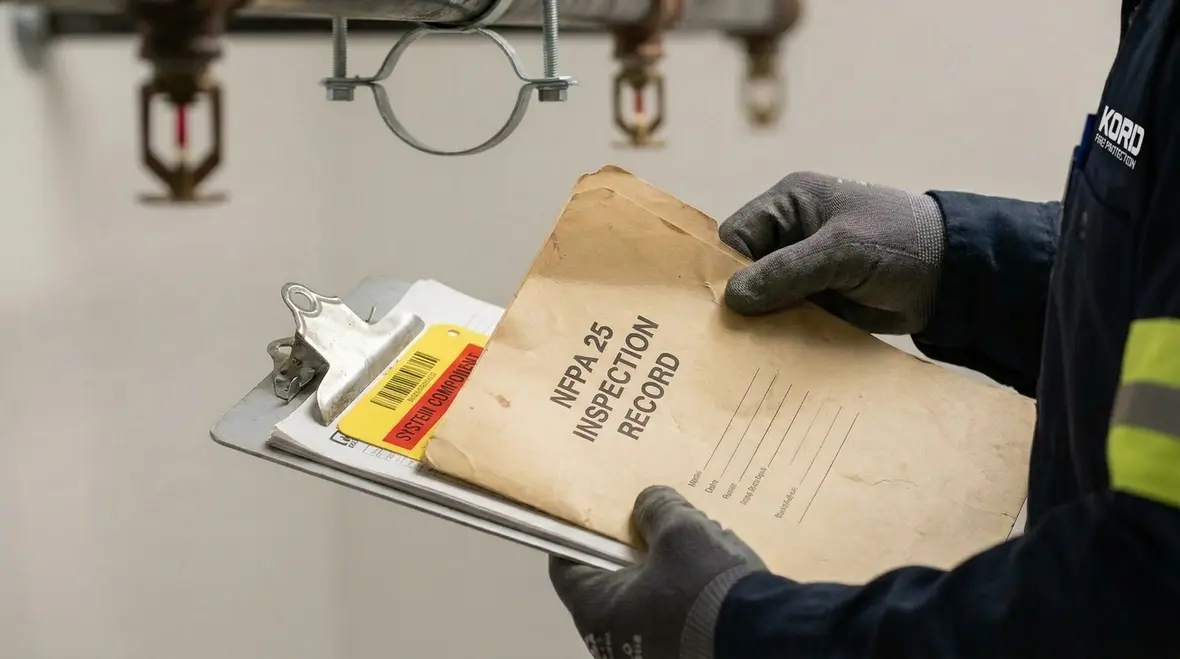
Paperwork gets a bad reputation, but fire protection documentation is not bureaucracy for fun. It is the evidence trail that the facility followed a structured plan and that maintenance did not happen by guesswork. NFPA 25 fire protection system maintenance safety relies on records to show what was done, what conditions were found, and what corrective actions took place.
Effective documentation typically includes system identifiers, inspection dates, component status, test results, and any impairments found. It also tracks whether parts were replaced, adjusted, or returned to service. When done well, these records let a facility prove compliance, plan next steps, and avoid repeating the same problem because someone “forgot” the last fix.
To make this easier for site teams, Kord Fire Protection can help standardize maintenance reporting across multiple buildings and tenancies. When reporting stays consistent, operational leadership gets faster clarity, and technical teams spend less time chasing details and more time improving readiness.
That same record driven mindset appears in Kord’s discussion of fire suppression impairment signs, where small changes in valves, pressure, alarms, and maintenance records can point to bigger readiness issues before they become ugly surprises.
Common issues found in water based systems and how to address them
Water based fire protection systems often reveal predictable challenges during maintenance and safety checks. Here are the issues that show up frequently, plus the practical way teams address them.
- Valve obstruction or impairment: Dirt, corrosion, or improper handling can reduce valve movement. Technicians verify full operation, clear obstacles when allowed, and ensure return to normal supervisory status.
- Leaks at fittings and connections: Small leaks may not trigger immediate operational problems, but they waste water and can affect pressure conditions. Teams locate the source, repair to spec, and confirm pressure stability.
- Sprinkler damage and contamination: Building works, storage changes, or minor impacts can leave sprinklers misaligned or blocked. Inspections identify affected heads and confirm correct status.
- System pressure variability: Changes in supply, water storage levels, or control settings can shift performance. Testing verifies the system meets its required operating conditions.
- Corrosion and scaling: Water quality and long service cycles can degrade internal surfaces. A structured plan identifies trends and supports corrective actions before performance drops.
Also, it helps to remember that maintenance is not a one time fix. It is a cycle. Therefore, teams use findings to adjust the approach, refine access planning, and improve how they manage future inspections. That is where a partner like Kord Fire Protection becomes more than a contractor. Kord can track patterns across sites and help facilities tighten the loop from detection to repair to verification.
If teams want another practical reference point, Kord’s article on fire suppression deficiencies found in inspections covers how pressure concerns, system issues, and maintenance gaps often show up together rather than one at a time.
How Kord Fire Protection supports ongoing compliance
Facilities often ask for “one job,” but fire protection is ongoing. So, a service partner must support planning, safe execution, and dependable reporting over time. Kord Fire Protection can become a vital partner by delivering maintenance services that align with NFPA 25 expectations for water based systems, while also working smoothly around industrial, retail, and commercial operations.
Dual column support for clarity
Service focus
- Scheduled inspection and maintenance planning for water based systems
- On site safety coordination and controlled testing practices
- Documented results with clear findings and actions
- Component repair and replacement as required
Business outcome
- Reduced risk of failures and fewer surprises during audits
- Lower disruption to customers, tenants, and production
- Faster sign off by stakeholders and clearer next steps
- Improved reliability and more stable system performance
And yes, even the best systems need service. A fire protection system is not like a phone that magically updates itself when the mood hits. It needs hands, checks, and verified performance. Kord helps facilities run that process in a way that keeps compliance manageable and readiness measurable.
FAQ: NFPA 25 §§ 4.10-4.11 for water based fire protection
Final thoughts and next step
NFPA 25 §§ 4.10-4.11 give facilities a clear path to water based reliability through NFPA 25 fire protection system maintenance safety practices, safe service methods, and strong documentation. When maintenance planning matches real operational constraints, teams get fewer surprises, steadier readiness, and less scrambling when audits arrive.
If a property wants a maintenance approach that feels managed instead of improvised, reach out to Kord Fire Protection to discuss current schedules, system types, and compliance priorities. The goal is simple: keep the system ready before the clock starts ticking, not after everyone suddenly remembers why maintenance mattered.

Join Our Newsletter!
Get the latest fire safety tips delivered straight to your inbox From our Newsletter.