NFPA 2001 Section 6.2 Design Concentration for Clean Agents
Quick Answer
NFPA 2001 Section 6.2 sets the rules for design concentration calculations in clean agent systems. It helps confirm the right agent amount for safe fire control. For industrial, retail, and commercial sites, Kord Fire Protection can support correct design, compliance, and reliable system performance.
If your facility is planning a system review or a new protected room, clean agent fire suppression services can fit naturally into the process once design concentration, hazard profile, and room conditions are properly assessed.
In the world of NFPA 2001 design concentration clean agent fire suppression, accuracy is everything. One wrong number can turn a well planned system into an expensive ceiling ornament, and nobody in facilities wants that kind of drama. Section 6.2 guides how to calculate the design concentration for each clean agent type, so the system can suppress fire without wasting agent or risking performance. For industrial, retail, and commercial sites, this matters because the stakes are high, the rooms are busy, and the compliance box still expects a neat tick.
What NFPA 2001 Section 6.2 Means
Section 6.2 focuses on how a clean agent system reaches the right concentration in a protected space. In simple terms, the design concentration is the amount of agent needed in the room to stop fire growth. However, the calculation does not follow a one size fits all rule. Each clean agent type behaves differently, so the design must reflect the agent’s own discharge and fire suppression traits.
This section also helps teams avoid guesswork. Instead of hoping the agent will do the job like some action hero with a cape, the standard pushes engineers to use a method that supports real performance. That approach matters in data rooms, switchboards, plant areas, archives, and high value retail back of house zones.
Why the Section Matters in Real Buildings
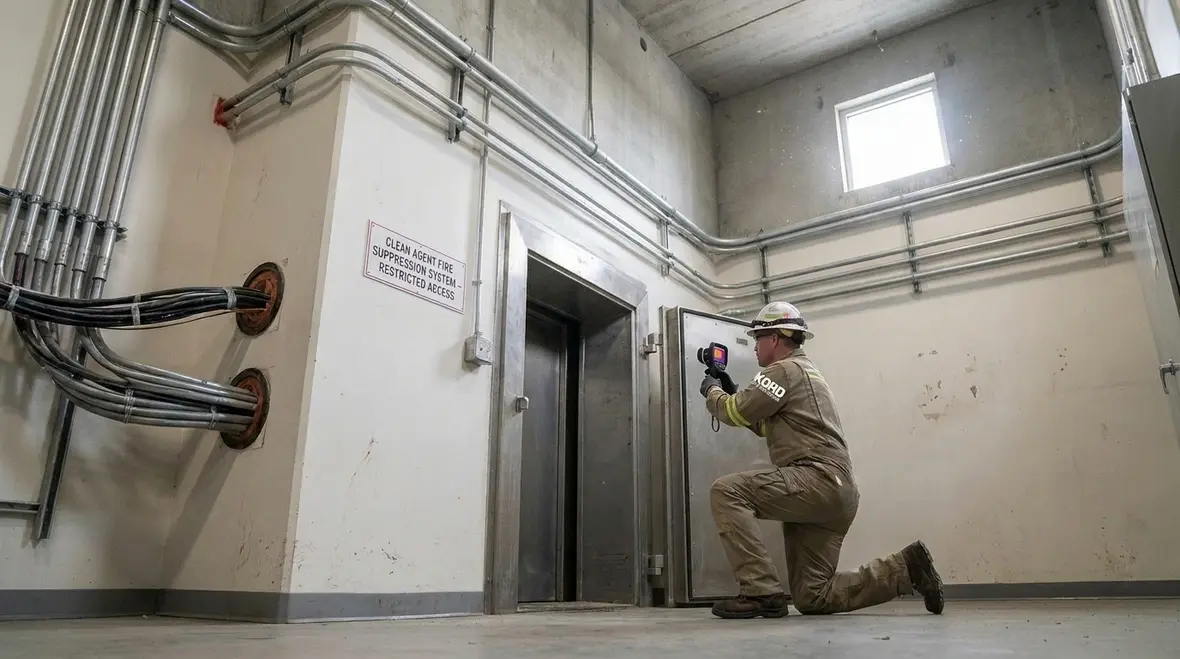
A drawing set can make every room look calm and cooperative. Real rooms, on the other hand, tend to have penetrations, odd shapes, cable paths, ductwork, door gaps, and the occasional surprise that nobody mentioned during the first walkthrough. Section 6.2 matters because it brings discipline to that reality. It ties the agent quantity to actual space conditions rather than wishful thinking and crossed fingers.
That is also why related guidance like NFPA 2001 guidelines for clean agent fire suppression systems can be helpful when teams want the bigger picture around compliant design, system planning, and how all the moving parts fit together without turning the project into a procedural maze.
How Design Concentration Is Calculated
Design concentration depends on several factors. First, the protected space must be measured correctly. Next, the fire risk level must be identified. Then, the correct agent data must be used for that specific system type. In many cases, the calculation includes room volume, leakage control, temperature effects, and the expected fire class.
There is no magic trick here. The process needs clean data and proper engineering judgement. If the room leaks too much, the concentration may drop too fast. If the agent amount is too low, suppression may fail. If it is too high, the design may waste cost and space. So, the calculation acts like a referee, and it keeps the whole match fair.
Key Inputs That Shape the Numbers
Accurate room volume, including ceiling height and irregular room geometry
Openings, leakage paths, and ventilation conditions that may affect hold time
Ambient temperature and environmental conditions inside the enclosure
The selected clean agent and its listed performance characteristics
The hazard classification and likely fuel involved
Required retention or hold time for the protected risk
Because each one of those inputs influences the final result, the concentration target is never just a random number pulled from a product sheet and pasted into a proposal. It is the product of a full design process. That may sound less exciting than a dramatic emergency release scene, but in fire protection, boring precision is usually the hero everyone should root for.
Common Factors That Affect Results
Several site conditions influence the final design concentration. Room size and ceiling height sound obvious, yet they are only the beginning. Vent openings, unsealed wall penetrations, under door gaps, transfer grilles, and other leakage points can reduce agent retention faster than expected. Temperature can also influence behavior, especially in rooms that do not stay at a stable condition all day.
The chosen clean agent matters just as much as the room itself. Some hazards respond differently depending on the agent chemistry or suppression mechanism. Hazard level and fuel type must also be matched carefully. A server room and a warehouse electrical room may look similar on paper, yet their clean agent needs can differ sharply. That is where careful assessment matters more than a rushed quote and a hopeful handshake.
| Calculation Need | Practical Site Effect |
|---|---|
Accurate room volume | Prevents under or over design |
Proper agent data | Supports correct concentration target |
Leakage control | Helps maintain hold time |
Hazard review | Matches protection to real fire risk |
When teams skip any of those checks, the design may still look polished in a submittal package, but performance in the field can become a very different story. Standards exist because real rooms love creating exceptions, and fire protection has no patience for avoidable surprises.
Why Each Clean Agent Type Needs Its Own Calculation
Not every clean agent acts the same way. Some agents rely on chemical interruption of the fire process, while others reduce oxygen or heat in different ways. Because of that, the design concentration changes from agent to agent. NFPA 2001 Section 6.2 recognizes that difference and makes sure the system design fits the agent, not the other way around.
This is important for a wide mix of facilities. A food processing site, a transport hub, and a retail distribution centre each carry different risks. Therefore, the same clean agent formula cannot simply be copied and pasted across every job. That would be like using the same key for every door in a building and acting surprised when security has thoughts about it.
One Standard, Different Agent Behaviors
The standard framework is consistent, but the data behind the calculation changes with the agent selected. That is why design teams need to pay attention to listed system details, enclosure behavior, nozzle layout, and the nature of the hazard. The clean result everyone wants, fast suppression without collateral mess, only happens when the details are treated like essentials rather than optional extras.
Facilities that protect data rooms, telecom spaces, archives, control rooms, and other sensitive environments often choose clean agent systems because water would solve one problem while creating three more. But that advantage depends on getting the concentration right. A clean agent system is smart, efficient, and elegant only when the design work underneath it is equally smart.
How Kord Fire Protection Supports the Process
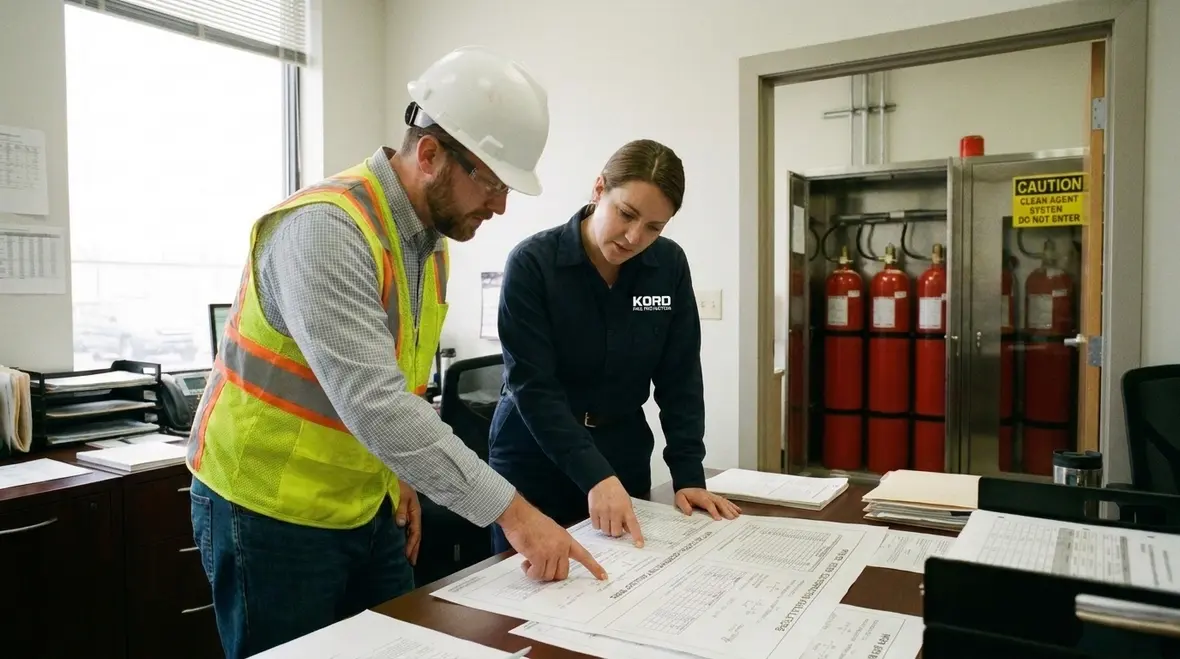
Kord Fire Protection can become a vital partner in this work because it brings practical experience to the design and delivery of clean agent systems. First, the team can help review the protected space and identify the correct hazard profile. Next, it can support the calculation process so the design concentration aligns with NFPA 2001 requirements and site needs. Then, it can assist with installation, testing, and ongoing service.
For industrial and commercial operators, that partnership matters. It helps reduce design errors, improves compliance confidence, and supports long term system reliability. In other words, Kord Fire Protection helps turn a technical standard into a working solution, which is the part everyone actually wants.
That support also connects well with enclosure performance. When a room cannot hold the agent concentration long enough, even a well sized system may not deliver the expected result. For that reason, room integrity testing for clean agent suppression systems is a practical next step for facilities that want confidence beyond the paperwork.
What Facilities Should Check Before Installation
Before any clean agent system goes in, facility managers should confirm a few things. The room must be properly sealed for the required hold time. The hazard must be clearly defined. The chosen agent must match the application. And the final design should be checked against the standard, not just against a spreadsheet that looked confident on a Friday afternoon.
It also helps to involve a fire protection partner early. That step can save time, cut redesign work, and make commissioning smoother. Since many sites run critical operations around the clock, downtime often costs more than the system itself. Early coordination usually means fewer unpleasant surprises during install, testing, and final acceptance.
Pre-Installation Checklist
Confirm room dimensions, ceiling height, and enclosure boundaries
Review penetrations, doors, dampers, and leakage paths
Define the exact hazard and likely fuel source
Verify the selected clean agent is suitable for the application
Check the design concentration method against the applicable standard criteria
Plan for testing, commissioning, service access, and future maintenance
FAQ
Conclusion
NFPA 2001 Section 6.2 is not just a rulebook line. It is the backbone of a reliable clean agent design. The right concentration is what separates real suppression performance from a plan that only looked good in a meeting. When the enclosure, agent, hazard, and hold time all work together, the system is far more likely to protect what matters without creating extra damage.
For facilities that need clean, precise fire protection, the next step is simple: get the design right the first time. Kord Fire Protection can help support design review, compliance goals, installation, testing, and long term service so the final system performs like it should, not like a very expensive guess.

Join Our Newsletter!
Get the latest fire safety tips delivered straight to your inbox From our Newsletter.