
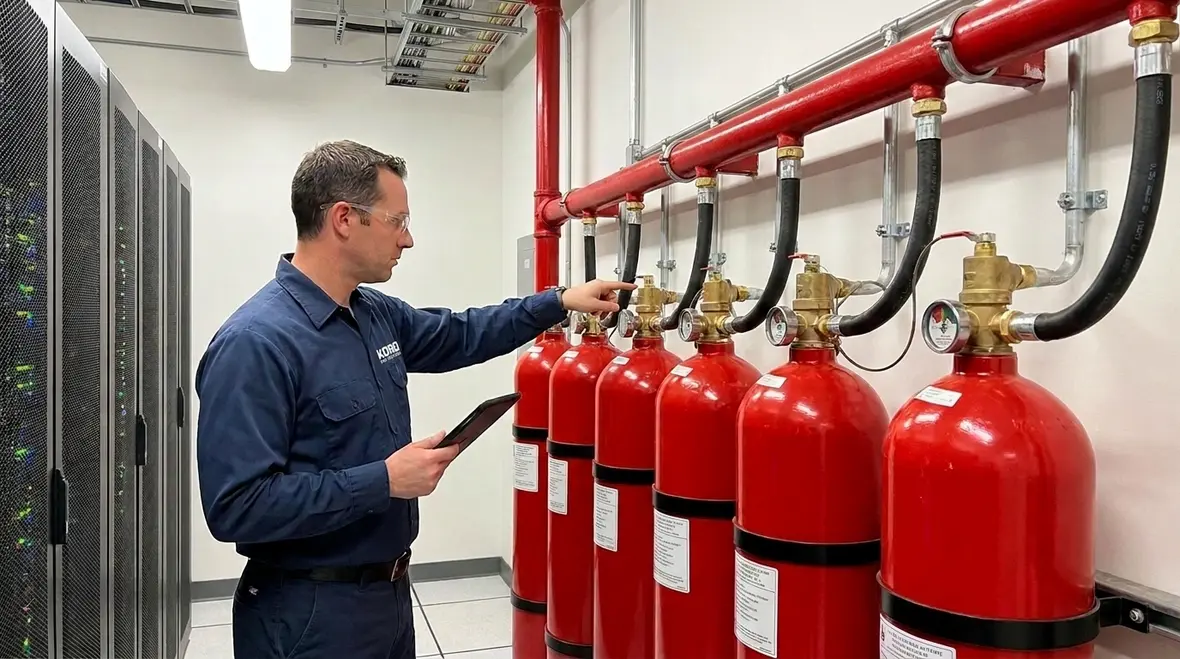
NFPA 2001 Section 4.2 Clean Agent Design Requirements
Quick Answer: NFPA 2001 Section 4.2 sets the key design rules for clean agent fire suppression systems, including hazard review, room integrity, agent storage, discharge timing, and safety checks. When those details are handled well, the system works fast, protects vital assets, and keeps business downtime low. That is where Kord Fire Protection can become a trusted partner.
For industrial, retail, commercial, and facility sites, NFPA 2001 design requirements clean agent systems matter more than most teams first expect. The code helps guide how a system should be planned so it can suppress fire without damaging electronics, stock, or sensitive equipment. In plain terms, it helps protect what a sprinkler may save from flames but not from water. And yes, water and server rooms still do not get along like old rivals in a sitcom.
That planning conversation gets even stronger when it connects with real world service support. Near the start, it helps to understand how clean agent fire suppression system services fit into design, installation, and long term readiness. It also helps to review Kord Fire Protection’s resource on NFPA 2001 guidelines for clean agent fire suppression systems, because Section 4.2 makes a lot more sense when viewed as part of the bigger compliance picture.
What Section 4.2 Means for Site Protection
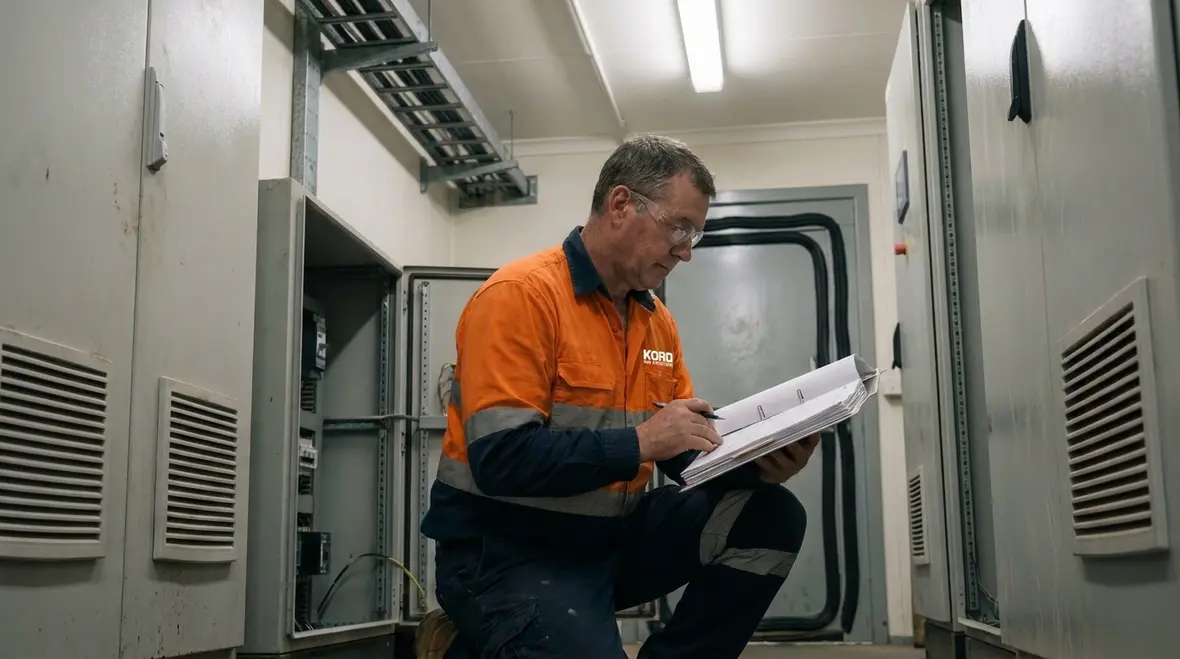
NFPA 2001 Section 4.2 focuses on how a clean agent system must be designed before anyone installs a nozzle or a cylinder. It asks one simple question first: can the protected area actually hold the agent long enough to put out the fire? That means the design team must study the room, the hazards, the airflow, and the equipment layout.
As a result, the system does not rely on guesswork. It relies on facts. If a site has racks, cable penetrations, vents, or doors that leak air, the design must account for them. Otherwise, the agent can escape too fast, and the system becomes a very expensive way to learn a lesson.
Why early design decisions matter more than people think
This is where many projects quietly succeed or quietly fail. Clean agent protection is not just about choosing a cylinder and calling it a day. The design must consider the shape of the room, the height of the ceiling, the presence of subfloors or above ceiling voids, the likely fire class, the movement of air, and the time required to reach extinguishing concentration. If one piece is off, the rest of the system can look perfect on paper and still disappoint in the field.
How the Design Starts With the Hazard
A proper clean agent design begins with hazard review. The team must identify what needs protection, what can burn, and what must stay online after discharge. In many sites, that includes switch rooms, data rooms, control rooms, archives, pharmaceutical spaces, and high value retail back offices.
The review also checks how fast a fire could grow and whether the space contains people during normal operation. Therefore, the design must balance fire suppression with safe occupancy. That balance sits at the heart of NFPA 2001 design requirements clean agent systems. It does not allow a one size fits all setup. Instead, it asks for a design that matches the real site, not a brochure version of it.
Hazard review is where the questions get useful
Good designers ask blunt questions on purpose. What exactly is in the room? What ignites first? What needs continuous operation after a discharge? Are there batteries, flammable liquids, plastics, packaged goods, electrical cabinets, or mixed hazards in the same enclosure? Does the HVAC system shut down fast enough? Is there enough time for alarm, investigation, and evacuation before release? That is not overthinking. That is the part that keeps the system from becoming a fancy metal decoration with a release panel.
Dual Column View of the Core Design Factors
Design Factor
Room integrity
Agent concentration
Discharge time
Storage layout
Safety review
Why It Matters
Keeps the agent inside the hazard area long enough to work
Ensures the system can suppress the fire type involved
Allows fast release before fire spreads further
Supports pressure control and reliable delivery
Protects people who may be in or near the space
Each factor links to the next one. For example, poor room integrity can ruin even a well sized system. Likewise, weak storage planning can affect discharge performance. So the design process must work as one chain, not a pile of random parts tossed in like a rushed action movie sequel.
Why Room Integrity Shapes Real Performance
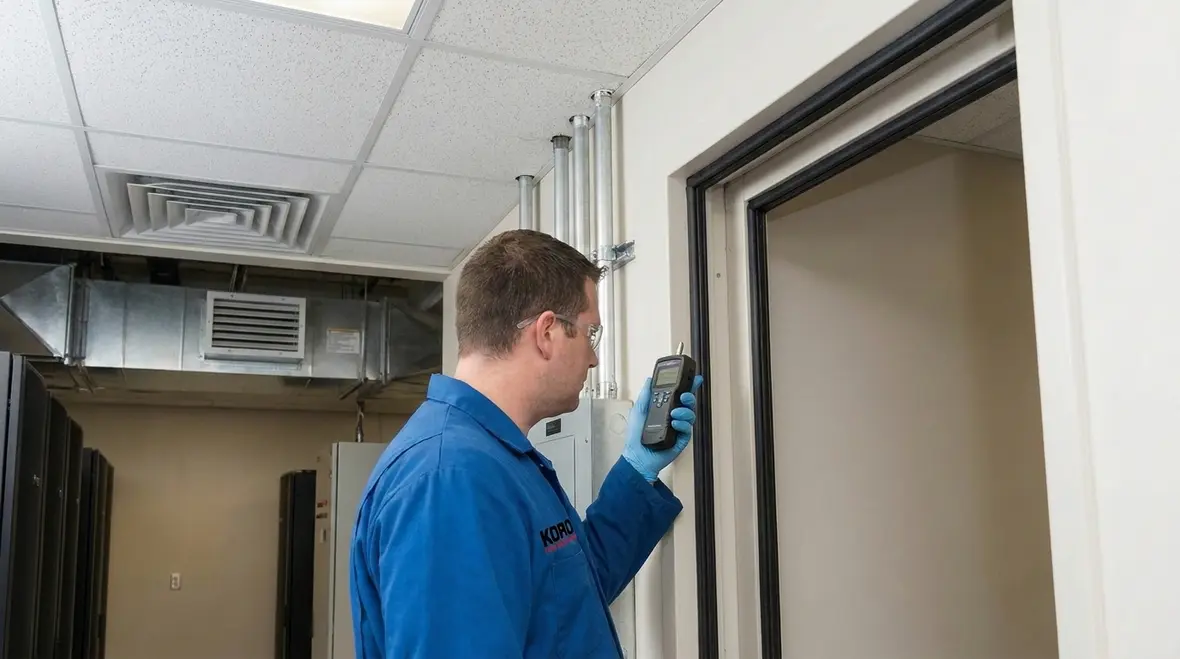
Room integrity matters because a clean agent only works if it stays where the fire is. That means doors, dampers, vents, ceilings, floors, and cable paths all need attention. The design team often performs enclosure checks to confirm that the room can retain the agent concentration long enough to suppress the fire.
In practical terms, this protects the site from a common failure point. Many systems do not fail because the agent is wrong. They fail because the room leaks too much. So, good design treats the space like part of the system, not just the backdrop.
The room is not background scenery
This point deserves a little extra emphasis because it gets underestimated all the time. A clean agent system can have correct cylinders, correct piping, correct nozzles, and correct controls, then still lose effectiveness if the enclosure leaks like a bad secret. Door gaps, penetrations above cable trays, unsealed conduits, transfer grilles, suspended ceilings, and underfloor pathways all change how the agent holds and moves. That is why related topics such as clean agent suppression system and room integrity testing fit naturally into the design discussion instead of being treated as an afterthought.
Safety and Compliance for Occupied Areas
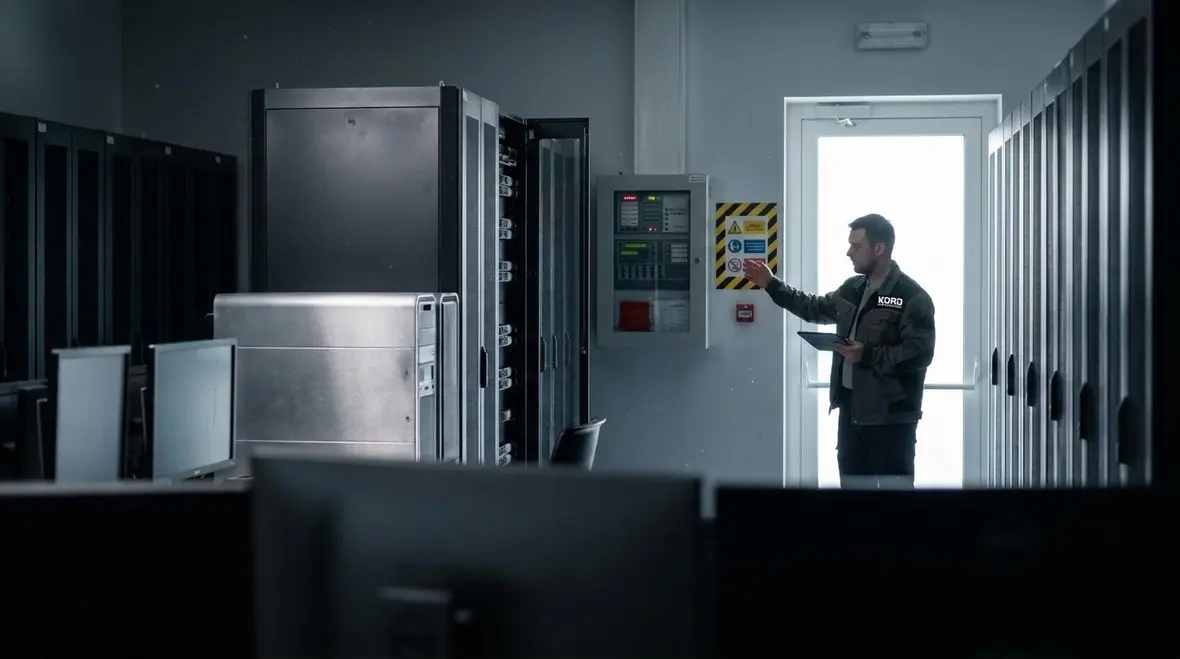
Clean agent systems often protect spaces where people work. Therefore, the design must support safe evacuation, clear alarms, and proper discharge warnings. This matters in offices, control centers, logistics hubs, and retail support areas where staff may be present at any time.
NFPA 2001 also expects the team to consider system control and release sequence. As a result, the design must ensure the agent activates only when needed and that people can leave safely first. That calm, clear sequence is not just good practice. It is essential risk control.
Sequence, warning, and timing all matter
In occupied spaces, the system has to do two jobs at once. It must suppress the fire effectively, and it must communicate clearly enough that no one is caught off guard during release. Pre discharge alarms, signage, shutdown logic, abort considerations where permitted, and coordinated release timing all affect how safely the room operates in a real event. It is the difference between a controlled response and a scene where everyone suddenly looks around wondering who pressed the dramatic red button.
How Kord Fire Protection Becomes a Vital Partner
Kord Fire Protection can play a vital role in this service because clean agent systems demand more than equipment supply. They demand design skill, site review, installation discipline, and long term support. That means one partner can help align the system with the code, the site, and the operational need.
Moreover, Kord Fire Protection can help assess room conditions, recommend suitable clean agent solutions, and support commissioning and testing. That matters because a system only earns trust after it performs as designed. And when a company’s servers, stock, or control systems are on the line, “close enough” is not a phrase anyone wants to hear from a fire protection provider.
If the protected space supports data, electrical controls, telecom equipment, or other mission critical assets, related reading like mission critical fire suppression with clean agent systems and clean agent fire suppression for server rooms can help teams connect code language to real facility conditions.
FAQ
Conclusion: Build It Right From the Start
NFPA 2001 Section 4.2 gives facility owners a clear path to better fire protection, but only when the design matches the real space and the real risk. For industrial, retail, and commercial sites, that means careful planning, testing, and expert support.
Kord Fire Protection can help turn those requirements into a reliable clean agent solution that protects assets, people, and uptime. Contact a specialist before the next fire test becomes a very expensive surprise.

Join Our Newsletter!
Get the latest fire safety tips delivered straight to your inbox From our Newsletter.



