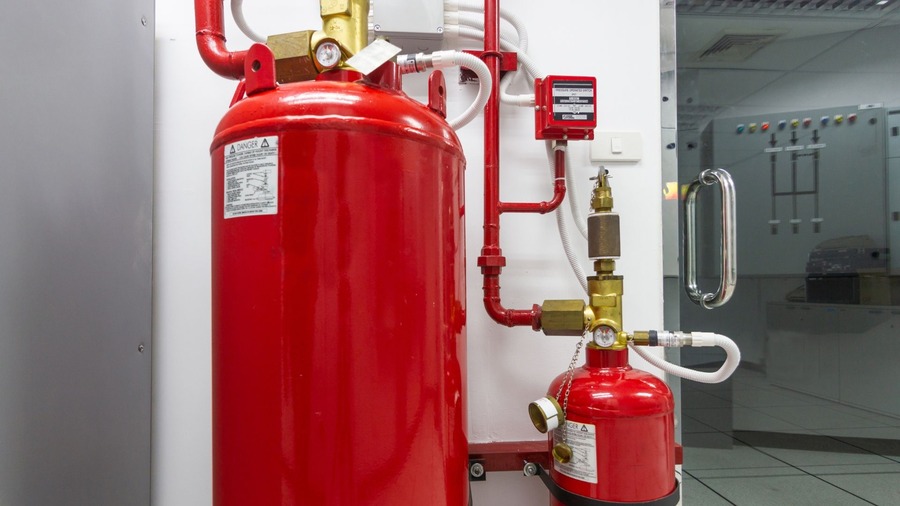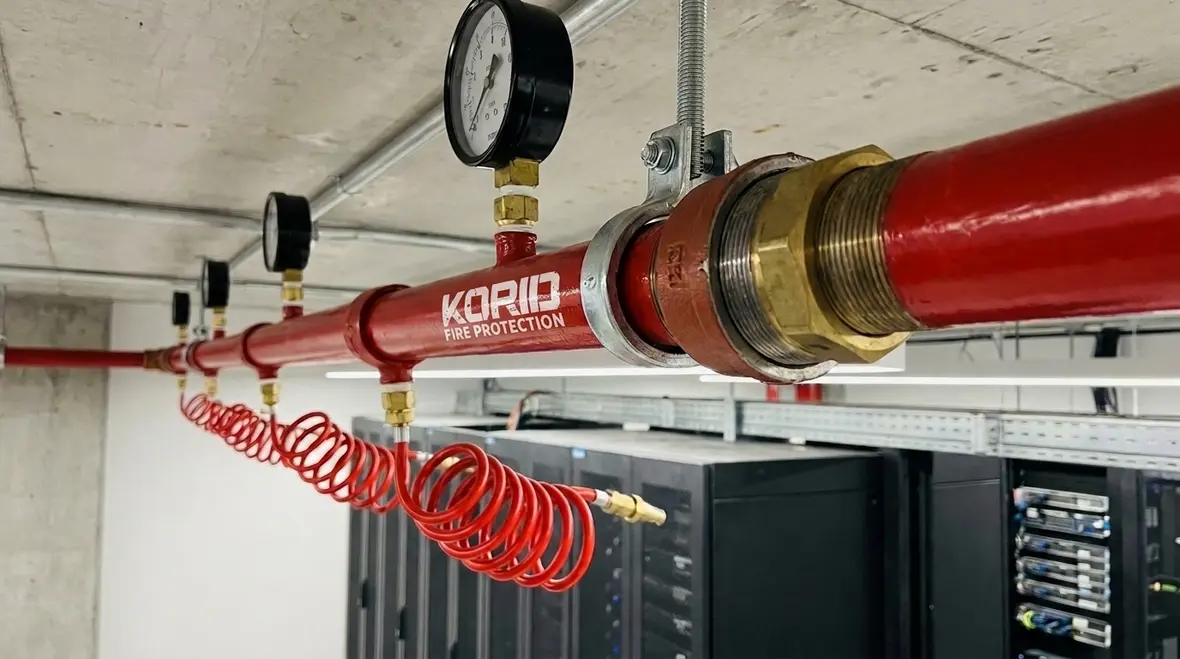
NFPA 2001 Section 5.3 Piping Fittings for Clean Agent Systems
Quick Answer
NFPA 2001 Section 5.3 sets the rules for piping and fittings in clean agent systems so the agent moves fast, safely, and in the right amount. For industrial, retail, and commercial sites, proper design and install work matters. That is where Kord Fire Protection can help, with skilled support that keeps systems compliant and ready when it counts.
If your facility is planning upgrades or needs a dependable partner for clean agent fire suppression system services, getting the pipework right from the start is one of the smartest moves you can make.
In NFPA 2001 piping fittings clean agent fire suppression, Section 5.3 plays a big role because it controls how the agent travels from the storage unit to the hazard area. If the pipework is wrong, the whole system can stumble. And fire safety, unlike a bad sequel, does not get a second chance. For facilities, this section guides pipe strength, fitting quality, pressure limits, and system integrity. That means better performance, less risk, and cleaner protection for valuable equipment, stock, and operations.
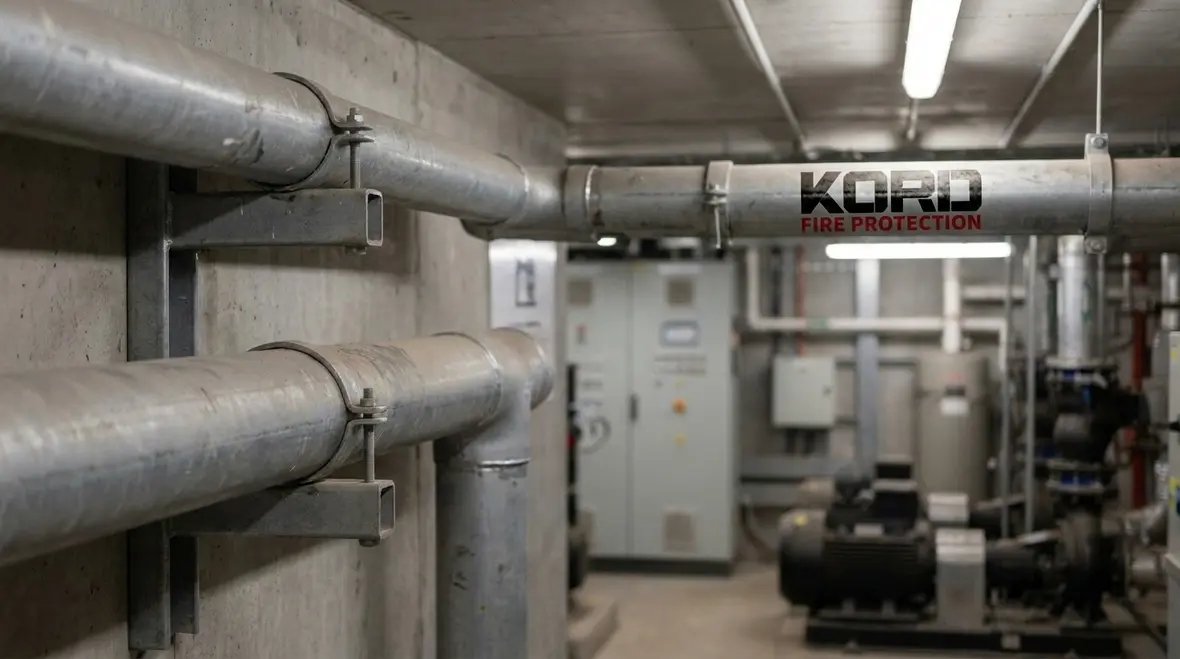
What NFPA 2001 Section 5.3 Covers
Section 5.3 focuses on piping and fittings used in clean agent systems. It requires components to suit the agent type, the pressure involved, and the layout of the system. In plain terms, the pipework must do its job without leaks, weak spots, or poor joins. That matters because clean agent systems depend on quick discharge and exact coverage. If the agent loses pressure, the system may not protect the space as intended.
This section also helps make sure the design matches the hazard. A small server room, a control area, or a plant space each needs the right pipe size and fitting type. Therefore, installers cannot simply grab any pipe and hope for the best. Fire protection does not reward “close enough.” It prefers precision.
Why the section matters beyond the paperwork
It is easy to think of piping as background hardware that just sits there looking official. In reality, it is the delivery network that decides whether the clean agent arrives with the required speed and force. Cylinders and nozzles often get the spotlight, but the pipe between them is doing the heavy lifting. If the fittings are mismatched, poorly supported, or not rated for the actual discharge conditions, the system can lose efficiency fast.
That is why Section 5.3 deserves attention during design reviews, installation, and later inspections. It is less glamorous than shiny cylinders, sure, but it is also the part that keeps the performance promise intact when the pressure is on. Literally.
Why Pipe and Fitting Quality Matters
Clean agent systems rely on fast delivery. So the piping must stay strong under pressure and keep flow losses low. If fittings are poor, bent, loose, or not suited to the system, the discharge can slow down. That can affect agent spread and suppression speed. In a busy site, that delay can turn a small event into an expensive one.
Good pipework also supports long term reliability. As a result, maintenance teams face fewer leaks, fewer faults, and fewer surprise headaches during inspections. That is good news for facilities managers who already juggle enough issues to fill a season of reality TV.
| Design focus | Why it matters |
| Correct pipe sizing | Keeps flow rates and discharge pressure within the system design |
| Approved fittings | Helps prevent leaks and weak points |
| Pressure rating | Supports safe operation during discharge |
| Secure installation | Reduces movement, damage, and future failure |
Common trouble spots teams should watch
- Using fittings that are technically available but not actually suitable for the system pressure or agent profile
- Adding bends or route changes in the field that increase resistance and alter discharge performance
- Skipping proper support or bracing, which can leave pipe runs vulnerable to movement or stress
- Treating small leaks like minor nuisances when they can signal bigger integrity issues
- Making later modifications without checking how they affect the approved hydraulic design
How It Supports Industrial and Commercial Sites
Many sites use clean agent systems to protect spaces where water could cause major damage. That includes data areas, switch rooms, control cabinets, warehouses, and retail back of house zones. Because these spaces often hold sensitive gear or high value goods, the pipe network must work without fail.
Moreover, facilities often face mixed conditions, tight plant rooms, and complex layouts. This makes correct pipe routing and fitting selection even more important. A clean agent system may look simple from the outside, yet inside it depends on careful hydraulic design and sound workmanship. One weak joint can spoil the whole show.
Sensitive spaces do not forgive sloppy pipework
A warehouse office with network gear, a control room with process equipment, or a server space packed with electronics all have one thing in common: they need suppression that solves the fire problem without creating a second disaster. That is exactly why clean agent systems are used in these environments, and exactly why the pipework standards matter so much. A strong system is not only about the right agent. It is also about the right path to deliver it.
For readers comparing this topic with broader guidance, Kord Fire also has a useful resource on NFPA 2001 guidelines for clean agent fire suppression systems, which pairs well with a closer look at Section 5.3 and the nuts-and-bolts reality of piping and fittings.
How Kord Fire Protection Can Help
Kord Fire Protection can become a vital partner by supporting the full path from design review to installation, testing, and ongoing service. Their team can help ensure the piping and fittings meet the needs of the site and the requirements of NFPA 2001. That means less guesswork and more confidence.
They can assist with:
- System layout checks for pipe runs and fittings
- Installation work that supports compliance and performance
- Inspection and maintenance planning
- Fault finding when pressure, leaks, or fit issues appear
- Service support for industrial, retail, and commercial properties
In addition, Kord Fire Protection can help site teams avoid costly errors such as wrong fitting choices, poor support spacing, or changes that affect discharge performance. That matters because a clean agent system should not merely pass a glance test. It should pass the real one, the kind that happens during an actual fire event.
Their clean agent resources also reinforce the bigger picture. Kord’s published guidance explains how clean agent systems protect critical equipment, why room integrity matters, and how design, installation, and maintenance work together. In other words, this is not just about buying hardware and crossing fingers. It is about building a system that performs like it means it.
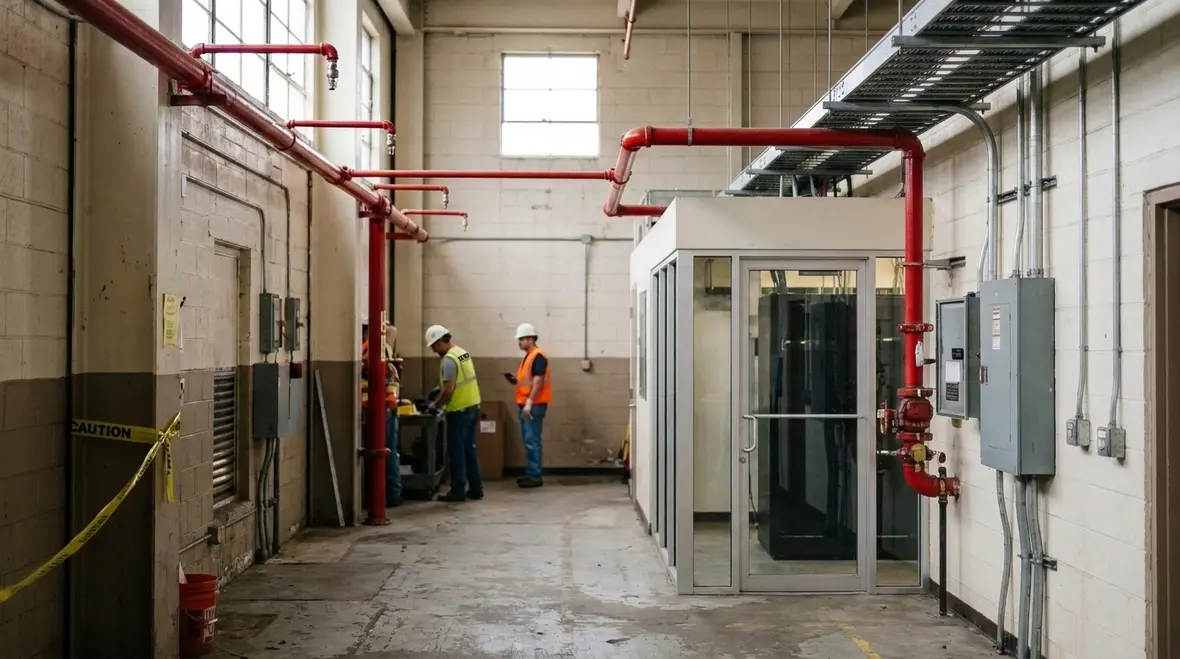
What Good Installation Looks Like
A strong installation follows the approved design, uses compatible materials, and keeps the pipe path clean and efficient. It also avoids unnecessary bends and limits flow resistance where possible. Then, the installer verifies the fittings, joins, brackets, and supports so the line stays stable over time.
Testing also matters. Pressure checks and inspection help confirm the pipework can hold up under system demands. After all, a fire suppression network is no place for “we’ll see how it goes.” That phrase belongs in karaoke, not fire protection.
Practical signs the install is on the right track
- Pipe routes match the approved layout instead of taking creative detours around obstacles
- Fittings are compatible, properly joined, and clearly suited to the system’s working pressures
- Supports and brackets keep the network secure rather than letting it sag, twist, or drift
- Inspection points are accessible, which makes future service easier and a lot less theatrical
- Testing confirms the network is ready for real discharge conditions, not just polite optimism
That last point matters more than it gets credit for. Plenty of systems can look tidy on install day. The better question is whether they will still perform months later after building activity, vibration, minor alterations, and normal wear have had time to do their sneaky little dance. Good installation accounts for that from day one.
FAQ
Conclusion
NFPA 2001 Section 5.3 gives clean agent systems the pipework discipline they need to perform at the highest level. For businesses, that means safer assets, better compliance, and fewer nasty surprises. It may sound like a technical corner of the standard, but it has a very practical job: making sure the agent gets where it needs to go, at the speed and pressure the design intended.
Kord Fire Protection can help keep those systems ready, reliable, and built to do the job when it matters most. For sites that want solid protection, now is the time to work with the right team and make sure the system behind the walls is just as dependable as the equipment it protects.

Join Our Newsletter!
Get the latest fire safety tips delivered straight to your inbox From our Newsletter.