NFPA 2001 Section 4.3 Clean Agent Fire Suppression Installation Requirements
Quick Answer: NFPA 2001 Section 4.3 gives a clear path for clean agent system setup, from design review to final testing. For industrial, retail, and commercial facilities, the safest results come from careful planning, skilled installation, and full commissioning. Kord Fire Protection can help turn that process into a smooth, compliant job.
In the world of NFPA 2001 installation requirements clean agent fire suppression, Section 4.3 matters because it sets the tone for a system that must work fast, clean, and with no room for guesswork. These systems protect high value spaces like data rooms, control rooms, switch rooms, archives, specialist retail areas, and other sensitive environments where water can make a bad day much worse. And yes, this is the part where nobody wants the fire system to behave like a confused extra in a bad action movie. It must perform on cue, every time.
For facilities that depend on continuity, the goal is not just to install equipment. It is to install the right system, in the right place, with the right checks, so the clean agent can suppress fire without damaging critical assets. That is where disciplined planning and a trusted contractor become a real advantage. Near the start of that process, many teams naturally review clean agent fire suppression services to make sure the installation strategy fits the hazard, the space, and the operational demands of the site. ([kordfire.com](https://kordfire.com/clean-agent-fire-suppression/?utm_source=openai))
How Section 4.3 Guides the Installation Process
Section 4.3 focuses on installation practices that protect system reliability. It expects the contractor to follow approved design documents, use proper materials, and place every component as intended. The system must not only look neat. It must function exactly as designed during a fire event. Kord Fire’s clean agent service guidance also emphasizes installation, servicing, repairs, and maintenance support tied to NFPA 2001-aligned work, which fits naturally with the expectations behind this section. ([kordfire.com](https://kordfire.com/clean-agent-fire-suppression/?utm_source=openai))
First, the installer must confirm that the design matches the protected hazard. Then, the team must check pipe layout, nozzles, cylinders, valves, controls, and detection devices. Each part must fit the plan, because a clean agent system has little patience for improvisation. One missed nozzle can create a weak spot, and one weak spot can create a very bad day.
Why this matters in real spaces
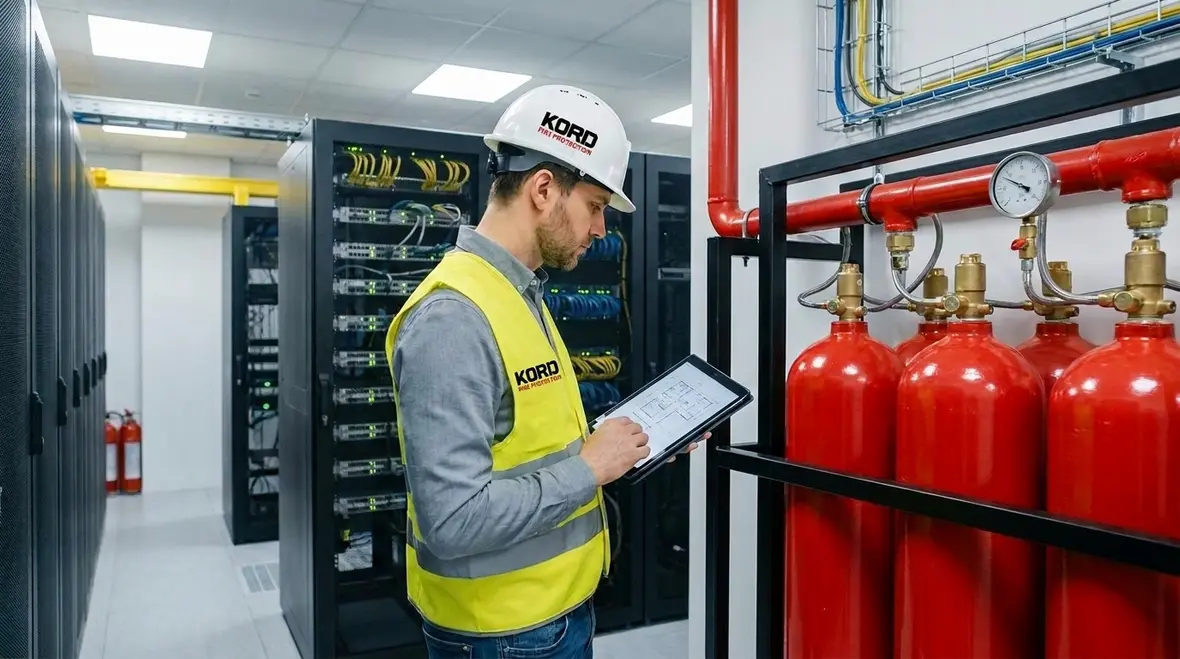
Clean agent systems are commonly used in data centers, server rooms, telecommunications rooms, bank vaults, libraries, control rooms, and similar critical environments where downtime and cleanup matter. That means installation errors are not just technical problems. They can become business continuity problems, reputation problems, and budget problems all at once. It is amazing how quickly a small fitting issue can stop acting small when the room it protects holds the systems everyone else depends on. ([kordfire.com](https://kordfire.com/clean-agent-fire-suppression/?utm_source=openai))
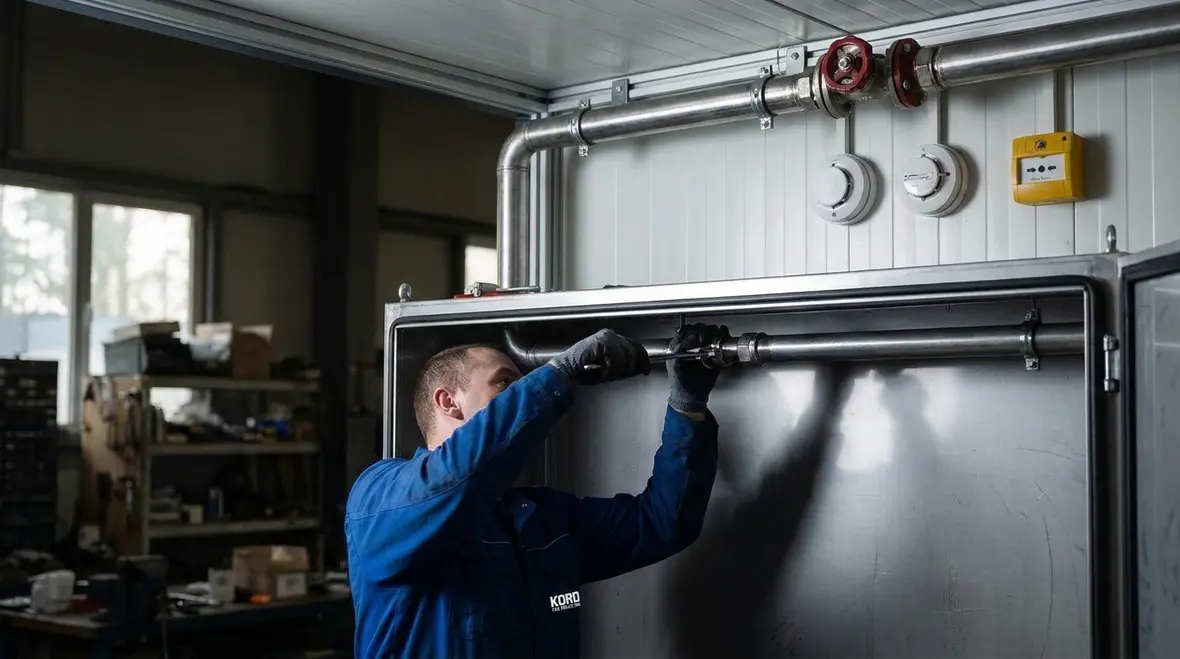
Step by Step Clean Agent System Installation
Below is a practical view of the process that supports compliant NFPA 2001 installation requirements clean agent fire suppression work. It is not glamorous, but then again, the best fire protection work usually is not. It is careful, methodical, and slightly obsessed with details for very good reasons.
1. Review the approved design
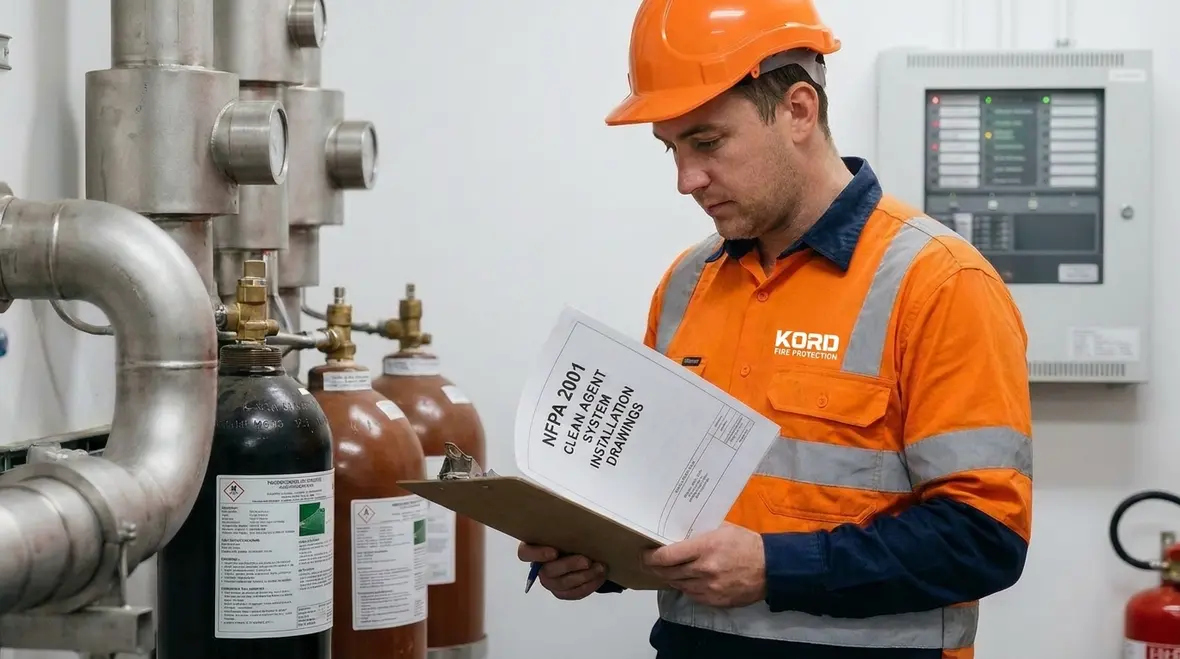
The installer should begin by checking drawings, equipment lists, room data, and hazard details. This step confirms that the system suits the space and the clean agent type. It also helps catch errors before tools come out and the schedule starts acting like a runaway freight train.
2. Confirm room integrity and enclosure conditions
Clean agent systems depend on a sealed environment. Doors, dampers, vents, cable openings, and ceiling gaps must support hold time. If the room leaks too much air, the agent may not stay long enough to do its job. That is why related planning often includes room integrity testing and enclosure review, especially where airflow and leakage control directly affect performance. Kord Fire’s clean agent resources repeatedly connect system effectiveness to enclosure conditions and mission critical uptime. ([kordfire.com](https://kordfire.com/mission-critical-fire-suppression-with-clean-agent-systems/?utm_source=openai))
3. Mount cylinders, piping, and release equipment
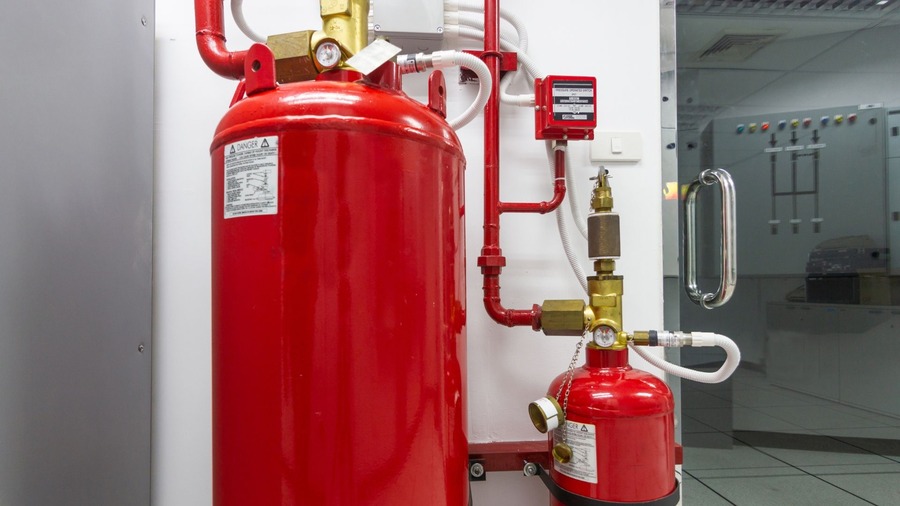
The installer should place cylinders in a secure, easy to access location. Pipe runs must follow the approved layout, and supports must keep the system stable. Good workmanship matters here because loose fittings and poor alignment can create pressure issues later. A clean agent installation should feel intentional from end to end, not like it was assembled during a coffee shortage and a mild panic.
4. Install detection and control components
Smoke detectors, control panels, alarms, manual release stations, and shutdown links must all work together. The system should detect danger early, alert people, and trigger release in the correct sequence. Timing matters. Fire protection is not the place for dramatic pauses.
5. Check nozzles, direction, and coverage
Every nozzle must point the right way and cover the intended area. Proper spacing and orientation help the agent discharge evenly. This is where detail wins. Small mistakes in nozzle placement can lead to uneven coverage and poor suppression performance. That is one reason Kord’s technical articles keep steering readers back to proper planning, system fit, and real world application instead of treating clean agent work like a plug and play gadget. ([kordfire.com](https://kordfire.com/clean-agent-standard-for-fire-suppression-systems/?utm_source=openai))
6. Test the full system
Before handover, the team should test alarms, shutdowns, release circuits, and interface functions. This confirms the system responds as intended. Testing also gives the facility team confidence that the installation supports real world protection, not just paper compliance. Commissioning is where assumptions go to face consequences, which is exactly why a serious team does not skip it. Kord Fire’s mission critical guidance also highlights verifying detection, alarm, release sequencing, and interlocks before turnover. ([kordfire.com](https://kordfire.com/mission-critical-fire-suppression-with-clean-agent-systems/?utm_source=openai))
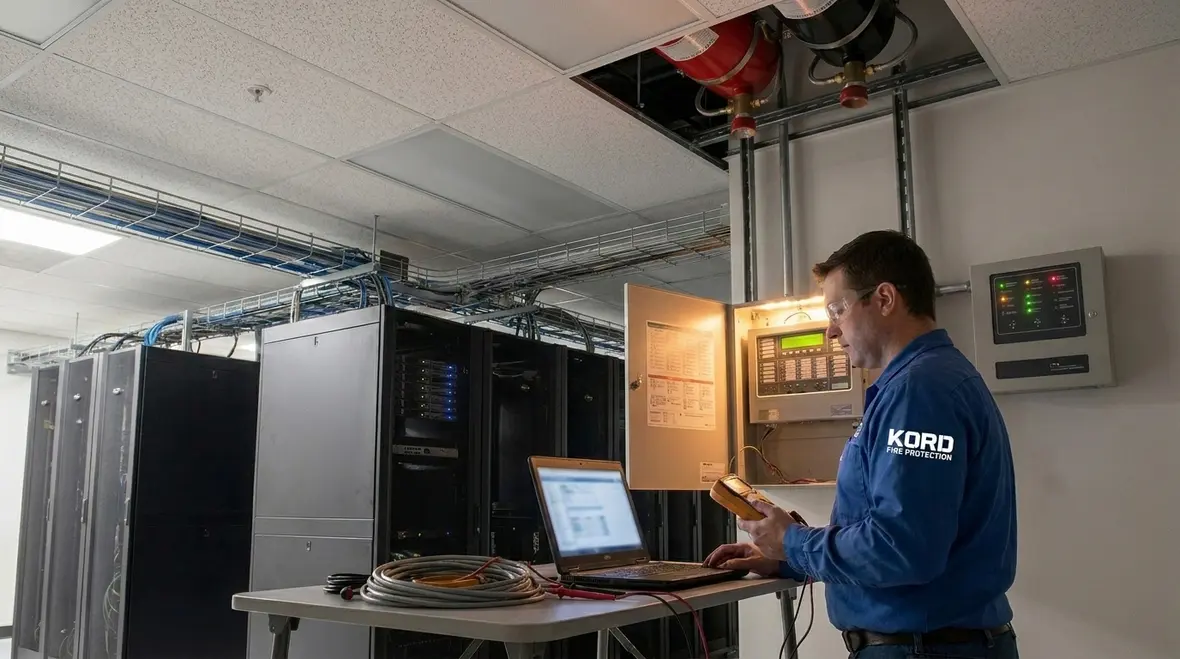
Dual View of Installation Focus
Compliance focus
Section 4.3 demands that installation follows the approved design, uses listed equipment, and supports the system’s intended performance. The work must align with the standard, local rules, and the site’s operational needs. In practice, that means documentation, consistency, and zero tolerance for shortcuts that only look harmless until test day arrives.
Performance focus
The system must release clean agent effectively, protect assets, and avoid damage to business operations. In short, the install should help the facility stay open, safe, and ready to go, not sitting around waiting for a repair crew like a background character in a crime drama. Clean agent protection is valuable precisely because it supports continuity where mess, residue, or prolonged shutdown would be costly. ([kordfire.com](https://kordfire.com/clean-agent-fire-suppression/?utm_source=openai))
What Facilities Should Check Before Handover
Facilities should ask for clear records before sign off. These records should show the design basis, installation notes, test results, and maintenance instructions. In addition, the site team should know how the system works, when it releases, what interfaces it controls, and who to call if trouble starts. Handover should never feel like being given a mystery box with a manual nobody has read.
Industrial sites may need extra care around shutdowns and process equipment. Retail environments often need careful coordination so customer areas stay protected without disrupting daily trade. Commercial buildings usually need smooth integration with HVAC, alarms, and access control. Therefore, the best installations respect the business first and the standard always. If teams want more background reading, Kord also offers a useful resource on NFPA 2001 guidelines for clean agent fire suppression systems, which fits naturally with pre-handover review and broader compliance planning.
How Kord Fire Protection Supports Clean Agent Jobs
Kord Fire Protection can become a vital partner because clean agent work asks for more than basic installation. It needs planning, technical skill, site coordination, and a strong grasp of compliance. Kord Fire’s clean agent service page describes support for design, installation, servicing, repairs, and maintenance for critical environments where water based protection may not be the right fit. ([kordfire.com](https://kordfire.com/clean-agent-fire-suppression/?utm_source=openai))
More importantly, the team can work alongside facility managers, contractors, and operations staff to reduce downtime and keep the project moving. That matters in busy industrial, retail, and commercial environments where every hour counts. When the job calls for precision, the right partner keeps the system sharp and the process calm. That calm is underrated, mainly because everyone loves confidence until the commissioning checklist shows up.
Why Good Installation Protects More Than Equipment
A correct clean agent install protects operations, reputation, and safety. It helps reduce the chance of fire damage, expensive repairs, messy cleanup, and long shutdowns. It also supports a stronger compliance position during audits and inspections. A well installed system does not just sit there looking important. It earns its keep.
That is the bigger story behind Section 4.3. The standard is not trying to make projects harder for fun. It is trying to make outcomes more dependable when the protected space contains critical systems, valuable inventory, sensitive electronics, or essential business records. When installation quality is high, the system has a much better chance of doing the one thing it was hired to do: stop a fire without creating a second disaster in the process.
FAQ
Conclusion
For industrial, retail, and commercial sites, NFPA 2001 installation requirements clean agent fire suppression work best when every step gets proper care. From design review to final testing, the process rewards precision. A solid installation supports dependable release, better asset protection, smoother handover, and fewer ugly surprises after commissioning.
Kord Fire Protection can help facilities complete the job with confidence, compliance, and less stress. That is the kind of partner every critical space deserves, especially when the protected room contains the systems nobody can afford to lose. ([kordfire.com](https://kordfire.com/clean-agent-fire-suppression/?utm_source=openai))

Join Our Newsletter!
Get the latest fire safety tips delivered straight to your inbox From our Newsletter.