NFPA 20 Section 4.3 Fire Pump Operation Requirements
Quick Answer: NFPA 20 Section 4.3 sets the fire pump operation requirements that govern how a fire pump must start, run, and respond to demand. It covers control logic, alarms, timers, and conditions that keep the pump reliable when it matters most. Kord Fire Protection can support compliance, testing, and long term readiness.
In commercial, retail, and industrial facilities across Australia, the fire pump does not get to “wing it.” Early in the process, the fire pump operation requirements NFPA 20 are introduced in NFPA 20 Section 4.3, and the rules keep getting more practical from there. For operations teams, this section helps ensure the pump starts correctly, runs safely, and provides the water flow the system depends on. And when the paperwork meets the real world, that is where Kord Fire Protection can become a vital partner. They help facilities translate code language into dependable procedures, so audits do not turn into surprise pop quizzes.
If your team is reviewing system readiness, it helps to pair these operational requirements with Kord Fire Protection’s fire pump systems services, which naturally support inspection, maintenance, testing, and long term reliability planning. For a broader code context, their guide on how NFPA 20 regulates fire pump systems also connects well with the operational points covered here.
What NFPA 20 Section 4.3 focuses on during pump response
NFPA 20 Section 4.3 centers on how the fire pump responds when a system demands water. In other words, it explains the operational behavior that must happen, not just the mechanical parts that exist. For many facilities, the “why” feels simple: when alarms come in, the pump must respond fast and in a repeatable way.
Furthermore, the section ties operation to clear control outcomes. A control system cannot simply start a pump. It must start the right pump, under the right condition, and it must do so in a way that aligns with the fire protection design. Therefore, the fire pump operation requirements NFPA 20 expect consistent control logic, correct supervision, and safe running parameters. If those elements drift over time, performance can suffer, and that is the moment when compliance becomes more than a checklist.
Also, pump operation affects whole system reliability. For example, if the pump does not start within expected logic windows, sprinklers and hydrants may not reach required flow and pressure. And if the pump runs but does not supervise properly, operators may not realize it is not operating as intended until the scene is already happening. Nobody wants that, even if Hollywood sometimes makes it look “dramatic.”
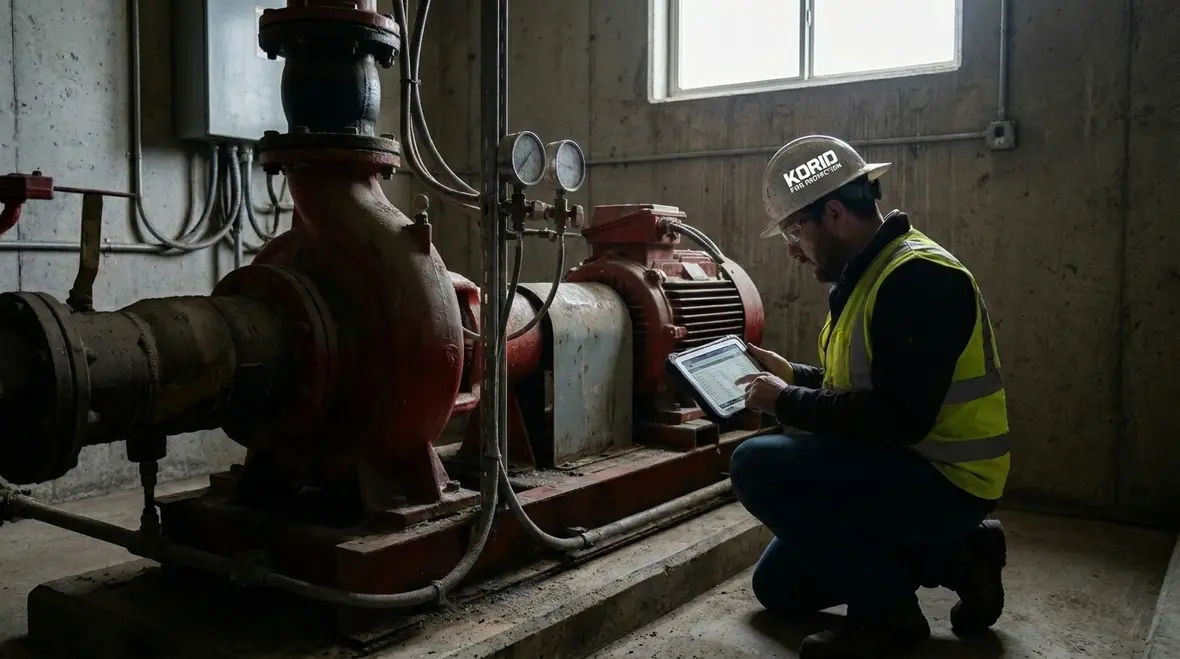
How the control system triggers starting and switching
Starting logic has to match real demand
When a water flow signal arrives, the control system must interpret it and act. NFPA 20 Section 4.3 expects that starting logic works as designed for automatic and manual operation. Typically, the system uses demand signals like a pressure switch, flow switch, or a controller input that indicates the fire pump should start. Then, it runs a sequence that starts the pump and confirms conditions.
In practice, facilities in Australia often face mixed setups across zones, buildings, and upgrades. So, the control panels may include older relays, newer electronics, and changed networking over the years. Yet, the logic in the fire pump operation requirements NFPA 20 still needs to match the intended behavior for the installation. If technicians adjust setpoints without a clear link to the code intent, the operation can become inconsistent.
Kord Fire Protection can help facilities keep the starting and switching logic aligned with current requirements. They support commissioning review, control panel checks, and documentation that shows what happens and when. As a result, operations teams can trust that when the system asks for water, the pump delivers it with fewer surprises.
Switching behavior should never be guesswork
Good operation is not just about starting once. It also includes how the controller handles state changes, demand persistence, and any switching that occurs as the pump moves from idle to active response. That is where tiny mistakes become oddly expensive. A controller that hesitates, resets poorly, or responds to the wrong signal can create confusion during testing and much bigger problems during an emergency.
Supervision, alarms, and what operators must be able to see
Clear visibility matters as much as pump horsepower
Fire pumps work in the background until the moment they do not. Therefore, supervision and alarms carry major weight in the fire pump operation requirements NFPA 20. The goal is simple: operators must get clear indications about pump status, fault conditions, and control states.
Supervision is not only about whether the pump is running. It also includes whether the system can start, whether signals make sense, and whether the controller detects abnormal conditions. If an alarm indicates a fault, the facility needs to understand what that fault means for pump readiness. Otherwise, alarms turn into noise, and noise becomes something ignored.
To make supervision useful, maintenance and testing must validate both the signals and the operator response. Kord Fire Protection can support this by aligning test procedures with the control points that matter. Then, facilities can document results in a way that keeps inspections smooth and keeps teams confident.
And yes, alarms should not feel like a slot machine. Pull the lever, hope for the best. In real fire pump systems, the lever should behave like a lever, not a lottery ticket.
Automatic and manual operation must stay consistent over time
Consistency beats tribal knowledge every time
Facilities rely on both automatic activation and manual control. NFPA 20 Section 4.3 requires that manual operation works correctly when operators need to intervene. Meanwhile, automatic operation needs to trigger without delay and without confusion. If manual and automatic modes behave differently, the facility risks inconsistent performance during real emergencies.
Over time, many things change: controllers get firmware updates, sensors age, and technicians may modify wiring during renovations. Consequently, the operation that was once correct can shift. Therefore, the key is to protect the functional intent through structured maintenance and verification.
Kord Fire Protection acts as a partner in that ongoing protection. They can help facilities build a maintenance rhythm that checks automatic start logic, confirms manual override behavior, and verifies that setpoints remain correct. In turn, operations teams do not have to rely on memory or tribal knowledge. They follow evidence-based procedures, and the equipment stays within safe boundaries.
Timers, sequence control, and the details that prevent failure
Small timing errors create big operational headaches
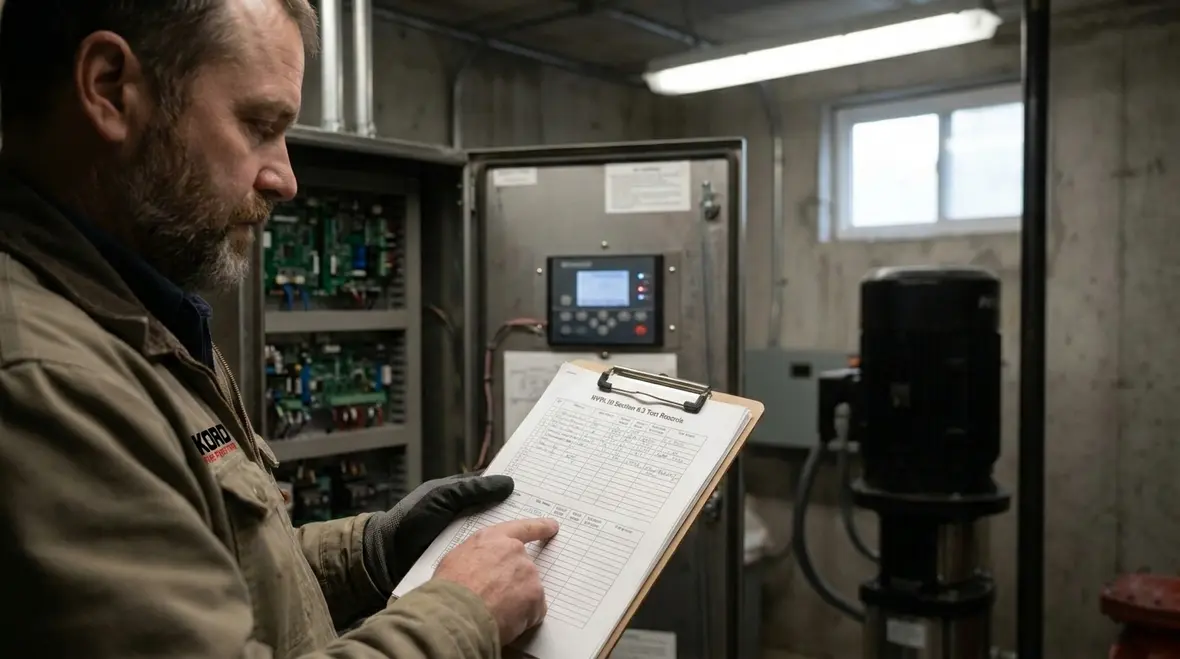
Even when a pump starts, sequence control can decide whether it performs as required. NFPA 20 Section 4.3 addresses the timing logic and operational sequences that govern how the pump transitions through states. For instance, controls may include time delays, restart logic, or sequence steps tied to fault clearing and acknowledgement.
These details matter more than most people expect. A small timing error can cause a pump to short-cycle, delay output, or fail to lock into the correct operating mode. And once sequence logic is wrong, troubleshooting becomes harder. Technicians may chase symptoms, while the actual cause sits in a timer setting or a control state transition.
Moreover, facilities across Australia handle different site conditions. Some installations face frequent demand tests. Others see long idle periods with occasional alarms. That means the controller’s sequence behavior has to remain correct regardless of how the system behaves day to day.
Kord Fire Protection can help verify sequence logic during testing and maintenance. That includes checking controller events, reviewing logs, and confirming the pump transitions through states as designed. When documentation stays current, teams can show a clear chain of responsibility and proof of compliance.
Testing, recordkeeping, and compliance that withstands real inspection
A pump that “runs” is not the same as a pump that proves compliance
Code compliance becomes meaningful when someone can demonstrate what happened, when it happened, and why it is still acceptable. NFPA 20 Section 4.3 ties the operational requirements to testable outcomes. Therefore, facilities should structure testing to validate the actual fire pump operation requirements NFPA 20, rather than just confirming that the pump “runs.”
Good testing focuses on operational behavior and control outcomes. That means test results should include evidence of correct starting, stable operation, alarm behavior, and sequence timing. Then, recordkeeping should connect the test work to the specific control points and setpoints involved.
Across industrial and retail sites, schedules can feel tight. Yet, the risk of skipping or rushing tests often shows up later as failures during compliance checks or unexpected faults. Kord Fire Protection helps reduce that risk by supporting consistent maintenance practices and clear reporting. As a result, facilities gain smoother inspections and faster troubleshooting when issues appear.
Building a smarter partnership with Kord Fire Protection
Support is most useful before the surprise inspection
Fire pump systems do not run themselves. They depend on disciplined service, correct testing, and timely corrections. That is why Kord Fire Protection can become a vital partner for facilities handling the fire pump operation requirements NFPA 20. They help teams manage the operational side of the system, not just the equipment.
When Kord supports a service job or ongoing maintenance, the facility benefits from clearer procedures, practical documentation, and a focus on control logic and readiness. Additionally, teams get support that helps them plan testing, reduce downtime, and maintain reliable operation in high demand situations. In short, Kord helps make compliance feel less like paperwork and more like peace of mind.
Because in the end, fire pumps should behave like dependable professionals. Not like understudies. Not like background extras. The pump runs the show.
FAQ
Final call to action
Fire pump operation should feel predictable, not mysterious. If a facility needs support translating NFPA 20 Section 4.3 into real, testable practice, Kord Fire Protection can help. They assist with operational checks, supervision validation, and service processes that support compliance and dependable performance across industrial, retail, and commercial sites in Australia.
Reach out now to review your current setup and strengthen readiness before the next inspection cycle. With the right support, control logic stays consistent, alarm visibility improves, testing becomes easier to defend, and the fire pump keeps doing the one thing everyone is counting on it to do when it matters.

Join Our Newsletter!
Get the latest fire safety tips delivered straight to your inbox From our Newsletter.