
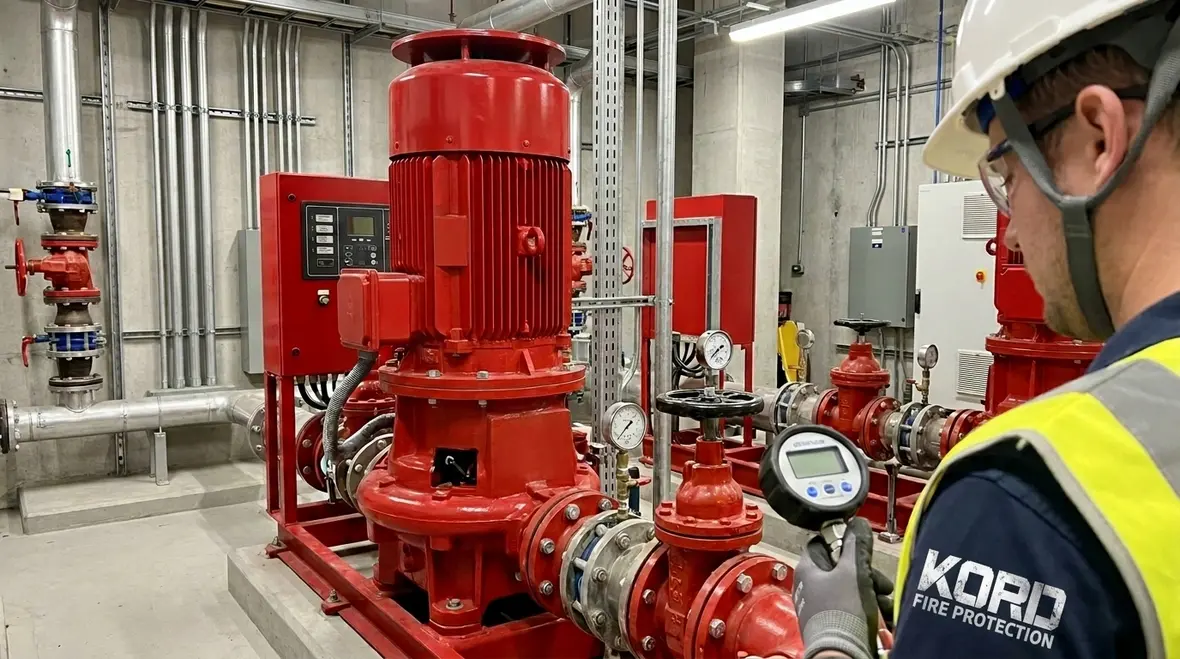
NFPA 20 Section 4.4 Fire Pump Performance Requirements
Quick answer: NFPA 20 Section 4.4 spells out how a fire pump unit must perform and how it must behave under rated conditions. It sets expectations for water flow, pressure, and stability so the system can protect people and property. Kord Fire Protection helps facilities verify compliance, not just hope for it.
When an industrial site asks its fire pump to do the heavy lifting, it needs more than a “looks good” inspection. In the first moments of a fire, pumps do not negotiate, and they do not improvise. That is why the fire pump performance requirements NFPA 20 become a practical checklist for engineers, contractors, and facility managers. Specifically, NFPA 20 Section 4.4 focuses on the unit performance and the rated conditions under which the pump must deliver reliable results.
Across Australia, that reliability matters for industrial plants, retail precincts, warehouses, and complex commercial facilities. And yes, the fire pump does not care that the site is “busy” or “mid shutdown.” So the best outcomes come when the service team plans ahead, tests properly, and documents everything like it will be needed later. Because it will be.
For facilities that want a practical service partner near the top of the process, Kord Fire Protection’s full fire protection services provide support that fits naturally into ongoing inspection, testing, and compliance planning. That matters because pump performance is rarely an isolated issue. It usually lives inside a broader system that needs to be coordinated, documented, and kept ready without turning every service window into an avoidable headache.
Understanding NFPA 20 Section 4.4 rated conditions
NFPA 20 Section 4.4 addresses the performance a fire pump unit must provide when operating at rated conditions. In plain terms, it sets the benchmark for what the pump should do under the conditions it was designed for. This includes things like flow and pressure relationships, expected behavior at specified points on the pump curve, and stability during operation.
Importantly, the “rated conditions” concept prevents the system from passing compliance on paper while failing in the field. If a pump performs differently than expected when the system calls for water, the entire fire response strategy weakens. Therefore, facilities should treat Section 4.4 as a verification target, not a vague reference.
Now, the pump is not alone. The fire pump system includes the driver, controller, valves, suction and discharge connections, and supporting equipment. As a result, performance testing and adjustments need to reflect the full setup, not just the motor sitting on a pad like a calm, silent sculpture.
Why rated conditions matter in the real world
The phrase sounds technical, but the practical meaning is simple. A fire pump has to deliver predictable output when demand arrives fast, not when circumstances are convenient. Rated conditions act like a reference point for truth. They show whether the system can perform under the load it was actually designed to handle, rather than under watered-down conditions that make the numbers look better than reality.
How pump performance gets measured under Section 4.4
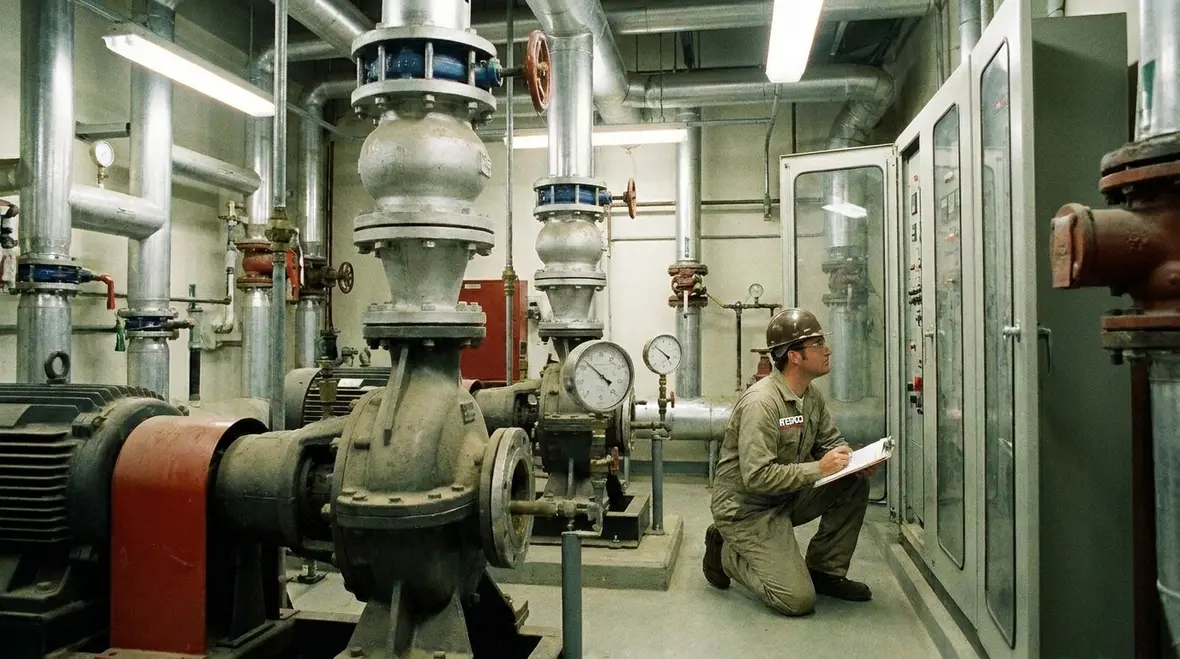
Section 4.4 performance expectations show up during testing because real measurements tell the truth. Typically, qualified technicians evaluate the unit under conditions that reflect the design intent and the rated operating points. They do not rely solely on nameplate ratings or manufacturer assumptions.
In practice, the key is aligning observed performance with the pump’s expected characteristics. That includes checking how pressure holds as flow increases, whether the pump maintains the required discharge pressure at the test flow, and whether the unit behaves consistently across the operating range.
In addition, the controller and monitoring must support correct operation during these tests. A fire pump controller that commands the wrong behavior can cause results to drift. Likewise, control settings, alarms, and interlocks play a role in what the pump actually delivers when the system runs.
One more thing: facilities should plan testing so the results connect to ongoing maintenance. Otherwise, compliance becomes a yearly event instead of a steady practice. And if a facility treats it like a yearly event, it will eventually learn that fire safety does not take calendar reminders.
What technicians are really looking for during testing
Good testing is not a theatrical performance where everyone nods at gauges and hopes for the best. It is a methodical review of output, pressure behavior, flow relationship, control response, and system stability. Teams want to know whether the pump ramps up correctly, holds steady, and produces results that match the intended curve. If anything feels off, even slightly, that is usually the moment to investigate before the next emergency makes the decision for everyone.
For additional context on the broader standard behind these expectations, Kord Fire Protection also breaks down the topic in How NFPA 20 Regulates Fire Pump Systems. That article pairs well with Section 4.4 because it connects the performance conversation to the wider design, installation, and compliance framework that surrounds the pump room.
Common gaps that cause performance to fall short
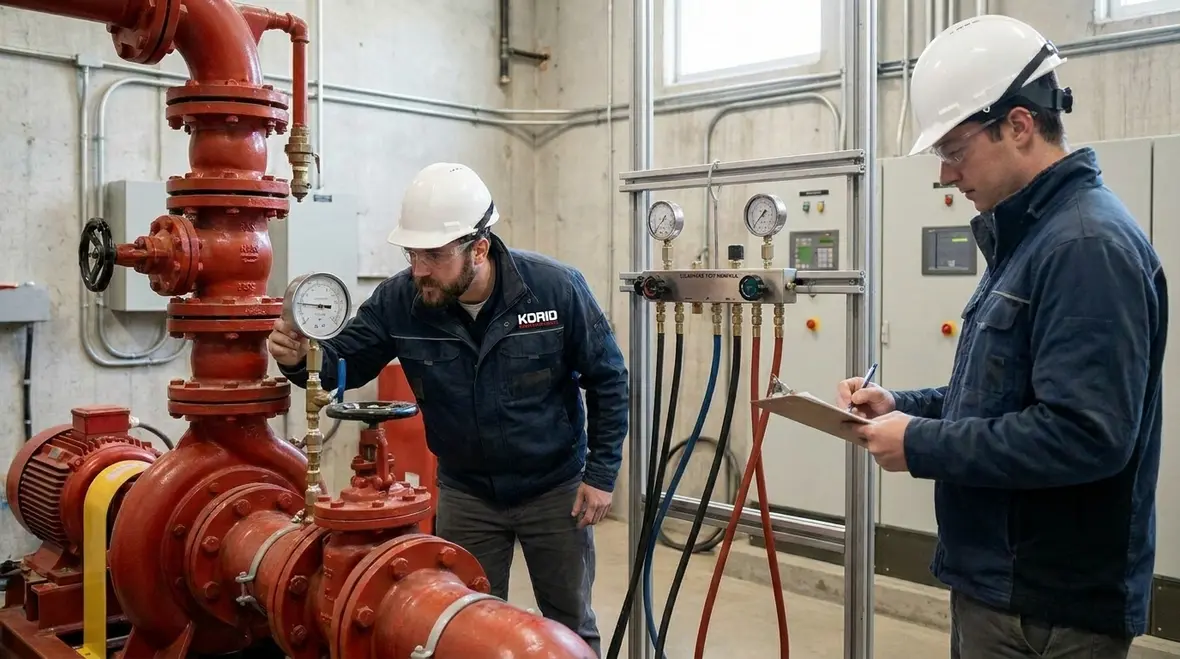
Even when equipment looks properly installed, performance issues can appear under tested conditions. That is where the gap often starts: between “installed” and “verified under rated conditions.” Here are typical contributors facilities see across commercial and industrial settings:
- Hydraulic changes: valve positions, added pipework, or changes in suction conditions can shift the system curve.
- Throttle and discharge setup: incorrect alignment or configuration can create pressure and flow mismatches.
- Driver calibration drift: adjustments or component aging can impact speed control and output.
- Suction issues: debris, air entrainment, and inadequate NPSH conditions can destabilise operation.
- Wear and tear: impeller wear, ring wear, and seal condition can reduce effectiveness over time.
Moreover, some facilities experience “performance surprises” after renovations. Even minor modifications can change flow paths. Consequently, Section 4.4 becomes the safeguard that catches drift before it becomes a problem during an emergency.
And yes, people sometimes treat these systems like background infrastructure. But when safety relies on water flow, background infrastructure turns into a main character. The pump has no patience for side plots.
Small changes that quietly become big problems
One of the trickiest parts of pump compliance is that systems can drift gradually. A valve gets left in the wrong position after service. A controller setting changes during troubleshooting. Wear builds slowly enough that nobody notices until a full test exposes it. These are not dramatic failures at first. They are quiet departures from the baseline. That is exactly why Section 4.4 matters so much. It forces the conversation back to measurable performance instead of assumptions and memory.
Testing, documentation, and compliance readiness
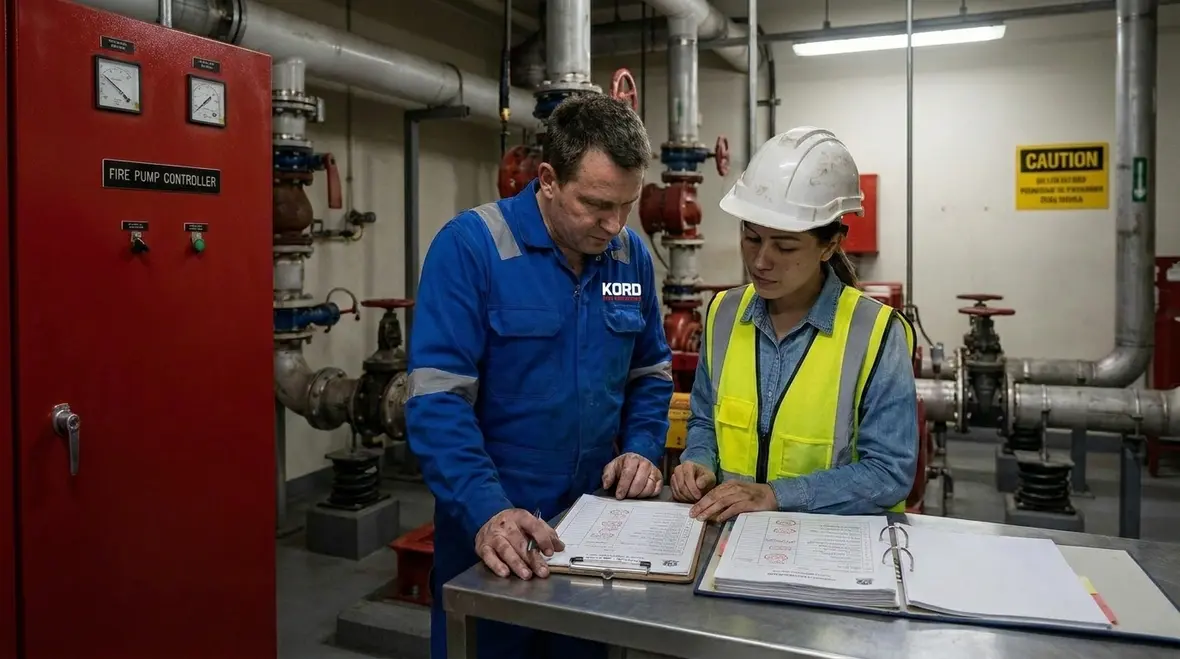
Successful verification does not end at testing. It continues through proper documentation and clear records that match the system’s installed configuration. For facilities, the goal is to show that the fire pump unit can deliver the expected results during rated conditions, in line with fire pump performance requirements NFPA 20.
Testing should include observation and measurement that match the specific configuration and operating intent. Then technicians should document findings in a way that helps future reviews. For example, records should show what conditions were used, what readings were observed, and whether performance aligned with the expected results.
This matters for ongoing risk management across Australia, because different sites face different inspection cycles, audit styles, and internal governance requirements. Facilities that keep organised records reduce the stress during compliance review and speed up the decision process for upgrades and corrective actions.
Also, documentation helps when a system needs tuning after seasonal changes, supply fluctuations, or equipment repairs. Instead of guessing, the team can compare current results to the last confirmed baseline.
Why records save time when pressure is already high
A well-kept test record does more than satisfy an auditor. It gives the next technician a map. It helps engineers spot long-term decline. It makes post-repair verification faster. It also reduces the all-too-common moment when someone asks, “What changed?” and the room answers with silence. In compliance work, organised documentation is not busywork. It is memory with receipts.
Why Kord Fire Protection becomes a vital partner for pump service
Facilities can own the equipment and still miss the bigger picture. That is where Kord Fire Protection can become a vital partner with this service and job. Kord Fire Protection supports clients by bringing practical expertise to verification, maintenance, and performance readiness, so the fire pump unit does not just meet paperwork expectations.
When Kord works with a site, it helps align technicians, engineers, and facility managers around what the pump must do under rated conditions. Then Kord helps manage service activities that protect performance over time, including checks that support reliable operation and adjustments that reduce drift. In addition, the team helps ensure the system’s documentation stays consistent, so compliance stays defensible.
Think of Kord as the calm professional who shows up before chaos and keeps it from arriving. In pop culture terms, it is the opposite of a late-night “we need it tomorrow” sprint. Instead, it is structured, measured, and ready for the real world where water flow happens whether anyone planned for it or not.
For industrial, retail, and commercial facilities across multiple facets of Australian operations, this partnership reduces downtime risk during service windows and improves confidence during audits. And because fire pump performance is not a one-and-done task, ongoing service planning becomes a steady advantage.
Serving industrial and retail facilities across Australia
Different occupancies create different constraints. Industrial sites often juggle process uptime, compressed maintenance windows, and water system complexity. Retail spaces face operational continuity concerns, tenant coordination, and the need for clear communication. Commercial facilities handle varied plant rooms, shared services, and change management from multiple stakeholders.
Therefore, the fire pump service approach should fit the site reality. Kord Fire Protection can coordinate testing and service so facilities protect operational flow while still meeting the NFPA 20 Section 4.4 intent. That includes planning around access, shutdown requirements, safety controls, and schedules that reduce disruption.
Moreover, facilities should connect pump performance verification to their overall fire strategy. Pump reliability supports sprinkler operation, hose demand, and emergency response plans. So if the pump underperforms, downstream systems do not magically compensate. The whole strategy weakens, like a team missing a key player and still expecting a trophy.
FAQ: fire pump performance requirements NFPA 20
Ready to verify performance and stay compliant?
Fire pump compliance should not feel like a last-minute scramble. Facilities in Australia can protect their assets by verifying performance under NFPA 20 Section 4.4 and maintaining the conditions that keep the pump reliable.
Kord Fire Protection helps coordinate testing, service, and documentation so the system works when it matters. Reach out to plan your next service window and lock in confidence before the next audit or shutdown cycle.

Join Our Newsletter!
Get the latest fire safety tips delivered straight to your inbox From our Newsletter.



