NFPA 20 Section 10.8 Fire Pump Transfer Switch Requirements
Fire pump power does not get to improvise. When a fire pump changes from one power source to another, that transfer has to be deliberate, supervised, and boring in the best possible way. NFPA 20 Section 10.8 exists to make sure the electrical side of the fire pump behaves with the kind of discipline that emergency equipment owes everybody in the building.
If your property team is reviewing power reliability, commissioning, or testing support, Kord Fire Protection also offers fire pump inspection services that fit naturally into transfer switch verification, controller review, and ongoing maintenance planning.
Quick Answer
NFPA 20 Section 10.8 sets how a fire pump power transfer switch must be built, supervised, and tested so the pump gets reliable power when it matters. It covers transfer behavior, wiring, interlocks, and control logic. Kord Fire Protection can support compliance, commissioning, and ongoing maintenance across facilities that need dependable fire pump power performance.
NFPA 20 Section 10.8 and what it means for transfer behavior
When a fire starts, time behaves like a bad sitcom: it runs longer than anyone planned. That is why the fire pump transfer switch requirements in NFPA 20 Section 10.8 exist. In simple terms, Section 10.8 controls how power moves between sources so the fire pump keeps running and the system stays in a safe, predictable state.
Typically, the goal is consistent pump performance even during source changes. Therefore, facilities need switches and control circuits that prevent the wrong power from reaching the pump. Moreover, they need supervisory signals that show operators what the system is doing, not what it hopes to do.
From a commercial and industrial standpoint, this becomes more than a code checklist. It becomes a practical reliability plan across sites with generators, multiple utility feeds, and complex switchboards. And yes, the switch must do its job without acting like a “mystery button” that works only when it feels like it.
Why the transfer sequence matters more than people think
A fire pump is not just another motor load on the site. It supports the water supply pressure for life safety systems, which means a sloppy transfer event can ripple through the rest of the protection setup. If the power source shifts too aggressively, too slowly, or without the right logic checks, the result can be confusion, interruption, or unsafe conditions at exactly the wrong time.
That is why transfer behavior must be treated as part of the operational intent of the fire pump system, not as a side quest hidden in the electrical drawings. It also ties closely to the broader way NFPA 20 regulates fire pump systems, especially when power arrangements, controllers, and emergency operation all have to agree with each other.
How the switch and control circuits protect the pump
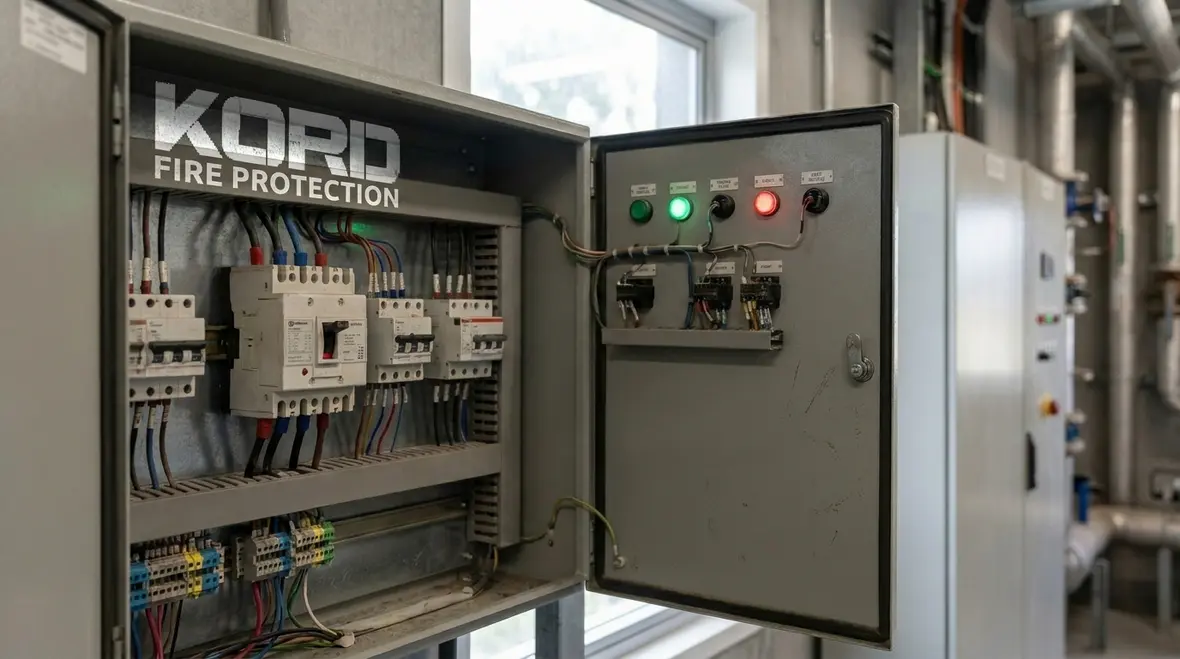
Under NFPA 20 Section 10.8, the fire pump power transfer setup must protect the pump against unsafe or disruptive switching. The transfer device, along with its control and interlocks, must ensure that only the correct source powers the fire pump motor.
To achieve this, designers and installers plan for several layers of protection:
- Interlocks that prevent simultaneous connection to more than one source
- Proper supervision so faults do not go unnoticed
- Wiring practices that keep the control logic stable and traceable
- Correct timing and sequencing during transfer events
Also, the system has to handle abnormal conditions. For instance, if a source drops out or voltage quality changes, the control system must respond in a way that supports continued fire pump operation. In other words, it should not “panic switch” like a trainee driver switching lanes without checking mirrors.
This is where installation detail matters. A transfer switch can look perfectly respectable on paper and still create headaches if terminal identification is sloppy, field wiring is inconsistent, or the control logic no longer matches the approved sequence. The pump will not care that the drawing set once looked organized. It will care whether the electrical path is correct in the moment it needs to start and stay online.
Supervision, indicators, and why operators need clear answers
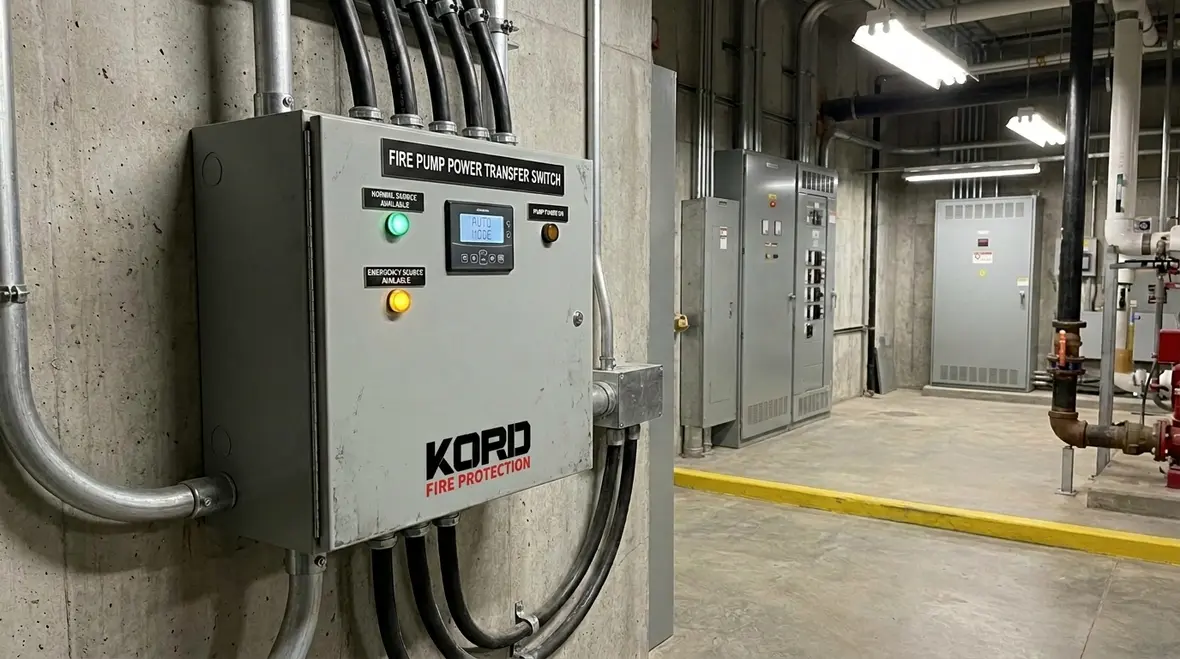
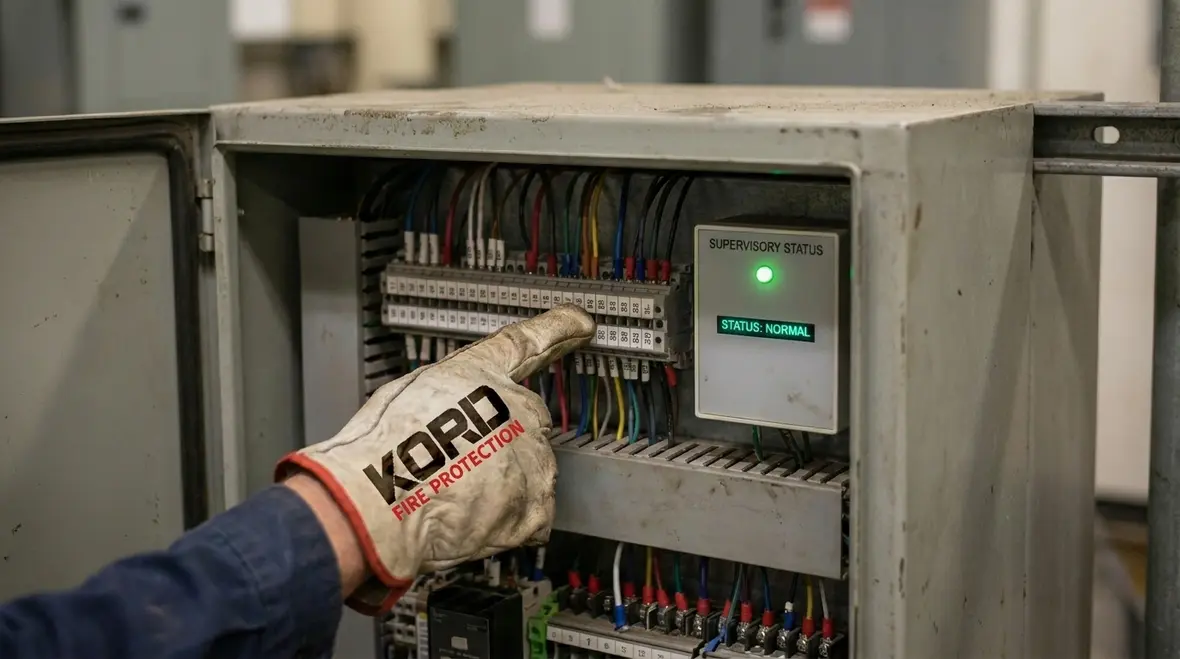
NFPA 20 Section 10.8 does not just care about the switch hardware. It also focuses on supervision and visibility. Therefore, facility teams must receive reliable indications about switch position and operating status.
When properly implemented, supervision reduces the gap between “the system should work” and “we know it will work.” That is crucial for sites with night shift operations, remote buildings, or complex occupancy arrangements.
Clear status signals help with three key outcomes:
- Faster troubleshooting during scheduled testing
- Better decision making during emergency response
- Reduced downtime after a fault event
And when the system communicates clearly, people stop guessing. In fire protection, guessing is like using a kitchen timer to measure steam pressure. It might be fun, but it is not dependable.
What good supervision looks like in the field
Good supervision gives operators direct, useful answers. Which source is connected? Did the switch complete the transfer? Is there a fault in the control circuit? Is the controller seeing the same position the hardware is actually in? Those are the kinds of answers that reduce delays during inspections and emergencies alike.
The more complex the site, the more valuable that clarity becomes. Multi-building facilities, generator-backed systems, and older properties with upgraded switchgear all benefit from indications that are easy to interpret under pressure. Nobody wants a panel that delivers the emotional experience of a crossword puzzle during an alarm event.
Interlocks, source selection, and avoiding unsafe power overlap
One of the most important themes in the fire pump transfer switch requirements is avoiding power overlap. If the transfer switch allows a condition where both sources can feed the pump, it can create dangerous electrical states. It can also increase the risk of nuisance failures, which facilities do not want during drills, let alone real incidents.
To reduce that risk, engineers design transfer schemes that ensure:
- Interlocks stop the control from energizing more than one path
- Switch positioning matches the control commands
- Control circuits remain consistent during disturbances
Additionally, the system should handle sequencing in a controlled way. For example, if a generator becomes available, the transfer logic must verify readiness before connecting the fire pump. Likewise, if the normal source returns, the system must transfer back without creating instability.
When done right, the transfer behaves like a disciplined gatekeeper. When done wrong, it behaves like a busy intersection during rush hour. No one wants that, especially when alarm panels start raising the drama.
Installation quality and commissioning steps that prove compliance
Even the best design can fail if installation quality slips. Therefore, teams must treat commissioning as part of the life safety system, not a final formality.
During commissioning for the fire pump power transfer switch, Kord Fire Protection can support a process that typically includes:
- Verification of wiring accuracy and terminal identification
- Functional testing of transfer sequencing and timing
- Verification of interlock operation under simulated source changes
- Confirmation of supervisory signal behavior
- Review of fault indications and reset logic
Moreover, commissioning should align with site realities. Facilities often have existing switchgear, legacy control panels, and integration requirements with building management systems or generator control. Accordingly, the commissioning plan needs to validate how the fire pump transfer switch performs in the real electrical environment.
This is where Kord Fire Protection becomes a vital partner. It helps coordinate documentation, testing, and compliance evidence so the facility gets a system that not only meets code language, but also performs reliably in day-to-day operations. That practical testing mindset aligns well with Kord Fire Protection’s guidance on fire pump testing requirements, where documentation, observed behavior, and recurring verification all matter.
Commissioning should test real behavior, not just paperwork
A transfer switch passes the real-world test when the electrical sequence, controller response, and supervisory outputs all agree under simulated conditions. If one part of that chain behaves differently than expected, the issue should be corrected before the site relies on the system. The best commissioning programs do not merely confirm that the switch moved. They confirm that it moved correctly, reported correctly, and left the pump in the intended operating condition.
Common problem areas facilities should watch
Facilities across retail, commercial, and industrial sectors sometimes discover issues during annual testing, upgrades, or after power events. Consequently, it helps to know where problems often show up.
Typical weak points include:
- Control wiring errors that make supervision misleading
- Interlock tuning or adjustment that breaks intended sequencing
- Incorrect settings tied to source availability logic
- Inadequate labeling, which slows response and maintenance
- Fault indicators that do not correlate with actual switch position
Also, some teams confuse “it moved” with “it moved correctly.” A transfer might occur, but if the sequencing, supervision, or isolation logic does not match the NFPA 20 Section 10.8 intent, the system can create operational uncertainty. And uncertainty is the enemy of fast emergency response.
Another common issue is documentation drift. Drawings may describe one sequence while field adjustments have quietly changed another. Months later, a technician opens the panel, sees a behavior that does not match the record set, and everyone suddenly discovers that “as-built” was more of a personality type than a factual statement. Keeping records updated is not glamorous, but it is one of the clearest ways to avoid repeat problems.
FAQ: fire pump transfer switch requirements
Conclusion: make transfer reliability a planned service, not a surprise
NFPA 20 Section 10.8 demands fire pump transfer behavior that stays safe, supervised, and dependable when electrical conditions change. To keep your site compliant and ready, facilities should schedule proper commissioning and ongoing testing.
Kord Fire Protection can help manage installation verification, functional checks, and service documentation across commercial and industrial environments. If you want fewer “mystery failures,” reach out to Kord Fire Protection today.

Join Our Newsletter!
Get the latest fire safety tips delivered straight to your inbox From our Newsletter.