NFPA 20 Fire Pump Standby Generator Requirements
Quick Answer
NFPA 20 fire pump standby generator requirements call for an on site generator that starts automatically when normal power fails, has a dependable fuel supply, and is installed with proper interlocks and testing. In Australia, Kord Fire Protection can guide design install and ongoing service to ensure compliance and uptime for industrial retail and commercial facilities.
For a broader look at code expectations around pump power, layout, and compliance, see How NFPA 20 Regulates Fire Pump Systems. If your site also needs practical support beyond design review, Kord Fire Protection’s fire pump expertise pairs naturally with generator planning and long term system reliability.
NFPA 20 Section 9.6 Overview
In the world of critical facilities access and safety, on site standby generators for fire pumps play a leading role. NFPA 20 Section 9.6 sets the bar for what is needed on site to keep fire pumps powered during outages. The rules emphasize automatic start under loss of power, reliable fuel, proper supervision, and a clear path to maintenance and testing. For Australian sites handling large loads or demanding duty cycles, these requirements translate into a dependable shield against power interruptions that could jeopardize life safety and property.
What NFPA 20 Section 9.6 Covers
- Automatic starting and uninterrupted run time when normal power fails
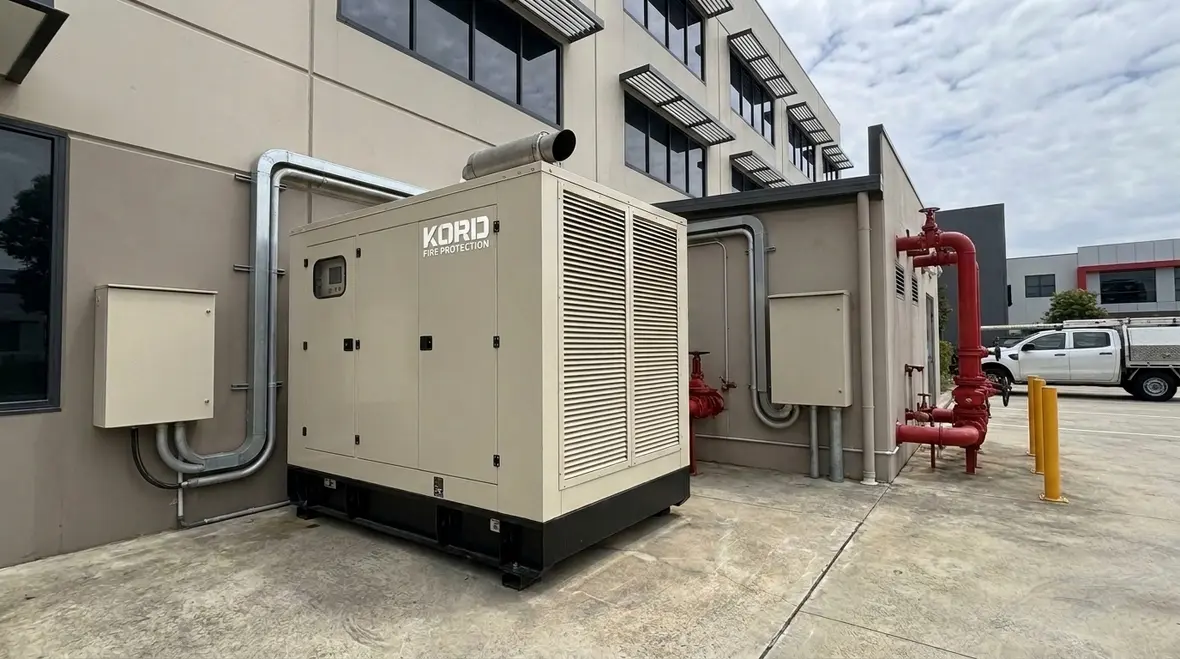
- On site location and secure housing for the standby generator
- Adequate fuel supply with acceptable storage and isolation methods
- Interconnection with the fire pump system and automatic transfer switch logic
- Regular testing including simulated outages and load acceptance checks
- Clear documentation and record keeping for compliance audits
Design and Installation Considerations
Choosing the right size for the on site standby generator is a balance between the fire pump’s starting surge and the ongoing running load during an outage. NFPA 20 fire pump standby generator requirements guide this sizing to ensure the pump starts without delay and runs long enough to complete its duty cycle. In Australia the local environment adds factors such as ambient temperature, dust, and humidity which affect air intake and cooling. Designers must plan for a robust fuel system whether diesel or gas diesel engines, a reliable automatic transfer switch that communicates instantly with the pump, and a sound-attenuated enclosure that respects neighbors and workers. Clearances around the unit, exhaust routing, and fire rated enclosures are non negotiable. Finally, the layout should allow quick access for maintenance and testing without disturbing normal operations.
Operational reliability comes from thoughtful integration. The electrical interface must coordinate with building management systems and fire protection zones. Regular testing should mirror real world events to confirm that the generator will start and sustain the fire pump under worst case conditions. In practice this means scheduling weekly checks of oil fuel and battery systems and annual load tests that run the pump through its typical duty cycle. When design teams align with NFPA 20 fire pump standby generator requirements, facilities in industrial and commercial sectors across Australia gain a dependable shield against outages.
Why Transfer Switch Coordination Matters
A standby generator is only half the story if the transfer logic stumbles when utility power disappears. The handoff between normal power and emergency power needs to be immediate, predictable, and properly supervised so the fire pump controller gets what it needs without hesitation. That is the part nobody notices when it works and everybody notices when it does not, which is a rather dramatic way for electrical coordination to ask for attention.
Kord Fire Protection as a Vital Partner
Kord Fire Protection brings the practical experience and local know how to turn NFPA 20 fire pump standby generator requirements into a smooth operational reality. From initial consultation through installation and ongoing service they prioritize reliability, code compliance, and fast response when questions arise. They translate complex standards into clear plans for Australian facilities across sectors such as manufacturing retail campuses and logistics hubs. With Kord on the team clients gain a partner who can coordinate design approvals wire the system correctly perform testing and keep all paperwork up to date for audits. In short they help your project avoid delays and downtime and they make the whole process feel as steady as a seasoned storyteller delivering bad news with a calm voice and a touch of reassurance.
Maintenance and Testing Practices
Maintenance under NFPA 20 is not a one and done task. It is a discipline of regular checks that protect a facility when the lights go out. Routine inspection of the generator battery start system lubrication and cooling systems keeps the engine ready. Fuel quality and storage arrangements should be monitored for contamination and degradation. Weekly surface checks and monthly run tests verify that the transfer switch engages cleanly and the fire pump responds to an outage. Annual load testing ensures the system can handle the actual demand without stalling. Documentation of every test and service creates a trusted audit trail that supports safe operation and quick resolution of any issues.
A Practical Testing Mindset
The best testing programs do not just tick boxes. They recreate realistic operating conditions, confirm that controls behave properly, and reveal small issues before they grow teeth. A clean test record today can save a very uncomfortable conversation during an audit tomorrow.
Dual Column Snapshot
Column A
- Reliable automatic start on loss of power
- Proper placement and ventilation of the generator
- Regular testing and maintenance cycles
Column B
- Inadequate fuel management and potential outages during testing
- Poor interconnection with the fire pump and transfer switch
- Missing or incomplete documentation for compliance
Frequently Asked Questions
Conclusion
Securing on site standby generators for fire pumps under NFPA 20 Section 9.6 means more than a box of parts. It is a commitment to safety reliability and peace of mind for Australian industrial retail and commercial facilities. With Kord Fire Protection as a trusted partner the journey from design through maintenance becomes steady and true right up to the moment when power returns and everything keeps running as it should.

Join Our Newsletter!
Get the latest fire safety tips delivered straight to your inbox From our Newsletter.