NFPA 20 Water Mist Pump Requirements and Kord Fire
For a broader look at how these requirements fit into pump design and compliance, see how NFPA 20 regulates fire pump systems.
Quick Answer
NFPA 20 Section 8.3 sets clear rules for water mist system pumps including sizing, power supply, and testing. It requires a reliable primary pump, a standby unit, a solid water source, and routine checks. For Australia’s industrial and commercial sites, Kord Fire Protection can become a vital partner to meet these standards with confidence and calm efficiency.
Understanding NFPA 20 water mist system pump requirements
NFPA 20 water mist system pump requirements focus on delivering reliable fire control under pressure. The standard calls for a primary pump backed by a standby pump, all tied to a robust water supply. Automatic starting and remote monitoring help ensure the system responds even when power fails. In practice, this means engineers must perform careful hydraulic calculations and design resilient electrical feeds to sustain operation during a fire event.
In Australia the approach mirrors these core ideas while aligning with local regulations. Experts translate NFPA concepts into practical designs that meet site realities, ensuring minimal downtime and maximum protection for people and assets in industrial plant, retail centers, and commercial facilities.
Key design factors for water mist pump systems
- Reliable water supply capable of sustaining full pump demand
- Redundant power and control systems to ride out outages
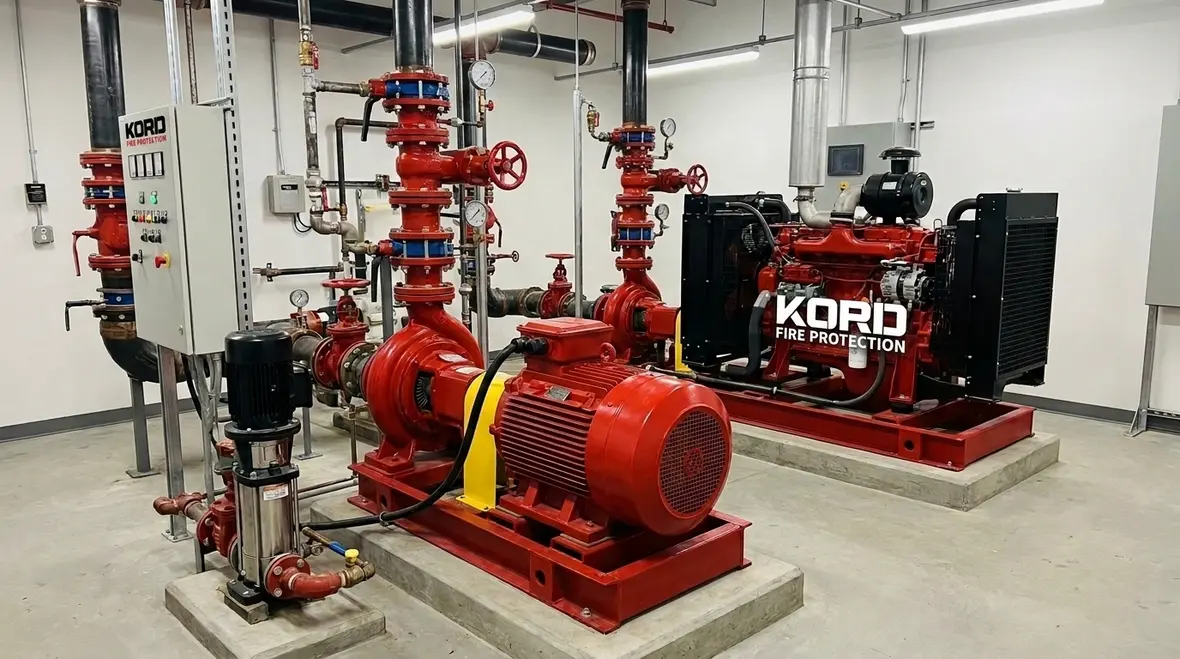
- Primary and standby pump arrangements with automatic transfer
- Jockey or small booster pumps to keep pressure stable between calls
- Clear testing and maintenance plans to keep performance stable
Choosing the right combination reduces risk and supports compliance with NFPA 20 water mist system pump requirements. Facility managers in Australia benefit from choosing proven equipment and qualified installers who understand the balance between cost and safety.
Pump types and how they operate
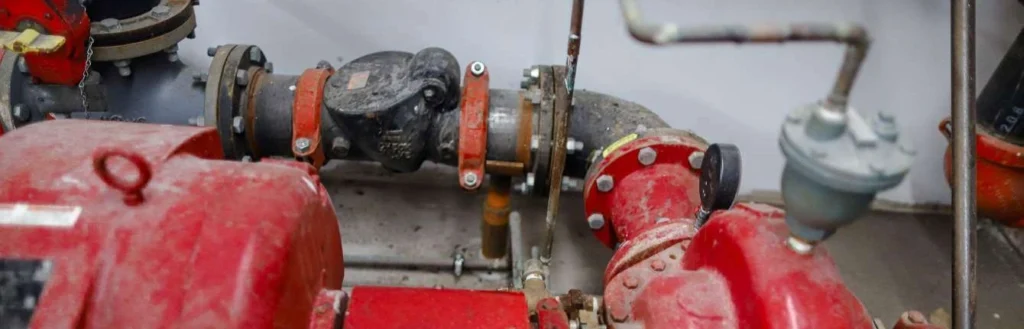
Electric motors drive most primary pumps, delivering consistent flow on demand. Diesel engines serve as a robust backup where grid reliability is a concern or where long power outages are possible. A jockey pump keeps pressure steady in the system and minimizes the wear on larger pumps. The layout should allow automatic start, remote signaling, and straightforward shut down when the job is done.
Designers must also consider priming, NPSH requirements, and corrosion protection, all while keeping maintenance practical and affordable. When done right, the system responds quickly with minimal delay, giving occupants a margin of safety and time to exit or fight the fire with confidence.
Compliance and testing practices
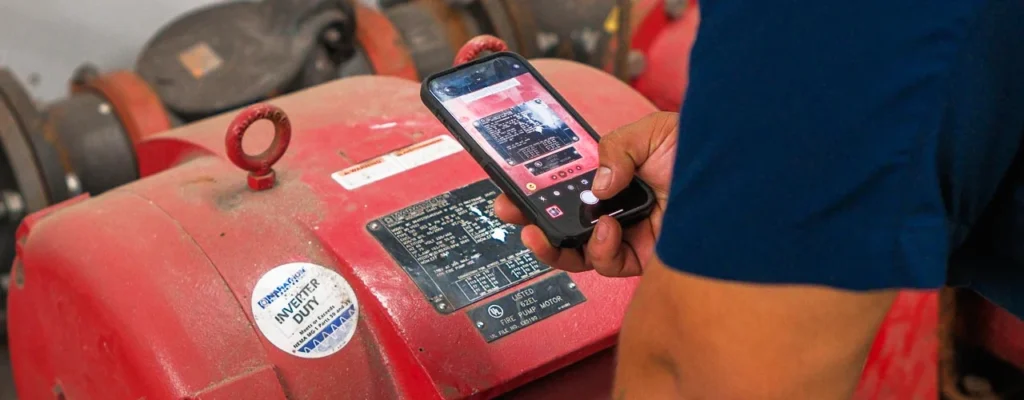
Regular testing is essential to satisfy NFPA 20 water mist system pump requirements. Routine inspections verify water supply, pump running sequences, and alarm signaling. Annual hydraulic tests prove that the system can deliver the required flow at pressure. Documentation should track maintenance, parts replacement, and any performance notes from field tests.
In the Australian context, site audits ensure the design remains aligned with local codes while honoring NFPA 20 principles. A disciplined testing cadence protects people, protects property, and keeps insurance and certification on track.
Why Kord Fire Protection is a vital partner
Kord Fire Protection brings deep experience in implementing NFPA 20 water mist system pump requirements for industrial, retail, and commercial facilities across Australia. Their team translates complex standards into practical, cost effective solutions. They handle design, installation, commissioning, and ongoing maintenance with a calm, confident hand. By aligning with NFPA 20 water mist system pump requirements, Kord helps facilities achieve reliable protection and peace of mind.
When a facility manager asks for dependable outcomes, Kord Fire Protection answers with tested methods, clear communication, and a proven track record. Their approach keeps projects on schedule and within budget while maintaining strict safety standards.
Teams planning commissioning and verification can also review AS 2941 fire pump acceptance testing in Australia for added local context.
Implementation Snapshot
- Site assessment and risk review
- Hydraulic calculations and pump selection
- Power and control system design
- Equipment installation and interconnections
- Commissioning and performance verification
- Operator training and handover
- Maintenance planning and spare parts
- Documentation and compliance records
Frequently asked questions
Conclusion and call to action
NFPA 20 water mist system pump requirements set a clear path to reliable protection. For Australian sites in industry, retail, and services, a careful design paired with robust testing creates a calm line of defense. Kord Fire Protection stands ready to partner on design, installation, commissioning and ongoing care. Contact Kord Fire Protection today to discuss tailored solutions that meet NFPA 20 water mist system pump requirements and keep your facilities safer tomorrow.

Join Our Newsletter!
Get the latest fire safety tips delivered straight to your inbox From our Newsletter.