NFPA 20 Chapter 8 Positive Displacement Fire Pump Requirements
Quick Answer: NFPA 20 Chapter 8 covers positive displacement fire pumps for special hazard systems, including fire scenarios where water flow patterns and control must match the hazard. Kord Fire Protection supports these projects by helping facilities plan, install, commission, and maintain systems so the pumps perform when the building needs them most.
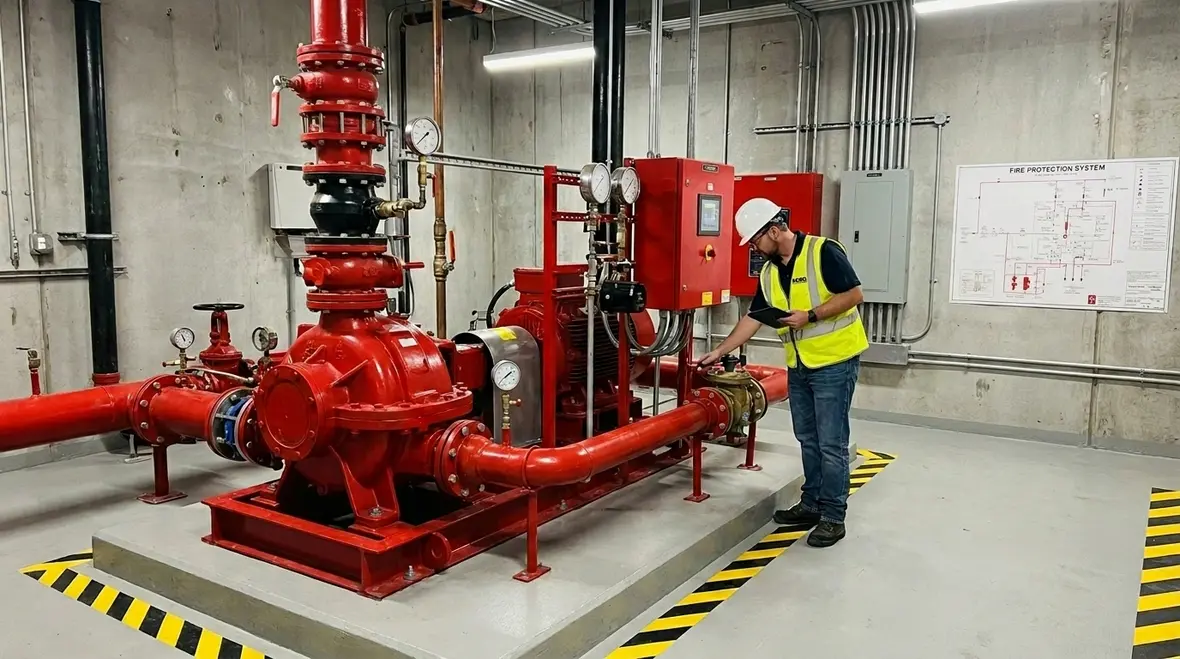
NFPA 20 Chapter 8 sets out positive displacement fire pump requirements for special hazard protection, where the hazard demands precise delivery and stable pressure. In the real world across industrial sites, retail facilities, and critical commercial buildings, these requirements do not live on paper. They show up in pump selection, controller settings, testing, and ongoing service. And yes, that means someone has to do the job properly, not just “get close.” After all, fire protection systems do not grade on a curve.
Near the start of any project, it also helps to connect the pump conversation to broader system support. Facilities that need coordinated sprinkler, alarm, extinguisher, and pump work can benefit from full fire protection services that keep compliance, scheduling, and readiness tied together. That is especially useful when a special hazard installation involves more than one trade and more than one opportunity for confusion.
NFPA 20 Chapter 8: what Chapter 8 demands for special hazards
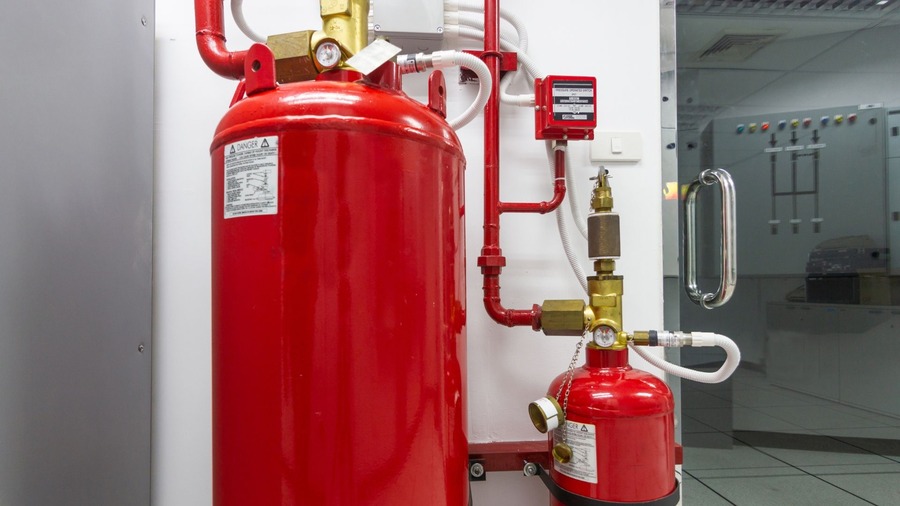
Chapter 8 focuses on fire pumps that use positive displacement technology to deliver water in a predictable way, even when conditions change. Therefore, the positive displacement fire pump requirements in NFPA 20 guide how the system must be arranged, monitored, and verified. Unlike systems where flow can swing widely, positive displacement setups target control and repeatability, which matters when a special hazard expects a specific response.
In addition, Chapter 8 aligns the pump and its system components with the hazard it protects. That means designers and contractors must treat the pump as part of a complete delivery system, not as a standalone machine. The pump, controls, monitoring, and downstream application all have to agree with each other. If one part of that chain is off, the entire protection strategy can lose its reliability at the exact moment it is supposed to look brilliant.
Why this chapter matters in actual facilities
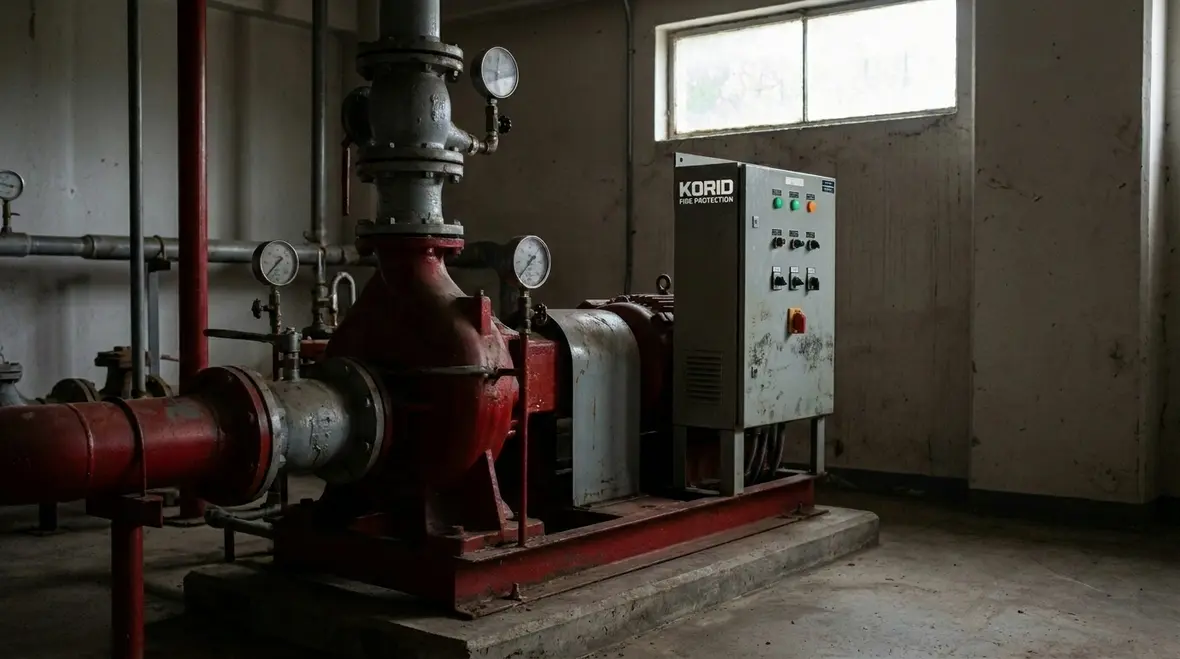
Special hazard systems are rarely forgiving. They tend to protect spaces, processes, or assets where an inconsistent water supply can create real performance problems. So while general pump conversations often drift into broad theory, Chapter 8 pushes teams back toward practical alignment. What does the hazard need? What must the pump deliver? How does the control sequence support that outcome? Those are the questions that keep the design grounded in reality rather than wishful thinking.
Positive displacement operation: why stable delivery matters
When a special hazard releases or activates, the system must respond fast and behave consistently. Consequently, positive displacement fire pump systems aim to maintain dependable output characteristics, supporting stable discharge conditions. This stability can reduce the surprise factor that sometimes hits when pressures and flows drift during real emergencies.
Moreover, many special hazard environments involve process risks where water application must match expected performance. Therefore, the pump must integrate with the rest of the system, including controls and detection logic, so the hazard receives the right delivery at the right time. In a sense, the pump becomes the steady metronome while the rest of the protection system plays its part.
That steady behavior also affects confidence during review and testing. Operators do not just want a system that technically exists. They want one that acts the same way every time it is evaluated, because repeatability supports better records, cleaner diagnostics, and faster troubleshooting. A pump that performs predictably is much easier to trust than one that behaves like it woke up on the wrong side of the controller cabinet.
Key installation and design elements for compliance
Compliance does not happen by accident. It comes from correct design choices, correct installation, and correct commissioning. Under NFPA 20 Chapter 8, the setup needs to support the pump’s intended performance and the system’s ability to start and operate as required.
Critical items typically include pump arrangement, suction and discharge connections, control integration, and reliable power and switching logic. At the same time, the system needs proper monitoring and protection so operators can trust what they see. If a facility tries to wing it on layout or neglects the control interface, the outcome can resemble a theme song that plays at the wrong time. Funny once. Dangerous always.
Installation quality also shapes future serviceability. Clear access, readable labeling, organized controls, and clean documentation make inspections easier and reduce confusion years later. That may not sound glamorous, but in life safety work, glamorous usually takes a back seat to “works correctly when everyone is stressed.”
Design coordination points teams should not ignore
- Match pump behavior to the protected hazard rather than selecting equipment in isolation.
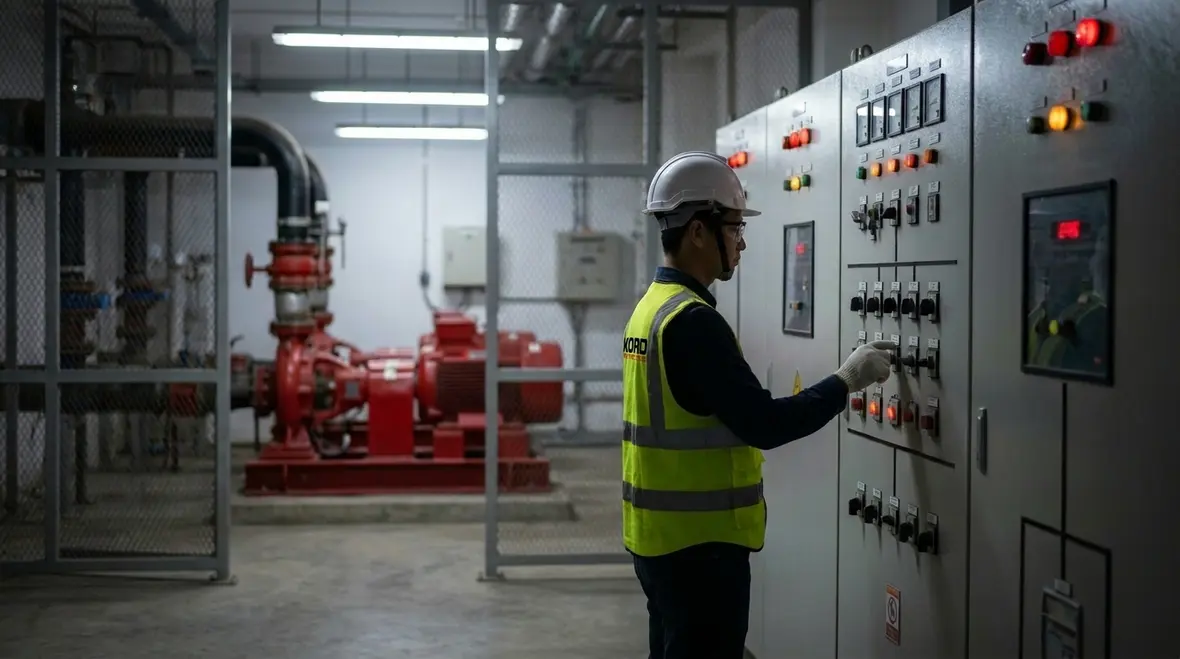
- Coordinate controls with valves, alarms, and detection logic before commissioning day arrives with opinions.
- Confirm power supply and switching logic support dependable startup and operation.
- Document settings, sequences, and test expectations so service teams are not forced into detective work later.
Commissioning and testing: proving the system performs, not just exists
Once installed, the system must be commissioned and tested to confirm it meets the positive displacement fire pump requirements in practical terms. Testing validates that the pump starts correctly, delivers as expected, and maintains the control response the system depends on during a demand scenario. Additionally, the commissioning process checks that alarms and supervisory signals route properly to panels and notification paths.
This is also where a broader understanding of how NFPA 20 regulates fire pump systems becomes useful. Chapter 8 does not sit in a vacuum. Teams benefit when they understand how pump requirements, power expectations, control logic, and verification practices work together instead of treating each issue like a separate island.
For many facilities, this stage separates paper compliance from real-world reliability. A good test plan reflects the hazard design intent, checks expected sequences, and records enough detail to support future inspections. That matters because acceptance day is not the finish line. It is the first moment the system has to prove that all the decisions made before then were not just decorative.
Facilities that already prioritize structured testing often connect this work with fire pump inspection and maintenance planning. That approach mirrors the practical focus seen across Kord Fire Protection’s fire pump testing content, where routine verification and documented performance are treated as part of readiness, not as optional extras for unusually motivated building owners.
Where Kord Fire Protection becomes the vital partner
A fire pump project touches multiple disciplines: design review, installation coordination, control interface work, acceptance testing, documentation, and long term service. Therefore, having a dedicated partner matters. Kord Fire Protection works with industrial, retail, and commercial facilities to keep the system dependable from day one through the years that follow.
First, Kord can support early planning so the system design aligns with the hazard, not just the equipment. Then, they assist during installation and commissioning to help confirm performance before the site moves on to other construction tasks. Finally, they provide service strategies that help maintain reliability during real use and real inspection cycles.
Put simply, when Kord becomes involved, the facility gains a calmer process. And in fire protection, calm is not laziness. It is preparation.
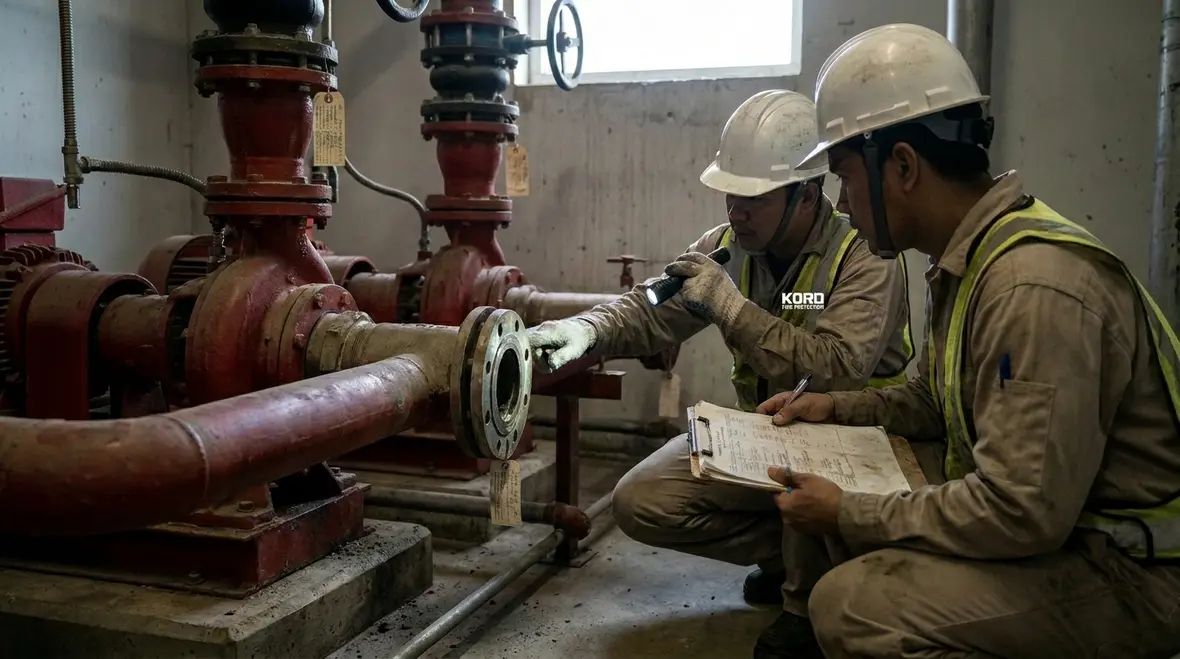
Maintenance planning for long term reliability
Even a well-installed system needs consistent maintenance to stay ready. Over time, components can drift from original conditions due to wear, water chemistry, environmental factors, or changes to the facility. Thus, a maintenance plan should address checks that preserve system performance and control accuracy.
In addition, scheduled service supports continuity across multiple sites, which many businesses manage through regional operations. This matters because a fire pump system does not benefit from remembering later. Instead, planned service and documented outcomes help facilities demonstrate readiness and maintain insurer and regulatory confidence.
Kord Fire Protection can help facilities create service routines that fit real operations. Therefore, maintenance becomes a managed task rather than a recurring emergency. That idea aligns closely with Kord’s broader discussion of proactive maintenance for fire pump system reliability, where the goal is to catch small issues before they become expensive stories everyone has to retell in the next budget meeting.
What strong maintenance planning usually includes
- Scheduled inspections tied to the pump, controls, and related system components.
- Performance checks that compare current conditions against expected operation.
- Documentation that helps future technicians spot trends instead of starting from zero.
- Coordination with site operations so testing and service happen without unnecessary disruption.
Common project pitfalls and how to avoid them
Many problems originate early, even before the pump starts for the first time. One frequent pitfall involves mismatched expectations between the hazard design and the pump control behavior. Another occurs when teams overlook how the pump interfaces with detection, valves, and control panels.
Additionally, incomplete documentation can slow approvals and complicate future service calls. Meanwhile, rushed commissioning sometimes fails to capture issues that only show up under test conditions. Consequently, facilities end up chasing fixes after acceptance, which nobody wants. It is like discovering your contractor used the wrong paint after you already moved into the room.
To avoid these issues, facilities should coordinate design intent, installation details, and testing steps. Kord Fire Protection can support that coordination so the final system matches the required performance and the real hazard needs. When teams slow down just enough to align the details, they usually save far more time than they spend.

FAQ: positive displacement fire pump requirements
Ready to protect your special hazard system?
When facilities need NFPA 20 Chapter 8 compliance and stable performance from their fire pump system, they should not treat the job like a last minute task. Kord Fire Protection helps teams plan, commission, and maintain the solution so it performs during real demand. That support becomes especially valuable when the hazard is specialized, the schedule is crowded, and everyone on site would prefer fewer surprises and fewer emergency meetings.
Contact Kord Fire Protection to review your project needs and build a service plan that keeps reliability front and center. With the right planning, testing, and follow-through, positive displacement fire pump requirements become more than a code topic. They become part of a system that is actually ready to do its job when the building needs it most.

Join Our Newsletter!
Get the latest fire safety tips delivered straight to your inbox From our Newsletter.