NFPA 1900 Sections 8.16 to 8.19 Traffic Safety Equipment
Quick Answer
NFPA 1900 Sections 8.16 to 8.19 set the bar for traffic safety equipment on fire apparatus, helping crews stay visible, control scenes, and protect responders and the public. For industrial, retail, commercial, and facility teams across Australia, these rules support safer roadside operations, faster setup, and fewer close calls. Kord Fire Protection can help make compliance feel less like paperwork and more like real world protection.
Fire scene traffic safety requirements NFPA matter because a fire truck parked in the wrong way can turn a bad day into a worse one. In the first minutes of an incident, visibility, lane control, and clear warning signals can save lives. NFPA 1900 Sections 8.16 to 8.19 focus on the tools and setup fire apparatus need to manage traffic hazards at the scene. For Australian industrial, retail, commercial, and facility operations, that guidance matters even when the response comes from a local brigade rather than a movie style hero entrance. Safety should never rely on luck.
Facilities that are reviewing broader readiness can also explore Australia fire protection for compliance and readiness to connect traffic safety planning with a bigger site wide protection strategy. If you also want the larger standard context, Kord Fire Protection covers it in NFPA 1900 Standard, which fits naturally alongside apparatus safety and response planning.
What NFPA 1900 Sections 8.16 to 8.19 Cover
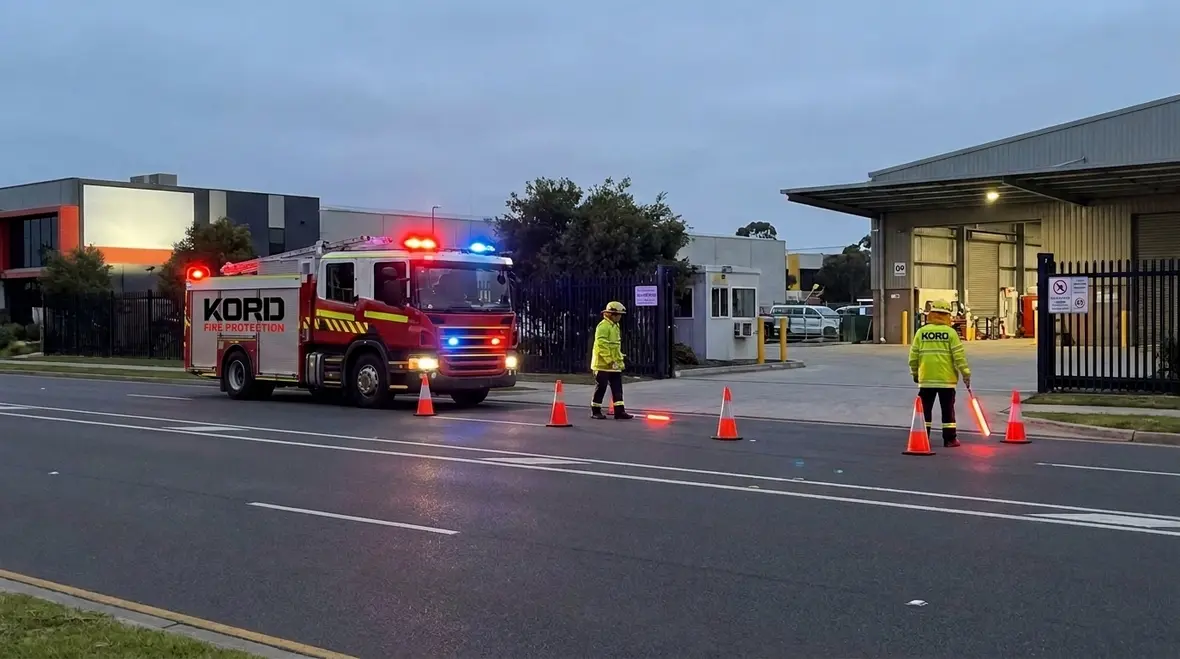
These sections deal with the traffic safety equipment carried on fire apparatus. They address warning lights, cones, flares, reflective devices, and other items that help crews create a visible work zone. In plain terms, the standard asks one simple thing: if a truck blocks a road, the scene must still protect the people working there and the people driving past.
That means apparatus should support quick traffic control, clear warning, and strong scene visibility. The goal is not just compliance. It is survival. After all, nobody wants a ute full of bad decisions rolling into a fire scene because the area looked too inviting.
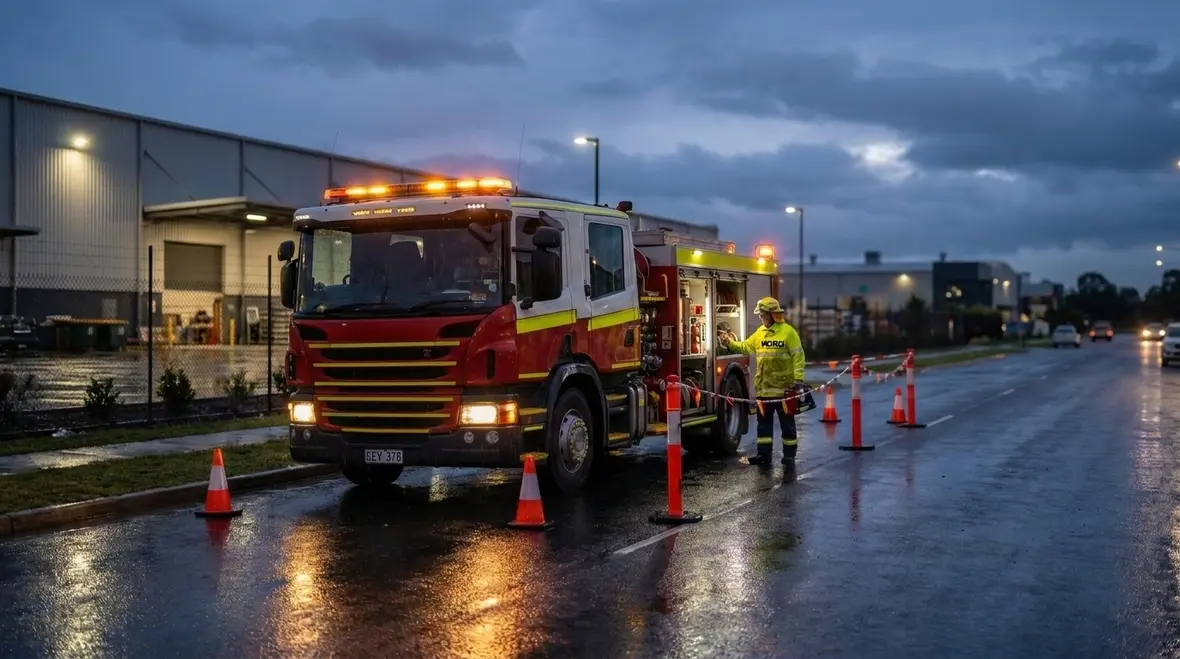
Why Traffic Safety Equipment Matters on Fire Apparatus
Layered protection beats wishful thinking
Fire scenes often happen in poor light, bad weather, or fast moving traffic. Therefore, crews need equipment that works immediately and without fuss. A flashing light is useful. A clear lane closure setup is better. A visible firefighter in a dangerous roadside scene is non negotiable.
The fire scene traffic safety requirements NFPA build a layered defense. First, the apparatus itself must warn drivers. Next, portable gear must guide traffic away from the hazard. Finally, the crew must be able to deploy that gear quickly. This layered approach reduces confusion and gives responders room to work. It also helps commercial and industrial sites, where truck access, forklifts, loading docks, and heavy plant traffic can make any response scene feel like an unscripted action film.
Scene visibility is a real operational tool
Visibility is not decoration. It is function. When drivers can spot an emergency scene earlier, they have more time to slow down, merge, or stop without making everything worse. When responders can clearly mark working space, they reduce the chance of a secondary strike, a backing incident, or the classic “I did not see the cone” excuse that nobody enjoys hearing.
| NFPA 1900 Focus | Scene Benefit |
| Warning lights and markers | Improve visibility for drivers and crews |
| Cones and portable control devices | Guide traffic around the hazard |
| Reflective and high visibility tools | Help crews stay seen in low light |
| Rapid deployment gear | Reduce delay during roadside response |
NFPA 1900 Traffic Safety Gear in Practice
Warn, divide, and protect
In practical terms, NFPA 1900 traffic safety equipment supports three jobs: warn, divide, and protect. Warning equipment signals that an emergency scene is ahead. Division equipment creates space between traffic and responders. Protection equipment keeps crews from becoming part of the hazard.
For facilities and businesses, this matters during external incidents, internal emergencies near access roads, and any event that interrupts normal vehicle flow. A site that prepares for traffic control does more than meet a standard. It shows that it respects workers, visitors, and emergency crews.
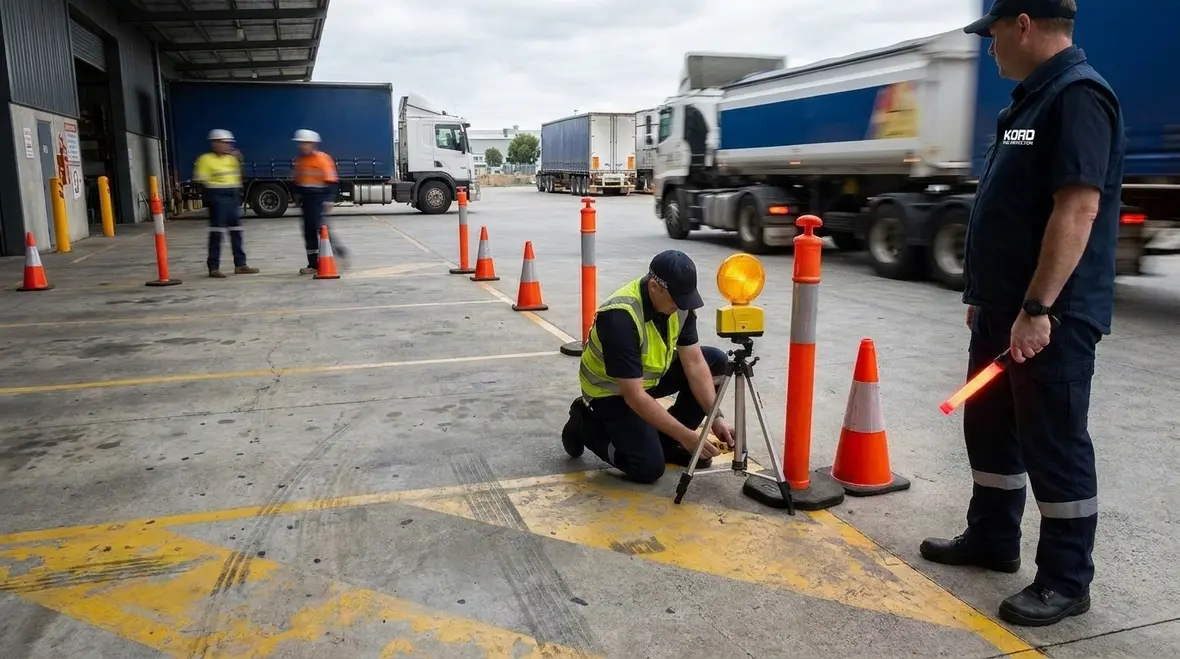
How Fire Scene Traffic Safety Supports Australian Facilities
Why this matters beyond the roadside
Australian worksites often include large yards, mixed vehicle routes, loading areas, and public access points. As a result, traffic safety planning cannot sit on the shelf beside the unused “we will deal with it later” folder. The same principles that guide NFPA 1900 also support safer operations around warehouses, distribution sites, shopping areas, plants, and commercial complexes.
When emergency access stays clear, response times improve. When traffic is controlled, crews can move with confidence. And when the scene is lit and marked well, the risk of secondary incidents drops. That is good for compliance, but it is also good business. Injuries, delays, and vehicle strikes cost more than the price of proper planning. That math is not subtle.
The lesson for site managers is simple. Do not treat traffic control as something that magically appears when the sirens do. If your access roads are tight, your loading dock traffic is constant, or your visitors already drive like they are auditioning for chaos, planning ahead is the sensible move. Good equipment helps, but good placement, clean access, and practiced communication are what turn equipment into protection.
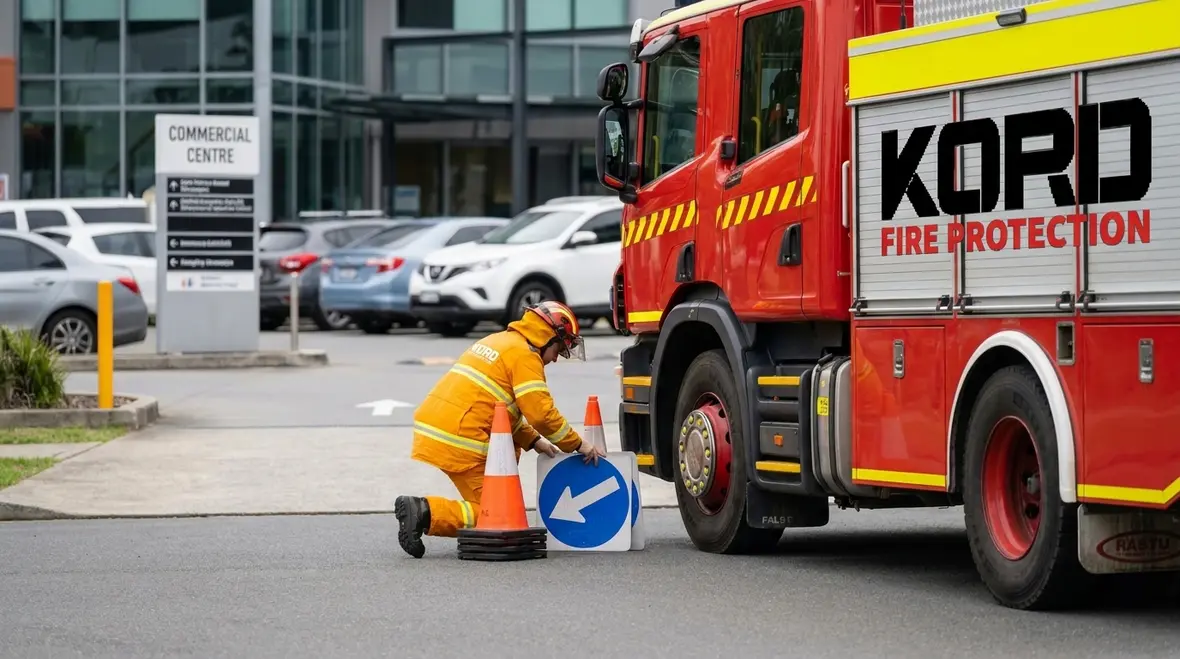
Where Kord Fire Protection Becomes a Vital Partner
Turning standards into usable systems
Kord Fire Protection can play a valuable role by helping organizations match equipment, process, and readiness to fire scene traffic safety requirements NFPA expectations. More importantly, Kord can support a practical plan that fits the site, not just the textbook. That includes reviewing apparatus related needs, helping assess traffic control tools, and supporting training that makes deployment smoother under pressure.
For industrial, retail, commercial, and facility clients, that kind of support matters. A partner like Kord Fire Protection can help turn a standard into a usable system. Instead of guessing what belongs on a vehicle or how a team should stage a roadside scene, businesses can work with a provider that understands operational risk and the need for fast, clear action. In other words, Kord helps make safety feel less like a lecture and more like a working plan.
That practical support also connects neatly with broader upgrades. Teams that are modernizing fire readiness across industrial sites may find useful overlap in industrial fire protection upgrades in Australia for compliance, especially when apparatus access, response routes, and operational resilience all need to work together instead of introducing themselves awkwardly during an emergency.
How to Build a Stronger Traffic Safety Setup
Simple steps that hold up under pressure
To strengthen readiness, organizations should start with a site and equipment review. Then they should confirm that warning tools, visibility aids, and traffic control gear are easy to reach and easy to use. After that, crews need simple drills that focus on placement, timing, and communication. Finally, routine checks should keep equipment ready for the next call.
This approach works because it respects how real emergencies unfold. People act faster when the gear is familiar. Traffic stays calmer when the scene is clear. And crews stay safer when every piece of equipment has a purpose. That is the heart of NFPA 1900 compliance, even if nobody in the middle of an incident has time to say, “how charmingly well organized this is.”
- Review access roads, gates, loading zones, and any chokepoints where emergency vehicles may need room.
- Check that cones, reflective devices, warning lights, and visibility tools are easy to deploy without a treasure hunt.
- Practice scene setup with short drills so teams know who places what, where, and when.
- Keep inspections routine so damaged gear does not wait until the worst possible moment to reveal its personality.
FAQ
Conclusion
Fire scene traffic safety is not a side task. It is part of the job. For Australian businesses and facilities, NFPA 1900 provides a strong path toward safer emergency response. With the right equipment, training, and support from Kord Fire Protection, teams can build a scene setup that protects people first and keeps operations moving when every second counts.
The standard gives structure, but the real win comes from turning that structure into habits, layouts, and equipment checks that actually work in the field. When traffic is guided clearly and crews can claim safe space fast, the whole response becomes calmer, quicker, and far less likely to feature a preventable disaster with starring support from confusion.

Join Our Newsletter!
Get the latest fire safety tips delivered straight to your inbox From our Newsletter.