NFPA 1900 Section 9.1 Carrying Capacity for Fire Apparatus Chassis
Quick Answer: NFPA 1900 Section 9.1 sets the rules for carrying capacity on fire apparatus chassis so the truck can safely handle its full load, water, crew, equipment, and added systems. For industrial, commercial, and facility teams across Australia, this standard helps reduce risk, improve vehicle performance, and support long term reliability.
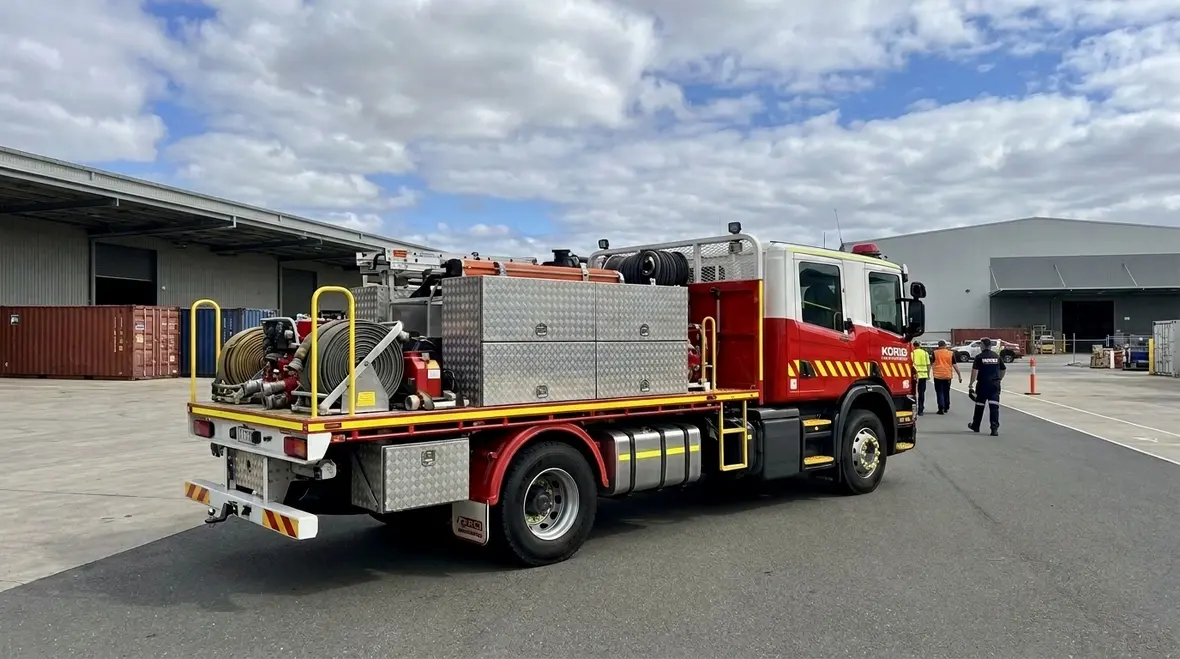
NFPA 1900 Section 9.1 matters because a fire truck is only as strong as its chassis allows. In plain terms, the frame must carry the real world load without stress, sag, or failure. That includes pumps, tanks, tools, hose, crew, and all the extra gear that seems to multiply the moment no one is looking. For teams thinking beyond a single truck and into long range system readiness, Kord Fire Protection’s full fire protection services fit naturally into that bigger planning picture. Fire truck chassis carrying capacity standards help ensure the apparatus works hard without turning into an expensive lesson in physics.
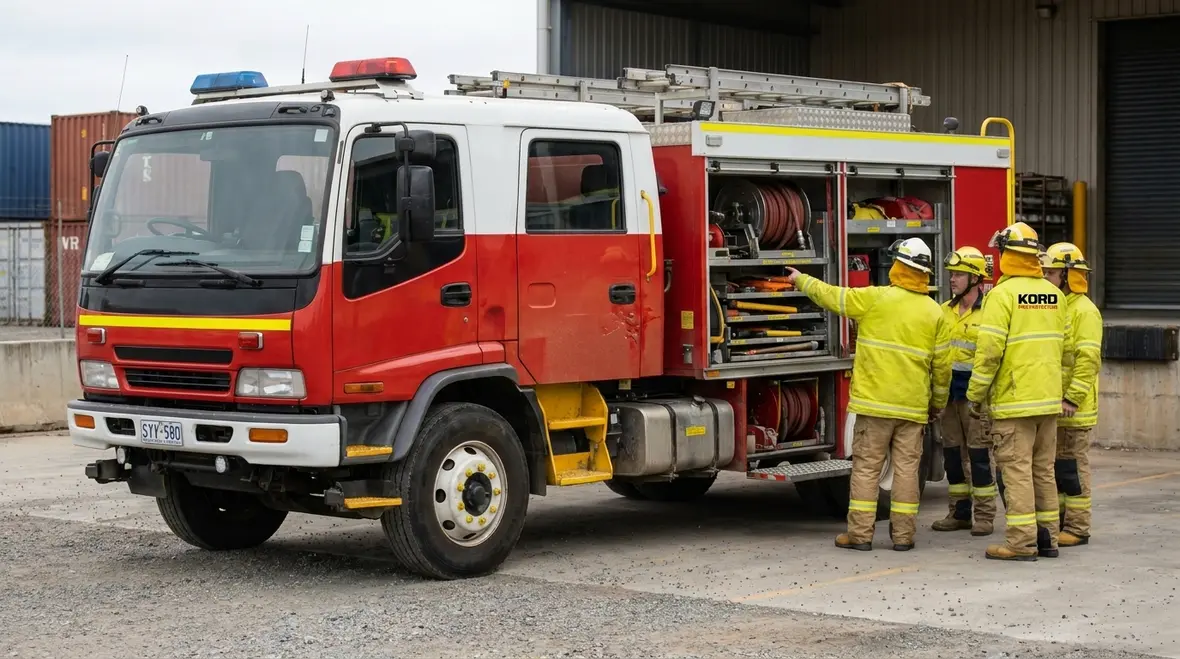
What NFPA 1900 Section 9.1 Means in Practice
Section 9.1 focuses on load limits and safe design. The chassis must support the apparatus at its intended gross vehicle weight while keeping control, braking, and stability in check. That means the builder cannot simply stack equipment like a warehouse pallet tower and hope for the best. Instead, the design must match the mission.
This matters even more for sites with large footprints, complex hazards, or high response demands. A truck built for the wrong load can wear out faster, handle poorly, and struggle when every second counts. By contrast, proper fire truck chassis carrying capacity standards help protect the vehicle, the crew, and the work it must do.
Why the load plan matters before the truck ever rolls
A carrying capacity requirement sounds technical, but in practice it is a planning discipline. Someone has to count every major load, where it sits, and how it changes the vehicle once the truck is fully built and actually operating. Water is heavy. Foam systems add weight. Hose loads are not light. Crew seating, mounted equipment, storage modules, and accessories all chip in until the chassis is carrying far more than the polished brochure implied.
That is why good apparatus planning starts with honesty. If the truck will serve an industrial plant, logistics yard, processing facility, or commercial campus, the expected load has to reflect real conditions rather than optimistic guesses. Otherwise, the chassis becomes the unwilling star of a very avoidable drama.
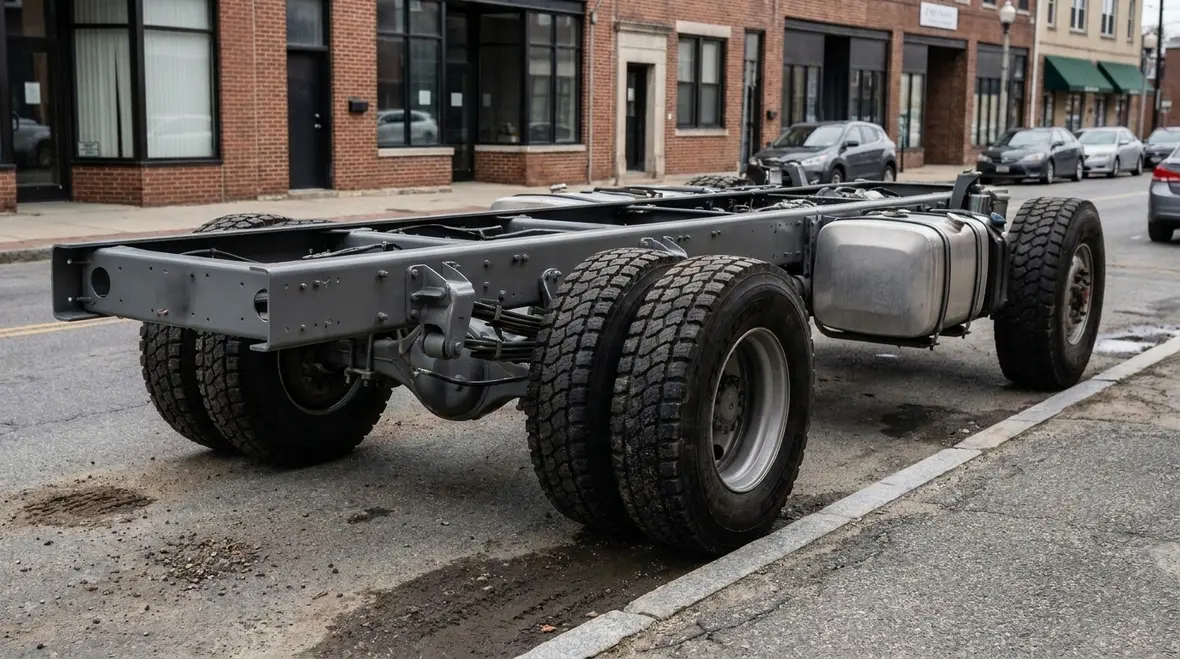
Why Carrying Capacity Shapes Fire Apparatus Performance
Carrying capacity affects almost every part of the vehicle. First, it changes how the truck accelerates and brakes. Then, it affects steering, tyre wear, suspension strain, and fuel use. Finally, it influences how safely the crew can operate on site. That is a lot of pressure for one chassis, and it does not enjoy being treated like an overfilled shopping trolley at closing time.
When the chassis is matched to the load, the apparatus stays balanced and predictable. As a result, crews can move through industrial estates, logistics yards, processing plants, and commercial zones with better control. This is not just a technical detail. It is a safety issue with real operational impact.
Performance problems usually show up as operations problems
An overloaded or poorly balanced truck rarely announces itself with a polite memo. Instead, the warning signs creep in through longer stopping distances, awkward cornering, uneven tyre wear, increased strain on suspension components, and a general feeling that the vehicle is working harder than it should. Over time, those small problems become expensive habits.
In emergency conditions, predictability matters. Crews need a vehicle that responds the same way each time, especially when entering crowded facilities, maneuvering around fixed assets, or setting up in awkward access points. Safe carrying capacity is what helps the chassis keep its composure when the day has already become interesting enough.
How Fire Truck Chassis Carrying Capacity Standards Support Facilities
Facilities face varied conditions. Some sites need compact response units for tight access. Others need larger apparatus with tanks, foam systems, rescue gear, or specialist equipment. Therefore, carrying capacity must fit the actual job, not a wish list built during a caffeine fueled planning meeting.
Fire truck chassis carrying capacity standards help teams align the vehicle with site needs. They also support compliance planning, budget control, and long term maintenance. If the chassis is under specified, the result can be premature wear and poor handling. If it is over specified without a proper load plan, it can waste money and space. Either way, the site loses.
For readers who want the broader standard context, Kord Fire Protection also covers NFPA 1900 standard requirements, which makes this section easier to place within the larger apparatus design and compliance conversation.
Load Factor
The total weight the chassis can safely carry, including crew, water, equipment, and fitted systems.
Mission Fit
How well the chassis matches the type of fire response required on the site.
Stability Impact
The way weight distribution affects braking, cornering, rollover risk, and overall control.
Maintenance Load
The strain placed on tyres, suspension, steering, and brakes over time.
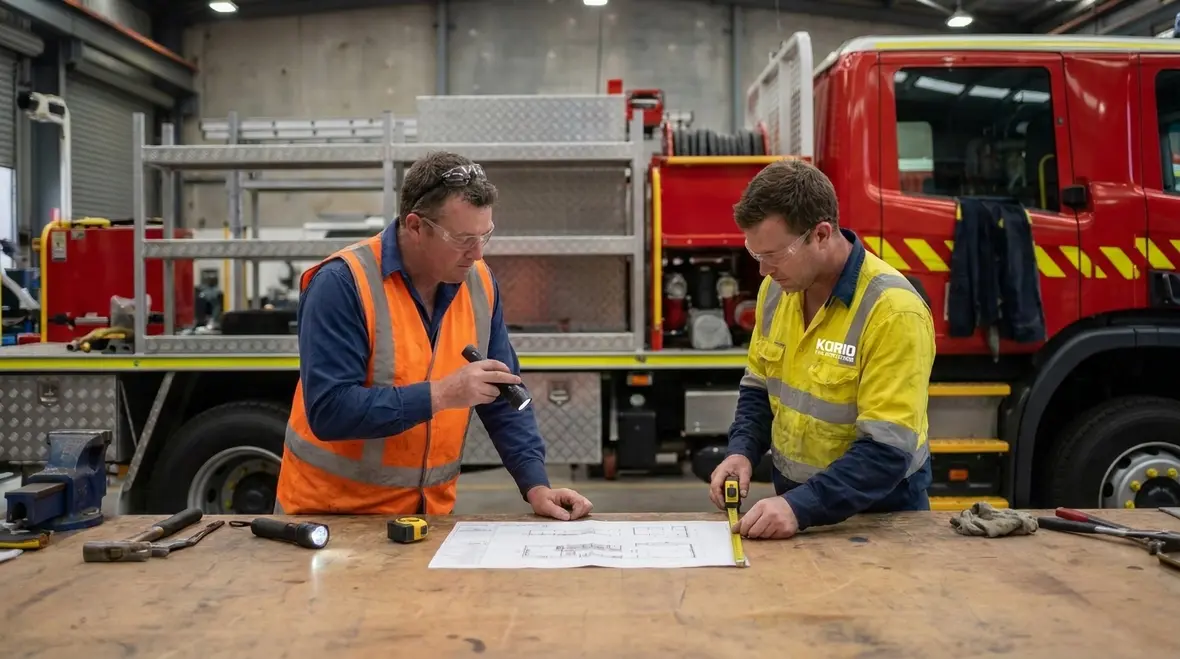
What Kord Fire Protection Brings to the Job
Kord Fire Protection can become a vital partner in this service because chassis carrying capacity is not just a spec sheet problem. It is a planning problem, a safety problem, and an operational problem. Kord Fire Protection helps translate standards into practical equipment choices that fit the site, the crew, and the response role.
That support can make a real difference. Kord Fire Protection can assist with matching the apparatus layout to the available carrying capacity, helping teams avoid overload, imbalance, and costly redesigns. In addition, that kind of guidance helps keep projects moving without turning every decision into a committee sport.
Planning support works best early, not after the truck is already committed
The earlier carrying capacity is reviewed, the easier it is to make smart decisions about tank size, equipment layout, crew needs, storage, and specialty systems. Once a design is locked in, changes get slower, pricier, and much less charming. Early coordination helps prevent that pain.
Kord’s broader planning content points in the same direction. Whether the issue is suppression layout, equipment readiness, or facility risk planning, the common theme is simple: design choices work better when they are connected to how the site actually operates, not how everyone hopes it operates on its best day.
How the Right Chassis Supports Long Term Value
A correctly rated chassis does more than meet a rule. It protects the investment. A truck that carries its load properly tends to last longer, needs less corrective work, and performs more reliably under pressure. That means fewer surprises, less downtime, and better return on capital.
For industrial and commercial operators, this also helps with business continuity. Fires, spills, and emergency events do not wait for a workshop booking. Therefore, the apparatus must stay ready, balanced, and safe. Proper carrying capacity supports that goal from day one.
Reliability is cheaper than avoidable correction
A truck that is properly matched to its intended duty cycle generally rewards the owner over time. Wear tends to be more manageable, service intervals feel more predictable, and the apparatus is less likely to surprise the team with faults rooted in overload or poor balance. That is not glamorous, but it is exactly the kind of boring outcome most operators should love.
And because emergency vehicles do not get to pick convenient days to perform, long term reliability becomes more than a finance issue. It becomes an operational assurance issue. The truck needs to be ready when the site does not have time for excuses.
What Teams Should Check Before Choosing an Apparatus
Before a truck is ordered or modified, teams should review the expected load in detail. That includes water, pumps, foam systems, tools, hose, communication gear, crew weight, and any site specific equipment. Next, they should confirm how that load sits across the axle layout. Finally, they should verify that the chassis rating leaves enough margin for safe operation.
In many cases, the smartest move is to bring in a partner early. That is where Kord Fire Protection adds value. Their role can help make the difference between a truck that merely exists and one that performs with confidence.
A practical pre purchase checklist
List every permanent and variable load the apparatus will carry.
Account for water, foam, crew seating, hose, rescue gear, and mounted systems.
Review front and rear axle loading, not just total vehicle weight.
Check how storage placement affects balance and access during operations.
Leave sensible capacity margin for real world use and future additions.
Bring planning, operations, and service stakeholders into the same conversation early.
FAQ
Conclusion
NFPA 1900 Section 9.1 gives fire apparatus a practical backbone: safe carrying capacity. For industrial, retail, commercial, and facilities operations, that means better safety, better performance, and better value. The standard is not glamorous, but then again, neither is recovering from a chassis decision that looked fine until the truck was fully loaded and reality showed up.
Kord Fire Protection can help make that standard work in the real world, where trucks carry more than expectations and a little dust. With the right planning, the right load review, and the right support, teams can choose an apparatus that performs with confidence instead of guesswork. For the right chassis choice, a trusted partner is not a luxury. It is the smart move.

Join Our Newsletter!
Get the latest fire safety tips delivered straight to your inbox From our Newsletter.