NFPA 1900 Section 19.3 CAFS Fire Truck Compliance Australia
Quick Answer: NFPA 1900 Section 19.3 sets the baseline for compressed air foam systems on fire apparatus by guiding system design, performance, and safety. For industrial, commercial, and facility teams across Australia, that means better knockdown, less water use, and more control. Kord Fire Protection can help keep CAFS ready, compliant, and dependable when seconds matter.
When a fire truck rolls out with a CAFS setup, the gear must do more than look impressive in the bay. It must meet the CAFS fire truck NFPA 1901 requirements and the newer direction found in NFPA 1900 standard guidance. That matters because a compressed air foam system can change how crews fight fire, protect assets, and reduce water use. In busy industrial sites, retail centers, and commercial facilities across Australia, that kind of performance is not a luxury. It is the difference between fast control and a long, costly problem. And as any fire truck knows, style is nice, but function is what gets the job done.
For sites reviewing broader readiness, it also helps to connect apparatus performance with a full facility strategy. That is where fire protection compliance and readiness support in Australia fits naturally into the picture. A CAFS truck can be a serious asset, but it performs best when the surrounding inspection culture, maintenance planning, and response expectations are just as sharp.
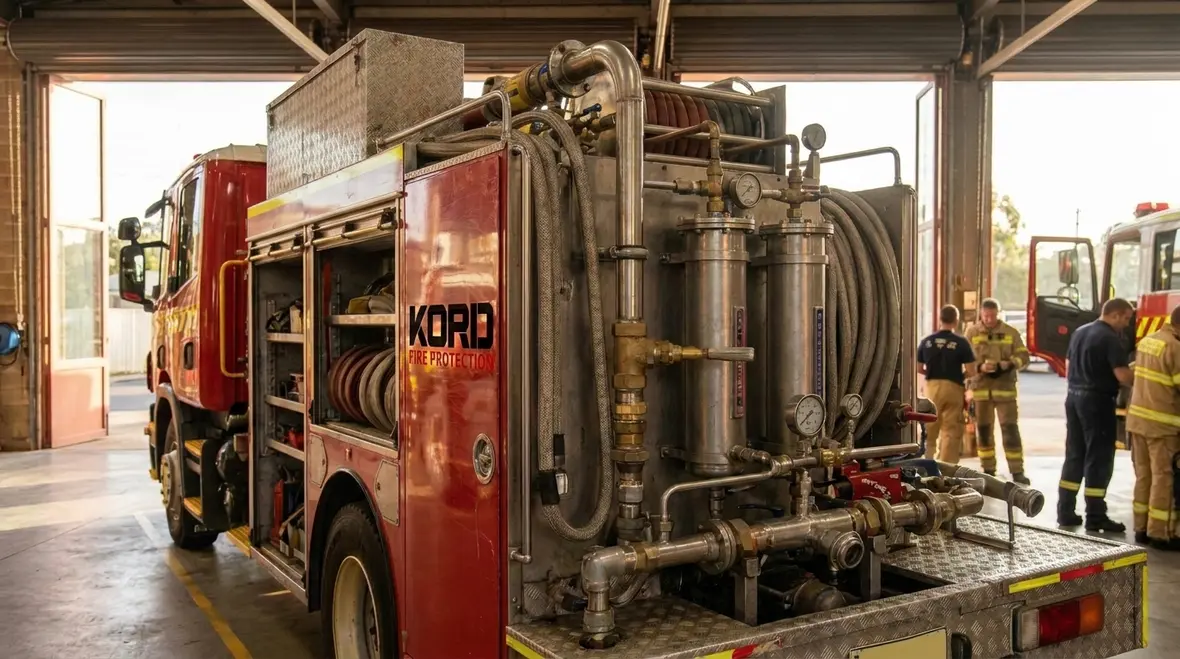
What NFPA 1900 Section 19.3 Covers
NFPA 1900 Section 19.3 focuses on how compressed air foam systems should perform on fire apparatus. It sets a clear path for installation, testing, and safe use. In plain terms, the section helps ensure that the foam system works as intended when a crew needs it most. It also supports consistent build quality, which matters when different apparatus types serve different risks. For sites that depend on rapid fire response, this level of control can bring real value.
That is important because CAFS is not just a tank, a line, and some hopeful enthusiasm. It is a coordinated system where proportioning, airflow, plumbing, controls, discharge consistency, and operator feedback all have to play nicely together. When one part gets moody, the whole result can suffer. Section 19.3 exists to pull that chaos back into order and give builders, owners, and service teams a common reference point.
Why the section matters beyond the spec sheet
For commercial and industrial operators, code language becomes useful only when it improves real world outcomes. A better governed CAFS setup helps crews deliver more consistent foam, reduce avoidable operating faults, and maintain confidence that the apparatus will respond the same way under pressure as it did in testing. That is the quiet value of standards. They are not flashy, but they save people from very flashy failures.
- Guides system design and installation expectations
- Supports testing and verification before service
- Helps align safety checks with apparatus performance
- Encourages reliability across different operating conditions
How CAFS Works on a Fire Apparatus
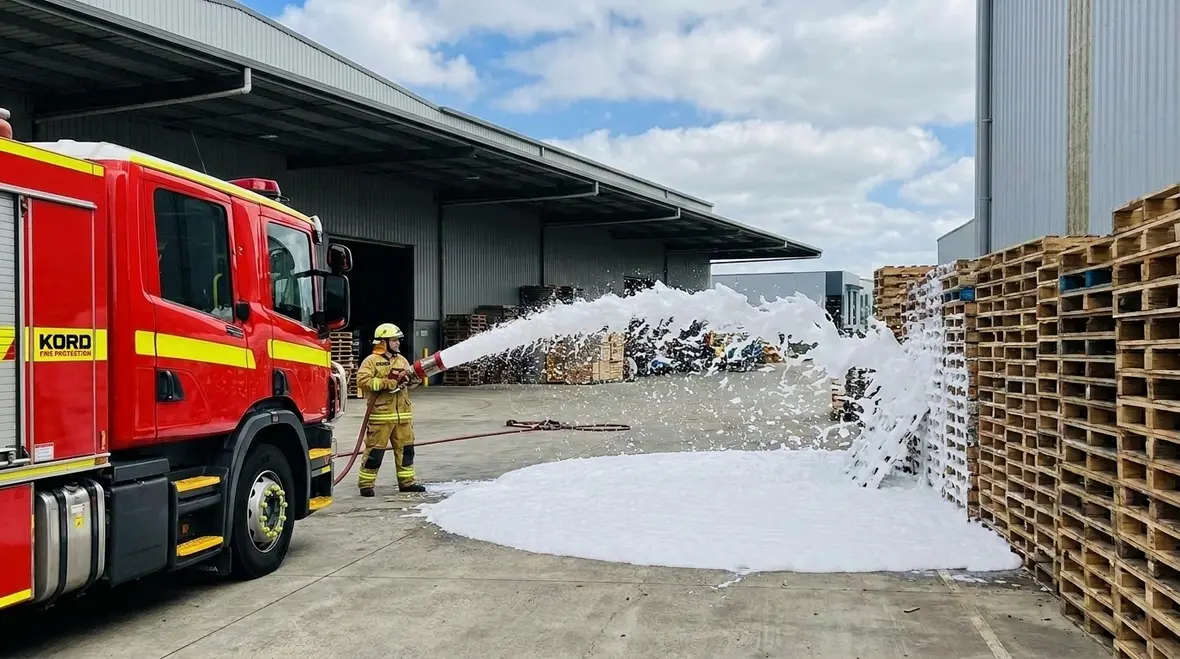
A CAFS fire truck mixes water, foam concentrate, and compressed air to create a finished foam blanket. That foam clings better than plain water, so crews can cover fuel, cool surfaces, and cut vapor release more effectively. As a result, they often get faster knockdown with less runoff. That helps in places where water damage can be nearly as painful as the fire itself. In a warehouse, for example, less water can mean less loss to stock, equipment, and operations. The system also improves hose stream reach and foam quality when the apparatus stays properly tuned.
The finished foam is useful because it behaves differently from a plain water stream. It can stick to vertical and irregular surfaces more effectively, hold together longer, and create better coverage over fuel involved hazards. In facilities with packaging loads, storage racks, service yards, transfer areas, or mixed occupancy risks, that kind of controlled blanket can buy valuable time and cut down on spread.
What happens inside the system
- Water moves through the apparatus plumbing
- Foam concentrate is proportioned into the stream
- Compressed air is added to create finished foam
- The discharge pattern depends on system balance and nozzle delivery
What crews gain in the field
- Better knockdown on certain hazards
- Less overall water use
- Reduced runoff and secondary damage
- Improved control where access is tight and time matters
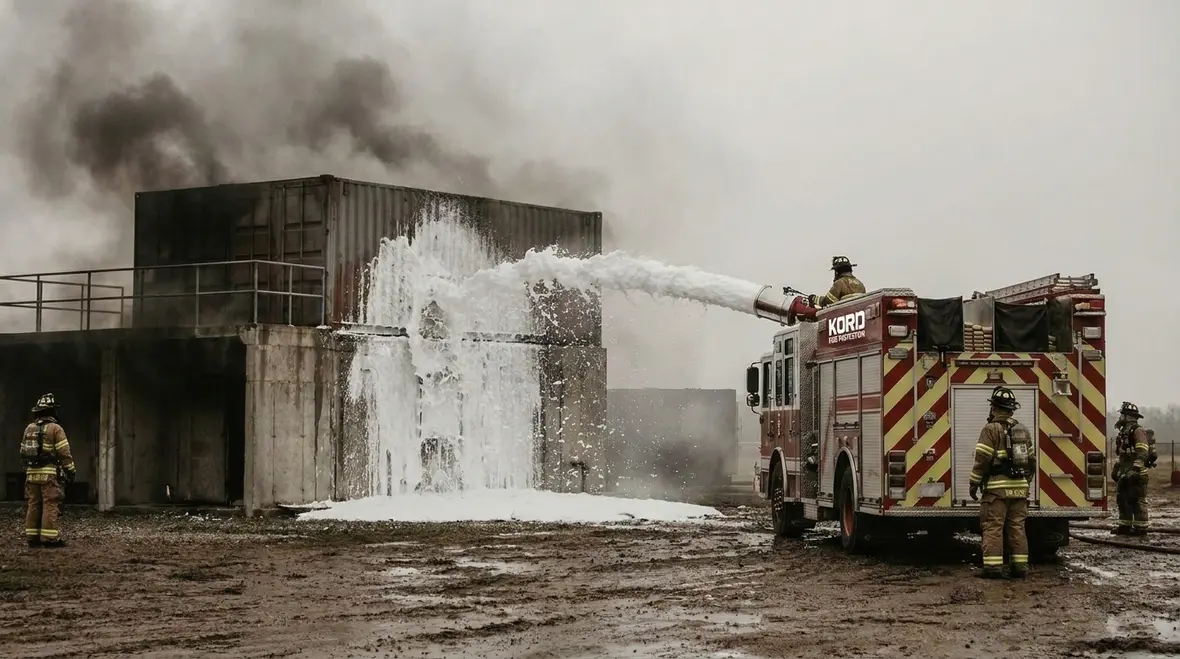
Why This Matters for Australian Commercial Sites
Across Australia, industrial plants, logistics hubs, shopping precincts, and commercial buildings face different fire loads and response demands. Therefore, a CAFS fire apparatus must match the risk profile of the site it protects. A well built system can improve response efficiency in areas with flammable liquids, packaging materials, electrical rooms, and storage zones. It can also support crews working in large facilities where access is tight and every minute counts. Put simply, the right foam system gives responders more tools and fewer headaches. And yes, firefighting already has enough drama without adding faulty equipment to the script.
Australian facilities often have another challenge as well: business interruption costs can keep climbing long after the flames are gone. That is why response quality matters so much. If a CAFS truck helps stop spread sooner, apply foam with better consistency, and reduce water impact on stock or machinery, the benefit is not only tactical. It is financial, operational, and practical. The standard may live on paper, but the result shows up in uptime, asset preservation, and recovery speed.
Typical environments where CAFS value stands out
- Warehouses with dense storage and packaging loads
- Industrial sites handling fuels or process chemicals
- Retail and commercial complexes with mixed occupancy challenges
- Large facilities where long hose stretches and quick control both matter
This is also where interlinked planning becomes useful. A truck mounted foam system is stronger when teams also understand concentrate selection, hazard matching, and ongoing inspection expectations. Kord Fire Protection covers those ideas well in its foam fire protection system concentrate guide, which helps connect apparatus performance to the chemistry and application choices behind it.
Dual View of the Standard and the Field Result
NFPA 1900 Section 19.3 focus
- It guides system design, safety checks, and performance expectations.
- It helps builders and service teams verify that CAFS components work together.
- It supports reliable output under real fire conditions.
- It provides a cleaner framework for testing and acceptance before the unit returns to duty.
What the site owner gets
- Better fire knockdown with less water use.
- Lower risk of water damage in sensitive facilities.
- More dependable response from apparatus built for the task.
- Better confidence that equipment will not pick the worst possible moment to get creative.
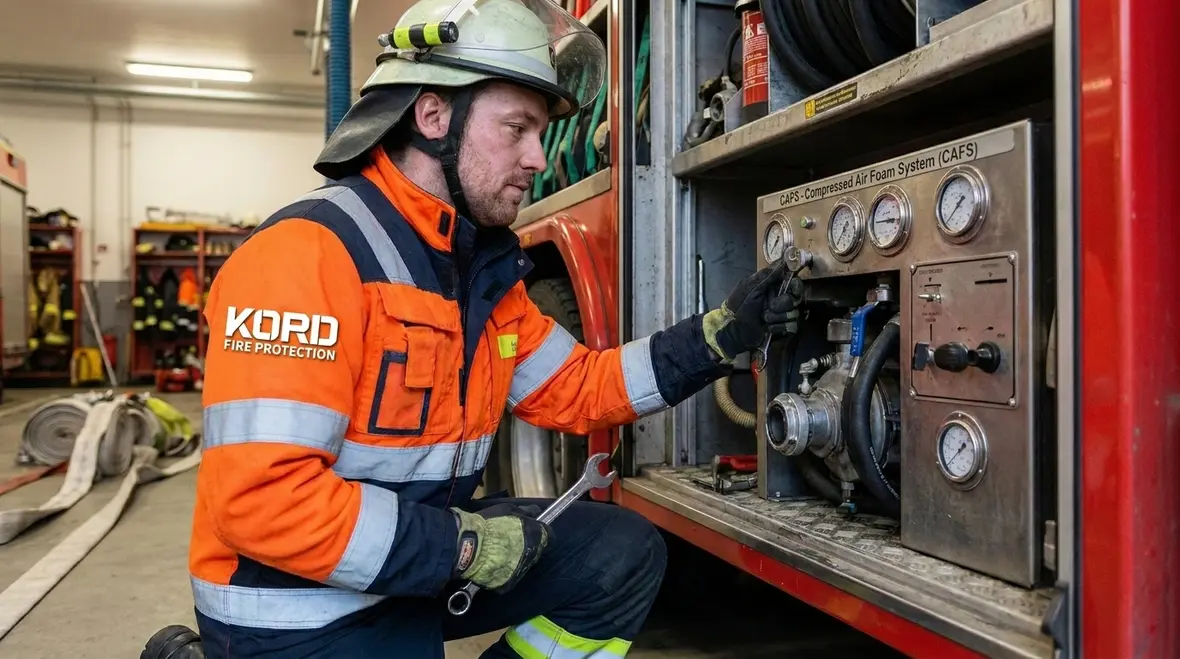
Where Kord Fire Protection Becomes a Vital Partner
Kord Fire Protection can become a vital partner because CAFS is not a set and forget system. It needs inspection, testing, maintenance, and practical support from people who understand the job. That includes helping confirm the system aligns with the CAFS fire truck NFPA 1901 requirements and current apparatus expectations. It also means keeping pumps, air systems, foam plumbing, controls, and delivery lines in good shape so crews do not face surprises on scene. After all, surprises belong in birthday parties, not in fire response.
Support matters even more when a facility depends on high readiness but cannot afford constant downtime. In that setting, service is not merely about fixing what is broken. It is about spotting wear early, proving performance, and keeping documentation clean enough that compliance conversations do not become scavenger hunts. Kord Fire Protection also speaks to this broader role in its article on special hazard fire suppression in Australia, where readiness, testing, and system suitability all work together.
- Checking CAFS components for wear, leaks, and poor output
- Helping verify foam proportioning and air balance
- Supporting scheduled service and performance testing
- Reducing downtime through planned maintenance
- Helping site teams stay ready for audits and internal checks
- Reviewing the system as a working package instead of isolated parts
What to Check Before a CAFS Truck Goes Back Into Service
Before a CAFS unit returns to duty, the crew or service team should confirm foam quality, air pressure, system response, and delivery performance. In addition, controls should be tested under normal operating conditions. Small faults can hide inside a system that sounds fine at idle, so careful testing matters. If the foam looks thin, the pressure drops, or the output feels uneven, the truck should not go back out without correction. That is not being picky. That is avoiding a very expensive mistake with flashing lights.
A practical return to service checklist
- Confirm foam consistency at expected discharge points
- Verify air pressure and response through the operating range
- Check proportioning accuracy and concentrate supply condition
- Inspect hoses, valves, plumbing, and control interfaces
- Run the system under realistic conditions, not just a quick idle check
- Document findings before the apparatus goes back into active response status
These checks sound simple because they should be. The trick is doing them consistently and not letting confidence replace evidence. Fire response has a funny way of exposing shortcuts at the worst possible time, usually while everyone is already having a terrible day.
How the Standard Supports Long Term Reliability
NFPA 1900 Section 19.3 does more than describe a foam system. It creates a stronger path for reliable service over the life of the apparatus. Because the system relies on matched parts and proper setup, regular care keeps it effective. Therefore, owners and operators who treat CAFS as a living system rather than a one time install usually see better results. This is especially true in commercial and industrial environments where response demands stay high and interruptions cost money.
Long term reliability is really a chain of small decisions: the right design approach, proper installation, consistent testing, clean records, timely maintenance, and a willingness to investigate odd behavior before it becomes a failure. Standards help shape that discipline. They do not eliminate risk, but they do make it much harder for preventable problems to hide in plain sight.
For facilities that want the bigger picture, Kord Fire Protection also discusses inspection cycles, documentation, and system lifecycle planning in its article on industrial fire protection upgrades in Australia for compliance. That broader view fits CAFS well because apparatus readiness rarely succeeds in isolation.
FAQ
Final Takeaway
For Australian industrial, retail, and commercial sites, a CAFS fire truck must do more than meet a spec sheet. It must perform when lives, assets, and business continuity are on the line. NFPA 1900 Section 19.3 helps frame what that performance should look like, while practical testing and maintenance help prove it in the real world.
Kord Fire Protection can help keep that system ready, compliant, and dependable. If a CAFS fleet needs expert support, this is the moment to call in a partner that understands the pressure and the purpose. Because when the truck rolls, nobody wants the foam system improvising.

Join Our Newsletter!
Get the latest fire safety tips delivered straight to your inbox From our Newsletter.