NFPA 1900 Section 20.2 Aerial Ladder Rules for Fire Apparatus
Quick Answer: NFPA 1900 Section 20.2 sets the core aerial ladder rules for fire apparatus, covering design, stability, access, load limits, and safety checks. In simple terms, it helps departments get equipment that can reach high places, stay steady, and protect crews. For Australian industrial, retail, commercial, and facility teams, that standard supports safer response planning and stronger compliance.
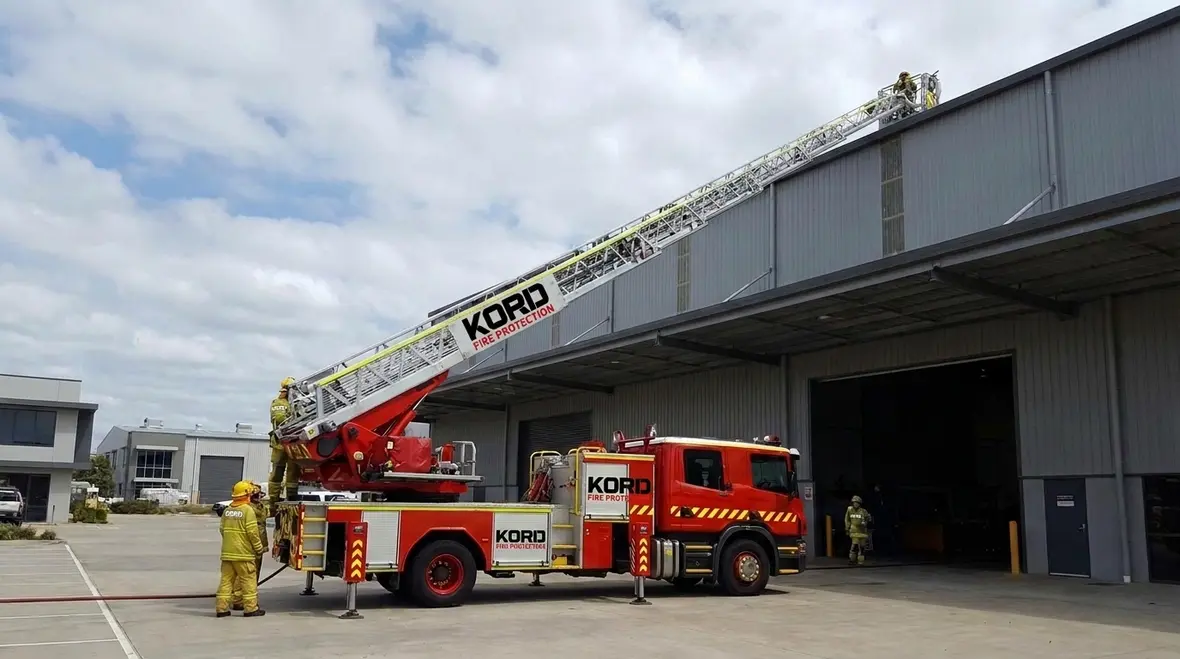
When a fire truck rolls up with an aerial ladder, it is not there for show. It is there to do hard work, in hard places, fast. NFPA 1900 and its aerial ladder specifications set the benchmark for how these systems should perform, and Section 20.2 focuses on the ladder side of the job. For industrial sites, shopping centres, warehouses, and large commercial facilities across Australia, that matters. A reliable aerial system can mean quicker access, safer rescue, and better control when smoke, heat, and time all decide to get rude.
To make the picture clear, the aerial ladder specifications NFPA 1901 have long influenced the way departments think about reach, strength, and safe operation. Now, NFPA 1900 builds on that approach with updated expectations for modern fire apparatus. The goal stays the same. Keep crews safe. Keep the ladder steady. Get people where they need to go without turning the scene into a disaster sequel. For readers who want the wider vehicle context, Kord Fire Protection also breaks down the NFPA 1900 standard in a dedicated guide.
If your facility is reviewing broader readiness at the same time, Kord Fire Protection’s Australia fire protection support for compliance and readiness fits naturally into the conversation because aerial access only works well when the rest of the protection plan is not winging it.
What NFPA 1900 Section 20.2 Means for Fire Apparatus
Section 20.2 focuses on the performance and safety needs of aerial ladders used on fire apparatus. It looks at more than simple height. It covers how the ladder extends, how it holds weight, how it moves, and how it supports operations during real emergencies.
For service providers and fleet owners, this section matters because it shapes equipment decisions from day one. If the apparatus cannot reach the top level of a warehouse or the upper face of a commercial building safely, then the unit loses value fast. A ladder is only as useful as its design allows, and fire does not care about excuses.
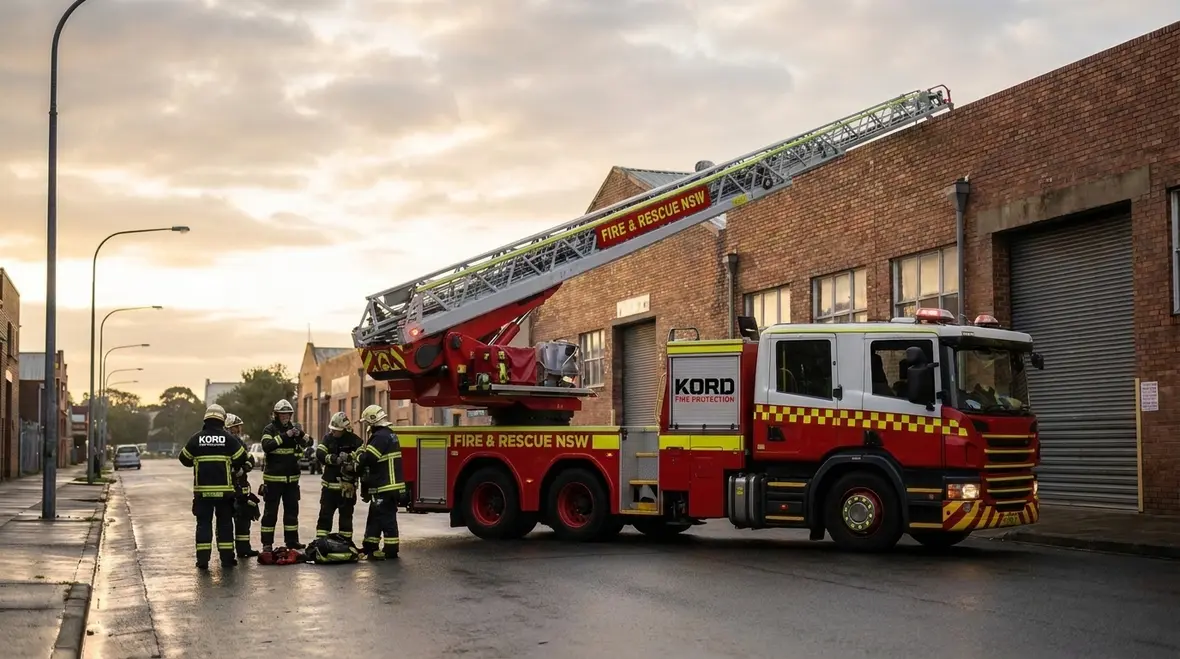
Why this section matters beyond the spec sheet
It is easy to think standards live in binders, PDFs, and meetings where someone says “let’s circle back” a little too often. In reality, Section 20.2 shows up on the street. It affects whether the ladder can operate smoothly near a loading bay, whether the apparatus can hold position near uneven surfaces, and whether crews can trust what happens when seconds start disappearing. In busy industrial and commercial settings, that practical confidence is not a luxury. It is part of the job.
How Aerial Ladder Specifications Help Job Performance
The aerial ladder specifications NFPA 1901 helped define a clear baseline for safe ladder design. That legacy still matters because many departments and equipment planners use similar principles when reviewing new apparatus. These standards help guide decisions on ladder length, load capacity, rotation, controls, and stability.
In practical terms, that means the apparatus should respond smoothly under pressure. It should give crews stable access for rescue, overhaul, ventilation, and elevated water delivery where allowed. It should also support repeat use in demanding conditions. After all, a ladder that acts like a shopping trolley with one bad wheel is not much of a hero.
Good aerial performance is not just about dramatic height either. A ladder must position accurately, maintain dependable motion, and let operators make controlled adjustments without fighting the equipment. That matters when crews are working around parapets, signage, rooftop plant, or awkward access points that always seem to appear exactly where nobody wanted them.
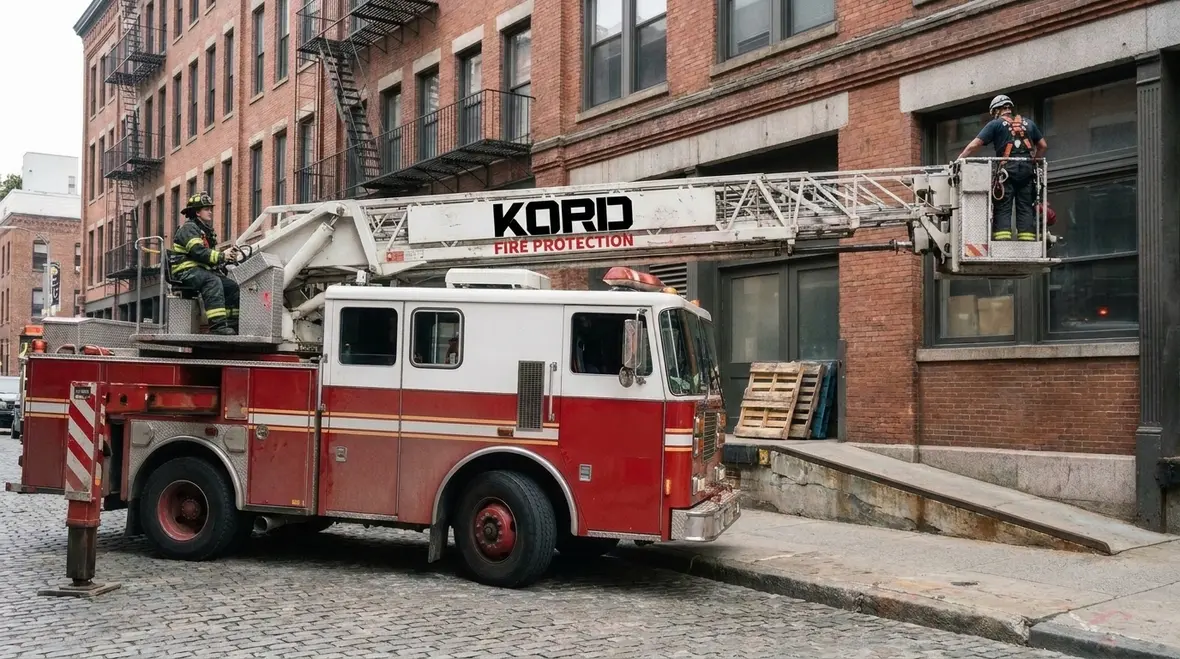
Core performance ideas crews rely on
- predictable extension and retraction under load
- stable operation during rescue and access tasks
- controls that are clear, responsive, and dependable
- safe working positions at upper floors and roof lines
- repeatable performance in demanding site conditions
What Industrial and Commercial Sites Should Expect
Industrial and commercial facilities across Australia often have wide footprints, tall structures, and access limits that create extra risk. Because of that, site managers should understand what a compliant aerial ladder can do and where it fits in a response plan.
A strong aerial apparatus should support:
- safe access to higher floors and roof lines
- rescue operations in multi level buildings
- elevated firefighting support where local rules allow
- stable positioning near large buildings and loading areas
- clear movement for crews working under stress
That list may sound simple, yet each point can shape the outcome of an emergency. In a retail centre, for example, fast roof access can help manage smoke movement. In a warehouse, stable elevation can support rescue and scene control. Meanwhile, at a plant or industrial site, every extra second saved can keep damage and downtime from growing legs.
This is also where site planning earns its keep. Access roads, hardstand conditions, turning clearances, overhead obstructions, and building setbacks all influence how useful an aerial unit will be in the real world. A technically capable ladder can still lose effectiveness if the site around it was never considered. That is why readiness planning should connect apparatus expectations with building layout, not just with procurement paperwork and crossed fingers.
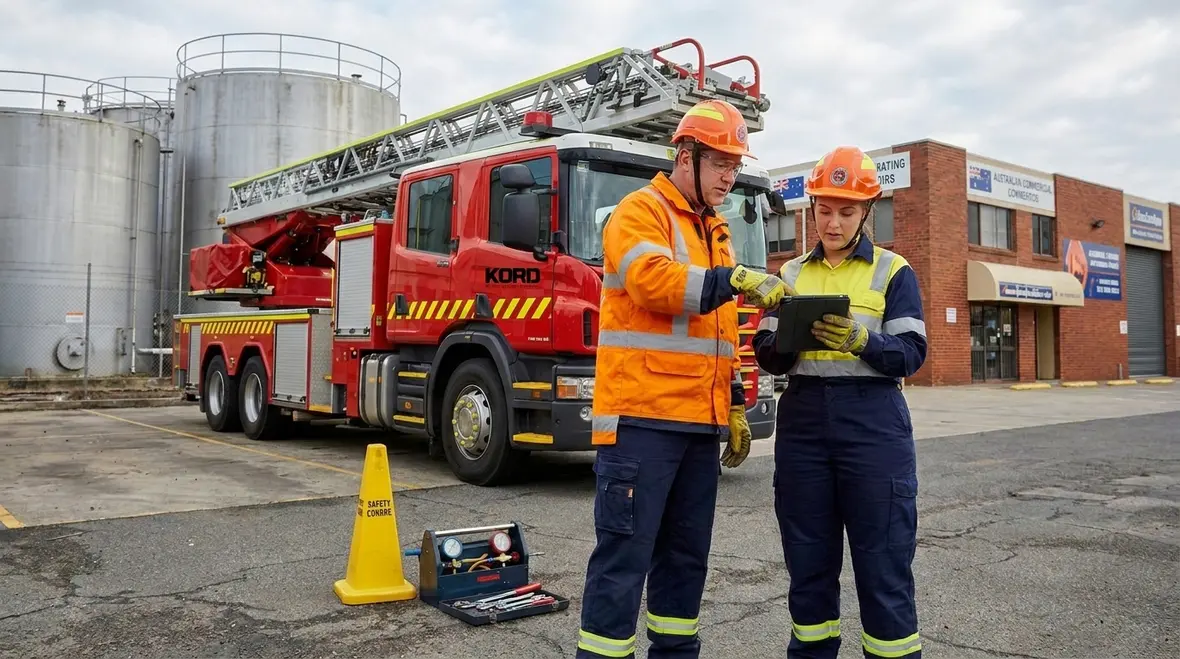
Key Technical Points That Drive Safer Aerial Use
NFPA 1900 Section 20.2 supports a few core technical ideas that matter in the field. First, the apparatus must stay stable when the ladder moves and when personnel work at height. Next, controls should be clear and dependable so the operator can work without confusion. Also, the system should allow safe access and egress, since getting on and off the ladder should not feel like a stunt scene.
These points matter even more in busy commercial zones. Narrow access roads, loading docks, plant yards, and public traffic can all limit setup space. Therefore, teams need equipment that performs well under tight conditions and still gives operators confidence.
Dual view: standard focus and on scene value
| Standard focus | On scene value |
| Load, stability, reach, and safe controls | Better access, faster rescue, and fewer setup risks |
| Equipment design and testing expectations | More trust in the apparatus during real emergencies |
| Clear performance benchmarks | Better planning for complex industrial and commercial sites |
Put simply, these technical points reduce surprises. They help operators know what the ladder will do, help command teams plan with confidence, and help site stakeholders understand the limits and strengths of elevated access. Emergencies bring enough chaos already. The equipment does not need to audition for the role.
Why Kord Fire Protection Becomes a Vital Partner
Kord Fire Protection can play a vital role for organisations that depend on high level response readiness. As a partner, Kord Fire Protection can help with equipment support, system understanding, and practical planning around aerial ladder use and related fire protection needs. That support matters because compliance is only half the story. Readiness is the other half, and it tends to show up right when the alarms start singing.
For industrial, retail, and commercial clients, Kord Fire Protection can help bridge the gap between standard and site reality. That may include guidance on apparatus needs, fire protection planning, servicing support, and alignment with wider safety goals. In plain terms, they help keep the response side from becoming a guessing game. Nobody wants that game. The odds are awful.
That broader planning mindset lines up well with Kord content on resilient industrial fire suppression layouts, where the focus is not just equipment in isolation, but how systems, building use, and emergency actions work together when conditions get messy.
How to Choose the Right Aerial Ladder Partner
Good equipment needs good support. When a business or facility team looks for a partner, it should look for practical knowledge, fast response, and a clear grasp of how aerial systems fit into broader fire safety plans. The partner should understand operational risk, asset protection, and the daily pressure that comes with keeping large sites safe.
It also helps when the partner speaks the language of compliance without making it sound like tax law. Clear advice saves time. Accurate servicing saves money. And a trusted specialist can help a site stay better prepared for audits, inspections, and emergencies.
What to look for in practical terms
- experience with industrial, retail, and commercial environments
- clear understanding of compliance and operational readiness
- ability to connect apparatus planning with wider fire protection systems
- responsive service support and realistic maintenance planning
- communication that is actually useful when decisions need to be made quickly
FAQs
Conclusion
NFPA 1900 Section 20.2 gives fire apparatus a clear path toward safer, stronger aerial ladder performance. For Australian industrial and commercial sites, that creates real value. Better ladder design, steadier operation, and clearer performance expectations all support safer response planning when access gets difficult and the pressure is on.
Kord Fire Protection can help turn those standards into action with support that keeps facilities ready, protected, and better prepared for the unexpected. If the goal is smarter fire readiness, this is where the partnership starts. Because when the alarm hits, that is a terrible time to discover your plan was mostly optimism.

Join Our Newsletter!
Get the latest fire safety tips delivered straight to your inbox From our Newsletter.