NFPA 1900 Section 20.15 Elevating Platform Compliance for Fire Apparatus
Quick Answer
NFPA 1900 Section 20.15 sets clear expectations for elevating platform design, access, controls, safety, and testing on fire apparatus. For industrial, commercial, and facility teams, it helps reduce risk, improve reliability, and keep crews safer. Kord Fire Protection can support this work with expert service, inspection, and compliance focused care.
If your broader life safety program also needs hands-on support, Kord Fire Protection’s full fire protection services fit naturally into this conversation because elevating platform readiness rarely lives in a vacuum. Inspection, testing, maintenance, and system coordination all work better when one capable team is keeping an eye on the bigger picture.
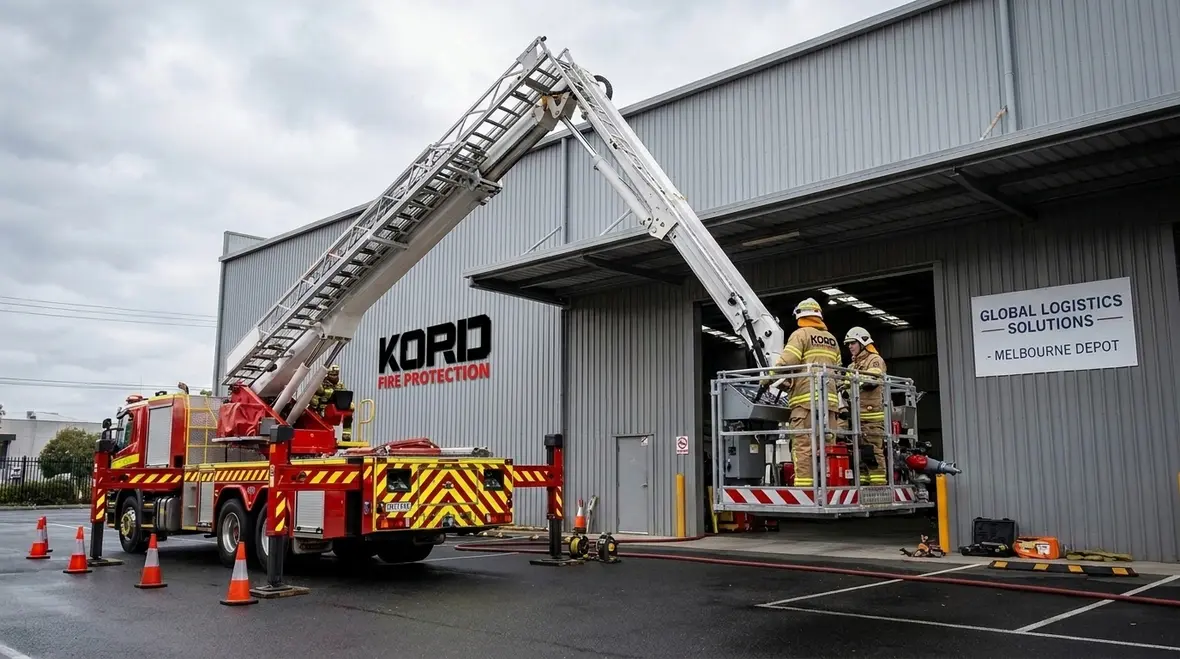
NFPA 1900 Section 20.15 and Why It Matters for Fire Apparatus
NFPA 1900 Section 20.15 focuses on elevating platform requirements for fire apparatus, and that matters because these platforms do serious work in serious places. In industrial yards, retail sites, commercial towers, and large facilities, the right platform can shape how fast crews respond and how safely they operate. Fire truck elevating platform NFPA standards help guide that work with a clear eye on stability, controls, rescue access, and safe use. In plain terms, the standard tries to keep a high risk job from becoming a higher risk story. Nobody wants the apparatus to act like the one unreliable character in a heist movie.
Why elevating platform compliance deserves close attention
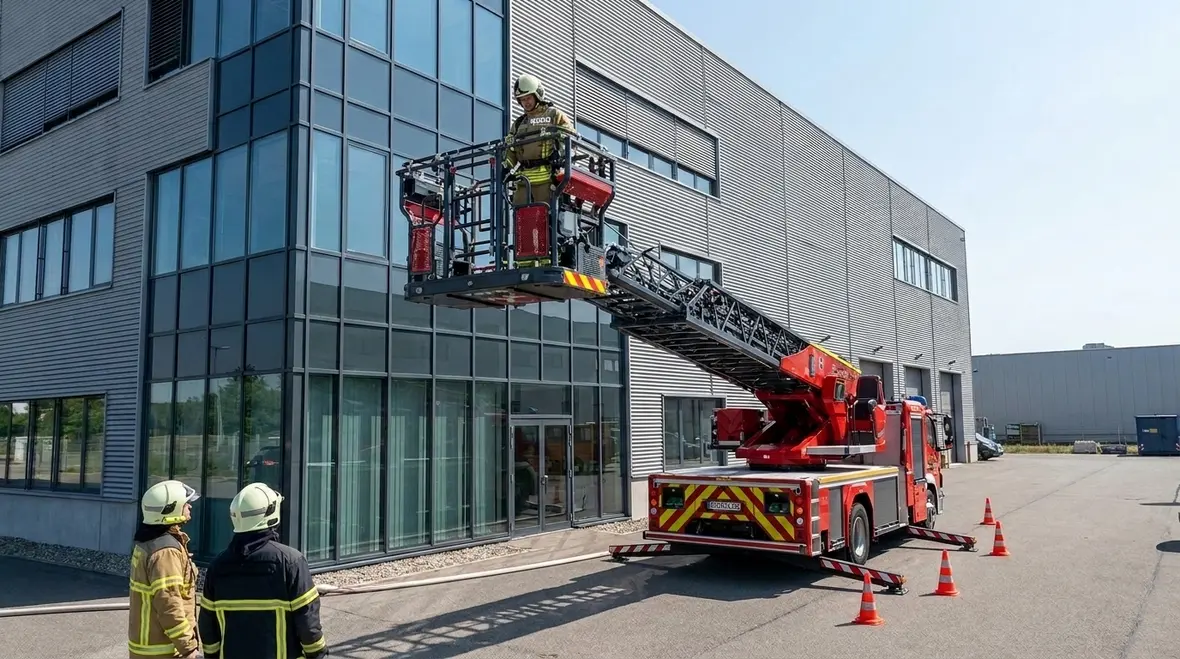
Elevating platforms are not just oversized accessories bolted onto a truck to look impressive in a staging yard. They play a direct role in rescue access, elevated fire attack, visibility, and crew positioning when conditions are already stressful enough. When departments, facility managers, and service providers understand what Section 20.15 expects, they can make better decisions about specification, evaluation, upkeep, and readiness. That kind of clarity matters because confusion tends to show up at the worst possible time, usually when nobody has the patience for it.
This matters especially for properties with height, congestion, narrow access lanes, staging limits, or mixed occupancy hazards. A platform that performs smoothly during testing and remains predictable in operation gives crews a stronger working position and gives facility stakeholders more confidence that emergency access has not been left to chance. Compliance is not glamorous, but neither is explaining why something critical was left vague.
What NFPA 1900 Section 20.15 Covers in Practice
This section does not just sit on paper and collect dust. It sets expectations for the design and operation of elevating platforms so they can perform under pressure. The standard touches on platform positioning, control systems, load handling, safe access, and emergency response features. As a result, departments and facility partners can better assess whether equipment supports real world use. Fire truck elevating platform NFPA standards also help reduce confusion when multiple teams share responsibility for safety, maintenance, and readiness.
Key functional areas teams should think about
A compliant elevating platform should support safe boarding and movement, dependable communication between operating positions, understandable controls, and predictable behavior while the apparatus is set up and working. It should also support rescue and access needs without forcing crews to improvise around design weaknesses. The more intuitive the platform is, the less mental clutter crews carry into an emergency scene. That is useful because they already have enough going on without solving a mechanical puzzle in midair.
The practical reading of Section 20.15 is simple: the apparatus should be built and maintained in a way that favors control, access, steadiness, and crew protection. That includes the parts operators touch, the spaces occupants use, and the safety features nobody wants to discover are missing during a real incident. Good standards do not remove all risk, but they do remove a lot of avoidable nonsense.
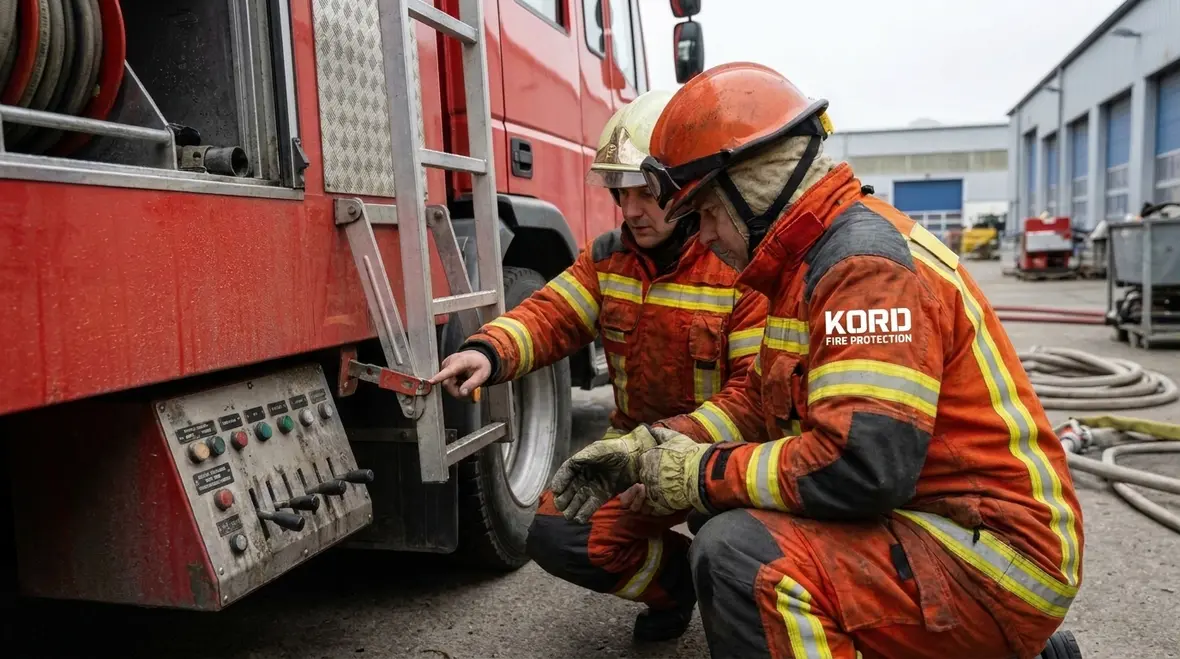
What a Compliant Elevating Platform Should Support
At a practical level, the apparatus should allow crews to reach upper levels safely, keep controls easy to understand, and maintain steady performance during critical work. Moreover, the platform should support clear rescue paths, dependable movement, and safe load capacity. These features matter in commercial and industrial settings where access can be tight, surfaces can vary, and time can move like a villain in a chase scene. When the standard guides design and inspection, the result is a more dependable tool for the job.
Safety focus
Fire crews need stable access, reliable controls, and strong fall protection. In addition, the platform should support safe movement, clear footing, and features that limit surprise failures. Stability and confidence are not bonuses here. They are the baseline.
Operational value
Facilities gain faster access, better reach, and less downtime. Therefore, the apparatus can support emergency response without turning routine checks into all day drama. When the platform behaves as expected, everyone works with more confidence and less second guessing.
Beyond the checklist
Compliance is useful because it translates technical expectations into repeatable performance. It gives buyers something stronger than guesswork, gives service teams a structured target, and gives operators a platform that is easier to trust. In demanding environments, that trust matters. The more an elevating platform can do exactly what crews expect, the less room there is for hesitation, workarounds, and bad surprises.
How Industrial and Commercial Sites Use the Standard to Guide Planning
Industrial and commercial sites often face unique hazards. For example, warehouses may have tall racking, plants may have complex layouts, and retail centers may have dense public access zones. Because of that, fire apparatus planning must account for height, access, turning space, and safe staging. Fire truck elevating platform NFPA standards give teams a strong reference point when matching apparatus capability to site needs. That makes planning less guesswork and more good judgment, which is always a nice upgrade.
Planning questions worth asking early
Can the apparatus reach where crews may actually need to work? Is there enough clearance for setup and operation? Are surfaces stable enough for staging? Do nearby structures, utilities, or site features interfere with movement? Those are not dramatic questions, but they are very important questions. They help connect the standard to the reality of each site instead of pretending every property was designed on a wide open movie set with perfect access and cooperative weather.
Planning with the standard in mind also improves coordination between safety managers, facility operators, fire protection contractors, and response stakeholders. Everyone gets a clearer basis for conversations about readiness, apparatus capability, maintenance responsibility, and operational fit. That usually leads to fewer assumptions and fewer moments where somebody says, “Wait, we thought someone else handled that.”
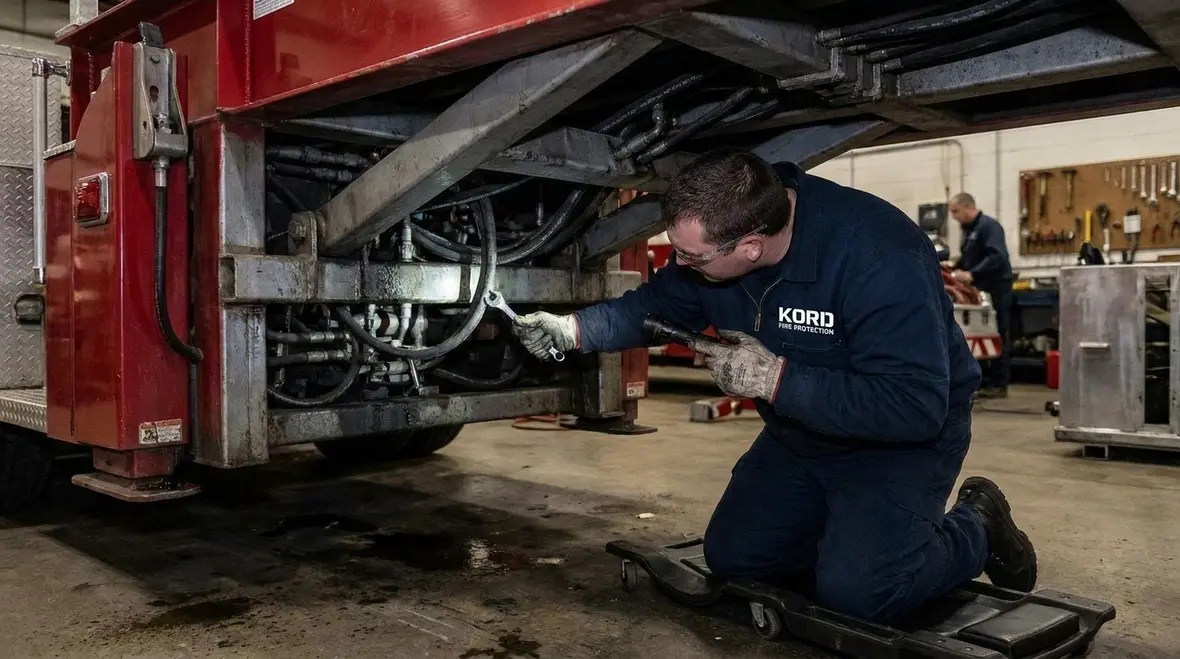
Why Inspections and Service Matter Under NFPA 1900
Even the best platform needs regular care. Moving parts wear down, controls drift, and hydraulic systems do not enjoy being ignored. Therefore, inspection and service routines become a key part of compliance and safe use. Teams should check the platform structure, controls, safety devices, and operating performance on a steady schedule. When service work stays disciplined, the apparatus stays ready, and the people using it can focus on the job instead of wondering what that strange noise was.
Consistency beats heroics
The point of a strong maintenance routine is not to create paperwork for the sake of paperwork. It is to catch wear, drift, damage, and performance issues before they become scene problems. Consistent inspection also supports documentation, accountability, and better long term asset management. That is a lot better than crossing your fingers and hoping the equipment feels cooperative on the one day it really cannot afford to be moody.
For teams working through larger compliance goals, the broader conversation around apparatus expectations may also overlap with Kord Fire Protection’s coverage of the NFPA 1900 standard, which helps place Section 20.15 into a wider fire apparatus context.
How Kord Fire Protection Supports Elevating Platform Readiness
Kord Fire Protection can become a vital partner for this service and job because it helps keep elevating platform systems ready, safe, and aligned with fire truck elevating platform NFPA standards. Their support can include inspection, servicing, compliance focused maintenance, and practical advice for teams that manage fire apparatus in demanding environments. As a result, industrial and commercial operators gain a partner that understands both safety and uptime. That is important, because when a platform is needed, it is not the time for improvisation or wishful thinking.
A practical partner for readiness
Kord Fire Protection’s service approach is a good fit for teams that need consistent support instead of occasional attention. When inspection, testing, repair planning, and system awareness all move together, readiness becomes easier to manage. That helps facilities stay focused on operations while still respecting the reality that fire protection equipment must be dependable when called upon. Nobody wants emergency gear that performs like it is negotiating terms first.
FAQ
Conclusion
NFPA 1900 Section 20.15 gives fire apparatus teams a stronger path toward safer elevating platform use. For industrial and commercial sites, that means better planning, better service, and better outcomes when response time matters. The standard helps translate complex equipment expectations into practical decisions about access, operation, maintenance, and readiness.
Kord Fire Protection can help keep that equipment ready and reliable, so the work stays focused on safety, not surprises. For teams that value uptime and compliance, the next step is simple: partner with experts who keep the platform ready before the call comes in. That is a much better plan than hoping everything sorts itself out with perfect timing and cinematic luck.

Join Our Newsletter!
Get the latest fire safety tips delivered straight to your inbox From our Newsletter.