NFPA 1900 Section 18.3 Foam Proportioning System Design
Quick Answer
NFPA 1900 Section 18.3 sets the rules for foam proportioning system design in fire apparatus. In simple terms, it helps ensure the system mixes foam and water at the right rate, under the right conditions, so industrial, commercial, and facility fire crews can trust the equipment when the heat turns serious.
In the world of foam proportioning fire apparatus NFPA compliance, the details matter more than most people ever want to admit. Yet those details decide whether a system performs smoothly or acts like a drama queen on the worst possible day. NFPA 1900 Section 18.3 guides the design of foam proportioning systems so they deliver reliable foam flow for modern fire response. For industrial sites, retail hubs, warehouses, airports, and large facilities, that reliability is not just useful. It is mission critical.
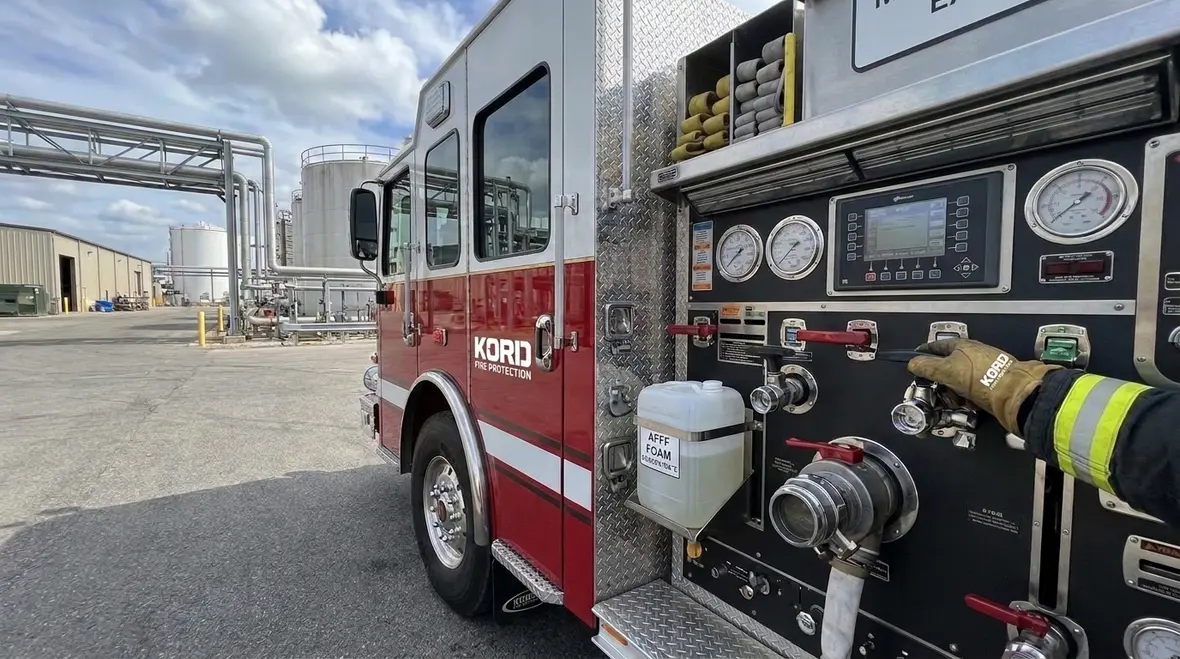
When foam is needed, the apparatus must mix, deliver, and control it with steady accuracy. Therefore, the design requirements in Section 18.3 help reduce error, improve safety, and support better fire suppression outcomes. This is where foam fire suppression system services from Kord Fire Protection can become a vital partner. Their service expertise can help teams choose, install, test, and maintain foam systems that support both compliance and real world performance. In other words, they help keep the machine from getting moody.
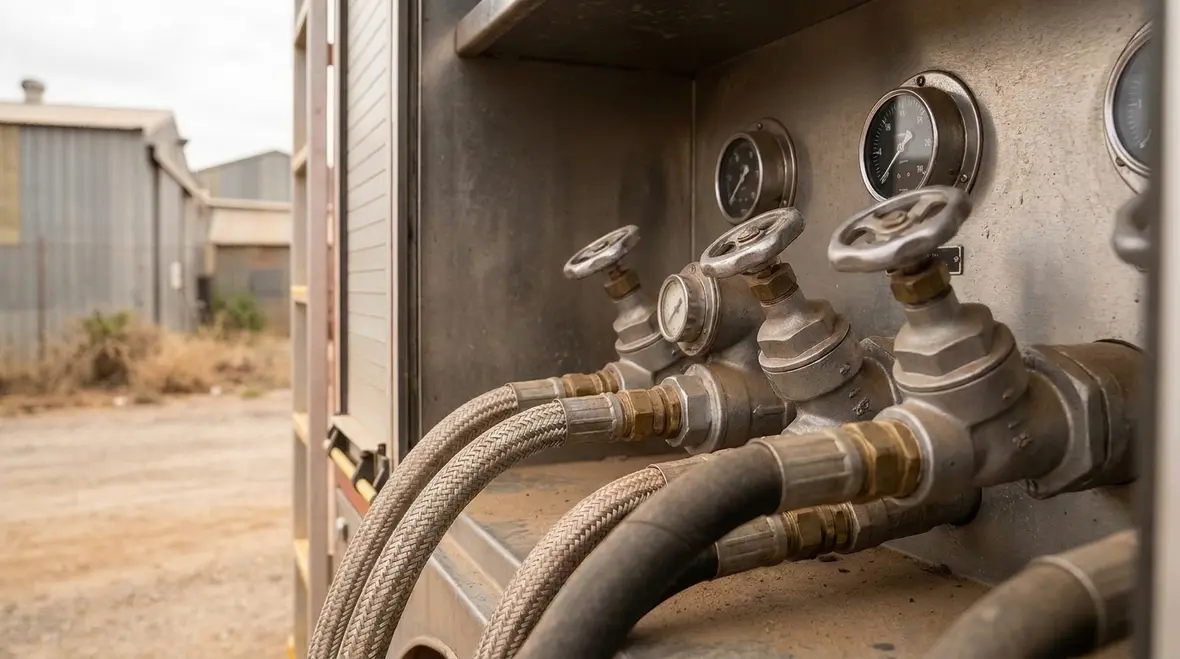
What NFPA 1900 Section 18.3 Covers in Practice
Section 18.3 focuses on how the foam proportioning system must be built and arranged so it can perform as intended. It addresses the design side of the job, not just the final foam output. As a result, the system must support proper mix rates, stable operation, and dependable use across the full working range of the apparatus.
For fire protection teams, this means the system should not only exist on paper. It must work in real conditions, with real pressure changes, real flow demand, and real response times. That matters especially in industrial and commercial settings where flammable liquids, chemical storage, and high value assets may need fast suppression.
Design intent matters as much as hardware
A foam proportioning setup is only as good as the thinking behind it. Section 18.3 pushes designers to consider how components behave together under changing conditions, not how they look on a nice clean schematic. Pumps, plumbing routes, metering devices, and controls all need to play nicely together. If they do not, the result can be inconsistent proportioning, delayed response, and the kind of troubleshooting session nobody wanted to schedule.
That practical focus connects well with Kord Fire Protection’s broader NFPA 1900 standard resource, which helps place Section 18.3 inside the larger apparatus compliance picture.
How Foam Proportioning Fire Apparatus NFPA Design Supports Reliability
A foam proportioning fire apparatus NFPA aligned design helps keep the foam concentrate and water mixture consistent. That consistency supports the right foam quality, which in turn helps suppression efforts stay effective. If the system under proportions or over proportions, the foam can lose performance, waste concentrate, or create operational trouble.
Because of that, the design must account for system response, plumbing layout, controls, and compatibility with the apparatus. It also must work with the expected pump output and nozzle demand. When the design is solid, the apparatus can respond with less guesswork and more confidence. That is the kind of confidence teams want when alarms ring and everyone suddenly develops a deep respect for pump curves.
Consistency is not a luxury
Foam performance depends on proportioning accuracy staying stable across different flows and operating conditions. A system that behaves nicely at one rate but wanders off at another is not reliable, it is just selectively cooperative. The design stage is where those problems are reduced before they become field headaches. Good layout decisions can limit pressure loss, improve service access, and help operators trust what the apparatus is doing without needing to second guess every control setting.
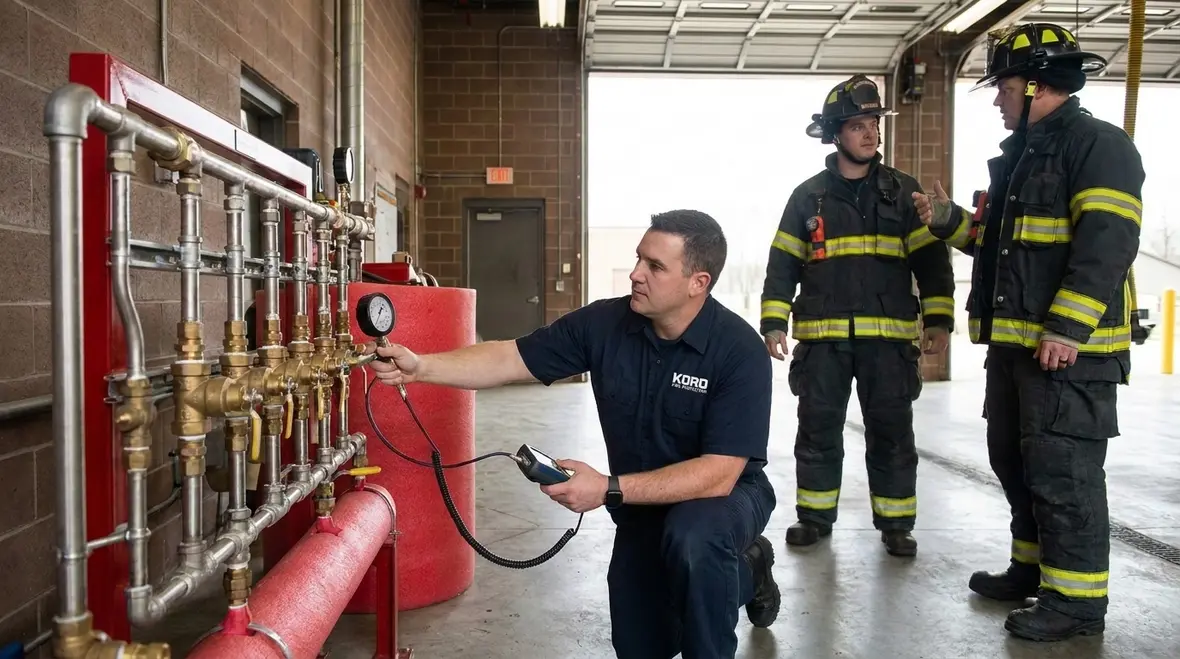
What Facility Teams Should Check in the Design Stage
Industrial and commercial facilities should look beyond basic compliance and ask how the system fits the real site needs. The design should support the target hazard, the foam type, the water supply, and the operating pattern of the apparatus. It should also allow for testing and service without turning routine maintenance into a full day event.
| Design Focus | Why It Matters |
| Mix accuracy | Keeps foam performance stable during response |
| Flow range | Supports different fire conditions and discharge demands |
| System layout | Helps reduce pressure loss and improves reliability |
| Controls and access | Makes testing, operation, and service easier |
At the same time, teams should think about how the system will age. Wear, contamination, and poor maintenance can affect performance over time. Therefore, smart design makes future inspections and repairs simpler, which saves time and supports long term readiness.
Useful design questions before installation
Will the system maintain accurate proportioning across the apparatus’s expected flow range?
Can technicians access controls, valves, and test points without dismantling half the truck?
Does the plumbing layout reduce avoidable pressure loss and support stable operation?
Is the selected foam concentrate compatible with the intended hazards and operating strategy?
Will inspection and maintenance be realistic for the team that actually has to perform them?
Why Testing and Service Matter for Foam Performance
Even a well designed system can drift if it is not checked. Foam proportioning systems need routine testing to confirm that the mix stays within expected limits. They also need service work that catches worn parts, blocked lines, damaged valves, and control issues before they become costly problems.
For facilities that depend on fire apparatus readiness, this is where outside support becomes valuable. Kord Fire Protection can bring practical service knowledge to inspection, testing, repairs, and system care. Their role can help teams keep foam systems working the way NFPA 1900 expects, while also reducing downtime and helping protect operations. That is a win for compliance, and honestly, a win for everyone who dislikes surprise equipment failures.
Maintenance keeps accuracy from drifting
Over time, concentrate quality can change, valves can stick, sensors can wander, and small restrictions can grow into bigger performance problems. None of that tends to announce itself with a polite calendar invite. Routine testing provides proof that the system still performs as intended, while maintenance helps correct the little issues before they pile into one expensive and badly timed failure.
Facilities that want a more complete service path can also explore Kord Fire Protection’s foam fire suppression inspection requirements and service resource for added context on inspections, documentation, and readiness planning.
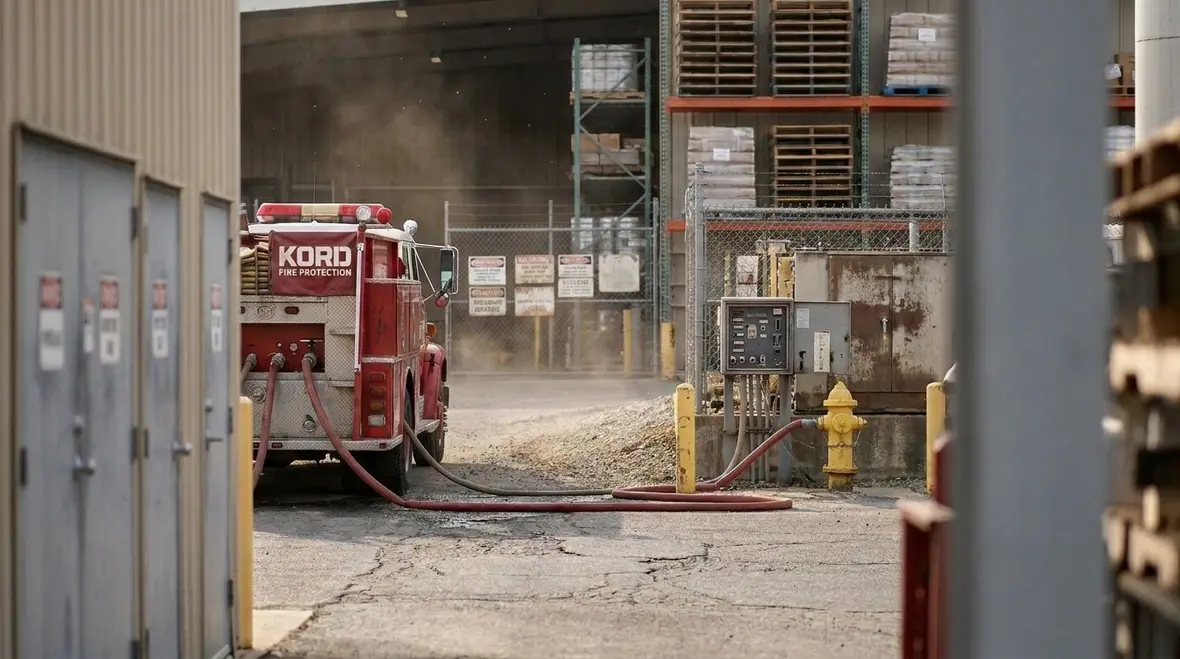
How Kord Fire Protection Becomes a Vital Partner
Kord Fire Protection can support the full life of the system, from early planning through ongoing maintenance. They can help assess whether the foam proportioning fire apparatus NFPA design suits the site, the risk level, and the equipment in use. They can also assist with upgrades when older systems no longer meet the needs of a growing facility.
Just as important, they can help translate technical requirements into clear action. That means better choices during design, smoother installation, and more dependable service after commissioning. For industrial plants, transport hubs, storage sites, and retail complexes, that kind of support can make the difference between a system that merely exists and one that truly protects.
Kord Fire Protection’s foam suppression service resources describe support for system design, inspection, testing, maintenance, repairs, documentation, and emergency response, making that partnership especially useful for facilities that need both compliance and practical readiness.
Where NFPA 1900 Section 18.3 Fits in a Bigger Fire Protection Plan
Section 18.3 does not stand alone. It sits inside a larger fire protection plan that includes risk review, apparatus selection, maintenance, training, and inspection. Therefore, compliance should never be treated like a box to tick and forget. It should guide a broader strategy that keeps the entire response system ready for action.
A strong foam system design supports faster response, lower loss, and better control when fire risk rises. In that sense, the standard does more than shape equipment. It shapes confidence. And that confidence is built not just on specifications, but on how well the system is installed, tested, serviced, and understood by the people expected to use it.
Part of a larger readiness mindset
The most dependable outcome comes when design, inspection, training, documentation, and corrective service all work together. A facility may have a technically impressive foam setup, but if it is poorly maintained or awkward to test, readiness starts slipping fast. Section 18.3 helps keep the design foundation strong so the rest of the protection plan has something solid to stand on.
FAQ
Conclusion
NFPA 1900 Section 18.3 gives facilities a clear path to safer, more reliable foam proportioning systems. That means better performance when it matters most, along with stronger confidence that the apparatus will mix and deliver foam the way the incident demands. When design, layout, controls, and testing all support each other, teams are far less likely to discover a weakness at exactly the wrong moment.
Kord Fire Protection can help turn those requirements into practical results. For design review, testing, upgrades, inspection support, or ongoing service, their team can help keep fire apparatus ready and businesses better protected. That is good for compliance, good for operations, and very good for anyone who prefers their foam system calm, accurate, and not auditioning for chaos.

Join Our Newsletter!
Get the latest fire safety tips delivered straight to your inbox From our Newsletter.