NFPA 1900 Section 17.2 Water Tank Construction for Fire Apparatus
Quick Answer: NFPA 1900 Section 17.2 sets the standard for how fire apparatus water tanks should be built, mounted, sealed, and tested so they perform under real emergency pressure. For industrial, commercial, and facility fleets, it supports safer response, better durability, and fewer costly failures. A skilled partner like Kord Fire Protection can help keep those tanks compliant and ready.
Fire truck water tank construction NFPA rules may sound dry, but they matter when a tank is expected to hold thousands of litres and behave like a champion under pressure. In fact, NFPA 1900 Section 17.2 gives a clear path for tank design, strength, fittings, access, and testing. That matters for industrial sites, retail centres, and commercial facilities that depend on reliable response equipment. When a tank fails, the whole truck becomes an expensive water taxi with sirens. Nobody wants that.
Near the start of any compliance conversation, it also helps to think bigger than the tank itself. Fire apparatus readiness fits naturally into a broader full fire protection services program, especially when inspections, repairs, and response planning all need to work together instead of living in separate silos and pretending that is efficient.
What NFPA 1900 Section 17.2 Covers
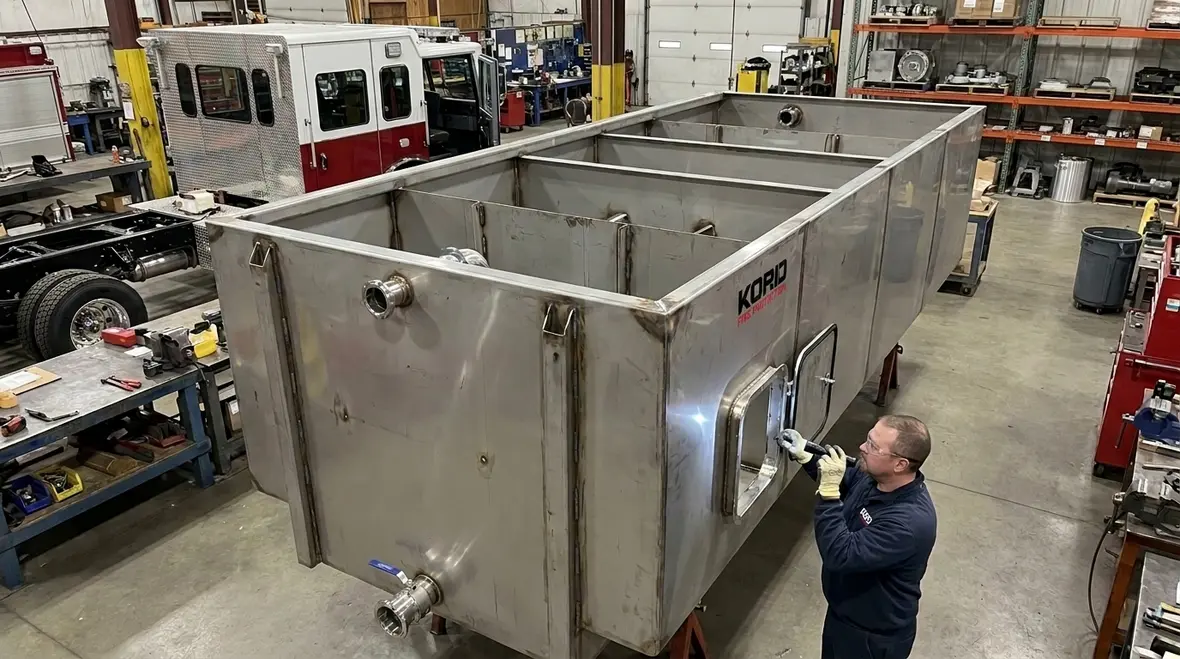
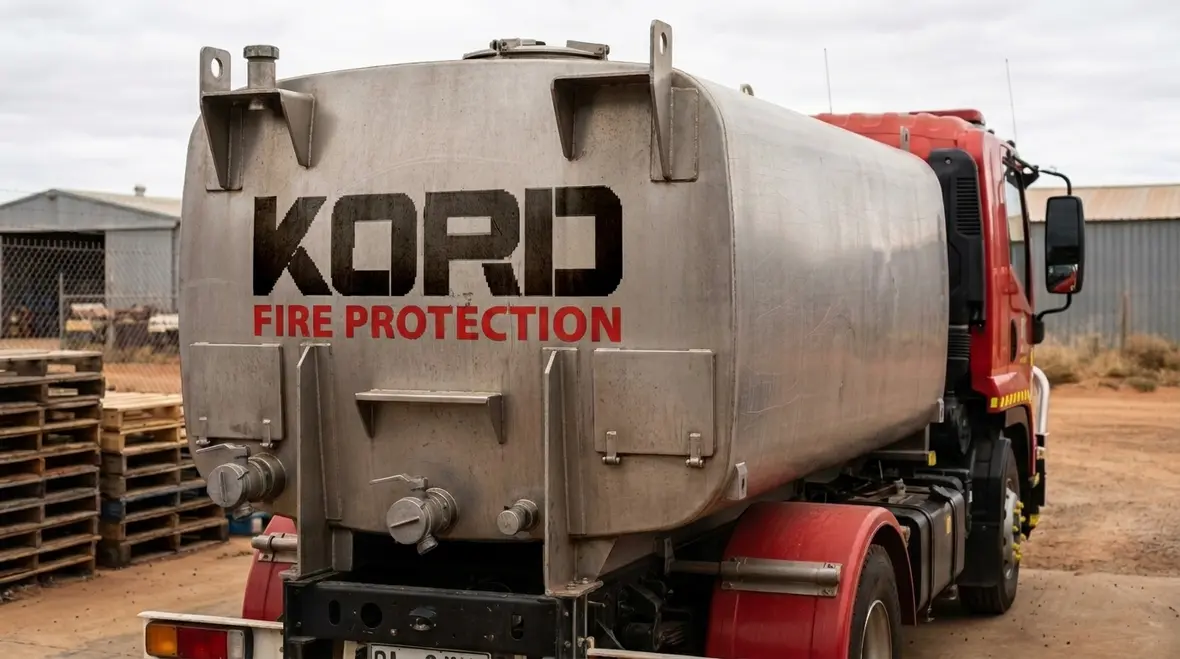
Section 17.2 focuses on water tank construction for fire apparatus. It lays out how tanks must be built so they can carry water safely, resist stress during travel, and perform during fireground use. The standard looks at materials, tank shape, internal supports, fill points, drains, overflows, and the way the tank connects to the truck chassis.
In practice, this means the tank must do more than simply store water. It must stay stable when the vehicle brakes hard, turns sharply, or moves over uneven access roads. That is a big deal for facilities with long driveways, yard traffic, and mixed surface conditions. The tank must stay quiet, strong, and leak free. Like a well trained stage actor, it should stay in place and not improvise.
More Than a Box That Holds Water
A properly built fire apparatus tank needs to behave as part of the vehicle, not as cargo that happens to be riding along. That means it must deal with surge forces, vibration, repeated filling and draining, and the occasional less than graceful road surface. Section 17.2 exists because reliability is rarely an accident. It is usually the result of someone being very specific long before the truck ever rolls out.
Why Tank Construction Matters for Facilities
For industrial and commercial operators, fire apparatus often serves as a first line tool in emergency response plans. Therefore, tank reliability directly affects asset protection, business continuity, and site safety. A poorly built or poorly maintained water tank can lead to slow response, lost water, and more damage during an incident.
NFPA 1900 Section 17.2 helps reduce that risk by setting a clear baseline. It supports better tank life, better pumping performance, and fewer service interruptions. In a retail centre or warehouse setting, those benefits can be the difference between a small event and a very bad day that makes the news for all the wrong reasons.
It also improves decision making for owners and maintenance leads. When there is a recognized standard behind the work, teams can evaluate repairs, inspections, and replacement needs with a lot more confidence. That tends to reduce the guesswork, reduce the arguments, and reduce the classic scenario where everyone nods seriously around a problem while secretly hoping someone else will solve it first.
How Fire Truck Water Tank Construction NFPA Rules Improve Safety
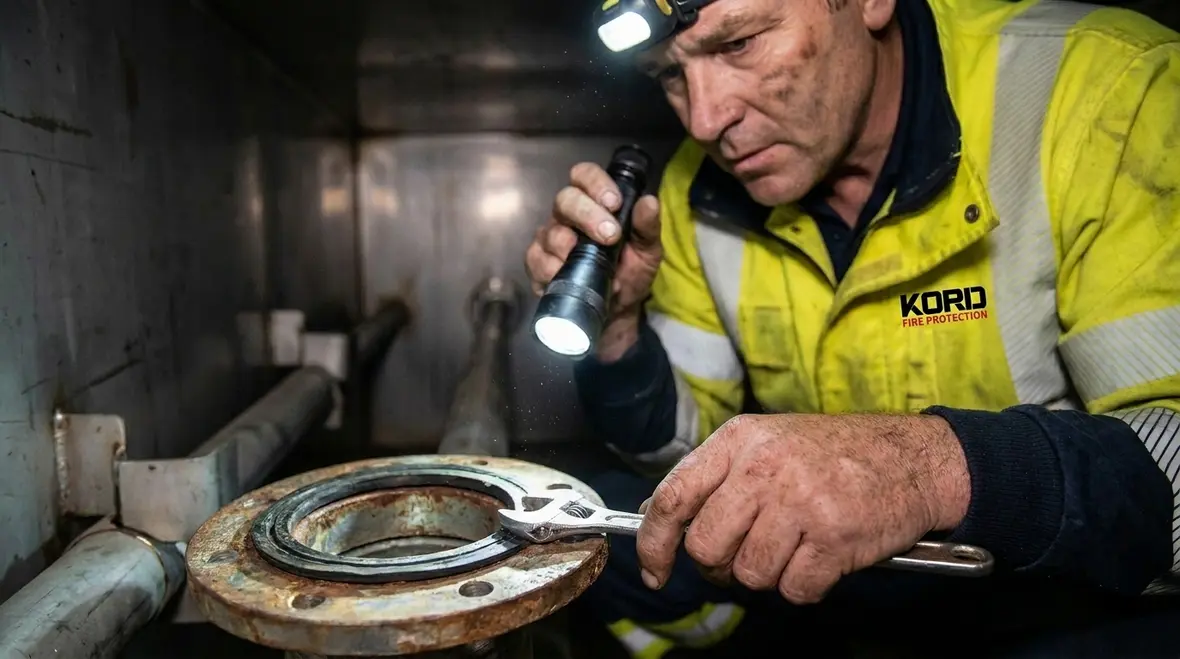
The standard pushes manufacturers and service teams to pay close attention to the parts that often get ignored until something leaks. For example, tank walls must handle vibration and movement. Also, fittings must stay secure under pressure. In addition, access points must allow inspection and cleaning without causing damage.
That kind of detail matters because water tanks face rough use. They sit exposed to heat, vibration, chemical residue, and continuous loading cycles. As a result, good construction reduces cracking, weak seams, and hidden wear. It also helps the crew trust the truck when every second counts. And trust, in fire service work, is not a luxury. It is the whole game.
Where Safety Shows Up in the Real World
Safety is not just about whether a tank looks solid in the workshop. It shows up when a driver brakes suddenly, when a pump operator expects steady supply, and when a maintenance technician needs access without fighting poor design. A strong tank setup helps the entire apparatus behave more predictably. Predictable is a boring word, but in emergency equipment, boring is beautiful.
What Good Tank Design Looks Like in Practice
| Design Element | Why It Matters |
|---|---|
| Strong tank material | Helps resist heat, impact, and long term wear |
| Secure mounting | Prevents shifting during travel and emergency stops |
| Proper baffles | Reduces water surge and improves vehicle control |
| Reliable fill and drain points | Makes service faster and helps prevent leaks |
| Inspection access | Supports cleaning, repair, and compliance checks |
Each of these features supports safer operation. Moreover, they help maintenance teams spot problems early. When a tank is built well, it does not ask for attention every month like a teenager with a broken phone charger. It simply does its job.
That practical design thinking pairs well with related guidance on water storage tank inspection priorities, because construction quality and inspection discipline work best when they support each other instead of operating like distant cousins who only meet at code meetings.
Design Choices That Save Trouble Later
Good design often looks ordinary until you compare it with bad design. Then the difference becomes painfully obvious. Secure mounting reduces stress transfer. Thoughtful baffle placement helps vehicle handling. Accessible inspection openings make routine checks faster and cleaner. Reliable drains and fill points shorten service time and make leaks easier to catch before they become expensive little fountains.
How Compliance and Maintenance Work Together
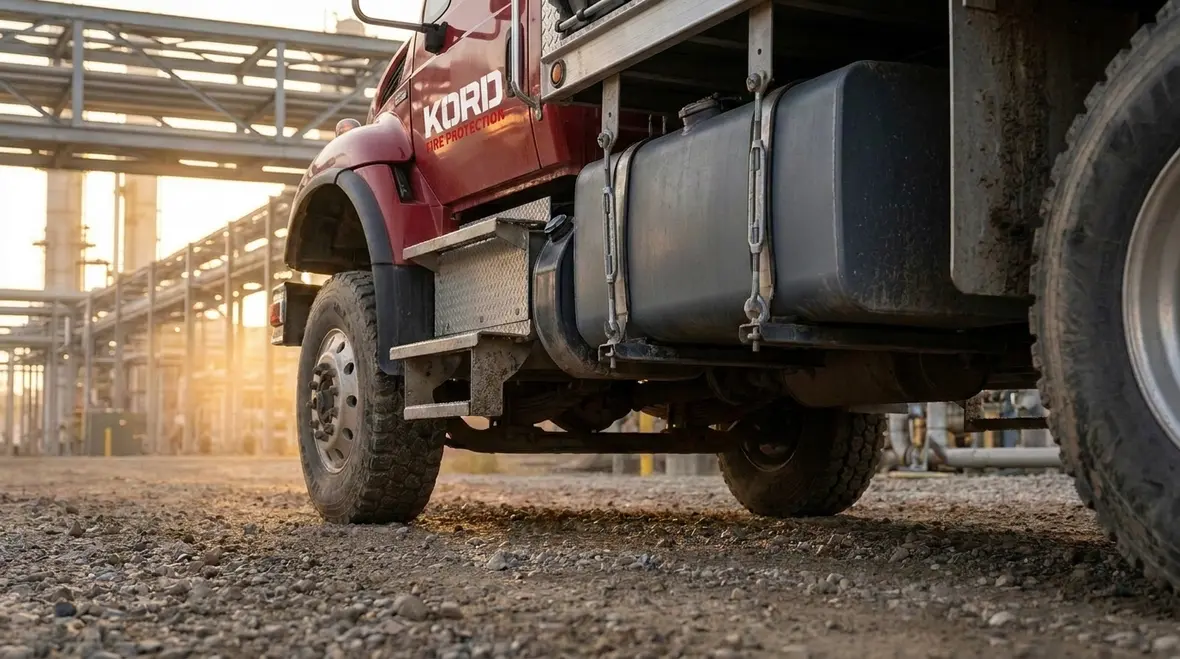
Even the best tank will not stay compliant forever without care. That is why inspection and maintenance matter just as much as construction. Service teams should check for corrosion, seal wear, loose fittings, internal damage, and signs of movement at the mounting points.
Furthermore, testing should confirm that the tank still holds water, drains correctly, and works with the pump system as intended. A strong maintenance plan helps facilities avoid downtime and keeps the apparatus ready for emergency use. In short, construction builds the foundation, but maintenance keeps the house standing when the weather turns ugly.
This is also where standards awareness becomes useful rather than theoretical. Teams that understand the intent behind tank construction requirements are better at spotting early warning signs. They are more likely to question a shifting mount, investigate a recurring seep, or take a suspicious fitting seriously before it graduates into a full blown headache.
Why Kord Fire Protection Can Be a Vital Partner
Kord Fire Protection can become a vital partner because tank compliance is not only about metal, seals, and paperwork. It is about keeping the whole fire apparatus ready for real work. Kord Fire Protection can support inspections, servicing, repair planning, and compliance focused maintenance for fire truck water tank systems.
For industrial, retail, and commercial sites, that partnership brings practical value. Kord Fire Protection can help identify issues before they become failures, guide teams through standards based upkeep, and keep equipment aligned with operational needs. That support can save time, reduce risk, and help site managers sleep a little easier. Not because the job is glamorous. Because it works.
If a team is trying to connect apparatus readiness with broader building protection, Kord also publishes guidance on the full lifecycle of fire protection servicing. That perspective fits nicely here because tanks do not live in isolation. They belong to a larger protection strategy that only succeeds when service, testing, documentation, and follow through all show up on time.
How to Choose the Right Service Support
Facility managers should look for a provider that understands fire apparatus, not just general mechanical work. They should also want clear reporting, fast response, and a strong focus on standards. Above all, they need a partner who can speak both compliance and real world operations without turning every meeting into a marathon of jargon.
When service teams know NFPA expectations and understand site demands, they can deliver better outcomes. That means fewer surprises, better uptime, and a water tank that is ready when needed.
FAQ
Conclusion
NFPA 1900 Section 17.2 gives fire apparatus water tanks the structure they need to perform safely and reliably. That means better readiness, lower risk, and stronger protection for facilities that depend on equipment doing exactly what it is supposed to do, exactly when it is supposed to do it.
Kord Fire Protection can help keep that system in shape with practical service and compliance support. If the goal is dependable response, then the tank, the truck, and the team all need to pull in the same direction. For readers wanting related standard context, see NFPA 1900 Standard.

Join Our Newsletter!
Get the latest fire safety tips delivered straight to your inbox From our Newsletter.