
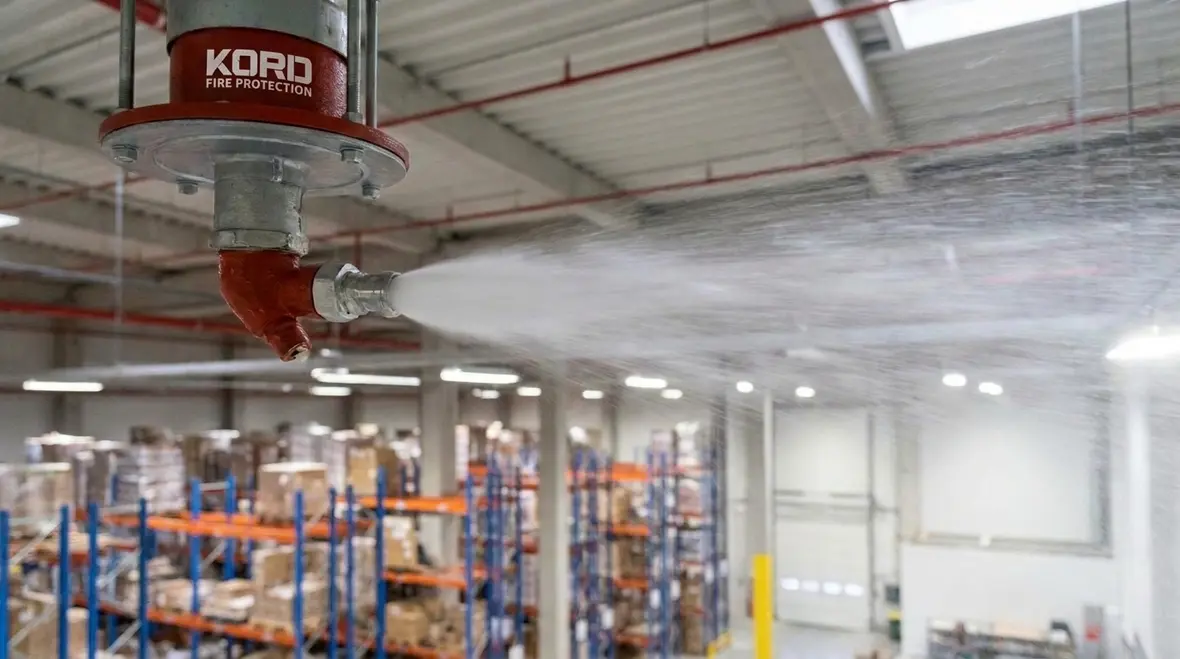
NFPA 16 Section 6.2 Discharge Devices for Foam Systems
Quick Answer
NFPA 16 Section 6.2 sets the rules for discharge devices in foam water sprinkler and spray systems. It guides how foam solution must spread, cover, and perform in real fire conditions. For industrial, retail, and commercial sites, Kord Fire Protection can help design, supply, install, and maintain systems that meet the standard and work when it counts.
If a facility is already reviewing higher hazard protection options, Kord Fire Protection’s foam fire suppression systems service is a natural next step for understanding where foam belongs, how it performs, and why proper discharge matters from day one. That link belongs near the top because nobody enjoys reading a full code article only to realize the practical help was hiding in the basement.
NFPA 16 Section 6.2: Why Discharge Devices Matter
NFPA 16 Section 6.2 focuses on the parts that deliver foam where fire risk lives and grows. These NFPA 16 discharge devices decide how well a system throws foam solution onto hazards, equipment, and storage areas. In other words, the device is not just a fitting on the ceiling. It is the voice of the whole system. If that voice is weak, the message gets lost. And fire, unlike office emails, does not wait for a better time.
For facilities that handle flammable liquids, process areas, fuel storage, loading zones, or high value commercial assets, foam water sprinkler discharge devices must perform with care and precision. They must spread foam in the right pattern, at the right rate, and over the right area. That is the heart of Section 6.2, and it is also why design conversations tend to get very serious very quickly.
What Section 6.2 Covers in Plain English
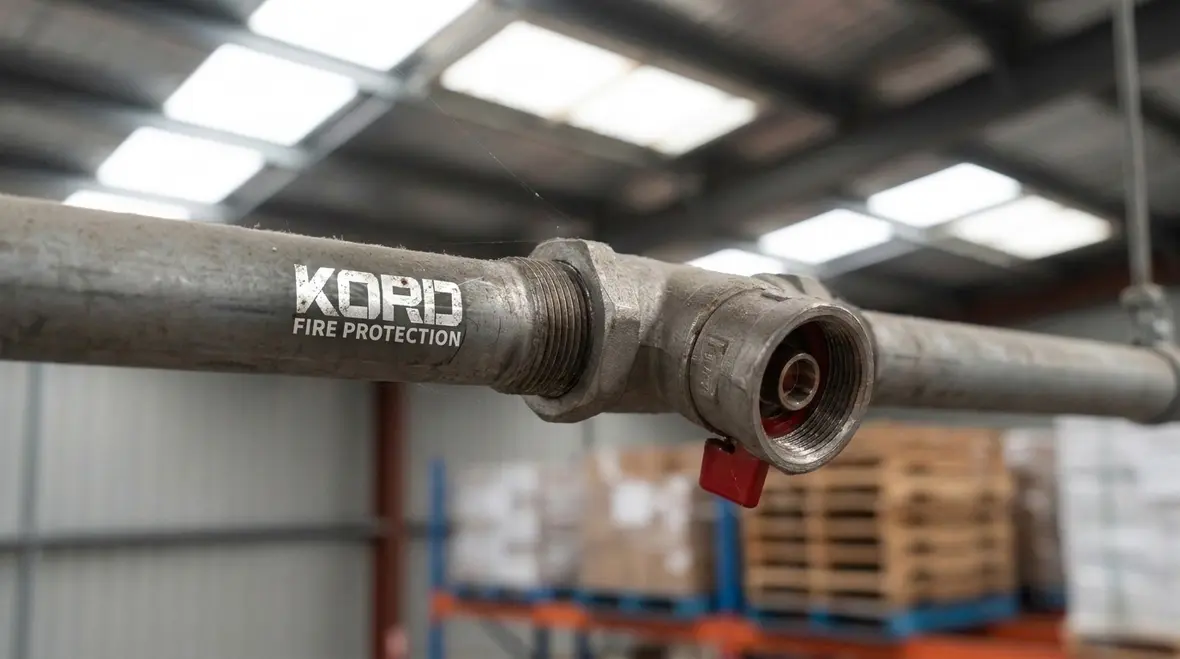
Section 6.2 deals with the discharge devices used in foam water sprinkler and spray systems. These parts control how the foam solution leaves the piping and reaches the fire area. They include foam water sprinkler discharge devices and fire suppression nozzles that are chosen for the hazard and the system design.
The standard expects the devices to deliver foam in a way that supports coverage, drainage, and fire control. This matters because foam must blanket the fuel surface or protect exposed equipment without delay. If the discharge pattern is poor, the system may miss key areas. That is a problem no one wants, especially when the clock starts ticking.
How this plays out beyond the drawing set
On paper, a nozzle may look like a simple component. In practice, its pattern, orientation, flow rate, and placement can change how foam forms, drains, and clings to a hazard area. A device that is perfect for one hazard might perform poorly over another. That is why engineers do not just point at a catalog and hope for the best. Well, the good ones do not.
This is also where related guidance becomes useful. Kord Fire Protection has a dedicated resource on the NFPA 16 standard, which helps connect Section 6.2 to the broader system requirements around foam proportioning, layout, and performance. One clause makes more sense when it is not standing alone looking awkward at the party.
How the Discharge Devices Perform in Real Sites
In industrial and commercial settings, the device must suit the hazard. A storage bay may need a different discharge pattern than a plant room or a loading dock. Likewise, commercial buildings with back of house risks may need a careful mix of foam coverage and spray control.
Good design looks at pressure, flow, throw distance, droplet pattern, and placement. It also looks at how the foam behaves once it lands. Some sites need wider coverage. Others need a tighter spray to avoid waste and improve control. Either way, the device must match the job, not just the drawing.
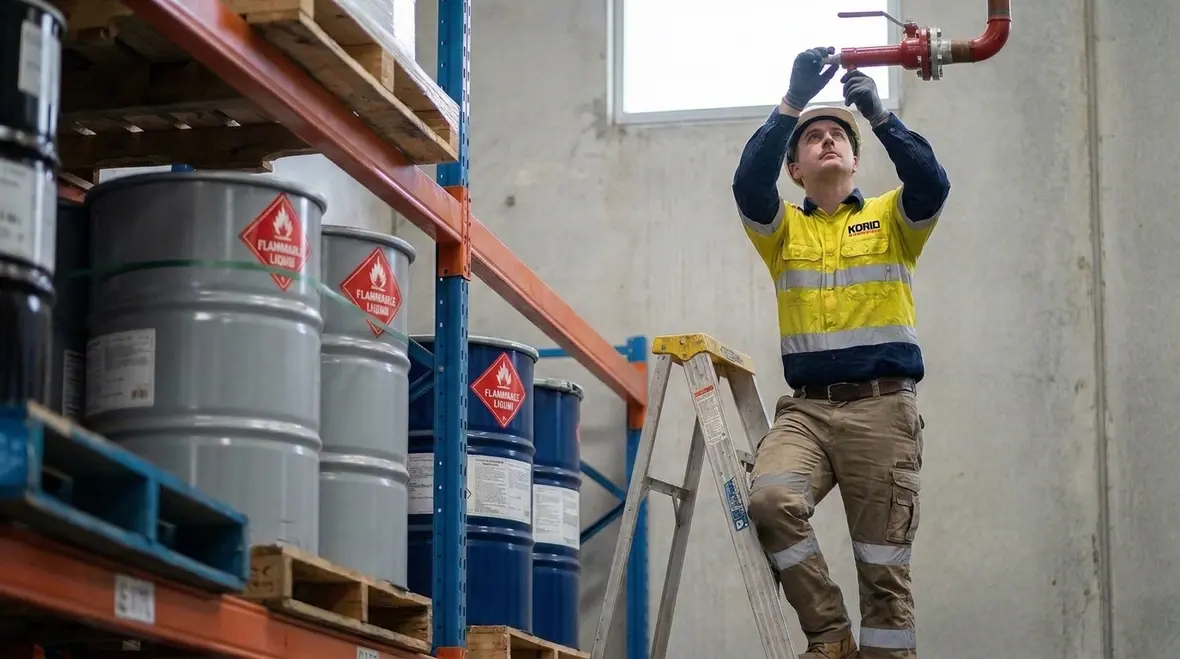
This point matters even more where flammable liquids are part of the daily routine. Kord Fire Protection’s related content on foam system fire protection for flammable liquids highlights the same practical truth: foam strategy should be selected around fuel type, storage method, and site layout, not vibes and wishful thinking. That is funny because it is true, and slightly alarming because it is true.
Why placement changes everything
Placement affects whether foam reaches shielded areas, whether overlapping spray creates stronger coverage, and whether exposed equipment receives the intended protection. A great discharge device in the wrong position is still the wrong answer. That is one of those truths that sounds obvious until somebody learns it during testing instead of during design.
Dual Column Overview of Key Considerations
Design Factor
Device type
Coverage area
Discharge pattern
Pressure and flow
Hazard type
Why It Matters
It shapes foam spread and control
It helps protect the full hazard zone
It affects how foam lands and flows
They support proper system performance
It guides the right device choice
Taken together, these factors explain why Section 6.2 deserves more respect than it might get at first glance. The discharge device is where hydraulic intent becomes physical performance. If the foam does not arrive correctly, the rest of the design does not get a heroic second chance.
Why Compliance Is Not Just Paperwork
Compliance with NFPA 16 is more than a box to tick. It supports system reliability, insurer confidence, and safer site operations. It also helps facilities show that the system was built with care and tested with purpose. That matters for industrial, retail, and commercial sites that face different fire risks and serious safety expectations.
When discharge devices are selected or installed poorly, the system may fail during a fire test or real event. Then the cost grows fast. Repairs, downtime, lost stock, damaged assets, and a very bad day for everyone involved. So yes, the standard is serious. The fire is even more serious.
Testing, maintenance, and the long game
Selection is only part of the story. Ongoing inspection and maintenance help confirm that discharge devices stay clear, aligned, and ready to perform as designed. Kord Fire Protection also covers this practical side in its article on foam fire suppression system maintenance and testing, which is useful for facilities that want the code to keep working long after commissioning photos are taken and forgotten.
How Kord Fire Protection Helps on the Job
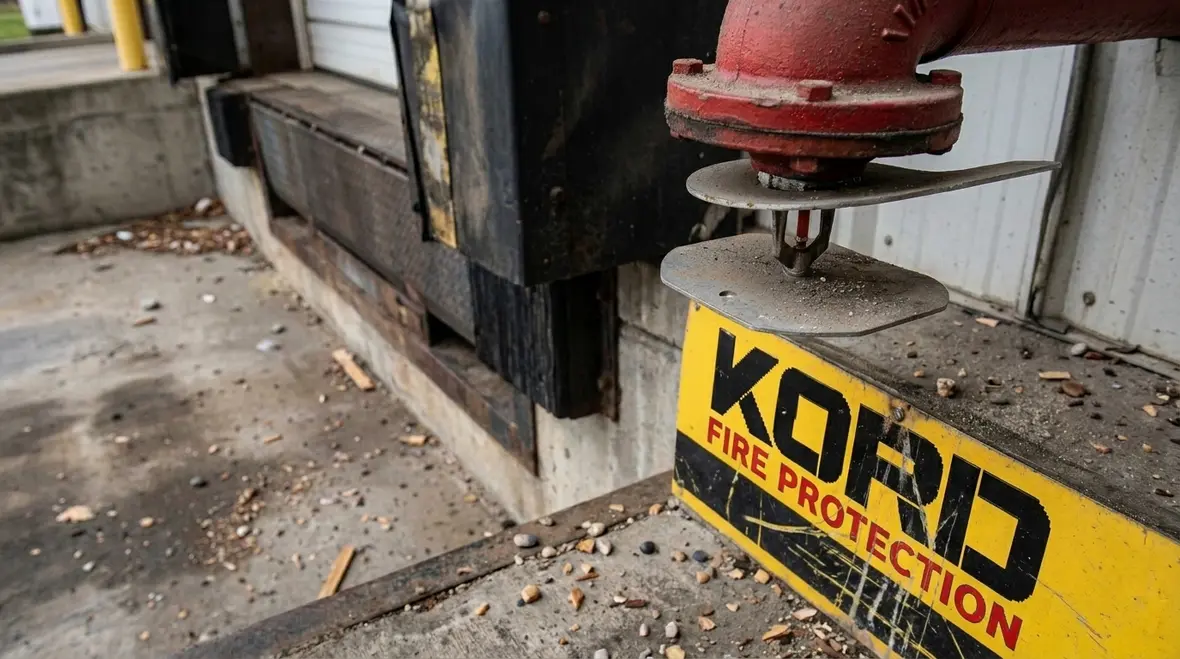
Kord Fire Protection can become a vital partner because this work needs more than parts on a truck. It needs technical skill, careful planning, and a team that understands both the standard and the site. Kord Fire Protection can assist with system design, product selection, installation, maintenance, and compliance support for foam water sprinkler and spray systems.
That help matters when a facility needs the right NFPA 16 discharge devices for a new build, a site upgrade, or a compliance review. It also matters when a business wants a trusted team to keep fire suppression nozzles and related equipment in working shape over time. In short, Kord Fire Protection helps turn a code requirement into real protection.
Facilities that are comparing foam with other strategies may also find value in Kord Fire Protection’s article on foam fire suppression vs water based sprinkler systems. It gives helpful context for why discharge behavior matters so much when the hazard involves fuel rather than ordinary combustibles.
Why Facilities Should Care Now
Many sites manage fuels, chemicals, machinery, stock, or valuable infrastructure. As a result, the need for correct foam system design keeps rising. Facilities managers, project teams, and safety leads cannot afford guesswork. They need devices that fit the risk, support the design, and meet the standard.
That is where experienced fire protection support pays off. The right partner helps reduce delays, avoid rework, and keep operations moving. And in business, as in fire safety, smooth delivery beats drama every time. No one wants a surprise ending.
FAQ
Bring the System in Line With the Standard
NFPA 16 discharge devices play a central role in foam water sprinkler and spray systems, and the details matter. For facilities that need dependable fire protection, Kord Fire Protection can help deliver a system that works with the site, the hazard, and the standard. Reach out to Kord Fire Protection to plan, upgrade, or maintain a foam system that stands ready when it is needed most.
The short version is simple. Pick the right device, place it correctly, maintain it properly, and tie the whole thing back to the standard instead of guesswork. That approach protects people, property, and schedules, which is a much nicer trio than panic, damage, and paperwork.

Join Our Newsletter!
Get the latest fire safety tips delivered straight to your inbox From our Newsletter.



