Foam Fire Suppression vs Water Based Sprinkler Systems
Foam Fire Suppression vs Water Based Sprinkler Systems: the real difference behind the pipes
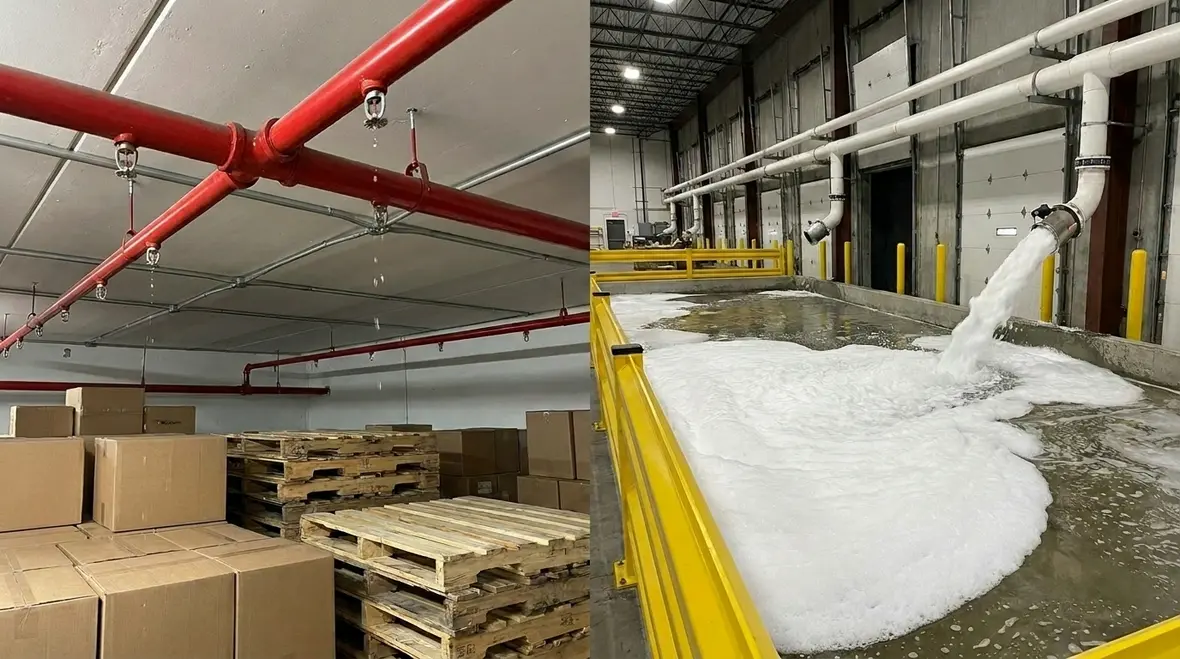
In the showdown of foam vs sprinkler fire suppression, the key story is how each system fights fire based on fuel type, airflow, and where the fire spreads. Water based sprinkler systems soak and cool, which often buys time and limits heat. Foam systems, however, can blanket flammable liquids and help stop vapors from igniting. In other words, sprinklers are like a steady firefighter with a hose, while foam is more like a fire’s worst surprise when the burnable stuff is floating on top.
As a result, choosing wrong can mean wasted downtime, extra damage, or unnecessary cost. Therefore, this article breaks down how these systems work, when each one shines, and how Kord Fire Protection can become a vital partner for the job from planning through support. If you are comparing system types for a higher hazard facility, Kord also offers a dedicated Foam Fire Suppression Systems service page that goes deeper into where foam belongs and why it matters.
How water based sprinkler systems protect buildings
Water based sprinkler systems rely on heat to release water. When temperatures rise, sprinkler heads activate and deliver water in a spray pattern designed to control the fire area. Then the water cools surfaces, slows combustion, and helps keep fire from spreading.
Importantly, sprinklers perform best when the fire involves ordinary combustibles like paper, textiles, and wood, or when the goal is to reduce heat release while occupants exit. Additionally, sprinklers can work alongside fire alarm and detection systems to trigger evacuation and response.
However, sprinklers may struggle with fires involving flammable liquids. Since water can spread burning liquids if it is not managed correctly, the fire can move faster than crews can react. That is why engineers often evaluate hazard classification, water supply capacity, and discharge patterns before finalizing designs.
Why sprinklers still dominate most standard interiors
For offices, schools, retail buildings, apartment structures, and many warehouse occupancies, sprinkler systems remain the practical workhorse. They are proven, widely understood, and easier to integrate into broader building protection strategies. Kord’s Fire Sprinkler Service page highlights support for design, installation, repairs, and maintenance, which matters because even a great sprinkler layout still depends on real world condition, water delivery, and inspection discipline.
What foam fire suppression actually does for flammable liquids
Foam fire suppression is built for specific hazards, especially where a layer of flammable liquid can ignite. Instead of only cooling, foam forms a blanket on the fuel surface. This blanket helps stop vapor release, which is the part that usually ignites first.
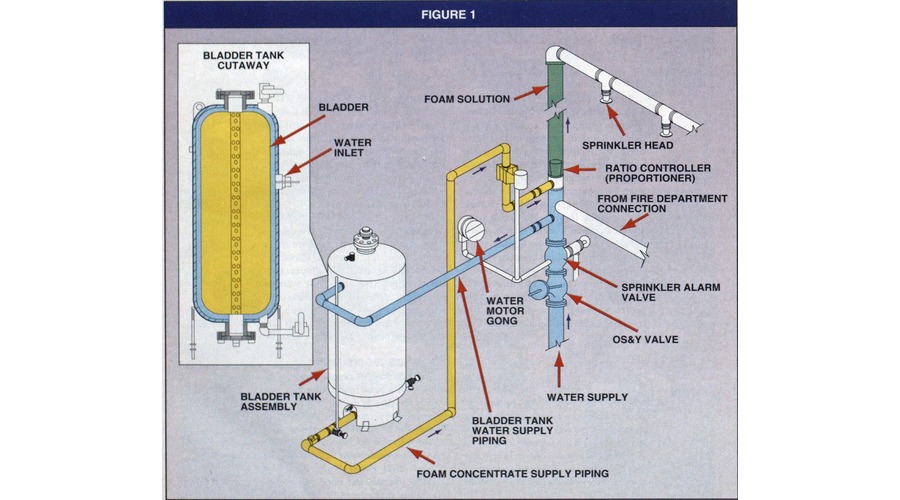
To make that happen, systems use a foam concentrate mixed with water and delivered through discharge devices. Then the foam expands or covers, depending on the design. Consequently, the fire gets starved of vapors and heat transfer changes at the fuel surface.
In practice, foam systems require careful selection of concentrate type, proportioning equipment, and application method. If the foam solution does not match the fuel and conditions, performance can fall off. Yes, fire does not care that someone used the wrong product. It burns anyway.
Where foam earns its keep
Foam is often the better choice in fuel storage areas, aircraft hangars, loading zones with liquid hazards, chemical processing spaces, and other locations where Class B fire behavior changes the rules. Kord’s Foam Fire Protection System Concentrate Guide explains why matching the concentrate to the hazard is not a side note. It is the whole ballgame wearing a hard hat.
Choosing between foam vs sprinkler fire suppression based on hazard
When teams decide on foam vs sprinkler fire suppression, they start with the hazard. Fuel type matters, because flammable liquids behave differently than solid combustibles. Ventilation also matters, because airflow can intensify flame spread. And geography matters too, since pooling, slopes, and drainage can move fire like it has a GPS.
For warehouses and typical building interiors, sprinklers often fit the main risk profile. Yet for settings such as tank farms, turbine fuel areas, aircraft hangars, and chemical storage, foam can become the more direct tool. It is not just about what stops flames. It is about controlling how the fire feeds itself.
In many projects, engineers also plan for both approaches in different zones. For example, sprinklers may protect structural spaces, while foam handles a flammable liquid release area. This layered thinking reduces blind spots and supports a smoother emergency response.
A layered strategy usually beats an either or argument
The smartest designs rarely come from forcing one technology into every corner of a facility. They come from matching risk to response. That is one reason many industrial teams compare foam, sprinklers, and even alternate options like water mist during planning. If your operation is evaluating specialized suppression in compact or sensitive spaces, Kord’s Water Mist System Service page offers another useful reference point for how different suppression methods can support the bigger picture.
Design, installation, and maintenance: where failures hide
Systems do not protect people on paper. They protect them in the real world, and the real world includes corrosion, aging valves, and supply issues that show up during inspections.
For water based sprinkler systems, the biggest risks often involve water supply performance, pipe sizing, and obstruction hazards. Over time, systems can face changes in building layout or added storage that blocks discharge coverage. Additionally, sprinkler heads can face damage during construction or upgrades.
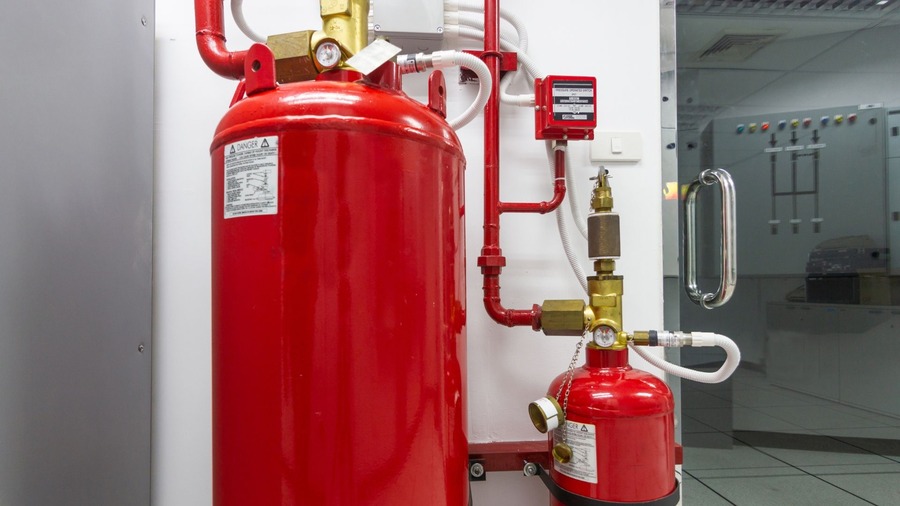
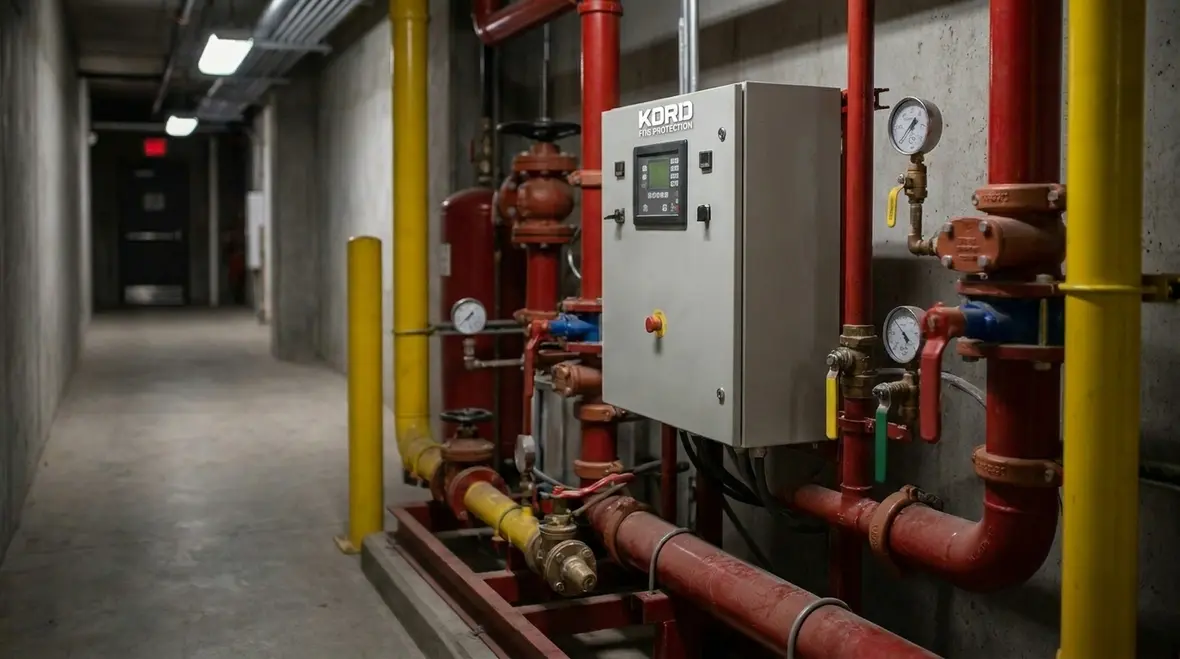
For foam systems, maintenance focuses on concentrate quality, proportioning accuracy, and operational readiness. Foam concentrates can degrade with time if stored improperly. Proportioning equipment must stay calibrated, and piping must remain clear. Furthermore, training matters, because response teams need to understand what the system is designed to do and when it should activate.
Therefore, a strong maintenance plan and documentation make the difference between a system that can perform and one that simply exists. If anyone tells them it should work, that person is being optimistic. Optimism is not an inspection report.
Testing is where confidence stops being a guess
That same logic applies to support equipment tied to sprinkler performance. Fire pumps, controllers, and distribution readiness all influence whether a water based system delivers what the design promised. Kord’s related resources, including Fire Pump Testing Requirements – Things To Know and Fire Pump Testing and Certification Process Explained, are useful next reads for facilities that want fewer assumptions and more proof.
How Kord Fire Protection supports the full lifecycle of fire suppression
Kord Fire Protection can become a vital partner because the job does not end after the final drawings are printed. Instead, Kord supports clients through planning, design coordination, installation oversight, testing readiness, and ongoing compliance support. This matters because foam and sprinkler systems require different expertise, and mistakes often show up when people try to treat them as the same service.
When Kord is involved early, project teams benefit from hazard-focused recommendations. Then they can align system selection with code expectations, use case realities, and site conditions. After installation, Kord helps keep systems reliable through testing schedules and maintenance support, which reduces downtime and surprise repair costs.
Also, Kord’s role supports clear communication among contractors, facility managers, and safety leaders. In other words, everyone stays on the same page, and fire safety stops feeling like a last minute group project where somebody forgot to bring the foam. Again, the fire does not grade on effort.
Common misconceptions that slow projects down
First, some people assume sprinklers are always enough. In many buildings, they are. Yet for flammable liquid hazards, relying on water only can make the situation worse by spreading burning liquids or failing to control vapor generation.
Second, teams sometimes assume foam means the whole building. That idea usually collapses under real hazard mapping. Foam is typically reserved for specific high risk areas, while sprinklers handle broader interior combustibles.
Third, people think maintenance is optional because the system is installed. However, fire protection is performance based. If concentration ratios drift, valves stick, or supply issues develop, the protection can degrade quietly until the moment it is needed.
Finally, some believe a system type alone determines safety. In truth, design criteria, coverage approach, activation conditions, and water or foam supply rates all affect outcomes.

FAQ
Final take: plan smarter, protect faster, call Kord Fire Protection
For facilities dealing with different fire risks, the decision between foam vs sprinkler fire suppression should never be guessed. Instead, teams should match the system to the hazard, verify design assumptions, and commit to maintenance that keeps performance steady. Kord Fire Protection helps clients move from selection to dependable service, so your fire protection works when it matters most.
If this job is on the roadmap, contact Kord Fire Protection now to review site hazards and build a plan that holds up under pressure. You can start with Full Fire Protection Services for broader support, or go directly to Foam Fire Suppression Systems if your project centers on flammable liquid protection and specialized suppression strategy.

Join Our Newsletter!
Get the latest fire safety tips delivered straight to your inbox From our Newsletter.