NFPA 16 Section 6.1 Approved Devices and Materials
Quick Answer: NFPA 16 Section 6.1 requires foam water sprinkler systems to use approved devices and materials that meet strict fire safety standards. In practice, that means every valve, nozzle, pipe fitting, and listed component must suit the system design. Proper selection helps keep people safe, protects assets, and keeps operations from turning into an expensive mess.
NFPA 16 Section 6.1 sits at the heart of foam water sprinkler system compliance. It focuses on NFPA 16 approved devices, foam water system approved materials, and fire suppression listed equipment that can perform under heat, pressure, and real emergency conditions. For facilities with fuel loads, chemical risks, storage zones, or high value assets, the right hardware is not a nice extra. It is the line between control and chaos. And yes, fire systems are rarely glamorous, but when they work, nobody complains. That is usually a good sign.
Sites that need a stronger support path can also review foam fire suppression systems service for practical help with design coordination, maintenance planning, and system readiness. It fits naturally here because approved components are only half the story. The rest is making sure the whole system is installed, serviced, and kept ready without anyone relying on luck and crossed fingers.
What NFPA 16 Section 6.1 Means for Commercial Sites
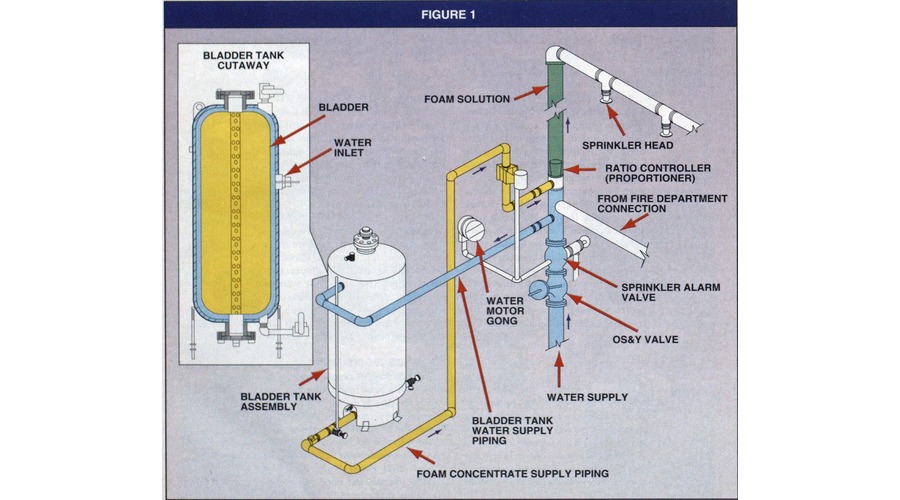
NFPA 16 Section 6.1 requires that all devices and materials used in a foam water sprinkler system be approved for that exact purpose. This matters because a foam system must do more than spray water. It must mix foam concentrate correctly, release it through the right components, and deliver it with enough force to suppress flammable liquid fires or other high risk hazards.
For industrial, retail, and commercial facilities, this rule supports consistency. It helps reduce poor installations, weak parts, and mismatched equipment. As a result, the system can perform the way the design intended. That is the whole game. If the system is the orchestra, the approved parts are the instruments. Nobody wants a trombone where a valve should be.
In real projects, that approval concept affects far more than the shopping list. It shapes engineering decisions, procurement choices, installation sequencing, and future maintenance. If the selected parts are not approved as a matched fit for the system, the problem does not stay on paper. It follows the site into inspection day, service calls, and potentially into the exact moment the system is supposed to respond.
Why Approved Devices Matter in Foam Water Systems
Performance depends on the right parts doing the right job
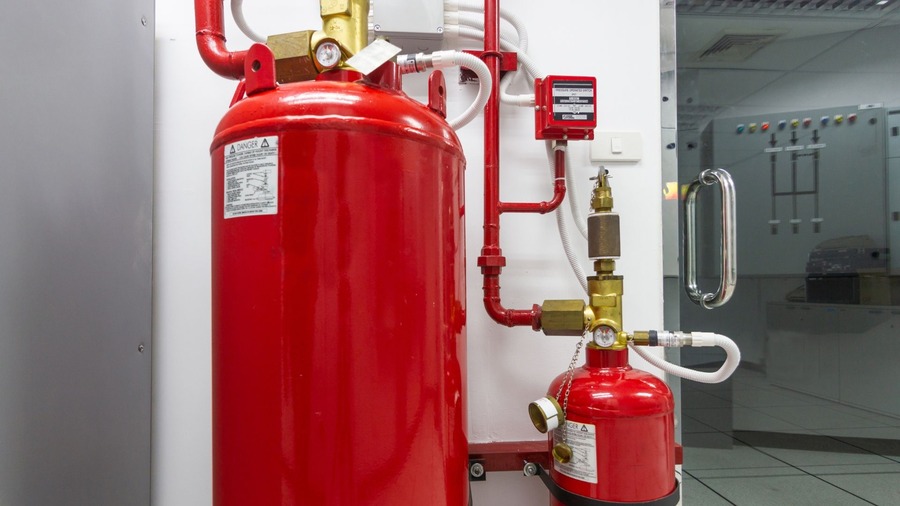
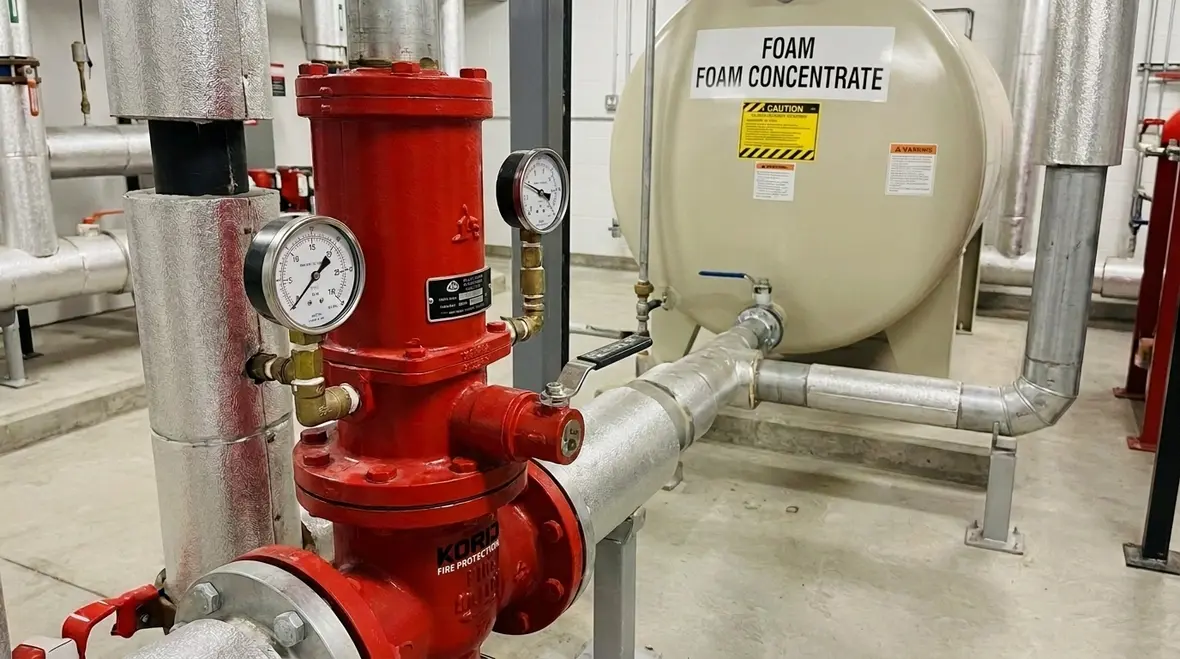
Approved devices do the heavy lifting in a foam water system. These can include sprinklers, discharge devices, control valves, proportioners, foam makers, and compatible piping accessories. Each item must match the system’s pressure, foam type, and hazard level.
When a facility uses the wrong part, several problems can follow. First, foam can mix at the wrong ratio. Next, spray patterns can fail to cover the hazard. Then, corrosion, clogging, or poor flow can cut performance when it matters most. Therefore, approved devices are not about paperwork alone. They protect the system’s ability to respond under stress.
For multi site businesses, this also supports easier maintenance. In addition, approved components simplify inspections because technicians know the parts meet the expected standard. That saves time, reduces guesswork, and keeps compliance conversations short. Everyone likes a short compliance conversation.
There is also a practical operations angle here. Approved devices tend to make troubleshooting more straightforward because the system is built around known performance expectations instead of improvised substitutions. That matters for site managers who do not want every service visit to begin with someone muttering, “Well, that is odd,” while staring into a riser room.
Listed equipment protects the design intent
The design intent of a foam water sprinkler system depends on coordination. A listed valve is not helpful if it feeds the wrong discharge device. A quality nozzle is not enough if the surrounding fittings cannot support the flow and pressure conditions. NFPA 16 Section 6.1 pushes against this kind of mismatch by requiring approved devices and materials throughout the system, not just in the obvious headline components.
Foam Water System Approved Materials That Support Safety
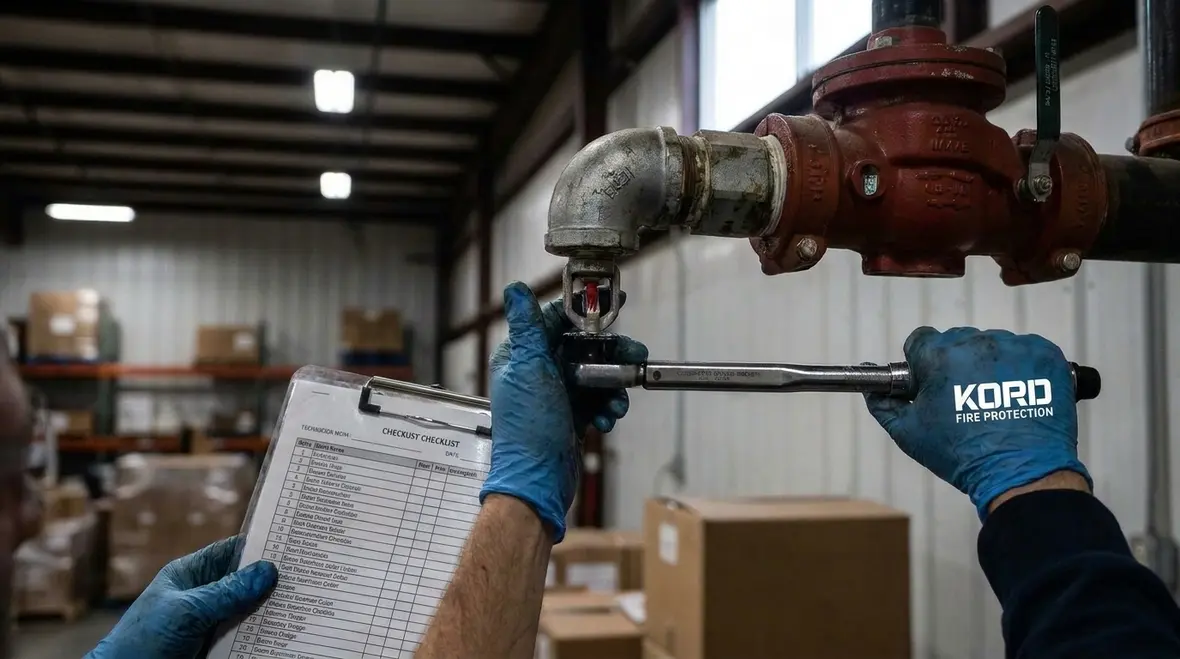
NFPA 16 also cares about the materials used in the system. Foam water system approved materials must handle water, foam concentrate, pressure, and long term exposure without breaking down. This includes pipe materials, seals, gaskets, fittings, and other connected parts.
In real world use, material choice affects reliability. For example, some environments bring moisture, heat, chemical vapours, or corrosion risks. Therefore, the wrong material can age fast or fail early. Approved materials help avoid that risk and keep the system ready for service.
For sites that face harsh warehouse conditions, exposure to industrial residue, or difficult process areas, this step matters even more. A foam system should not become a science project after installation. It should stay dependable.
Material selection also affects lifecycle cost. Cheap or incompatible components may look harmless during procurement, but they can bring early replacement, difficult servicing, and unexpected downtime later. That is a rough trade. Spending less up front only to spend more later is not a clever budget move. It is just expensive with extra steps.
Durability is part of compliance, not a bonus feature
A foam water sprinkler system can sit quietly for long periods, which sometimes makes people underestimate how much durability matters. But standby time is not the same as easy time. The system still lives with pressure, environmental exposure, and aging materials. If approved seals harden, fittings corrode, or coatings deteriorate, the system can lose reliability long before anyone notices. That is why approved materials are so important. They support readiness during the years when the system is not making any noise at all.
How Compliance Looks in the Real World
Compliance is not just a line in a standard. It shows up in day to day decisions. The design team must confirm listed equipment suits the hazard. The installer must fit parts correctly. The maintenance team must inspect, test, and replace worn items before problems grow.
Design side
- Select listed valves, sprinklers, nozzles, and foam devices that match the hazard and system layout.
- Confirm the materials can handle the environment and the foam solution.
- Check that devices work together as a coordinated system, not as isolated products.
Operational side
- Test the system on schedule.
- Inspect for corrosion, leaks, damage, or blocked discharge points.
- Replace only with approved parts that keep the system listed and compliant.
This is where many systems win or lose the long game. The design may be strong, but if someone swaps in the wrong fitting later, the system can drift out of compliance. That is how small shortcuts become very expensive surprises.
For readers who want a broader standard context, Kord Fire also covers the NFPA 16 standard, which helps connect Section 6.1 to the wider foam-water sprinkler and spray system picture. That internal reference fits naturally because approved devices and materials do not exist in a vacuum. They support a larger design and compliance framework.
Why Kord Fire Protection Becomes a Vital Partner
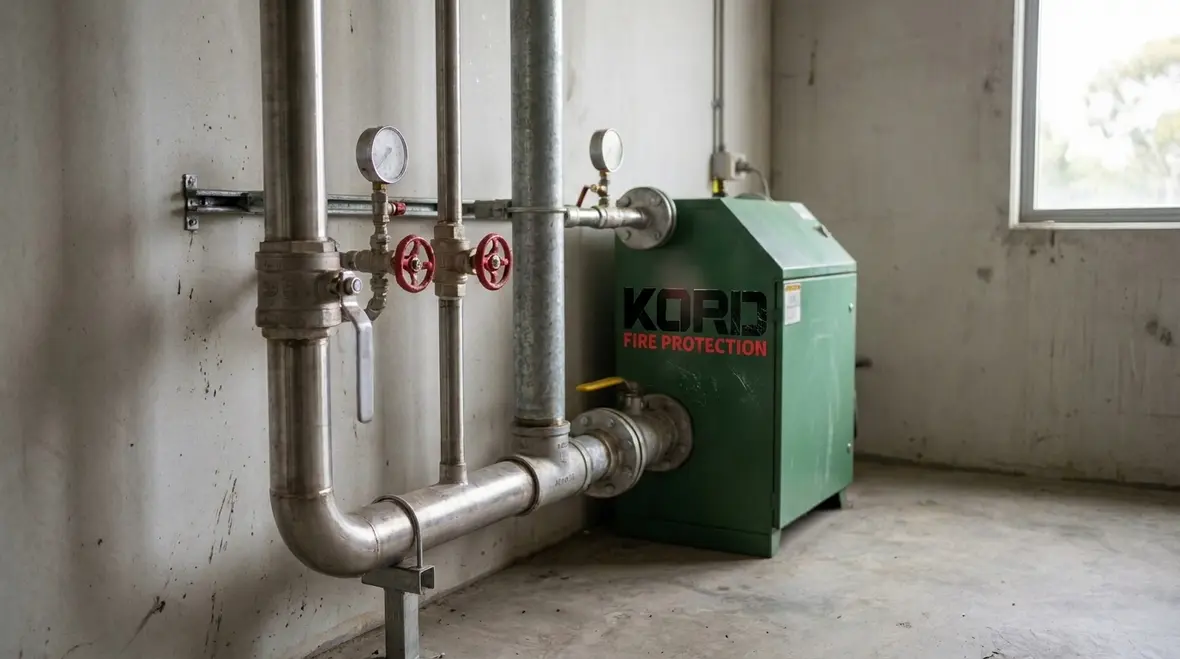
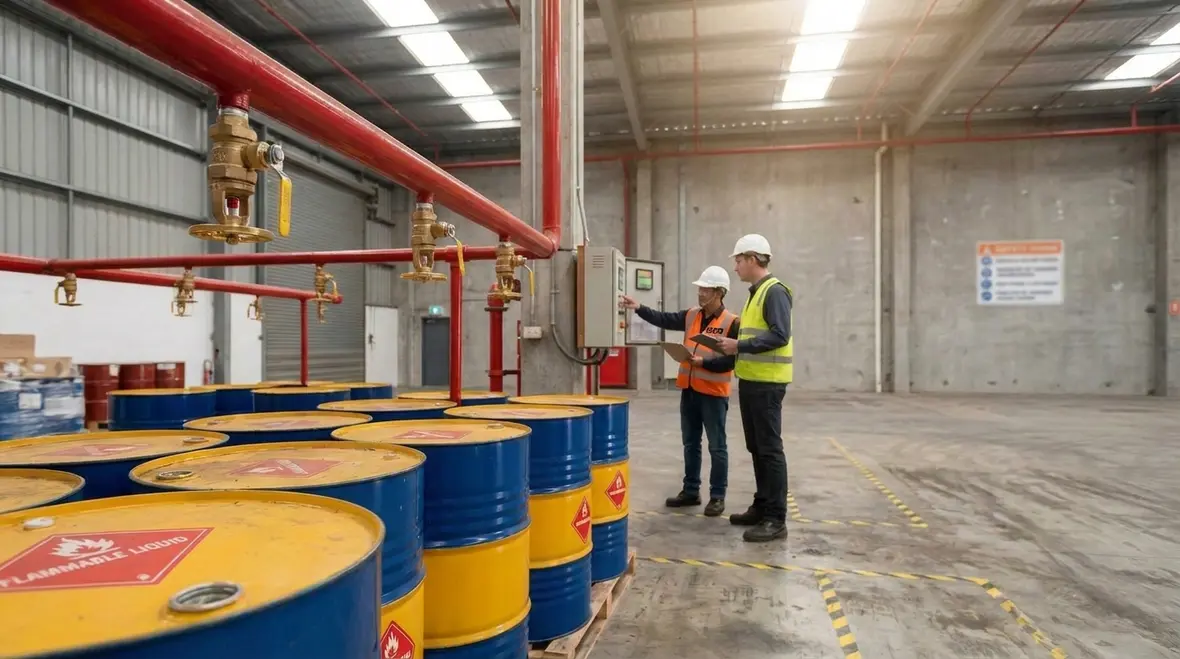
Kord Fire Protection can become a vital partner because foam water systems demand both technical skill and practical follow through. A strong partner does more than supply parts. It helps assess hazards, choose fire suppression listed equipment, support the correct installation path, and keep the system aligned with NFPA 16 expectations.
That support is especially useful when a site is balancing compliance work against production schedules, tenant demands, stock movement, or critical equipment uptime. In those situations, clear answers matter. So does the ability to coordinate inspections, maintenance, upgrades, and replacements without turning the job into a rolling disruption that everybody remembers for the wrong reasons.
With the right support, site managers gain clearer component selection, better documentation, and a cleaner path to compliance. That kind of partnership does not just protect a building. It protects business continuity.
When to Review Devices and Materials
Facilities should review foam water sprinkler components whenever they upgrade a hazard area, change storage layouts, renovate protected space, or replace damaged equipment. They should also review the system after corrosion, false activations, or repeated maintenance issues.
Regular review helps catch problems early. Moreover, it gives the site a chance to confirm that the installed parts still match the approved list for the system. Standards change, operations change, and hazards change. The system should keep pace.
This is also the smart time to confirm whether previous repairs used matching approved materials and listed replacement components. One improper substitution may seem small, but in a suppression system, small details often carry the biggest consequences. Fire protection has a way of being very calm right up until it absolutely is not.
FAQ
Final Word
NFPA 16 Section 6.1 demands approved devices and materials that can do the job without drama. That means choosing listed components that match the system design, suit the hazard, and can hold up under real world conditions instead of just looking impressive on a product sheet.
With the right support partner, facilities can keep foam water sprinkler systems compliant, dependable, and far less stressful to manage. If the goal is safer protection and fewer ugly surprises later, this section points to a simple next move: keep the system approved, coordinated, and ready.

Join Our Newsletter!
Get the latest fire safety tips delivered straight to your inbox From our Newsletter.