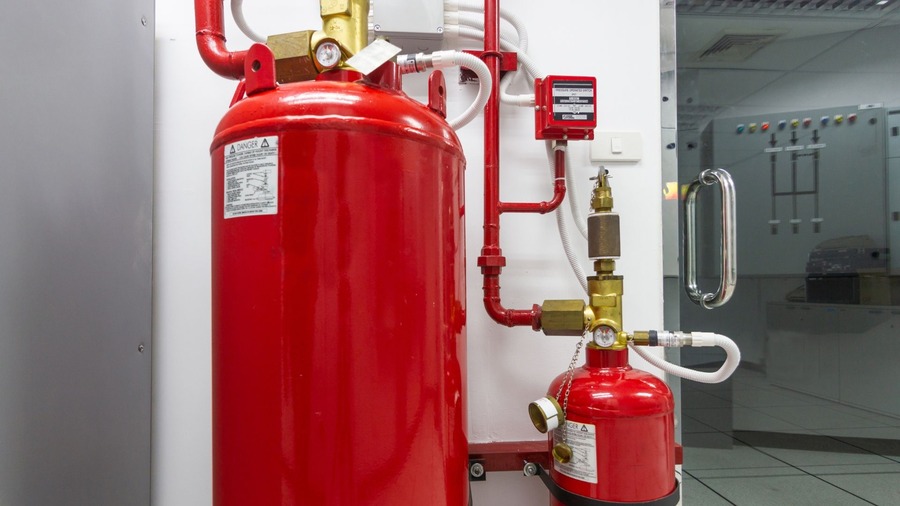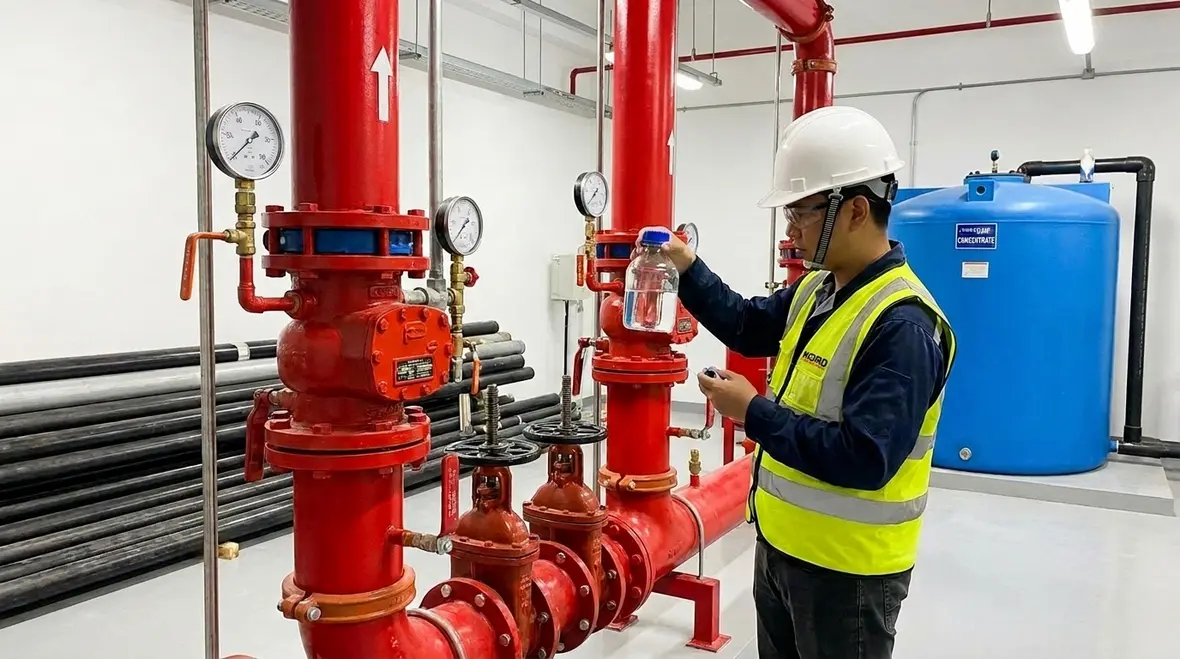
NFPA 16 Section 5.1 Water Quality Requirements for Foam Water Sprinkler Systems
Quick Answer: NFPA 16 Section 5.1 sets the water quality baseline for foam water sprinkler systems so foam can mix, flow, and perform as designed. Clean, suitable water helps protect equipment, supports reliable discharge, and reduces system trouble. It is not a small detail. It is the difference between smooth protection and a very expensive surprise.
In the world of fire protection, water is never just water. Under NFPA 16 water quality rules, the supply must suit the foam water system and the hazard it protects. That matters because foam water system water quality affects how well foam mixes, how pipes hold up, and how the system performs under pressure. Put simply, fire suppression water standards are there to keep the system ready when the heat is not playing around. And yes, the fire will not wait for a committee meeting.
Near the start of any planning conversation, it also helps to understand how a broader foam fire suppression system service fits into design, inspection, and long term care. When the water itself can change the way foam behaves, system support is not just about pipes and valves. It is also about making sure the supply feeding the system does not quietly sabotage it.
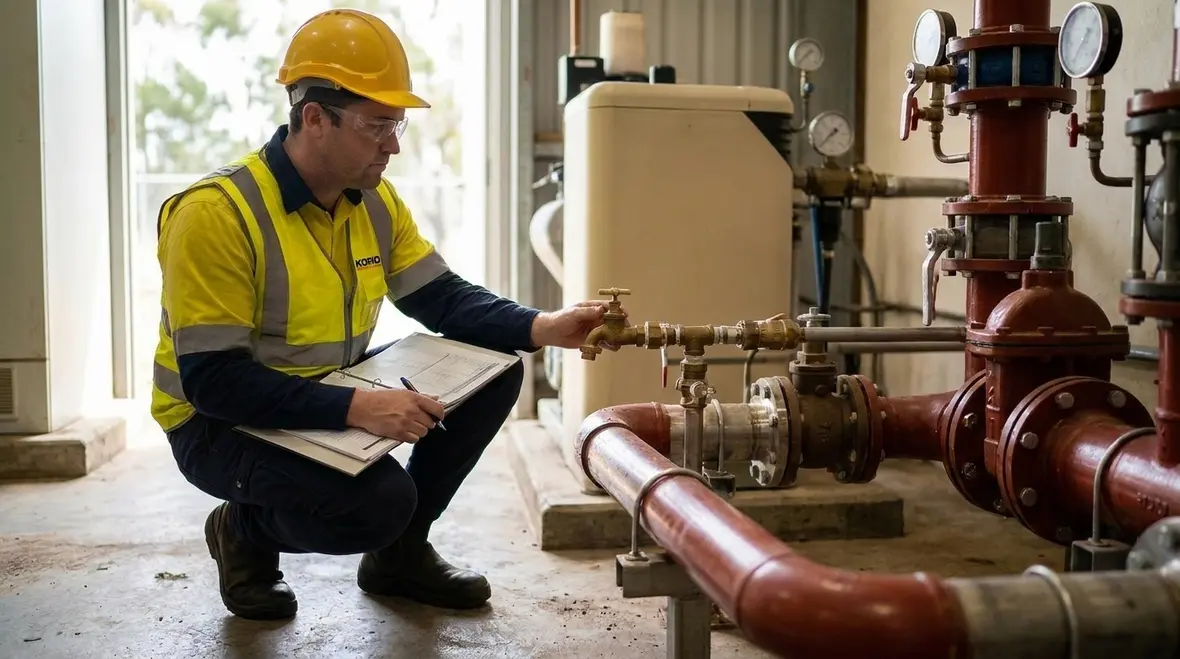
What Section 5.1 Means for Real Sites
NFPA 16 Section 5.1 focuses on the quality of the water used in foam water sprinkler systems. The intent is practical. The water must not damage the system, block nozzles, or interfere with foam concentration. In a plant, warehouse, retail facility, logistics hub, or storage operation, that means the supply should be evaluated for corrosion risk, sediment, mineral content, and other issues that can chip away at performance.
That sounds simple until a site realizes its water source is not as polite as it looks. A system can appear clean from the outside while the inside slowly collects scale, debris, or corrosive conditions that affect proportioning hardware and discharge devices. Because foam systems depend on correct mixing and predictable delivery, even small water quality problems can lead to weak foam output, uneven discharge, or stressed components over time.
Why this matters beyond the paperwork
The standard is not trying to win a prize for academic drama. It is trying to keep the system dependable in the one moment nobody wants to test live. If the water is unsuitable, the system may still pass the eyeball test while quietly becoming less reliable. In other words, the setup may look ready, but when the moment arrives, it may act like a superhero who forgot the cape.
That is also why interlinking NFPA guidance is useful. If you are reviewing foam system design expectations more broadly, the related NFPA 16 standard resource gives helpful context for where Section 5.1 sits within the bigger picture of system performance, acceptance, and ongoing readiness.
Why Water Quality Matters in Foam Systems
Foam water sprinkler systems do more than spray water. They blend water with foam concentrate to create a blanket that helps control fuel vapours and cool hot surfaces. If the water carries too much sediment, scale forming material, or corrosive content, the whole process can suffer. Good concentrate cannot fully rescue bad supply conditions, just like a great recipe cannot save a pan full of sand.
Here is the plain truth: clean water supports stable foam, and stable foam supports fire control. Poor water quality can lead to clogged proportioning equipment, damaged valves, worn pipework, blocked discharge devices, and shortened system life. When that happens, the site is not only dealing with reliability concerns. It is also inviting maintenance costs, disruption, and the kind of surprise invoice nobody frames on the wall.
There is also a compounding effect. A little corrosion becomes more debris. More debris creates more restriction. More restriction can alter discharge performance. Then the system that was designed around predictable flow is suddenly working with conditions that are anything but predictable. Fire protection is not the place for improvisation, especially when liquid fuel hazards are involved.
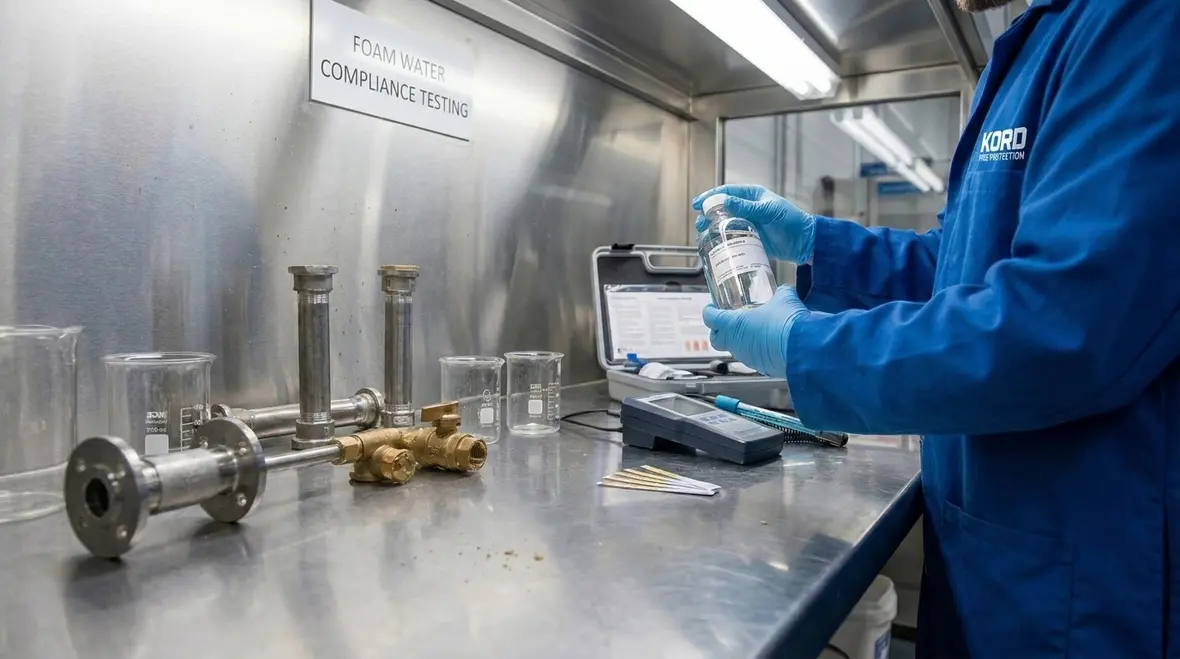
What a Site Should Check Before Use
A site should review several water factors before relying on a foam system. These checks help reduce risk, protect equipment, and improve long term performance. They also help teams avoid treating the supply like a mystery ingredient that everyone hopes will behave.
- Corrosion potential: Water that is too aggressive can attack pipes, fittings, and internal components over time.
- Sediment and debris: Dirt and particles can block discharge devices, affect spray pattern, and interfere with reliable flow.
- pH levels: Water that is too acidic or too alkaline can shorten system life and create compatibility concerns.
- Mineral content: Hard water can leave scale inside lines, fittings, and proportioning components.
- Compatibility with foam concentrate: The water must work well with the chosen foam product and intended system design.
These checks support smoother operation, and they can reduce the odds of expensive repair work later. That is the kind of math everyone enjoys, because no one wants to pay for hidden damage after the fact. Water testing, supply review, and compatibility confirmation all belong in the same conversation as inspection and maintenance. Leaving them out is a bit like locking the front door while the back gate swings in the wind.
A practical way to think about the checklist
The goal is not perfection for perfection’s sake. The goal is making sure the supply helps the foam system do what it was designed to do. If a site changes water source, expands operations, replaces concentrate, or upgrades system hardware, the water conversation should come back to the table. Conditions change. Infrastructure ages. Municipal supplies shift. Stored water behaves differently than expected. Water has a habit of changing its attitude without warning.
How Facilities Can Apply the Standard
Applying Section 5.1 well means treating water quality as an active part of system readiness, not as a one time design note that disappears into a binder. Teams should test the supply, review piping and proportioning design, and confirm that the foam system components can handle real world water conditions. That includes the boring details, which are often the details that save the day later.
Maintenance schedules should also include checks for buildup, contamination, and changes in water source quality. A reliable foam system depends on the full chain working together: supply, concentrate, hardware, discharge pattern, documentation, and follow through. If one link gets ignored, the rest of the chain has to work harder. Fire systems are team sports, even if the pipes never ask for applause.
| Compliance view | Performance view |
|---|---|
| Meet NFPA 16 Section 5.1 expectations | Keep foam discharge consistent and reliable |
| Support inspections and documentation | Reduce blocked lines and failed activation risks |
| Align with fire protection design intent | Extend equipment life and lower repair costs |
This dual view matters because compliance alone does not guarantee real world success. Likewise, performance without compliance can create problems during audits, claims, or system reviews. The best outcome brings both sides together, so the site is not choosing between a clean checklist and a dependable system. It gets both, which is a much better deal than learning the hard way.
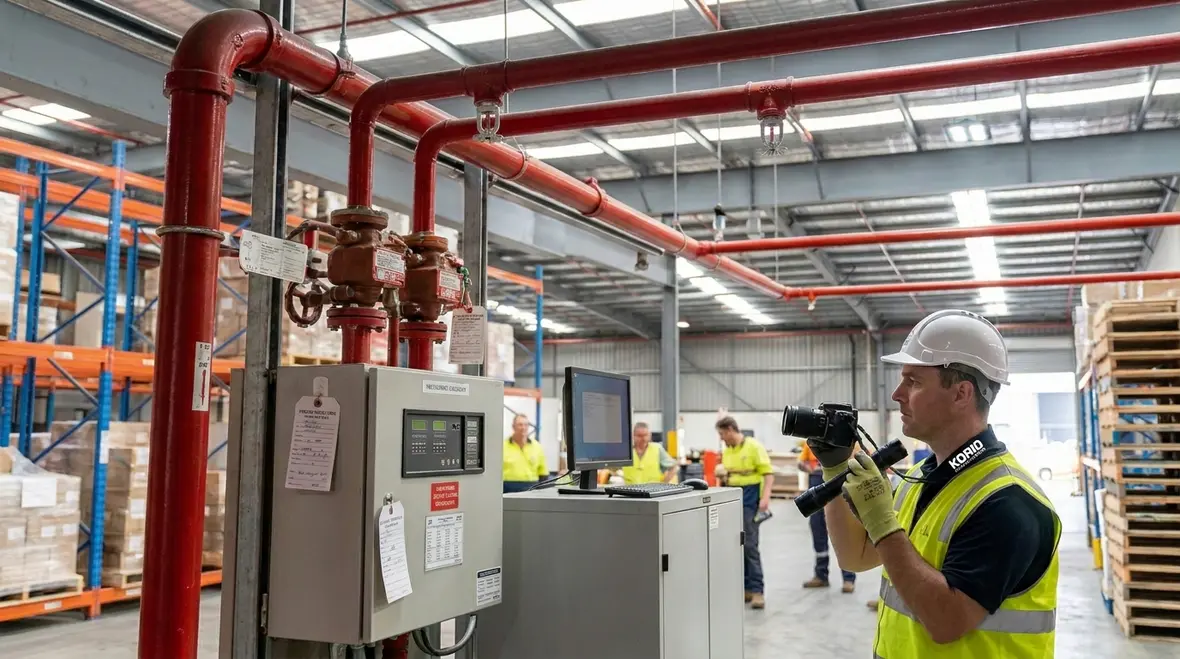
How Kord Fire Protection Can Help
This is where Kord Fire Protection becomes a vital partner. Kord Fire Protection can support assessment, design review, inspection planning, and maintenance guidance for foam water systems protecting industrial and commercial properties. That support is especially valuable when water quality issues are subtle enough to hide in the background while still causing very real trouble inside the system.
Kord also publishes useful related resources for teams working through foam protection decisions. For example, the foam fire suppression system guide explains how these systems function in real settings, while the foam fire suppression inspection requirements and service article connects readiness to routine care and verification. That makes Section 5.1 easier to apply as part of a larger reliability strategy instead of treating it like one lonely clause with a very demanding personality.
Just as important, Kord Fire Protection can assist with checks that align with NFPA 16 water quality needs and broader fire suppression water standards. That gives site managers more confidence that the system will perform as intended when it matters most. In a field where reliability is everything, strong planning turns compliance from a paper exercise into real protection.
FAQ
Final Word
NFPA 16 Section 5.1 is not just a rule on paper. It is a practical safeguard for foam water sprinkler systems protecting valuable property, operations, equipment, and people. When water quality stays within the right range, systems work better, last longer, and stand ready when needed. That is the kind of boring reliability every facility should happily accept.
For sites that want dependable fire protection, Kord Fire Protection can help keep the system sharp, clean, and ready for action. Because when a foam system finally has to perform, nobody wants the water supply to become the plot twist.

Join Our Newsletter!
Get the latest fire safety tips delivered straight to your inbox From our Newsletter.