NFPA 16 Section 5.2 Water Supply Capacity Pressure Duration
Quick Answer: NFPA 16 Section 5.2 sets the baseline for water supply capacity, pressure, and duration in foam water systems so they can control a fire long enough for suppression to work. For industrial, retail, and commercial sites across Australia, the right design protects people, assets, and operations without guesswork.
For sites that depend on fast fire control, NFPA 16 water supply capacity, foam water system water supply, and fire suppression water requirements sit at the heart of a safe design. Section 5.2 of NFPA 16 tells the system designer what the supply must deliver, how much pressure it must hold, and how long it must keep going. That matters because foam water systems do not get to take a coffee break when things heat up. They must perform under stress, and they must perform now.
When a facility needs practical support beyond the code language, Kord Fire Protection’s foam fire suppression systems service fits naturally into the conversation. It connects the standard to design, maintenance, and real site conditions, which is useful because paper compliance alone will not push water through a system when it matters most.
What Section 5.2 Means in Practice
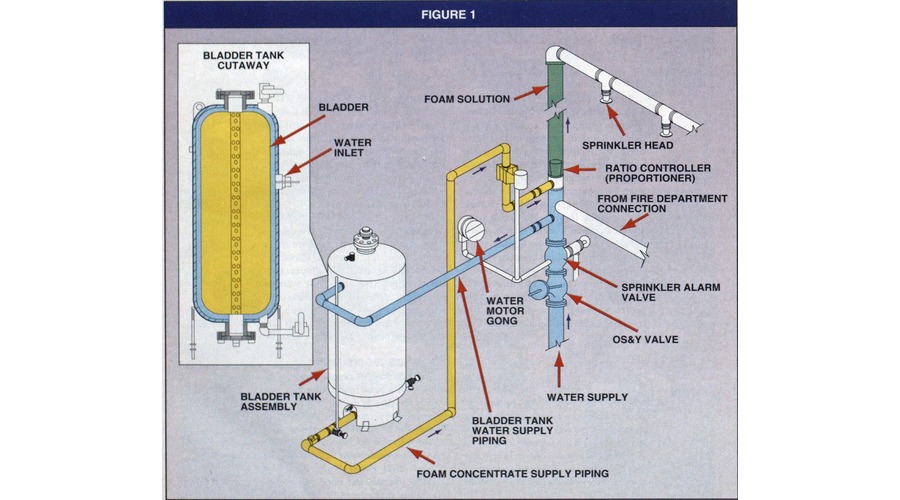
Section 5.2 focuses on the water supply behind the foam water system. In simple terms, the system must deliver enough water, at the right pressure, for the full required duration. That sounds plain enough, yet it drives every major design choice. If the supply falls short, the foam may not form correctly, spread may slow, and fire control can slip away like a last place finish in a Formula 1 race.
For industrial, retail, and commercial facilities, this section helps ensure that the system matches the hazard, the floor area, and the risk profile. It also helps keep the system honest. A foam water system cannot depend on optimism. It needs verified capacity, stable pressure, and a planned duration that fits the fire scenario.
How Water Supply Capacity Shapes System Performance
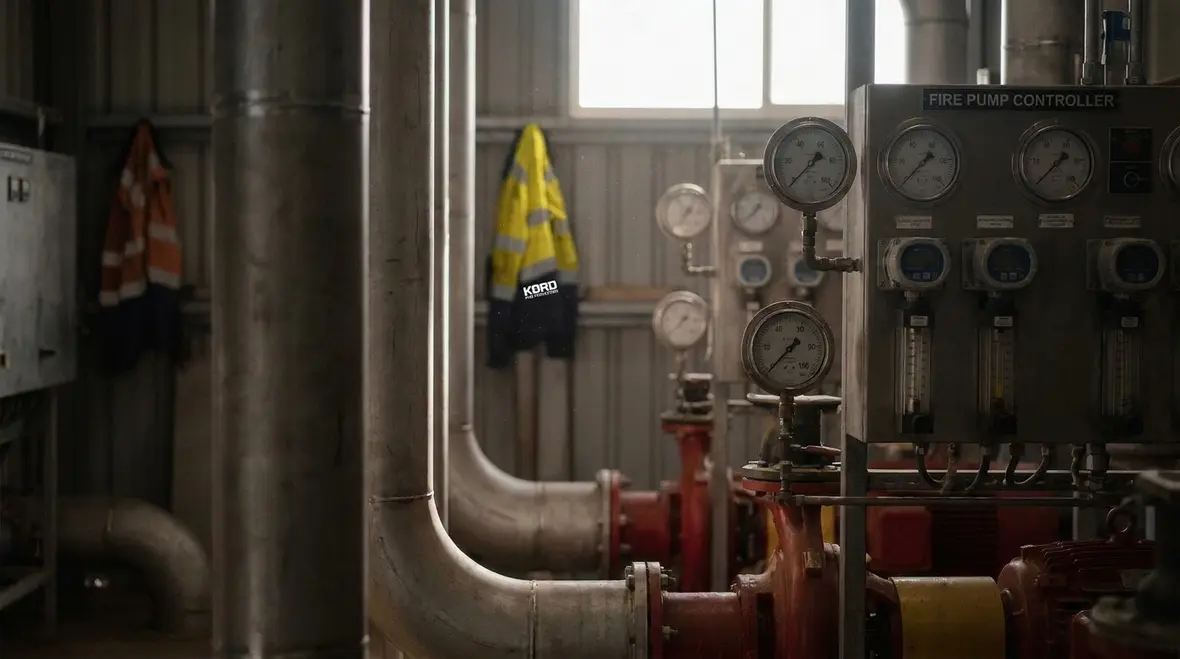
NFPA 16 water supply capacity is not just a number on a drawing. It is the volume of water the supply can provide while the system is operating at design demand. That demand includes the foam concentrate balance, the discharge devices, and the pressure needed to move the solution to the hazard area.
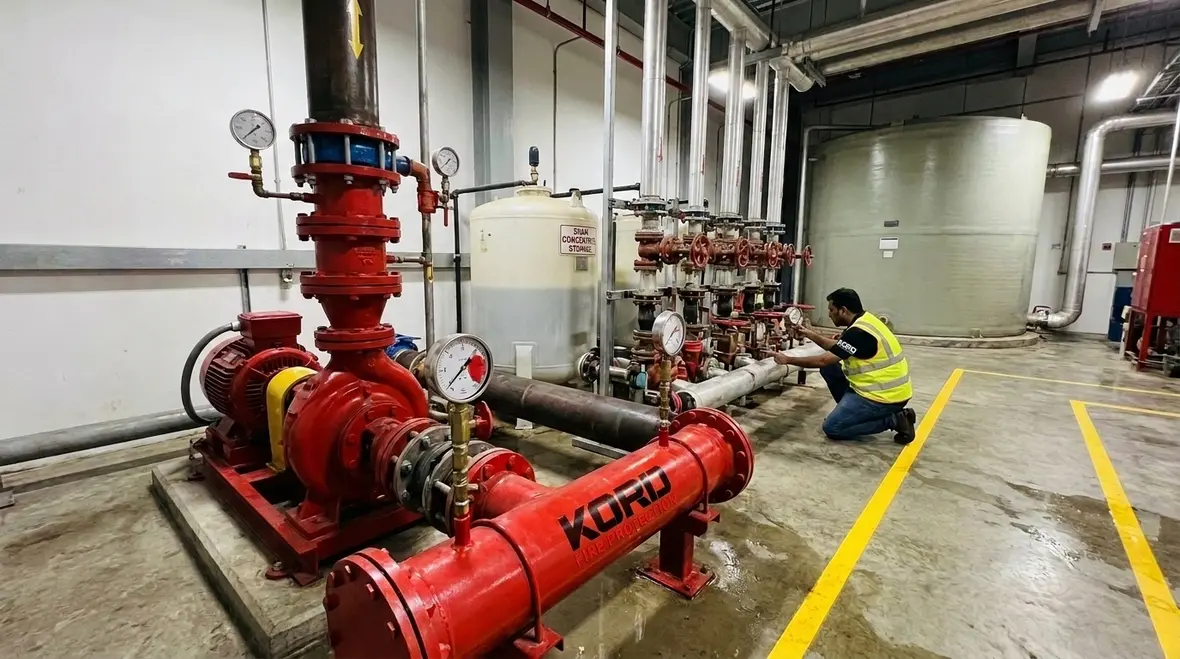
When capacity is too low, the system may struggle before it even reaches the fire area in full force. Therefore, engineers must look at pumps, tanks, mains, and any on site storage with care. In many facilities, the supply also has to support other fire protection loads, so the design must avoid hidden shortages. A system that looks fine on paper can still act like a superhero with an empty battery pack.
Water supply checks should account for peak demand, site growth, and local water reliability. In Australia, this often means considering dry conditions, municipal pressure swings, and the needs of large facilities that cannot afford downtime. It also means making sure the supply arrangement is reviewed early, because discovering a weak source after installation is about as fun as finding out your “simple upgrade” has turned into a full redesign.
Why verified capacity matters more than assumptions
A verified supply gives the whole project a firmer foundation. Designers can size discharge devices correctly, owners can understand the limits of the system, and installers can avoid building around numbers that were never truly tested. That is one reason related guidance and project support from Kord Fire Protection’s NFPA 16 standard resource can help frame the bigger picture before the drawings lock in.
Pressure and Duration: The Two Conditions That Keep Foam Working
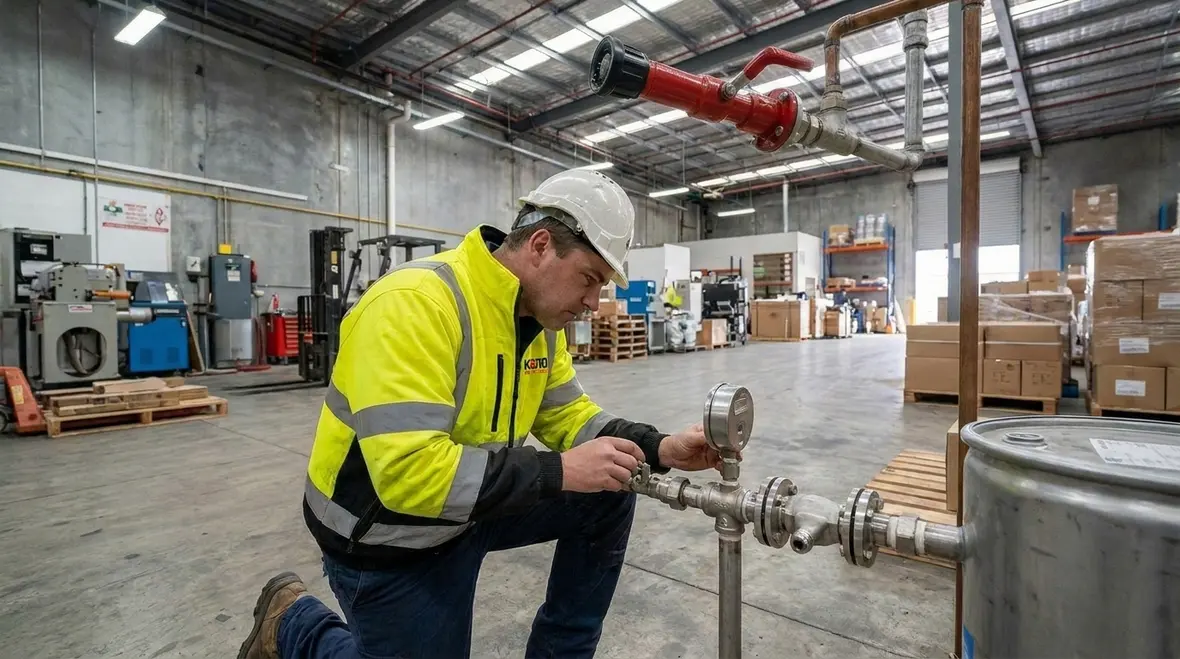
Pressure moves the foam solution through the piping network and out through the discharge devices. Duration keeps it flowing long enough to control the fire. If either one fails, the system may not do its job.
Foam water system water supply design must hold pressure within the range needed for the specific nozzles, sprinklers, monitors, or other devices in use. At the same time, the supply must continue for the full design period required by the hazard. In other words, a foam system has to start strong and stay that way. That is the difference between a system that works and one that merely looked impressive in a meeting.
Design Element
Water supply capacity
Pressure
Duration
What It Supports
Enough volume for the hazard and system demand
Proper discharge and foam performance
Sustained fire control until the risk drops
These three items work together. If one changes, the others may need adjustment. That is why a proper hydraulic review matters so much. If the available pressure drops, for example, the flow arrangement or storage strategy may need another look. If the duration grows because the hazard changes, the tank and pumping side may need to grow with it. Fire protection has a habit of punishing shortcuts, usually at the least convenient moment.
Pressure without duration is only half a win
A system that launches with strong pressure but fades too early can lose control before suppression takes hold. On the other hand, plenty of stored water means little if the discharge devices never receive what they need to perform. Section 5.2 pushes designers to respect both conditions at the same time, which is exactly why this part of the standard carries so much weight in foam water system work.
Fire Suppression Water Requirements for Industrial and Commercial Sites
Fire suppression water requirements vary by hazard type, storage layout, commodity, and process risk. A warehouse with high piled goods may need a very different approach from a fuel handling area or a manufacturing space. Retail centres also face their own risks, especially where large floor plates, plant rooms, and tenant fit outs create mixed hazards.
Because of this, the design team must align the water supply with the actual risk, not a rough estimate. They should review fire load, discharge area, concentrate type, and the expected duration set by the standard and the project design basis. Otherwise, the system may end up underbuilt, and that can create expensive trouble later. Nobody wants a compliance issue to show up like an uninvited guest at the worst possible time.
Across Australia, facility managers often need designs that respect local regulations while also meeting international standards. That balance calls for careful planning, clear documentation, and solid coordination between the fire protection team and the site operator. It also helps to compare the hazard against similar foam system applications, especially where flammable liquids, process areas, or mixed use storage conditions can shift the design demand.
Where Kord Fire Protection Becomes a Vital Partner
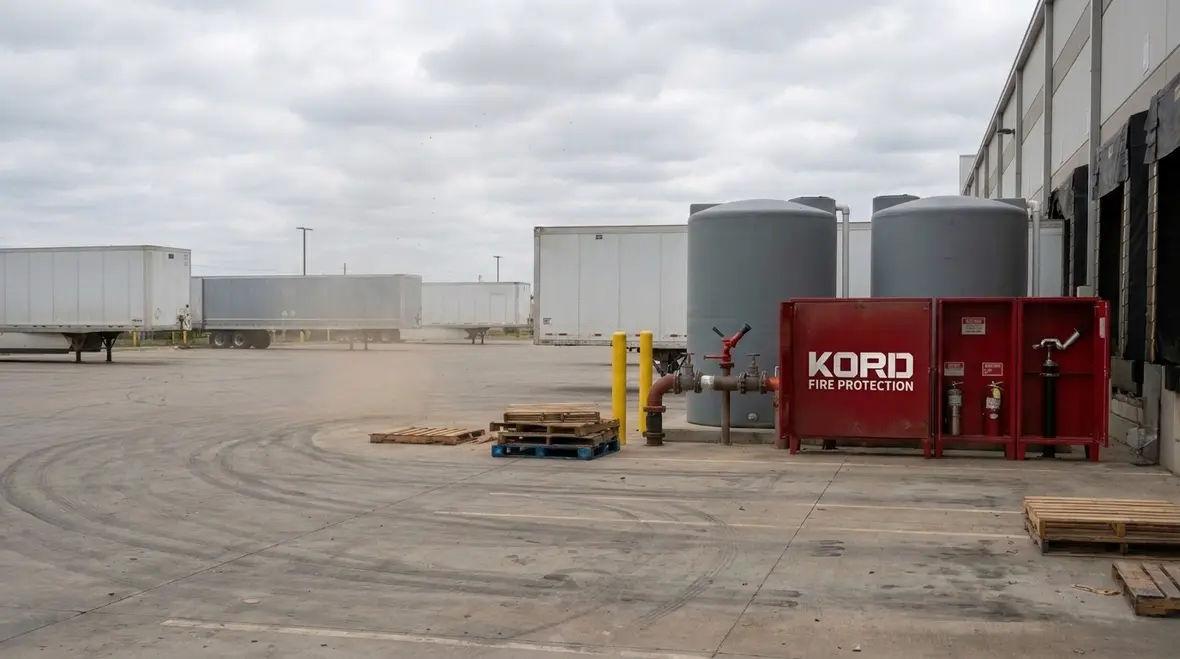
Kord Fire Protection can become a vital partner because this work needs more than equipment. It needs interpretation, design sense, and practical delivery on site. A strong partner can assess the hazard, confirm the water demand, review available supply, and help build a foam water system that fits the facility instead of forcing the facility to fit the system.
In addition, Kord Fire Protection can support the job from early planning through installation and testing. That includes checking system demand, confirming supply and pressure, and helping owners understand how NFPA 16 Section 5.2 affects long term performance. For industrial, retail, and commercial sites, that kind of support reduces risk and helps avoid costly rework. As a result, the site gains a system that feels less like a gamble and more like a plan.
That practical support matters because no two sites are identical. One facility may have generous storage but weak pressure. Another may have good incoming pressure but limited duration. A thoughtful fire protection partner helps sort out those realities early, before the project budget gets mugged by avoidable surprises.

What a Facility Team Should Check Before Installation
Before work begins, the facility team should confirm several points. First, it should verify the available water source and whether it can sustain the required flow. Next, it should check pressure under operating conditions, not just at idle. After that, it should confirm the duration needed for the hazard and make sure the storage and pump setup can support it.
The team should also review maintenance access, testing needs, and any future expansion plans. If the site expects growth, the design should leave room for it. That way, the system remains useful as operations change. After all, fire protection should not age like a bad sequel. It should stay ready.
A practical pre installation checklist
Confirm the available water source and measured flow capacity.
Review operating pressure where the system will actually discharge.
Match storage and pump performance to the required duration.
Coordinate system demand with any other fire protection loads on site.
Plan for testing, maintenance access, and likely future expansion.
FAQ: NFPA 16 Water Supply and Foam Water Systems
Conclusion: Plan the Supply Before the Fire Calls
NFPA 16 Section 5.2 gives facility owners a clear path for safe foam water system design. When water supply capacity, pressure, and duration align, the system can do its job with confidence. For industrial, retail, and commercial sites across Australia, Kord Fire Protection can help turn that standard into a working solution.
The smartest move is simple: plan early, verify the supply, and build it right the first time. That approach protects people, assets, and operations while giving the system its best chance to perform when the alarm stops being theoretical and starts being very, very real.

Join Our Newsletter!
Get the latest fire safety tips delivered straight to your inbox From our Newsletter.