NFPA 16 Section 1.6 Units for Foam Water Sprinklers
Quick Answer
NFPA 16 Section 1.6 sets the rules for units and measurements used in foam water sprinkler standards. It keeps design, testing, and installation clear and consistent. For industrial, retail, and commercial sites, this matters because one wrong unit can turn a solid protection plan into a costly headache.
If your project involves foam water protection, working with a team that understands foam fire suppression systems can make the difference between smooth planning and a very expensive guessing game.
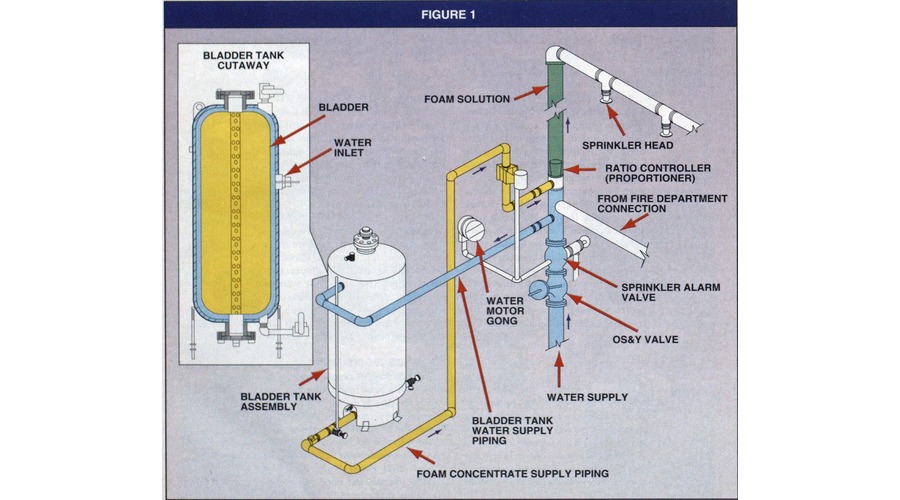
NFPA 16 Section 1.6 may sound like the sort of rule only a code nerd could love, but it does real work. It defines the NFPA 16 units, foam water system measurements, and fire protection code units that guide how foam water sprinkler systems get designed, checked, and maintained. In plain language, it helps everyone speak the same measurement language. That matters when a system must protect warehouses, fuel areas, processing plants, shopping centres, and other busy commercial sites. Because when the units are clear, the protection plan stays clear too.

What NFPA 16 Section 1.6 Means in Plain English
Section 1.6 does one simple thing well. It tells the reader which units apply throughout the standard. As a result, designers and technicians avoid mix ups between imperial and metric values, and the system stays consistent from the first drawing to the final inspection. That may not sound glamorous, yet foam systems are not here to win a beauty contest. They are here to control fire risk fast and reliably.
This is especially useful when teams are reviewing guidance from the broader NFPA 16 standard and trying to apply it to real layouts, real hazards, and real deadlines. A standard can only help if everybody reading it interprets the numbers the same way.
Why this little section punches above its weight
Some parts of a standard explain where systems belong, how they should perform, or what hazards they suit. Section 1.6 quietly handles the numbers behind all of that. If those numbers get read incorrectly, the rest of the design can wobble. It is a bit like building a solid ladder and then discovering someone measured the rungs with pure optimism.
Why Units Matter in Foam Water Sprinkler Standards
Foam water systems rely on exact amounts, exact pressure, and exact coverage. Therefore, the measurement system affects everything from nozzle layout to solution concentration. A small error in a unit conversion can cause poor discharge, weak coverage, or failed compliance checks. In commercial and industrial settings, that is not a minor slip. It is the kind of mistake that can grow teeth.
That is one reason so many facilities lean on experienced providers for inspection and upkeep as well as design. The technical side of foam protection does not reward guesswork, and the details around concentrate condition, discharge performance, and ongoing checks all depend on measurements staying accurate from start to finish.
- Units affect hydraulic calculations
- Units shape foam concentrate proportioning
- Units influence discharge density and coverage
- Units support testing records and inspection clarity
- Units help contractors, engineers, and owners stay on the same page
How NFPA 16 Units Support Safe Design
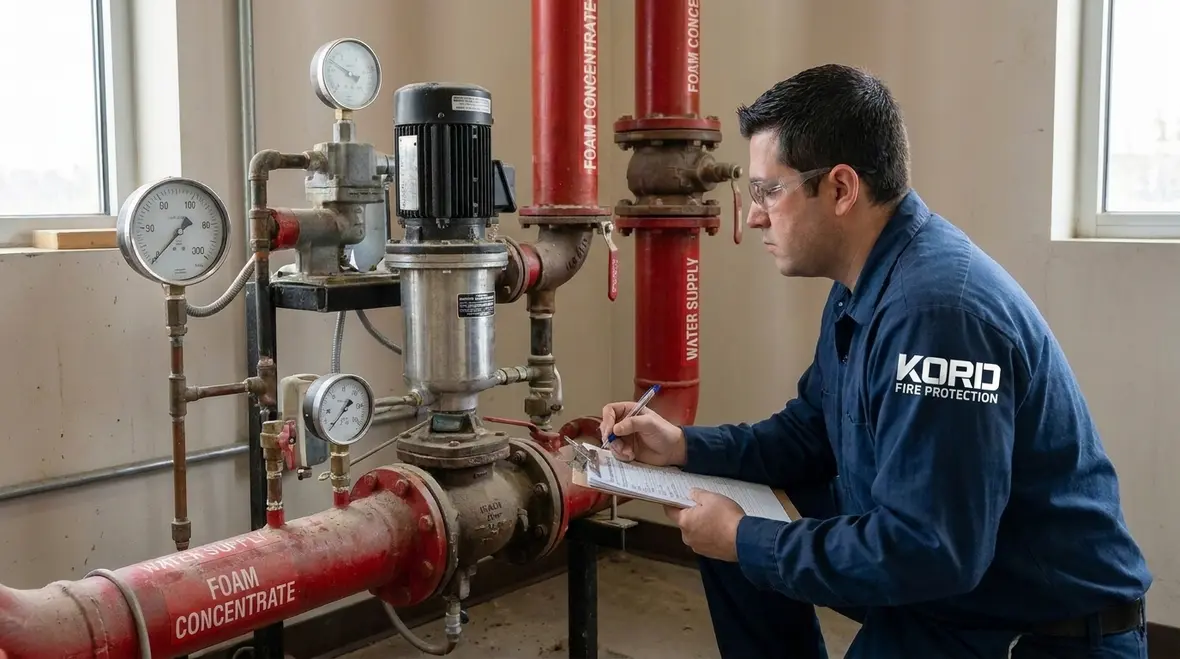
NFPA 16 units help teams keep design work honest. For example, flow rates, pipe sizes, tank volumes, and solution ratios all depend on accurate values. Moreover, fire protection designers use those values to match the hazard level of the space. A fuel loading bay does not ask for the same setup as a retail storage room, and the standard helps make that difference clear.
In practice, this means the standard supports correct sprinkler and nozzle sizing, accurate foam solution mix rates, clear pressure and flow calculations, and better compliance during inspection and commissioning. Those are not small administrative wins. They are the backbone of whether the system behaves properly when conditions get ugly.
Design decisions that depend on measurement discipline
- Correct sprinkler and nozzle sizing
- Accurate foam solution mix rates
- Reliable pressure and flow calculations
- Better compliance during inspection
- Clearer commissioning outcomes
- Less risk of redesign later
It also helps when multiple people touch the same project over time. One designer may start the layout, another may review hydraulic data, an installer may interpret field dimensions, and a service technician may later test the system. Shared unit rules keep the handoff from turning into a relay race with no baton.
Foam Water System Measurements That Matter on Site
On the ground, foam water system measurements decide whether the system performs as planned. First, the design team must confirm discharge rate. Then, they must check area coverage, pipe friction loss, and water supply capacity. After that, they must verify that the foam concentrate matches the hazard and the installation method. Each step depends on the next, which is why measurement discipline is so important.
For facilities, this becomes even more useful when teams coordinate with local project needs, site conditions, and internal safety rules. Besides, no one wants a system that looks brilliant on paper and then behaves like a confused extra in a bad action movie.
Dual Column View of Common Measurement Checks
Design Item
- Flow rate
- Pressure
- Concentrate ratio
- Tank capacity
- Pipe sizing
Purpose
- Confirms enough discharge reaches the hazard
- Supports proper spray and foam spread
- Keeps foam mix effective
- Provides enough supply for required duration
- Helps reduce pressure loss
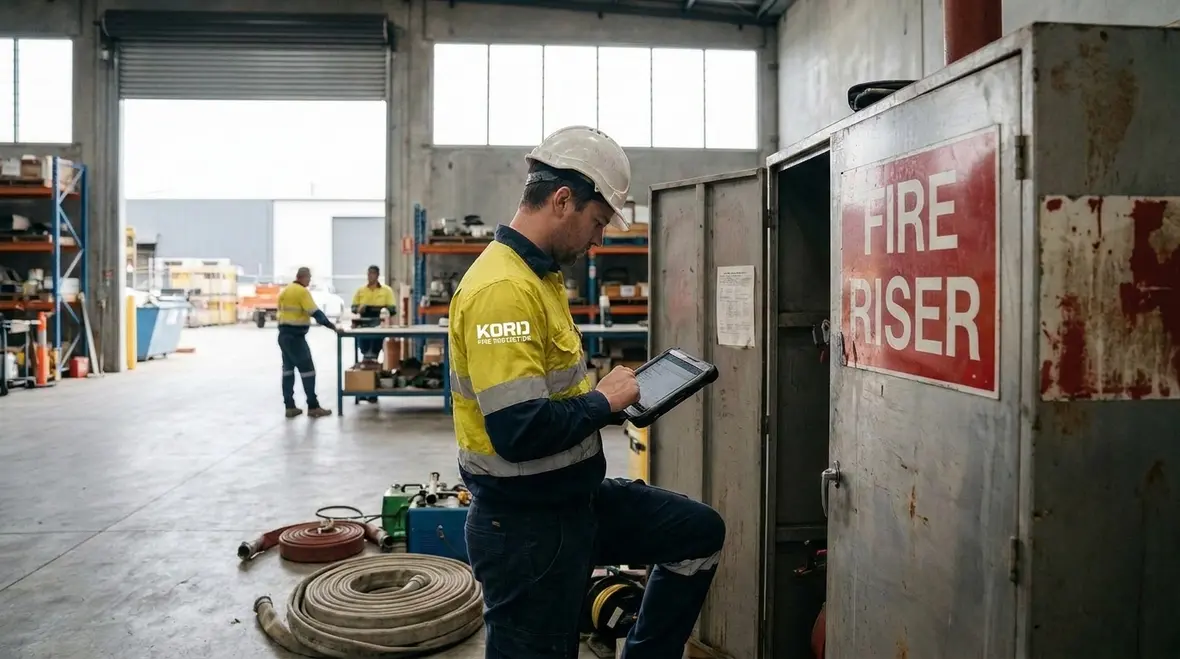
How Kord Fire Protection Can Help
Kord Fire Protection can become a vital partner in this service because foam water systems need more than parts and paperwork. They need practical know how, careful installation, and ongoing support. Therefore, Kord Fire Protection can help industrial, retail, and commercial sites interpret code needs, apply the correct fire protection code units, and keep the system aligned with the project goals.
Just as important, Kord Fire Protection can assist with system planning, upgrades, testing, and maintenance. That support helps site managers reduce risk, improve compliance, and keep operations moving. In a world where downtime costs money and fire damage costs far more, having the right partner is a smart move. Batman had a utility belt. Sites have Kord Fire Protection. One is fictional, the other is useful.
Facilities looking for more context can also explore related guidance on foam fire suppression system maintenance and testing or review how foam fire suppression for flammable liquid hazards applies in higher risk environments.
What Facilities Should Check Before Installation
Before any foam water system goes in, the site team should confirm the hazard type, water supply, discharge demand, and maintenance access. In addition, they should make sure the design uses the right units from the start. That step saves time later and reduces the chance of redesign or delay. It also supports smoother approval and better communication between contractors, engineers, and facility managers.
For multi site businesses, this matters even more. A standardised approach helps head office, site teams, and service partners stay on the same page. And when everyone uses the same measurement language, the project moves with less stress and fewer surprises.
Pre-installation checklist worth reviewing
- Confirm the hazard classification
- Verify water supply reliability and duration
- Check the intended discharge demand
- Review pipe routing and friction loss assumptions
- Match foam concentrate to the expected fuel risk
- Plan for inspection, testing, and maintenance access
- Keep all measurements consistent across drawings and documents
FAQ
Conclusion
NFPA 16 Section 1.6 may focus on units, yet its impact reaches far beyond simple numbers. It supports safer designs, clearer communication, and better system performance. When teams use consistent fire protection code units, they reduce the risk of calculation errors, installation confusion, and weak system performance later on.
For industrial, retail, and commercial sites, Kord Fire Protection can provide the experience and support needed to make foam water protection work the way it should. When the stakes are high, the right partner makes all the difference.

Join Our Newsletter!
Get the latest fire safety tips delivered straight to your inbox From our Newsletter.