
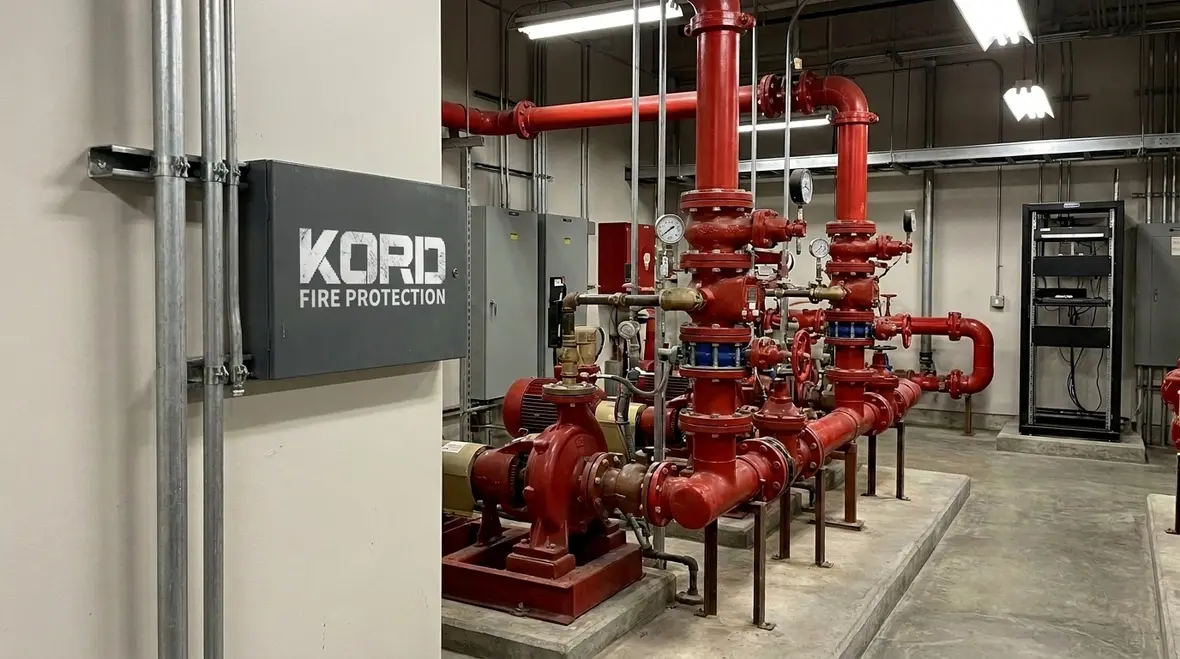
NFPA 16 Section 8.7 Foam Water System Signage Requirements
Quick Answer
NFPA 16 Section 8.7 requires a clear general information sign for foam water sprinkler systems. This sign helps people identify the system, understand key operating details, and respond faster during an emergency. For industrial, retail, and commercial sites, proper fire suppression system identification also supports safer operations and easier maintenance. Kord Fire Protection can help make that process smooth and compliant.
Near the practical side of that conversation, facilities that need broader system support can also explore fire suppression system services for inspection, repair, and installation planning that fits naturally with foam water protection needs.
NFPA 16 Section 8.7 may sound like the sort of rule that only wakes up the compliance team, but it matters far beyond paperwork. In busy facilities, NFPA 16 general information sign requirements help support foam water system signage and clear fire suppression system identification from day one. That means faster decisions, less confusion, and better safety when seconds matter. For industrial plants, retail centres, warehouses, and commercial sites, the right sign can quietly do a lot of heavy lifting.
What NFPA 16 Section 8.7 expects from the sign
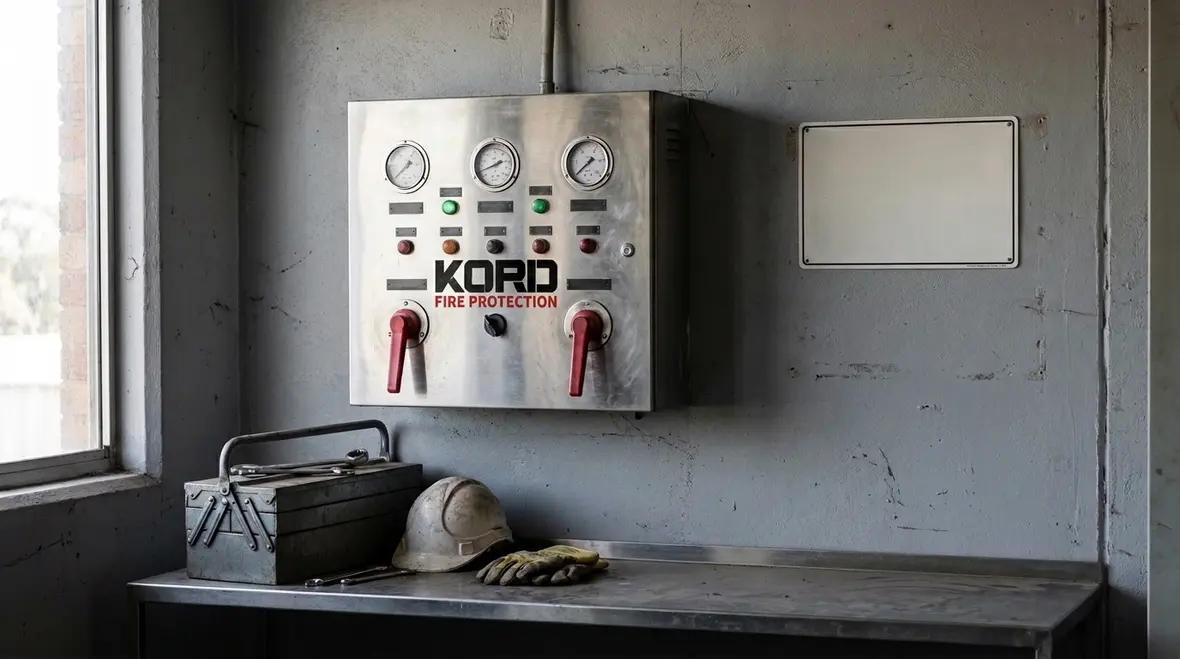
Section 8.7 requires a general information sign at the system control point. In simple terms, the sign must tell people what the foam water sprinkler system does and how it should be treated in an emergency. It should give clear details that help responders, facility staff, and maintenance teams act with confidence. Because foam systems are not ordinary sprinkler systems, the sign must make that difference obvious.
Most importantly, the sign should be easy to read, placed where people can find it fast, and kept in good condition. After all, a faded sign in a plant room is about as useful as a map printed during a power outage. The goal is simple: provide instant fire suppression system identification when the heat is on.
What the sign should communicate
Typical details included
- System type and purpose
Foam water sprinkler system identification and basic use - Control information
Main system location and key operating notes - Emergency response guidance
Important actions for trained staff and responders - Maintenance reference
Service and inspection related notes
A useful sign does not need to be dramatic, but it does need to be unmistakable. Anyone arriving at the control point should be able to understand, at a glance, that the system uses foam water protection and may involve response steps different from a standard sprinkler arrangement. That quick clarity is what turns signage from decoration into a working safety tool.
Where appropriate, facilities can also reinforce staff knowledge by linking the signage approach with their own internal emergency procedures, inspection records, and system labelling conventions. The sign is not there to replace training, but it absolutely helps training stick when pressure rises.
Why foam water system signage matters on site
Foam water systems protect areas where fire risk is higher or where water alone may not be enough. Therefore, the sign does more than tick a compliance box. It helps people know they are dealing with a special protection system that needs the right response. In a fast moving incident, that difference can save time, reduce damage, and support safe evacuation or shutdown.
In industrial and commercial settings, many people may pass through the same space. Some know the system, while others do not. So, proper signage keeps everyone on the same page. It also helps contractors, inspectors, and emergency crews avoid guesswork. And in fire safety, guesswork is the villain nobody invited to the party.
Why clarity beats assumptions
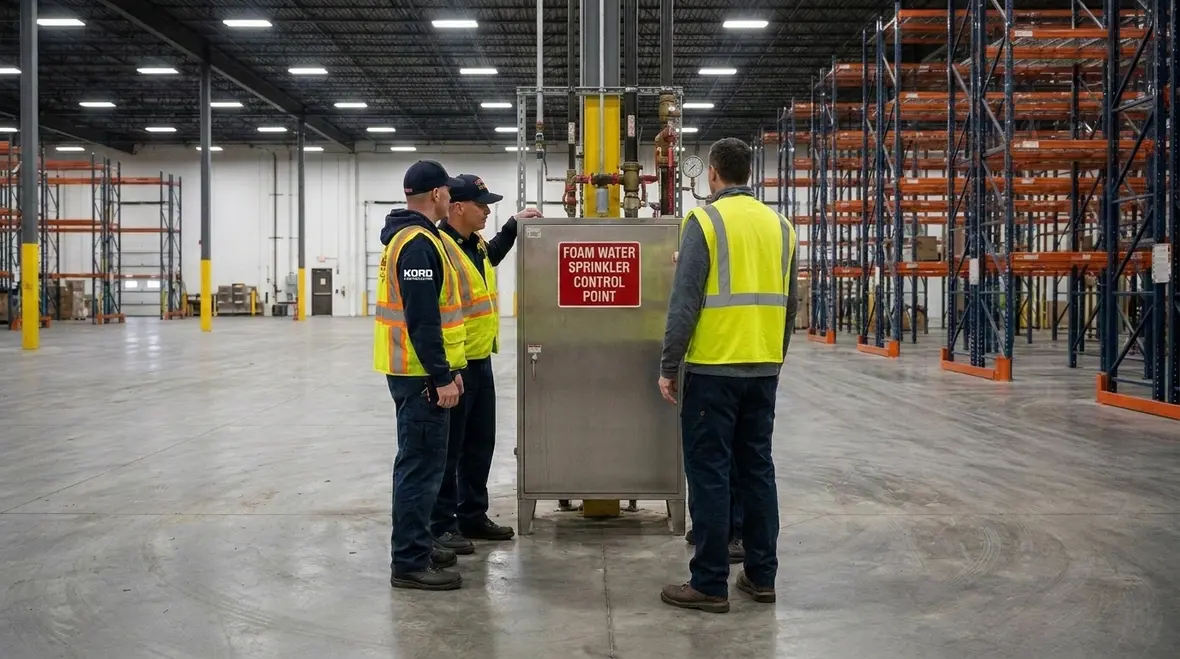
A foam water sprinkler system is not something people should have to figure out by instinct. If a contractor opens a control area, if an inspector arrives after hours, or if responders need orientation fast, the sign reduces hesitation. Even a few saved moments matter when the situation is noisy, stressful, and moving much faster than anyone would prefer.
That is also why sites with multiple protection methods should pay special attention to system identification. If one area uses standard sprinklers and another relies on foam water protection, the distinction should never be left to memory alone. Memory is great until three alarms are sounding and everyone is suddenly an amateur detective.
How fire suppression system identification supports compliance
Clear identification supports more than Section 8.7. It also helps build a stronger fire safety plan across the site. When systems are marked well, teams can locate them faster, inspect them correctly, and respond with less risk. That matters in large facilities where the control valves, pumps, and protected areas may sit far apart.
Good identification also supports service work. Technicians can see what they are working on, confirm the system type, and reduce the chance of mistakes. As a result, the site gains better consistency across inspections, repairs, and audits. This is especially valuable for facilities with multiple buildings, mixed operations, or changing tenancy. In those settings, the sign becomes a quiet but serious part of the safety chain.
Facilities reviewing related standards may also benefit from this guide to NFPA 16 standard requirements, especially when signage is only one part of a larger foam water system compliance picture.
How signage helps the people doing the actual work
Compliance is often discussed like it lives only in binders, forms, and inspection reports. In reality, it lives on walls, near valves, beside controls, and anywhere a person has to make a smart decision quickly. A well placed sign helps the maintenance team, the service technician, the facility manager, and the emergency responder all work from the same starting point.
That consistency is a big deal. It reduces the risk of treating a foam water system like a conventional sprinkler system, and it supports cleaner communication between teams. When the system is obvious, the conversation gets better. When the conversation gets better, the whole site tends to operate with fewer ugly surprises.
How Kord Fire Protection can help with the job
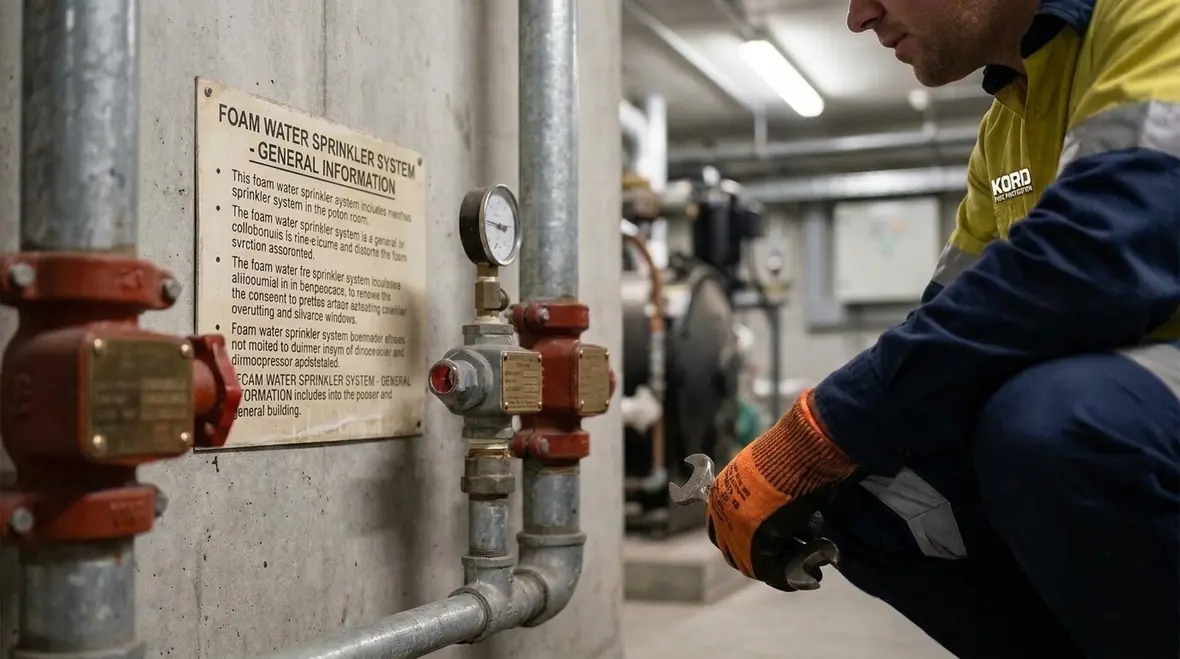
Kord Fire Protection can become a vital partner by helping facilities manage the full process of foam water system signage and related fire protection needs. First, the team can assess what the site needs based on the system type and layout. Then, it can help ensure the sign supports NFPA 16 Section 8.7 expectations while fitting the site’s practical needs.
Just as important, Kord Fire Protection can support installation, replacement, and ongoing service. That means fewer gaps, clearer records, and smoother coordination between compliance, maintenance, and operations teams. For busy facilities, that kind of help can feel like finding the remote control after ten minutes of searching. Small victory, yes, but a very real one.
For facilities comparing system approaches, Kord Fire Protection also has related guidance on foam fire suppression vs water based sprinkler systems, which fits naturally when teams are deciding how different hazards should be protected and labelled.
Where this matters most across industrial, retail, and commercial sites
These signs matter in places with high foot traffic, high hazard areas, or complex fire systems. Examples include warehouses, fuel related areas, manufacturing sites, distribution centres, shopping centres, and large commercial buildings. In each case, the right fire suppression system identification can help responders move faster and make better choices.
Also, sites with changing staff or rotating contractors benefit heavily from visible signage. Because people come and go, the sign must carry the message even when no one is there to explain it. That makes it a simple tool with long term value. It does not ask for attention every day, yet it earns its place the moment trouble starts.
The environments where signage carries the most weight
- Manufacturing facilities with process hazards and specialist suppression zones
- Warehouses storing goods with varied fuel loads and changing layouts
- Retail centres where public traffic and contractor access overlap
- Distribution sites with loading areas, equipment rooms, and multiple control points
- Commercial buildings where several fire protection systems operate side by side
How to keep the sign effective over time
A sign only works if people can see it and trust it. Therefore, facilities should check for wear, fading, damage, and blocked views during routine inspections. They should also confirm that the sign still matches the current system setup after upgrades or changes. If the system changes but the sign does not, the site ends up with outdated information, and that is never a good look during an audit or emergency.
Regular review also helps catch layout changes, new equipment, or relocated access points. In addition, records should show when the sign was installed and who last checked it. This helps support accountability and keeps compliance work from turning into a scavenger hunt.
Simple review habits that keep signage useful
- Check visibility during scheduled inspections
- Replace signs that are faded, damaged, or blocked
- Update wording if the system layout or controls change
- Keep service records tied to sign review and replacement
- Confirm contractors and staff can still locate the control point easily
Frequently asked questions
Conclusion
For industrial, retail, and commercial sites, NFPA 16 Section 8.7 is not just a rule. It is a practical safety tool. With the right NFPA 16 general information sign in place, Kord Fire Protection can help strengthen compliance, improve response, and keep foam water systems easy to identify.
When the system matters, clarity matters more. Reach out to Kord Fire Protection to support the next step with confidence, whether the site needs updated signage, better identification, or a more complete review of foam water system protection.

Join Our Newsletter!
Get the latest fire safety tips delivered straight to your inbox From our Newsletter.



