NFPA 13 Section 8.2 — Dry Sprinkler Systems: Design and Installation
NFPA 13 Section 8.2 Dry Sprinkler Systems: Design and Installation
NFPA 13 dry sprinkler systems design installation outlines how to design and install dry systems for commercial spaces, including pipe materials, pressure management, freezing protection, valve placement, and testing. Proper application minimizes freeze risk and ensures prompt water delivery during a fire scenario.
For a broader code context, review NFPA 13 automatic fire sprinkler system installation, and if your facility needs field support, dry pipe sprinkler system services can help connect design requirements with real world installation and maintenance.
1. Design foundations for dry sprinkler systems
The 8.2 section establishes design criteria tailored to dry sprinkler systems used in spaces with potential freezing or low ambient temperatures. It emphasizes selecting appropriate piping materials, protecting lines with insulation or heated enclosures, and configuring control valves, detectors, and risers to maintain system readiness. Occupancy type, fire hazard level, and climate conditions drive zoning, reactivation schemes, and the required water supply characteristics. Designers must document hydraulic needs and coordinate with supplying authorities for acceptance.
- Assess climate and occupancy to determine appropriate protection strategies.
- Plan valve locations and access for reliable operation and maintenance.
- Ensure documentation covers as-built drawings and system specifications.
2. System components and materials
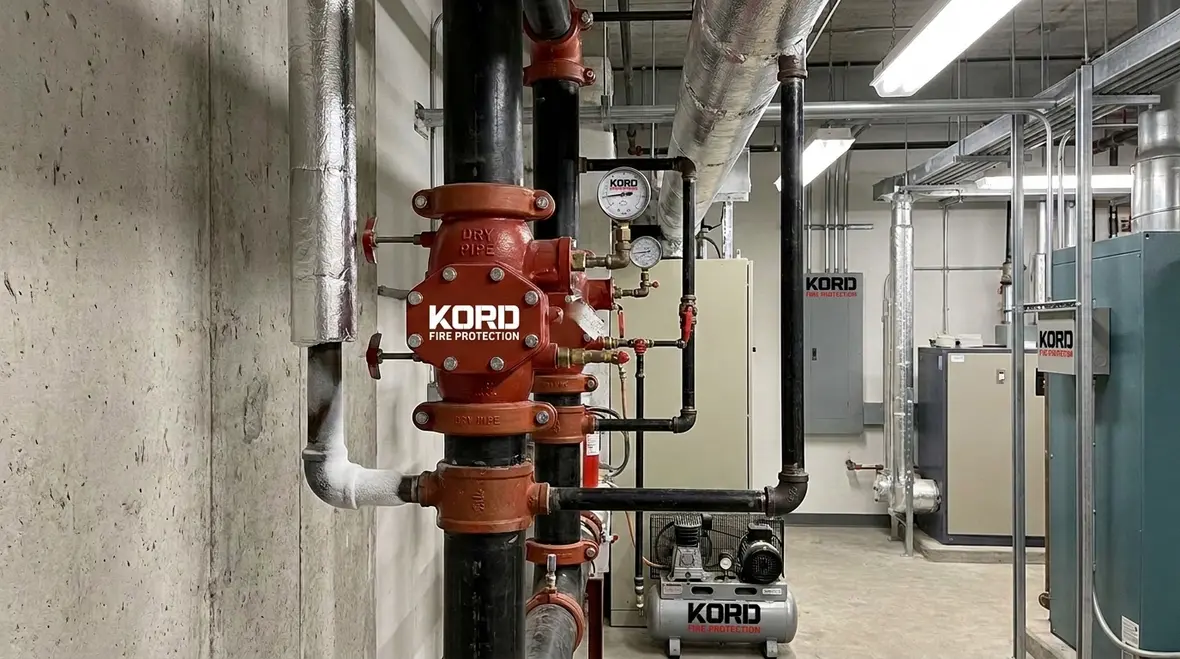
Dry sprinkler systems rely on a precharged piping network that holds air or nitrogen until water release. Key components include dry pipe system piping, a dry pipe valve, air charge equipment, test and drain connections, and backflow prevention where required. All materials must be compatible with intended temperatures and corrosive environments, and installations require proper hangers, insulation, and protection from physical damage. The selection and arrangement of components influence response time and reliability during a fire event.
3. Hydraulic calculations and water supply considerations
Hydraulic calculations validate that the available water supply meets the discharge demands at the most remote sprinkler heads. Section 8.2 requires documented calculations showing pipe sizing, friction losses, and pressure requirements, ensuring adequate head pressure throughout the system. Designers must account for valve pressure losses and potential air compression effects during system charging to prevent shortfalls at critical devices.
- Document all assumptions for water supply and system demand.
- Verify that the hydraulic network remains within acceptable pressure ranges from the water source to the farthest head.
4. Installation procedures and field practices
Installation under 8.2 follows strict sequencing to prevent contamination and freezing during commissioning. Teams assemble the dry piping network, install the dry pipe valve and support hardware, and verify that insulation and weather protection are continuous. Field testing begins with air pressure checks, then progresses to water charge and system flushing. Clear, accessible valves and test connections facilitate ongoing inspection and maintenance.
- Install per manufacturer recommendations and NFPA 13 guidelines.
- Maintain temperature control and moisture barriers in unheated spaces.
5. Inspection, testing and commissioning
Commissioning verifies that the dry sprinkler system performs as designed. Routine procedures include precharge checks, valve operation tests, and functional tests of supervisory and alarm devices. Annual and hydrostatic tests, plus five year internal inspections, ensure pipe integrity and valve performance. Proper documentation of test results supports regulatory audits and future maintenance planning.
- Document test results and any corrective actions taken.
- Coordinate commissioning with the Authority Having Jurisdiction to confirm compliance.
6. Compliance challenges and documentation
Commercial facilities frequently encounter challenges such as extreme ambient conditions, complex layouts, and integration with other life safety systems. In retail and industrial environments, poor insulation, inaccessible valve locations, and inadequate recordkeeping can compromise readiness. A robust maintenance program is essential, including periodic visual inspections, functional tests, and updates to drawings and system data. Real world compliance requires disciplined control of changes, timely repairs, and proactive replacement of aging components.
Partnering with Kord Fire Protection supports ongoing compliance through regular system surveys, testing oversight, and maintenance planning. Kord Fire Protection helps ensure that NFPA 13 dry sprinkler systems design installation remains in step with evolving codes and facility needs.
7. Frequently Asked Questions
Conclusion and call to action For expert evaluation of NFPA 13 dry sprinkler systems design installation and ongoing compliance, connect with Kord Fire Protection. Our team delivers design validation, installation oversight, testing, and proactive maintenance tailored to commercial, industrial, and retail facilities. Schedule a consultation today to safeguard your property and meet regulatory requirements with confidence.

Join Our Newsletter!
Get the latest fire safety tips delivered straight to your inbox From our Newsletter.