NFPA 13 Section 8.6 — Antifreeze Sprinkler Systems Requirements
NFPA 13 Section 8.6 — Antifreeze Sprinkler Systems Requirements
NFPA 13 antifreeze sprinkler systems requirements govern the use of listed antifreeze solutions in dry and pre action configurations, establish concentration and compatibility expectations, and define testing and maintenance standards. The focus is on reliable operation in commercial, industrial, and retail facilities while protecting unheated or remote spaces from freezing damage.
For a broader code context, review NFPA 13 overview for automatic fire sprinkler system installation. If your facility needs hands on support, Kord Fire also provides fire sprinkler installation service and repair for inspections, design, maintenance, testing, and corrective work.
Overview and scope
Section 8.6 addresses when antifreeze solutions may be used in sprinkler piping and outlines the conditions for design, installation, and operation. It emphasizes that antifreeze systems are not a substitute for heating or proper space conditioning. The rule set targets reliable performance in areas that experience cold temperatures and are not routinely heated, ensuring compatibility with sprinkler components and materials.
Approved antifreeze solutions and concentrations
Only antifreeze solutions that are listed for fire protection use and approved for NFPA 13 applications may be used. The common options are propylene glycol and glycerin based formulations, selected to minimize toxicity and corrosion risk. Ethylene glycol is generally not permitted for fire protection systems due to toxicity concerns. Each listed solution must include a corrosion inhibitor package compatible with sprinkler materials and stay within the concentration range specified by the listing and the sprinkler manufacturer.
- Use only solutions that are explicitly listed for fire protection and compatible with system components.
- Avoid mixing antifreeze types or adding additives that are not approved.
- Keep concentrations within the manufacturer specified range and verify with routine testing.
- Do not introduce potable water or non listed additives into the antifreeze circuit.
System types and configurations
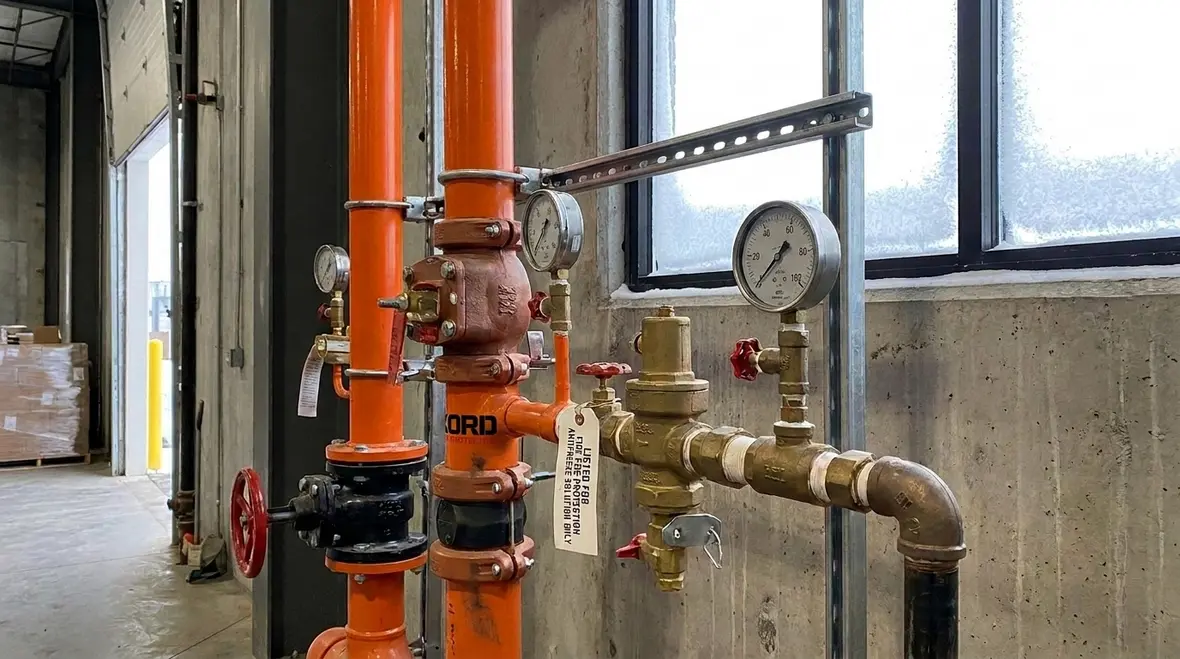
Antifreeze formulations in NFPA 13 are used with dry pipe, pre action, or other listed non wet pipe configurations where the piping can be kept above freezing. They are not intended for conventional wet pipe systems. The installation must consider material compatibility, recommended temperature ranges, and proper drainage or isolation to prevent dilution and contamination of the antifreeze solution.
Design, installation and documentation requirements
Design professionals must ensure that antifreeze systems are reviewed by the authority having jurisdiction and that all components are listed for the intended use. Documentation should include the antifreeze product name, concentration, supplier data sheets, installation drawings, and material compatibility notes. Clear labeling on filled lines, valves, and drains helps maintain safety and facilitates inspections. Facilities in the commercial, industrial, and retail sectors should maintain up to date records for quick reference during audits.
Testing, inspection and maintenance
Regular testing of antifreeze concentration, pH, and corrosion inhibitors is required to prevent degradation of the protective solution. Commissioning tests verify that the system meets design intent before occupancy or operation in cold conditions. Routine inspections should occur at least annually, with more frequent checks during extreme weather or if the facility undergoes significant modifications. Records should be kept for all tests, replacements, and any corrective actions.
- Concentration testing using approved methods should verify that the solution remains within listing specifications.
- Visual inspections of piping, joints, and drains help detect leaks or contamination early.
- Post maintenance or testing, flush procedures should restore system integrity and prevent dilution.
- Operations should coordinate with a qualified fire protection contractor to ensure ongoing compliance.
Commercial facilities face practical challenges such as scheduling testing around business hours, coordinating with tenants, and ensuring minimal system downtime. A dedicated service partner familiar with NFPA 13 antifreeze sprinkler systems requirements can streamline maintenance and reduce risk. Kord Fire Protection offers assessment, design support, testing, and ongoing maintenance to help facilities stay compliant.
Common failure points and mitigation strategies
- Inadequate antifreeze concentration due to dilution from leaks or partial drainage. Mitigation: implement a robust monitoring program and verify concentration during every major service event.
- Material incompatibility leading to accelerated corrosion or gasket degradation. Mitigation: use only listing approved inhibitors and compatible materials, update drawings and BOMs.
- Contamination from improper additives or mixing practices. Mitigation: enforce strict sourcing controls and document all chemical changes.
- Improper drainage or flushing after testing which leaves residues. Mitigation: follow manufacturer and NFPA guidelines for post service flushing and testing.
- Lack of current documentation and test records. Mitigation: maintain a centralized, accessible log and provide AHJ ready documentation during inspections.
Addressing these points reduces risk in commercial, industrial, and retail environments and supports reliable protection during cold periods.
Frequently Asked Questions
Conclusion and call to action
For commercial facilities seeking reliable antifreeze protection, partnering with a seasoned professional ensures ongoing compliance and system performance. Kord Fire Protection provides assessment, design, testing, and maintenance services tailored to NFPA 13 antifreeze sprinkler systems requirements. Contact Kord today to schedule a compliance review, system evaluation, or ongoing maintenance program. Ensure your facility remains protected year round.

Join Our Newsletter!
Get the latest fire safety tips delivered straight to your inbox From our Newsletter.