NFPA 13 Section 29.3: Sprinkler System Instructions Documentation
Quick Answer: NFPA 13 Section 29.3 requires sprinkler systems to have clear, usable instructions for operation, maintenance, and inspection. Proper NFPA 13 sprinkler system instructions documentation supports crews, inspectors, and facility staff with step by step procedures, recordkeeping, and system-specific guidance that reduces downtime and noncompliance risk.
Facilities working to keep documentation aligned with real-world service conditions often pair their turnover materials with ongoing fire sprinkler inspection and maintenance support so system instructions stay useful after modifications, repairs, and annual testing.
Why Section 29.3 documentation matters in real commercial facilities
NFPA 13 Section 29.3 focuses on one practical outcome: the system must remain knowable and maintainable after installation. Commercial owners, facilities teams, and contractors do not always have the original installer on site. Without system-specific instruction documentation, response times increase, recurring inspection tasks become inconsistent, and operational errors become more likely.
In commercial, industrial, and retail occupancies, documentation gaps often surface during impairment, insurance plan reviews, tenant build outs, or annual inspection programs. When the paper trail is incomplete or instructions do not match the installed layout, inspectors can cite deficiencies that delay approvals and create operational risk.
What NFPA 13 Section 29.3 requires the owner to receive
Section 29.3 centers on “sprinkler system instructions” that enable competent operation and maintenance. The instruction package should be system specific and aligned with how the installed system actually works, not just with generic guidance. The documentation is expected to be usable by the facility’s responsible party, contractors, and inspection staff.
Instruction package must reflect the installed system
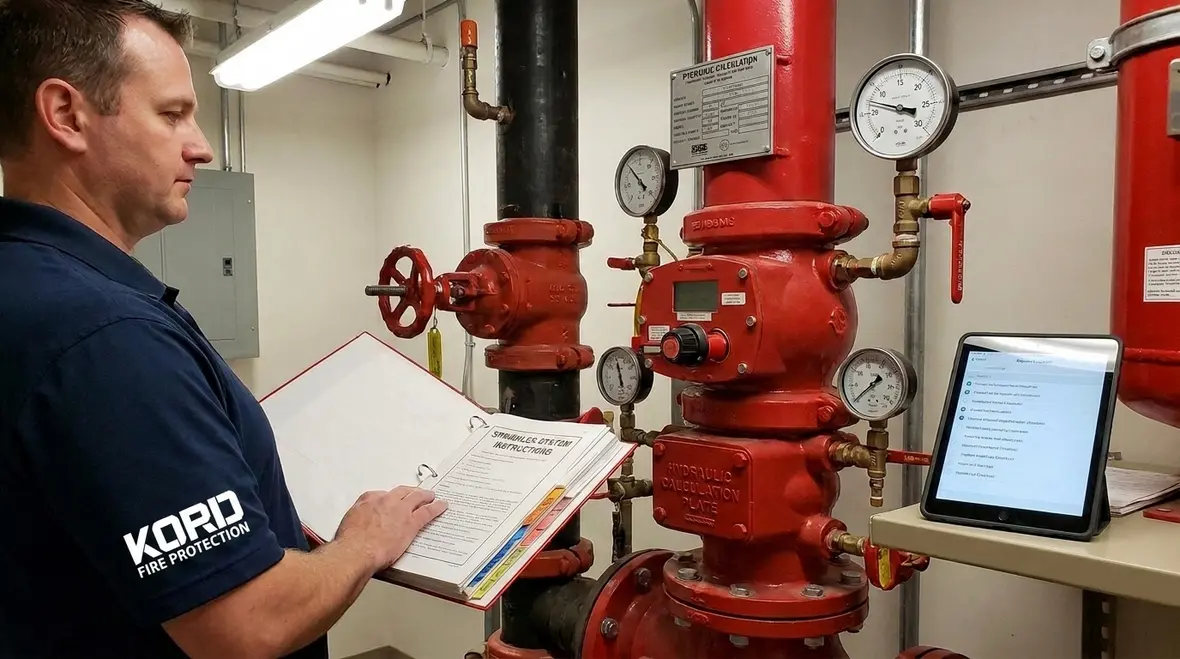
At minimum, the documentation should address how the system is arranged and how key components operate. Facility staff rely on these instructions to perform daily and periodic checks, manage waterflow and supervisory features, and respond to alarms without damaging system performance.
In practice, “system specific” means the instructions should match the final configuration such as:
- Control valve locations and water supply interfaces
- Alarm check, waterflow, and supervisory switches tied to the system design
- Drain arrangements and discharge routing
- Pipe sizes and major routing characteristics where relevant to maintenance access
- Design features that affect operation, such as deluge, preaction, or special systems where applicable
Include operational and maintenance procedures
Section 29.3 documentation should be written so that it can guide competent personnel through normal functions and common maintenance actions. The goal is to reduce ambiguity during inspections, troubleshooting, and impairment recovery.
Commercial facilities typically need procedures for:
- What to check before and after routine inspection steps
- How to recognize normal versus abnormal system conditions
- How to verify that valves are in the correct position
- How to manage planned maintenance and how to restore the system to service
For more background on the broader installation expectations that influence documentation quality, refer to Kord Fire Protection’s NFPA 13 overview of automatic fire sprinkler system installation.
Common compliance gaps that trigger citations or delays
Even when sprinkler systems are installed correctly, instruction documentation often fails during inspections because it is incomplete, generic, or disconnected from the as-built reality. These issues are common across multi tenant retail centers, warehouse distribution buildings, and light industrial retrofits.
1) Missing or outdated instruction content
Documentation sometimes stays frozen at initial turnover while the system changes through renovations, tenant improvements, reroutes, or valve relocations. The result is NFPA 13 sprinkler system instructions documentation that no longer corresponds to the field conditions.
2) Generic procedures that do not reflect the system components
If the instructions do not identify the correct devices and locations, staff cannot perform maintenance without guesswork. For example, if waterflow and supervisory switch identification does not align with the installed riser and alarm interface, the facility team risks missteps during testing.
3) Weak coordination with inspection and impairment processes
Commercial operations often require controlled shutdowns for valve work or component replacement. When instruction documentation does not align with the facility’s impairment workflow and restoration checks, the system can remain out of compliance longer than necessary.
4) Lack of clarity on drainage and discharge
Improper awareness of drain routing can create slip hazards, damage to ceilings and finishes, or prevent staff from completing the inspection or maintenance step safely. Drain instructions that do not match the installed discharge points repeatedly cause site issues during routine work.
How to build an effective NFPA 13 sprinkler system instructions documentation package
An instruction package should function like an operational reference, not a binder that sits untouched. Kord Fire Protection supports commercial facilities by translating design and installation details into practical, field verified guidance that maintenance teams can actually use.
Step by step content that works for facility staff
A strong documentation package typically includes:
- System identification: building and system description, service area summary, and how the system interfaces with alarms
- Control valve and auxiliary device guidance: where valves are located and how they should be positioned during normal operation
- Testing and observation pointers: what staff should observe during routine inspection steps and alarm verification activities
- Maintenance checkpoints: reminders tied to the types of components installed, such as alarm checks and supervisory features
- Restoration expectations: what “ready for service” means after inspection or repair work
Make device identification frictionless
Document device locations clearly and align them with labeling on the equipment. Facility teams should not have to interpret drawings to find the riser, the correct control valves, or the appropriate alarm interface devices.
This is where many instruction packages fail. The solution is field verification and a revision habit after any change. Kord Fire Protection emphasizes that maintenance documentation must evolve with the system.
Ensure alignment with annual inspection reality
Instruction documentation works best when it is paired with the facility’s inspection planning. For related fire pump and system performance considerations, organizations often rely on practical reference resources such as Fire Pump Maintenance Records and Global Standards to support maintenance planning and troubleshooting context.
Operational handoff and maintenance readiness for ongoing compliance
Section 29.3 documentation becomes a compliance tool only when it is managed. A strong handoff includes version control, clear storage locations, and the ability to update instructions quickly after alterations.
Version control after renovations and tenant changes
Commercial facilities frequently experience sprinkler modifications during tenant improvements. Kord Fire Protection regularly supports these environments by helping ensure that instructions reflect the latest configuration so NFPA 13 sprinkler system instructions documentation remains accurate and defensible.
Train the responsible party on the instruction workflow
Instructions should include a simple pathway: who reviews the documentation, where the active copy is stored, and what steps trigger a revision. Training reduces the likelihood that the facility team uses outdated binders or electronic files.
Plan for accessibility during emergencies
Documentation must be available when it matters. The facility should store the instruction package in a consistent location and ensure that incident responders can quickly find key information about valves, alarm interfaces, and restoration actions.
Where to find system documentation guidance and support
For owners and contractors seeking broader context on NFPA 13 system work, Kord Fire Protection provides practical installation guidance at Kord Fire Protection: NFPA 13 overview. Additional service information and regional support may be available through https://kordelectric.com and https://kordfire.com.au.
Kord Fire Protection also helps facilities convert design and inspection requirements into clear maintenance workflows, supporting the documentation expectations tied to NFPA 13 Section 29.3.
Frequently Asked Questions
Conclusion and call to action
NFPA 13 Section 29.3 documentation protects your operation as much as it supports compliance. When instruction content matches the installed system, teams can inspect, test, impair, and restore quickly without guesswork. Kord Fire Protection helps commercial facilities build and maintain accurate NFPA 13 sprinkler system instructions documentation through field verified updates, inspection support, and ongoing maintenance planning. Contact Kord Fire Protection to review your current instruction package and close documentation gaps before they become delays.

Join Our Newsletter!
Get the latest fire safety tips delivered straight to your inbox From our Newsletter.