
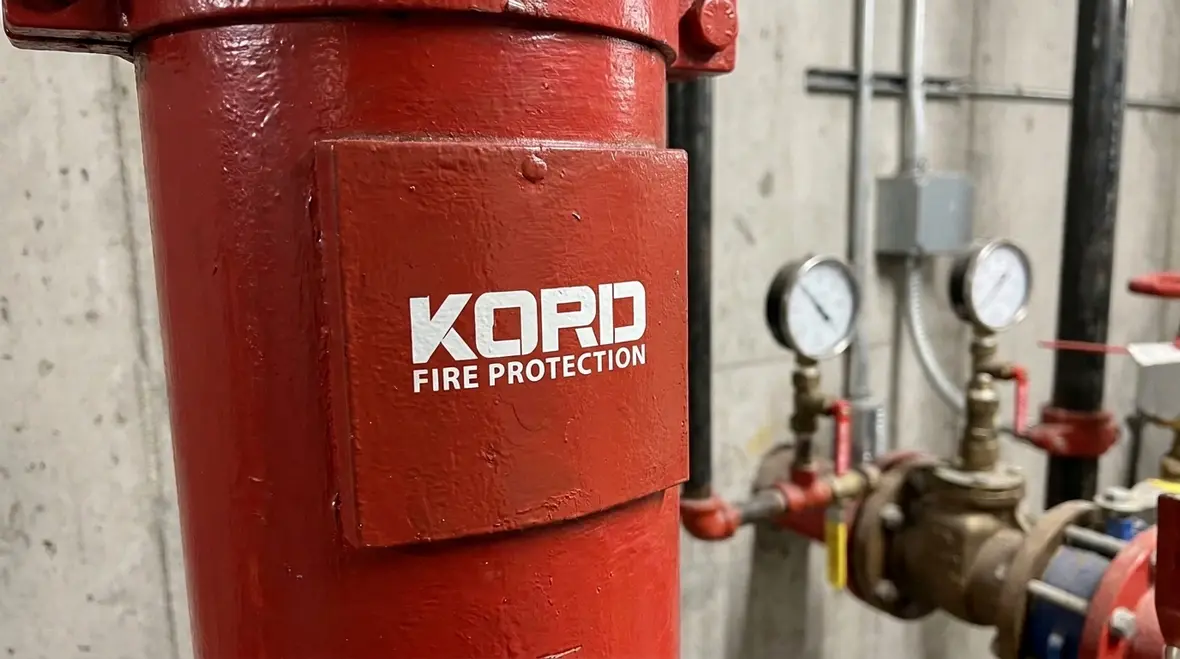
NFPA 13 Section 29.4 — Hydraulic Design Information Sign (Nameplate) Requirements
Quick Answer
NFPA 13 Section 29.4 requires a durable hydraulic design information sign, commonly called the nameplate, to document key design and performance data for sprinkler systems. The sign supports inspection, troubleshooting, and re certification by making engineered values readily available to the owner and AHJ.
Why the NFPA 13 hydraulic design information sign nameplate matters on real projects
Commercial facilities often change use, occupancy load, rack storage, and even tenant layouts. When sprinkler systems undergo inspections, impairment, or modifications, teams need fast access to the original hydraulic design basis. The NFPA 13 hydraulic design information sign nameplate acts as an at a glance reference for critical engineering parameters that otherwise live in shop drawings, calculations, and submittal packages.
In practice, this requirement reduces time spent searching records during annual inspections, flow tests, and valve and alarm supervisory checks. It also supports stronger oversight by the AHJ when verifying that alterations have not compromised design intent. For ongoing compliance, many facilities rely on repeatable service workflows provided by fire protection contractors such as Kord Fire Protection, including sign verification, documentation control, and system maintenance.
For facilities that want broader ongoing support, fire sprinkler system service can help connect inspections, maintenance, and documentation control in one workflow.
For a system-level orientation, see this NFPA 13 overview: NFPA 13 overview for automatic fire sprinkler system installation.
What Section 29.4 expects: content, durability, and installation control
NFPA 13 Section 29.4 focuses on the hydraulic design information sign that identifies the system design basis. The nameplate must present information clearly and remain legible for the life of the system, because it directly supports operational decisions after installation.
1) Identify the sign as the hydraulic design reference
The sign must clearly relate to the sprinkler system’s hydraulic design. Facilities treat this as a core compliance document, not a cosmetic label. When teams cannot read or verify the values quickly, they often resort to pulling historical calculations, which can slow down inspections and complicate enforcement.
2) Use durable, tamper-resistant installation practices
Section 29.4 nameplates are expected to survive normal industrial and commercial environments. Common compliance challenges include missing signs, unreadable signs due to paint overspray, loose mounting that allows rotation or displacement, and sign placement that blocks visibility behind piping, cabinets, or equipment.
Install the sign where it can be seen during typical maintenance. Avoid locations that require removing components or reaching over energized equipment. Good practice aligns with the broader maintenance culture in commercial facilities such as retail back rooms, manufacturing plant risers, and warehouse sprinkler control areas.
3) Ensure the information matches the approved design
Hydraulic design information must reflect the engineered system, not a mix of old and updated calculations. When a facility performs modifications like adding sprinklers, revising pipe routing, upgrading pump components, or changing water supply conditions, the design basis can change. The sign must track the current, approved configuration.
Contractors should maintain sign data control the same way they control fire alarm device lists and valve chart revisions. Kord Fire Protection typically supports this discipline through service documentation practices that align field work with installed system parameters, helping facilities maintain an audit-ready compliance package.
Where the nameplate belongs and what inspectors look for
AHJs and inspectors usually evaluate accessibility and legibility first, then accuracy second. Even when documentation exists, a missing or damaged NFPA 13 hydraulic design information sign nameplate can create noncompliance because it defeats the purpose of the requirement.
Location strategy for commercial sprinkler systems
On many projects, the hydraulic design information sign is placed near the system riser, control valve assembly, or other logical point of maintenance access. The goal is to place the sign in the maintenance workflow so staff can check values without disrupting operations or pulling cabinets.
Legibility checks during inspection and maintenance
- Is the sign present, physically intact, and readable at arm’s length?
- Do the printed values match the installed configuration and recorded modifications?
- Can the sign be viewed without removing enclosures or relocating equipment?
If the nameplate fails these checks, field staff often trigger a documentation gap. That can lead to rework that delays closeout, certification, or operational readiness.
Common failure points that cause nameplate noncompliance
Most nameplate issues come from process breakdowns, not from ignorance of the requirement. The following patterns show up repeatedly in commercial, industrial, and retail environments.
1) Missing sign during turnover
A frequent problem occurs when installation and closeout teams focus on piping, alarms, and pump performance, while the nameplate install gets delayed and then overlooked during final walkthrough.
2) Sign present but does not match the revised hydraulic design
Revisions happen often: sprinkler count adjustments, node pressure changes, pump curve updates, and partial occupancy changes. When engineering updates occur without a corresponding sign update, the NFPA 13 hydraulic design information sign nameplate becomes misleading.
3) Illegible or obscured signage
Paint overspray, abrasion, water staining, or mounting behind obstructions makes the sign functionally unavailable. In industrial spaces, valves and piping are frequently serviced, which increases the odds of mechanical damage if the sign location is not planned.
4) No maintenance control or version tracking
Facilities often lack an owner-controlled system for managing sign revisions the way they manage drawings. As a result, modifications get completed while compliance labeling lags behind. This becomes especially problematic when an impaired system is returned to service and the AHJ expects clear design basis confirmation.
To support long-term compliance readiness, many commercial operators coordinate periodic service visits. Kord Fire Protection can help facilities align sign verification with valve testing, alarm maintenance, and inspection workflows, reducing the chance of avoidable noncompliance during renewal activities.
Operational linkage: how the nameplate supports hydraulic performance and maintenance
Hydraulic design information does not remain theoretical. It directly supports operational decisions tied to pump performance, water supply evaluation, and system testing. Even when inspection procedures focus on flow switches, pressure gauges, and alarms, the design basis values guide what “right” looks like during abnormal conditions.
Hydraulic context for pumps, pressures, and water supplies
When sprinkler systems include pumps, pressure maintenance relies on correct set points and operating conditions. If the sign does not match the installed design, maintenance teams may struggle to interpret system behavior during troubleshooting. That increases service time and can delay corrective action.
For additional pump and performance discussion, refer to resources such as NFPA 20 fire pump acceptance testing guide.
Maintenance workflows that should include sign verification
- Riser area inspection during scheduled service visits
- Cross check of valve charts and riser labels against current configuration
- Verification of signage legibility after construction activities
- Update confirmation after system modifications or water supply changes
For companies that standardize compliance workflows across sites, internal alignment matters. Kord Electric and Kord Fire Protection support coordinated commercial service delivery, which helps streamline closeout, documentation, and field verification processes. You can explore service connectivity at commercial electrical preventative maintenance checklist and the Kord Fire Protection home at fire sprinkler maintenance for commercial safety in Australia.
How to keep the hydraulic design information sign audit ready
Facilities can treat Section 29.4 nameplate compliance as a controlled asset. The objective is simple: the sign stays present, legible, and synchronized with the installed hydraulic design.
Recommended compliance control steps
During commissioning: confirm the sign is installed in the planned riser or maintenance location and verify legibility under normal lighting conditions.
During revisions: update the sign immediately when engineering changes occur, including modifications to hydraulic design scope.
During maintenance: include a quick sign visibility and version check as part of the service checklist.
With documentation: keep a controlled record that ties the sign information to the approved submittal set and any revision documentation.
When facilities standardize these steps, they reduce friction with inspectors and avoid the operational drag of searching for historical calculations. Kord Fire Protection can support a structured compliance approach for commercial systems, including sign verification, system testing coordination, and documentation management.
Frequently Asked Questions
Call to action
If your facility supports commercial operations, industrial maintenance schedules, or retail turnover cycles, treat the NFPA 13 hydraulic design information sign nameplate as a controlled compliance asset. Kord Fire Protection can verify sign presence and legibility, confirm alignment with the installed hydraulic design, and incorporate nameplate checks into ongoing inspection and maintenance workflows. Contact Kord Fire Protection to strengthen audit readiness and reduce closeout and inspection delays.

Join Our Newsletter!
Get the latest fire safety tips delivered straight to your inbox From our Newsletter.


