
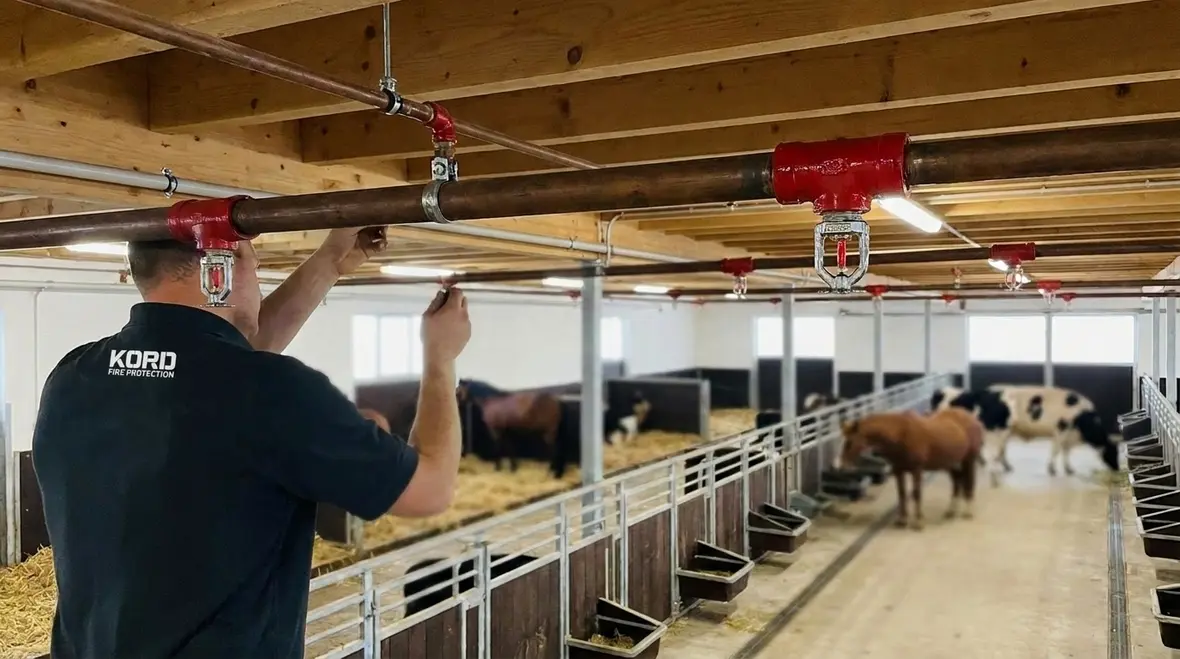
NFPA 13 Section 27.25 — Animal Housing Facilities Sprinkler Protection
NFPA 13 Section 27.25 Animal Housing Facilities Sprinkler Protection
Quick answer: NFPA 13 Section 27.25 governs sprinkler protection in animal housing facilities. Understanding the NFPA 13 animal housing facilities sprinkler protection framework helps facility managers design reliable systems, meet code obligations, minimize risk to livestock, protect assets, and maintain operations during fire emergencies without compromising welfare.
For a broader foundation on sprinkler system design and installation, see our NFPA 13 overview of automatic fire sprinkler system installation.
Design and System Layout Considerations for Animal Housing Facilities
In animal housing facilities the design approach under NFPA 13 Section 27.25 emphasizes reliable water supply appropriate sprinkler head types and careful placement to protect animals and equipment without excessive water damage. Climate, building layout, and animal activity should influence system type materials and layout decisions.
Key design priorities
- System type selection including wet pipe and dry pipe options based on climate and occupancy risk
- Material choices emphasizing corrosion resistance and compatibility with agricultural environments
- Sprinkler head types and placement to balance rapid response with minimal direct water impact on animals
- Clearances around feeders bedding and equipment to prevent obstructions to spray patterns
- Backflow prevention and water supply redundancy to protect drinking water quality and reliability
Applying the NFPA 13 animal housing facilities sprinkler protection framework ensures that equipment selection and layout support rapid response while preserving animal welfare.
Sprinkler Coverage and Placement Strategies for Animal Housing
Effective coverage requires thoughtful head spacing and zoning that align with animal movement and housing area usage. Designers segment spaces so a single incident does not compromise the entire facility and ensure clean head drainage. Compatibility with existing corridors and equipment is essential.
Coverage strategy essentials
- Horizontal and vertical coverage considerations for barns kennels and poultry houses
- Avoiding obstructions such as feed troughs and equipment that block spray paths
- Selection of corrosion resistant sprinkler heads when exposed to ammonia dust litter or manure
- Coordination with fire alarm initiating devices to avoid nuisance alarms while ensuring prompt response
Regular audits ensure NFPA 13 animal housing facilities sprinkler protection coverage remains uniform across zones.
Operational Procedures and Alarm Integration
Operational readiness relies on alignment of sprinkler protection with alarm systems water supply and emergency procedures. Systems should integrate with building fire alarms automatic detection and remote monitoring. Regularly train staff to recognize sprinkler activity differentiate from fire events and follow approved response protocols.
Operational coordination points
- Interlock between water flow alarms and building shutdowns when necessary
- Provision for non sprinkler area protection that preserves critical equipment
- Clear access to valves drains and controls for rapid shutdown or testing
- Documentation of sequence of operations and testing results
Designers must align NFPA 13 animal housing facilities sprinkler protection with alarm and water supply strategies.
Inspection Testing and Maintenance Practices
NFPA 25 governs inspection testing and maintenance of sprinkler systems including those serving animal housing facilities. Regular visual inspections verify no obstructions head alignment and intact seals. Routine testing confirms water supply pressure valve operation and system integrity.
If your facility also depends on pump support, our NFPA 25 inspection testing and maintenance guide is a helpful companion resource for understanding long term service expectations.
Maintenance focus areas
- Pre functional and full functional tests to verify alarms clappers and supervisory devices
- Valve exercising and drainage checks to prevent water hammer and sediment buildup
- Maintenance of water quality to reduce corrosion and mineral deposits in pipes and heads
- Recordkeeping of all inspections repairs and replacements for regulatory and insurance purposes
NFPA 25 is the controlling standard for inspection and maintenance of NFPA 13 animal housing facilities sprinkler protection.
Compliance Challenges for Commercial Facilities and Partner Support
Commercial facilities including retail industrial and office campuses face practical challenges implementing NFPA 13 animal housing facilities sprinkler protection. Space constraints competitive budgets and the need to protect animals and assets require careful planning. A qualified fire protection partner supports design review approval testing and ongoing maintenance.
Kord Fire Protection provides design engineering commissioning inspections and ongoing maintenance programs for animal housing sprinkler protection. Our team helps align with latest editions adapt to facility changes and maintain documentation for code compliance and insurer requirements.
Frequently Asked Questions
Conclusion and next steps To ensure your facility meets NFPA 13 animal housing facilities sprinkler protection requirements contact Kord Fire Protection for a comprehensive assessment design review and ongoing maintenance program. Our experts coordinate with owners managers and local authorities to deliver reliable coverage and documented compliance. Schedule a no obligation consultation today.

Join Our Newsletter!
Get the latest fire safety tips delivered straight to your inbox From our Newsletter.


