NFPA 13 Section 27.21 — Coal Mines: Sprinkler System Requirements
NFPA 13 coal mines sprinkler system requirements shape all aspects of coal mine protection, from underground corridors to surface facilities. This includes design, water supply, materials, and inspection routines. Proper adherence reduces ignition and propagation risks, supported by documented maintenance plans and competent inspection.
Scope and intent of NFPA 13 Section 27.21 for Coal Mines
Section 27.21 addresses the unique hazards of coal mine environments and defines the scope for sprinkler protection in underground workings and adjacent surface facilities. It aligns with MSHA expectations and NFPA 13 guidance on methane control, coal dust, and ventilation while specifying system reliability and documentation requirements. Understanding scope helps facility managers determine which spaces require isolation, monitoring, and specialized equipment.
For readers reviewing broader code context, Kord’s NFPA 13 overview of automatic fire sprinkler system installation provides a helpful foundation before getting into the coal mine specific requirements. If you need field support, Kord also offers dedicated fire sprinkler services for inspection, maintenance, repair, and system readiness.
Design requirements and classifications for coal mine installations
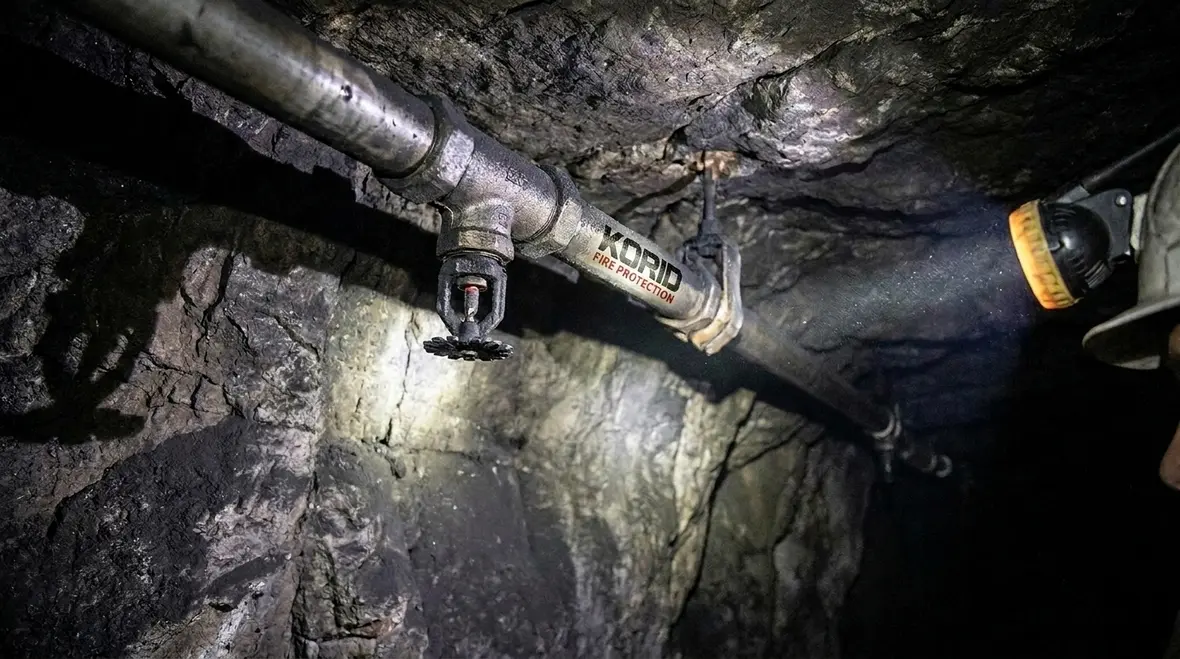
Coal mine sprinkler design must account for underground conditions such as reduced visibility, explosive dust hazards, and potential methane presence. The section guides hazard classification, material selection, and sprinkler placement to ensure reliable distribution in confined underground areas and larger surface complexes. Designers must choose corrosion resistant components, suitable coatings, and robust sealing to withstand mine atmospheres while preserving water supply integrity for rapid response.
Why classification matters in mine environments
Hazard classification is not paperwork for paperwork’s sake. In coal mine settings, it influences pipe sizing, sprinkler spacing, discharge expectations, and the overall reliability strategy. Get the classification wrong and the whole protection concept starts wobbling before the first fitting is installed.
Installation practices and equipment for coal mine systems
Installation practices emphasize secure mounting, vibration resistance, and protection from coal dust ingress. Sprinkler heads should be selected for high dust environments and appropriate orientations maintained for underground configurations. Piping materials, seals, and valving must resist corrosion and freezing where applicable, with isolation points and drainage provisions clearly identified for safe maintenance access.
Underground priorities
- Dust resistant sprinkler selection
- Secure supports and vibration control
- Corrosion conscious material choices
- Accessible isolation and drainage points
Surface facility priorities
- Reliable water supply continuity
- Freeze and weather related protections
- Clear valve identification
- Maintenance safe access planning
Inspection testing and maintenance requirements for coal mine sprinkler systems
Ongoing inspection and testing integrate NFPA 25 with NFPA 13 Section 27.21. Regular visual checks of valves, gauges, and alarm devices occur alongside functional testing of flow switches and alarm signaling. Hydrostatic tests and corrosion inspections are scheduled per code requirements, and environmental conditions inside mines are documented to anticipate accelerated wear. Kord Fire Protection positions itself as a vital partner for coordinating these activities, ensuring traceable records, timely testing, and proactive repairs.
- Monthly visual inspections of water supply, valve operation, and access points
- Functional testing of alarms and supervisory devices on a defined cycle
- Hydrostatic and corrosion inspections conducted per code requirements
- Documentation of all findings and corrective actions for regulatory review
Documentation is part of the protection strategy
In coal mine environments, records do more than satisfy reviewers. They help teams spot recurring corrosion, repeated valve issues, access bottlenecks, and maintenance trends before those patterns turn into expensive surprises. Nobody enjoys digging through logs until the day they really, really need them.
Compliance challenges for commercial facilities and mining adjacent operations
Commercial, industrial, and retail facilities that repurpose or operate around coal mining environments face several challenges. Access restrictions and safety controls in underground spaces complicate installation, testing, and maintenance workflows. Variations in water supply, power uptime, and ventilation can impact sprinkler performance. Coordinating with mining operations, local authorities having jurisdiction, and MSHA requirements is essential. A qualified service partner such as Kord Fire Protection delivers risk assessments, custom maintenance programs, and rapid response to any sprinkler system issue in these complex settings.
Common operational friction points
- Restricted access windows for underground work
- Environmental wear that accelerates component degradation
- Coordination between mine operations and fire protection contractors
- Maintaining reliable documentation for inspections and corrective actions
Frequently Asked Questions
Conclusion and next steps
Coal mines present specialized fire protection challenges that require precise adherence to NFPA 13 Section 27.21. For commercial facilities and mining adjacent operations, partnering with a knowledgeable, responsive provider is essential. Kord Fire Protection offers comprehensive assessment, design review, installation oversight, and ongoing testing and maintenance to keep coal mine sprinkler systems compliant and operational. Contact Kord today to schedule a tailored compliance plan, staffing alignment, and a proactive maintenance program that minimizes risk and downtime.

Join Our Newsletter!
Get the latest fire safety tips delivered straight to your inbox From our Newsletter.