NFPA 13 Section 20.10 — Unsprinklered Combustible Concealed Spaces
Quick Answer
NFPA 13 unsprinklered combustible concealed spaces are regulated under Section 20.10 to limit hidden fire growth. Compliance requires proper identification, approved containment, and documented testing. In commercial facilities, ongoing inspection, maintenance, and coordination with the fire protection contractor are essential for safe operation.
For broader context on sprinkler design and installation requirements, see NFPA 13 automatic fire sprinkler system installation.
Understanding NFPA 13 Section 20.10
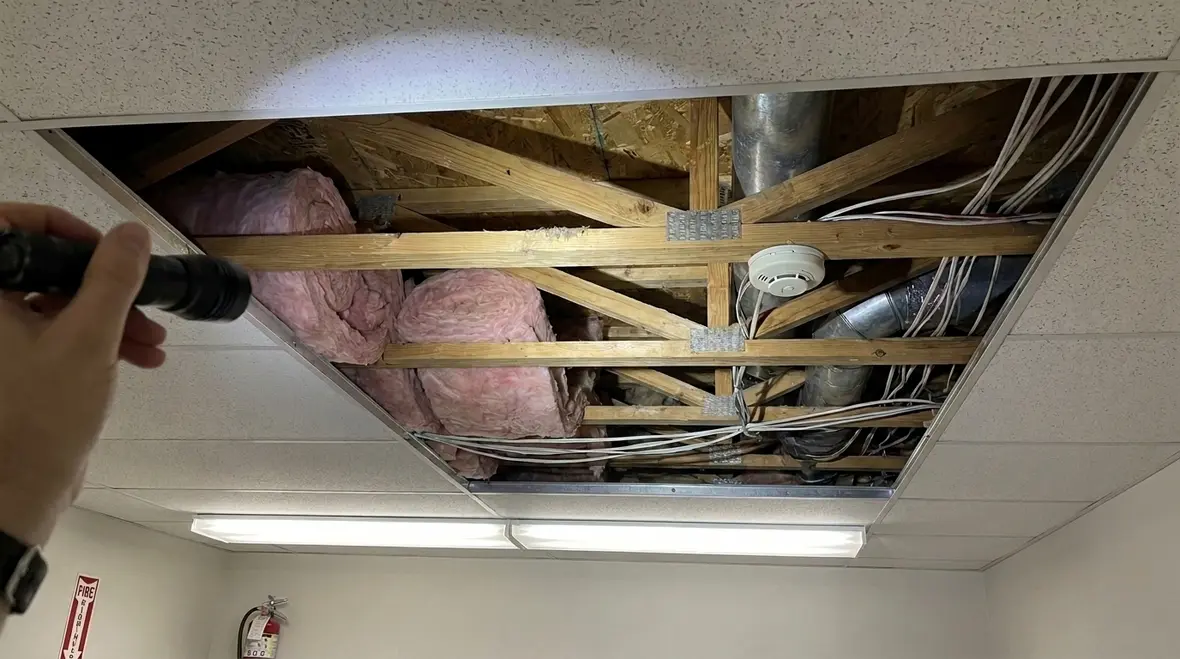
NFPA 13 unsprinklered combustible concealed spaces addresses how concealed areas that contain combustible materials are protected when standard sprinkler coverage may not apply. The section sets the framework for when such spaces may remain unsprinklered and what compensating measures or alternatives must be in place. Final acceptance rests on the current edition of NFPA 13 and the authority having jurisdiction (AHJ).
Scope and Intent
The scope covers concealed spaces behind walls and ceilings that hold combustible fuels or significant fuel loads. The intent is to limit fire growth and maintain safe egress and property protection when sprinklers do not directly cover these spaces. The AHJ evaluates each case to ensure the protective strategy meets risk and occupancy needs.
Compliance Pathways
- Identify every concealed space with potential fire load and assess its exposure to occupants and critical equipment.
- Determine if the space can be fully or partially covered by sprinklers or if an approved unsprinklered approach is permitted.
- Apply appropriate compartmentation and fire resistance rated barriers to isolate spaces from occupiable areas.
- Install approved detection or early warning systems if allowed by code and the AHJ.
- Document design decisions, testing results, and maintenance plans for verification and audits.
- Coordinate with the AHJ, design professionals, and the fire protection contractor throughout the project lifecycle.
Compliance in Commercial Facilities: Practical Considerations
Commercial facilities such as offices, retail spaces, warehouses, and mixed uses commonly contend with concealed areas like mezzanines, crawl spaces, and mechanical rooms. In these environments, NFPA 13 unsprinklered combustible concealed spaces requires a rigorous assessment of fuel loads, ignition sources, and access for firefighting. Practically, facilities must balance operational constraints with protection goals while documenting the rationale for any unsprinklered approach.
Occupancies and Examples
- Warehouses with high pile storage may benefit from enhanced compartmentation rather than full sprinkler coverage in concealed zones.
- Mezzanines or attic spaces above business floors often require review to confirm suitable barriers or sprinkler protection.
- Service corridors and mechanical rooms containing combustibles should be evaluated for containment and detection strategies.
Inspection, Testing, and Maintenance Requirements
Ongoing maintenance of unsprinklered concealed spaces centers on keeping protective measures effective and auditable. Routine checks verify that barriers remain intact, access is preserved, and any detection or alarm elements operate as intended. Documentation should support regulatory inspections and enable timely updates when spaces or loads change.
Routine Checks and Common Failure Points
- Regular visual inspections to confirm barrier integrity and access provisions.
- Verification of any detection or warning systems installed as part of the compensating measures.
- Prompt remediation of moisture, corrosion, or fuel load changes that could undermine protection strategies.
- Timely updates to drawings and risk assessments after renovations or space reconfigurations.
Design, Documentation and Coordination for Long Term Compliance
Successful long term compliance hinges on meticulous design and robust recordkeeping. Designers must capture as built conditions, clearly delineate the protection strategy for each concealed space, and maintain change control. Periodic reviews with the AHJ and the facility maintenance team help ensure that evolving operations do not erode protective protections.
As Built Documentation and Change Management
- Maintain updated drawings showing barriers, fuel loads, and any compensating measures.
- Document alterations to spaces that could affect protection performance.
- Implement a formal change management process that requires review and approval from the AHJ for significant modifications.
Frequently Asked Questions
Conclusion and Call to Action
Ensuring compliance with NFPA 13 Section 20.10 for unsprinklered combustible concealed spaces requires a coordinated program of identification, design, documentation, and ongoing maintenance. Kord Fire Protection specializes in assessment, design support, installation coordination, testing, and maintenance across commercial, industrial, and retail properties. Schedule a risk assessment with our team to establish a compliant protection strategy, maintain accurate records, and implement a sustainable maintenance program that reduces risk and preserves operational readiness.

Join Our Newsletter!
Get the latest fire safety tips delivered straight to your inbox From our Newsletter.