
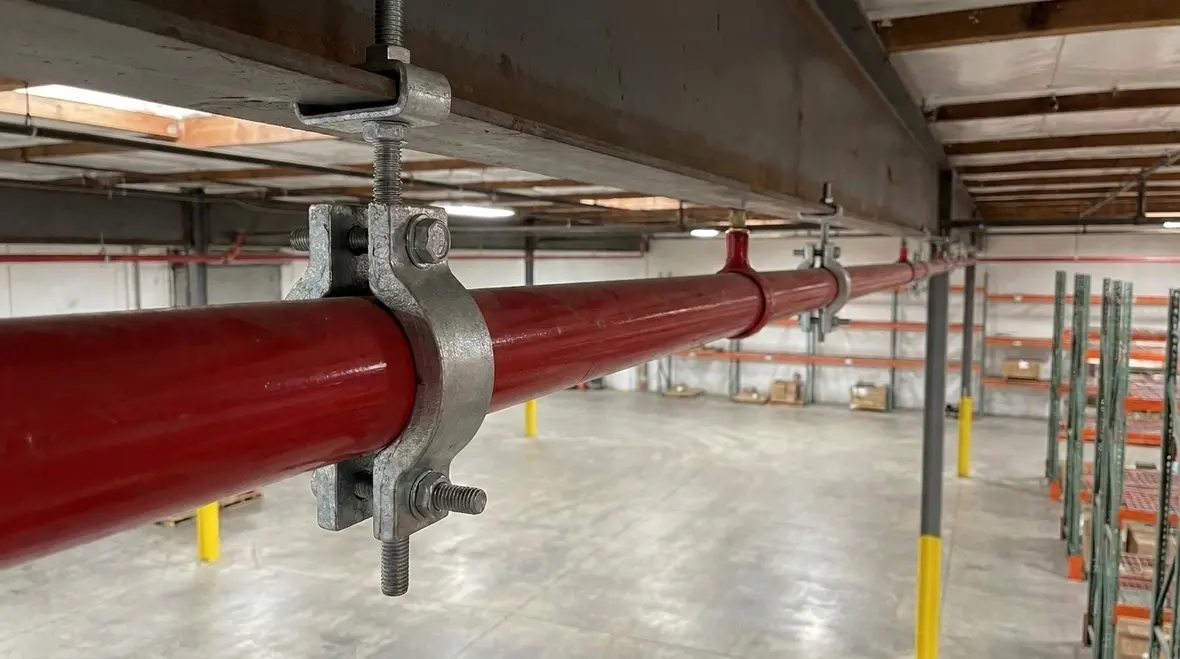
NFPA 13 Section 18.7 — Hangers and Fasteners for Seismic Sprinkler Protection
Quick Answer: NFPA 13 hangers fasteners seismic sprinkler protection is achieved when Section 18.7 requires seismic rated hangers and fasteners to secure sprinkler components, with proper spacing, corrosion protection, and listed fasteners installed into suitable structural elements. Proper installation minimizes sprinkler displacement and preserves water supply during earthquakes in commercial facilities.
If you’re reviewing how sprinkler support rules fit into the larger installation picture, Kord Fire’s NFPA 13 overview of automatic fire sprinkler system installation gives helpful context before you get deep into Section 18.7.
Facilities that need design help, retrofit planning, or ongoing support can also explore Kord Fire’s fire sprinkler system service for a practical path from assessment to maintenance.
Scope and intent of NFPA 13 Section 18.7
NFPA 13 Section 18.7 establishes the minimum performance expectations for seismic restraints on sprinkler systems. The intent is to prevent excessive pipe movement that could compromise sprinkler operation or damage water supplies during seismic events. This guidance applies across commercial, industrial, and retail facilities where reliable sprinkler performance under vibration is critical and where retrofit work may be necessary to meet current seismic standards.
Hangers and fasteners types and approval requirements
18.7 requires that all hangers and fasteners used for seismic restraint be listed for seismic use by a recognized testing laboratory and installed per the listing. This includes seismic rated hangers, straps, clamps, anchors, and related hardware selected to match the substrate and environmental conditions. Materials must be corrosion resistant and compatible with the sprinkler system, and installations must follow the manufacturer’s instructions and NFPA 13 requirements.
Key criteria to verify before installation
- Listed and labeled components from recognized laboratories
- Correct fastener type for substrate such as concrete anchors, steel clamps, or lag screws
- Material compatibility with sprinkler water and corrosion resistance
- Proper clearances to fittings and joints to avoid interference
Installation practices and anchorage details
Installation must provide robust anchorage into structural elements capable of withstanding lateral and vertical earthquake forces. Hangers and fasteners should be placed to minimize stress on piping during a quake, with attention to load path from the rack to the building structure. Typical practices include securing into concrete with approved epoxy or mechanical anchors, avoiding attachments to nonstructural ceilings, and using restraint devices that permit controlled movement without compromising leak integrity. Alignment and avoidance of over tightening on joints are essential to maintain system integrity.
Why anchorage details matter more than people think
A restraint assembly is only as reliable as the structure it ties into. If the attachment point is weak, misplaced, or treated like an afterthought, the whole setup can go from “code-minded” to “good luck with that” in a hurry. That is why installers need to evaluate the supporting structure, not just the hardware in the box.
Corrosion protection and material selection
Material selection focuses on durability in the presence of water and environmental exposure. Galvanized steel, stainless steel, and corrosion resistant coatings are common choices. When dissimilar metals are used, proper isolation reduces galvanic corrosion. Coatings must be compatible with water quality and chemical additives in the system, and inspections should verify coating integrity during routine maintenance.
Inspection, testing, and maintenance cadence
Establish a disciplined cadence for visual inspections and functional testing. Visual checks should occur during annual fire system surveys and after events that could have triggered seismic movement. Look for signs of loosening, elongation, corrosion, or misalignment. Where feasible, perform functional tests to confirm restraints remain intact and do not impede sprinkler operation. All findings should be documented and used to trigger retrofit or reinstallation as needed.
What inspectors should look for
The obvious failures matter, but the subtle ones matter too. A slightly shifted clamp, minor corrosion at a fastener, or a restraint that no longer sits in proper alignment can be the sort of small issue that grows into a very expensive surprise later.
Practical challenges in commercial facilities
Commercial, industrial, and retail facilities face several hurdles in meeting 18.7 requirements. Retrofit projects must often contend with limited access to structural members, ceiling constraints, and coordination with other trades. Budget pressures and supply chain delays can affect the procurement of seismic rated components. In addition, building owners must maintain accurate documentation and align seismic restraint upgrades with broader risk mitigation and life safety programs. For many facilities NFPA 13 hangers fasteners seismic sprinkler protection is the driver for retrofits and upgrades.
Role of Kord Fire Protection and partner approach
Kord Fire Protection positions itself as a vital commercial service partner for ongoing compliance, testing, and maintenance. The firm conducts seismic assessments, specifies hangers and fasteners, oversees installation, and integrates with NFPA 25 testing programs. This collaborative approach reduces downtime, ensures consistent adherence to NFPA 13 requirements, and supports ongoing readiness for commercial, industrial, and retail facilities.
Frequently Asked Questions
Conclusion and call to action
To maintain compliant seismic sprinkler protection and minimize risk, contact Kord Fire Protection for a comprehensive assessment, design, and ongoing maintenance program. We provide hanger and fastener specification, installation coordination, and NFPA 25 testing to support commercial, industrial, and retail facilities through every phase of seismic readiness.

Join Our Newsletter!
Get the latest fire safety tips delivered straight to your inbox From our Newsletter.


