
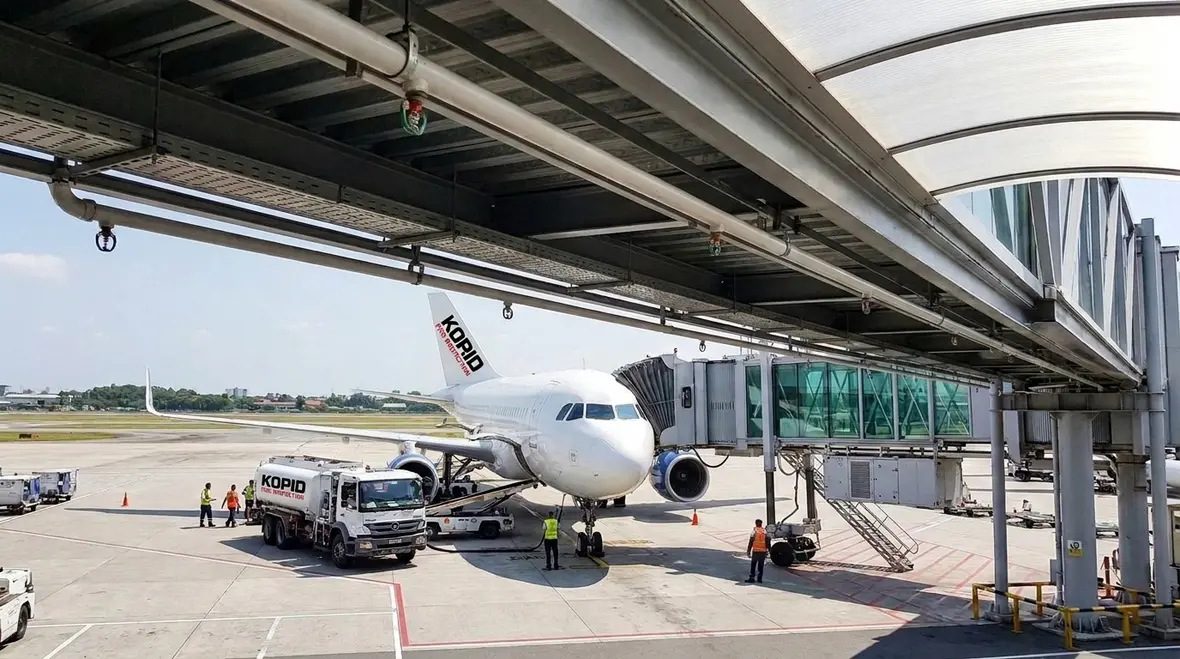
NFPA 13 Section 27.31 — Airport Terminal Buildings, Fueling Ramps, and Loading Walkways
The NFPA 13 airport terminal buildings fueling ramp sprinkler rules govern design installation and inspection of sprinkler systems in terminal areas fueling ramps and loading walkways. The standard emphasizes reliable flow against aviation fuel hazards unobstructed access and compatible protective features to minimize fuel spill risks and fire spread.
For a broader code foundation, see NFPA 13 automatic fire sprinkler system installation. And when these requirements need to translate from paper to actual field performance, fire sprinkler system service support helps keep design, inspections, and ongoing maintenance aligned.
Understanding the Scope and Intent
Section 27.31 of NFPA 13 addresses fire protection for spaces where aviation operations intersect with passenger facilities. It specifies protection requirements for airport terminal buildings fueling ramps and loading walkways, integrating with other airport systems such as electrical, communication, and fuel handling. The intent is to provide reliable sprinkler coverage without impeding aircraft refueling activities or passenger flow while accounting for high fuel volumes and unique ignition risks.
Practical implications include clear clearance for fueling operations, coordination with fueling equipment, and consideration of potential fuel spills. The specification guides hydraulic calculations, water supply demand, and sprinkler head selection to maintain system reliability in high hazard zones associated with aviation fuel handling.
Key Design Requirements for Airport Terminals and Fueling Areas
Area Classification and Hazard Considerations
- Classify spaces based on occupancy and fuel hazards to determine sprinkler density and protection strategy.
- Design for potential fuel spill scenarios while ensuring accessibility for maintenance and emergency response.
- Provide redundant protection where fueling ramps and loading walkways intersect critical egress paths.
Water Supply and Hydraulic Calculations
- Verify available fire flow against hydraulically calculate demand for terminal and fueling zones.
- Account for simultaneous operations such as fueling and passenger movement when sizing pumps and piping.
- Incorporate surge considerations and valve actions that may affect sprinkler performance during fueling activities.
Sprinkler Type and Configuration
- Choose sprinkler types compatible with fuel vapors and potential splashing conditions near ramps.
- Position heads to avoid damage from equipment and vehicles while preserving spray patterns necessary for protection.
- Use protection strategies such as deflectors or shielded escutcheons where appropriate to reduce unintended overshadowing of critical areas.
Inspection, Testing, and Maintenance Requirements
Routine Inspections
- Perform visual checks on a weekly or monthly cadence to verify unobstructed sprinkler paths and clear access around fueling zones.
- Inspect detector responders, alarm devices, and control valves for proper operation during shifts of fueling activity.
- Record any physical damage, corrosion, or obstruction promptly and verify corrective actions.
Testing Frequency and Procedures
- Coordinate annual fire sprinkler system tests with fueling operations to minimize disruption.
- Conduct hydrostatic tests and function tests in accordance with NFPA 25 and applicable site procedures.
- Test standby power and water supply continuity to ensure reliability during peak airport operations.
Equipment Access and Documentation
- Maintain clear access for maintenance and emergency responders around loading walkways and fueling zones.
- Keep up to date as-built drawings, inspection logs, and maintenance records for audit and training purposes.
- Implement documented preventive maintenance plans covering valves, detectors, and drainage related to spill control.
Common Failure Points and Operational Pitfalls
- Blocked or obstructed sprinkler heads or spray patterns due to maintenance carts, pallets, or spill containment devices.
- Inadequate clearance around fueling equipment leading to compromised water distribution and delayed suppression.
- Inconsistent coordination between fueling operations and fire protection testing causing schedule conflicts and gaps in coverage.
- Delayed notification or inadequate documentation of changes in terminal or ramp layouts that affect hydraulics.
Compliance Checklist for Commercial Facilities
- Confirm Section 27.31 applicability to the airport terminal area including fueling ramps and loading walkways.
- Verify water supply adequacy and perform hydraulic calculations aligned with current occupancy and fuel hazards.
- Ensure sprinkler head types and layouts protect fueling zones without hindering refueling activities.
- Maintain routine inspections, testing, and maintenance records with clear notes on fuel handling operations.
- Coordinate maintenance windows with airport operations to avoid conflicts with daily traffic and fueling schedules.
- Plan for emergency response integration including visible alarms, access routes, and spill response procedures.
Why Kord Fire Protection Matters for Airport and Commercial Facilities
Kord Fire Protection brings decades of experience in designing, inspecting, testing, and maintaining sprinkler systems in complex commercial facilities. For airport terminals, fueling ramps, and loading walkways the team offers site assessments, code compliance reviews, hydraulic calculations, and ongoing maintenance programs. Their coordination with facility managers ensures alignment with airline operations and regulatory requirements while delivering reliable fire protection and minimal downtime.
Frequently Asked Questions
Conclusion and Next Steps
To ensure ongoing compliance with NFPA 13 Section 27.31 for airport terminal buildings fueling ramp sprinkler systems, engage a trusted partner. Kord Fire Protection offers comprehensive assessments, system design reviews, installation oversight, and rigorous maintenance programs tailored to commercial, industrial, and retail facilities. Schedule a compliance review today to optimize protection, reduce downtime, and support safe aviation operations.

Join Our Newsletter!
Get the latest fire safety tips delivered straight to your inbox From our Newsletter.


