
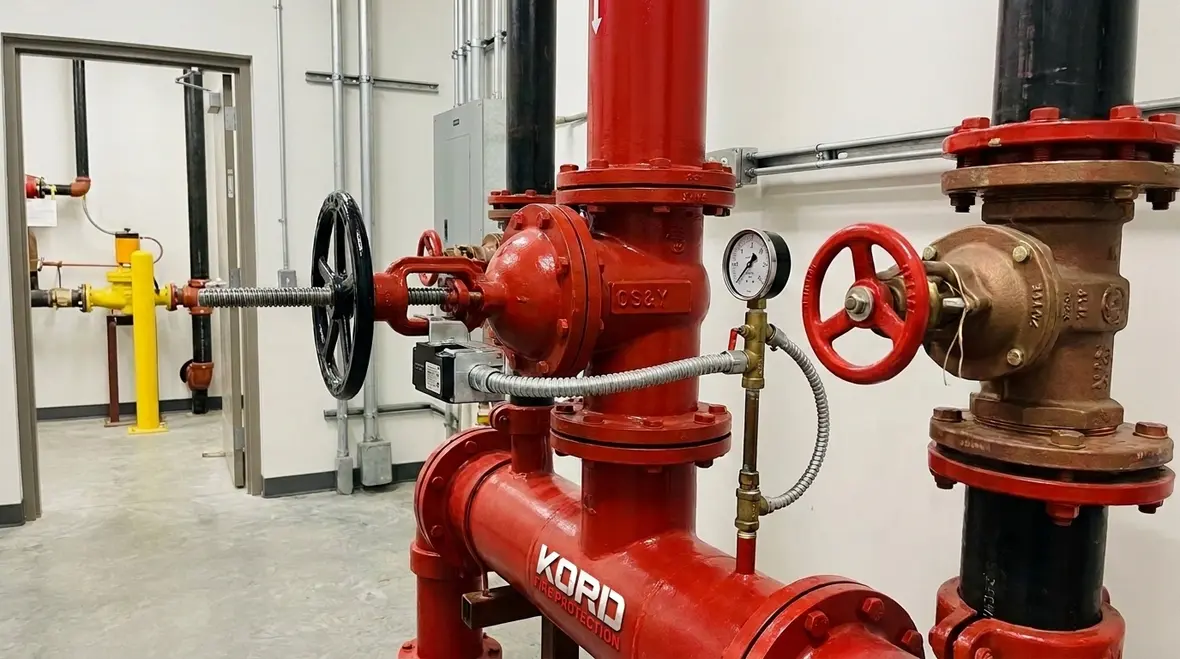
NFPA 13 Section 16.9 — Valve Installation and Requirements
NFPA 13 Section 16.9 Valve Installation and Requirements
NFPA 13 valve installation requirements sprinkler specify that isolation and service valves be accessible, operable, and properly monitored. The section sets valve types, locations, testing, and documentation to maintain sprinkler reliability in commercial facilities and prevent unintended releases during maintenance or emergencies for life safety and operational continuity.
For a broader foundation on sprinkler system design and installation, see NFPA 13 overview for automatic fire sprinkler system installation.
Valve types, placement and accessibility
Understanding common valve configurations helps facilities align with the NFPA 13 standard. Typical installations include a main control valve or post indicator valve in a dedicated area, and size appropriate local isolation valves for zones. Valves must be installed in locations that allow quick operation, direct visibility of the valve position, and protection from impact, damage, and environmental exposure. Labels and clear signage should indicate valve purpose and zone coverage.
- Main control valves provide an overall shutoff for the system while post indicator valves show the open or closed position.
- Each zone should have an accessible valve to isolate that area without compromising overall system integrity.
- Valve cabinets or enclosures may be used to protect and organize valves in busy facilities while preserving accessibility.
Conformance requires ensuring that valves are not blocked by storage, mechanical equipment, or doorways and that access paths remain unobstructed for routine testing and emergency operation.
Why access matters in real facilities
A valve that technically exists but lives behind stacked inventory, a mystery ladder, and that one cart nobody claims is not doing anyone any favors. Accessibility is not just a code phrase. It is what lets building staff and fire protection professionals respond quickly when maintenance, impairments, or emergencies show up uninvited.
Operation, testing and monitoring requirements
Operational requirements under NFPA 13 emphasize reliable valve actuation, position indication, and alarms. Valve position indicators must reflect real time status, and tamper or supervisory switches should trigger alarms if a valve is moved or blocked. Routine checks include confirming the valve is fully open or closed as intended, inspecting packing, and verifying the integrity of mechanical linkages.
- Monthly operation tests verify that valves respond to control signals and return to the correct position after testing.
- Quarterly or annual tests verify mechanical operation of the valve and the integrity of seals, nuts, and gaskets.
- Supervisory circuits must transmit alarms to the building management system or a fire alarm panel when a valve position changes or a valve is not in the expected state.
Documented test results should be logged with date, technician, and any corrective actions to maintain compliance with NFPA 13 valve installation requirements sprinkler.
If your facility team also manages pump rooms and related testing records, a useful related read is NFPA 25 fire pump testing requirements.
Installation practices, protection and labeling
Proper installation reduces the risk of accidental valve interference and preserves system reliability. Install valves in ventilated, weather protected spaces where corrosion is minimized and water hammer is controlled. Use corrosion resistant hardware, appropriate seals, and secure mounting to limit vibration. Protective cages or cabinets can help deter tampering while maintaining visibility of the valve position.
- Tagging systems should clearly identify the valve function, zone designation, and maintenance history.
- Valves installed outdoors or in damp locations require weather resistant enclosures and seals rated for environmental exposure.
- Seismic and wind considerations may influence valve mounting and supports to prevent movement during events.
When possible, install valves in dedicated rooms with restricted access to non authorized personnel, while ensuring authorized personnel can reach them quickly during an inspection or an incident.
Label it like you mean it
Good labeling saves time, confusion, and the awkward group debate about which valve does what. Clear tags, accurate zone IDs, and current drawings help technicians work faster and reduce the risk of shutting down the wrong section when time actually matters.
Maintenance, documentation and common failure points
Maintenance programs should cover routine inspection, lubrication of moving parts, leakage checks, and verification of all indicators. Common failure points include corroded stems and packing, degraded seals, misaligned linkages, and failed tamper or supervisory circuits. A robust documentation practice tracks valve positions, test dates, corrective actions, and changes to the system or room layout.
- Inspect packing glands and gaskets for leaks during every access to the valve area.
- Confirm that position indicators align with actual valve position after each test or maintenance event.
- Update as built drawings and valve schedules to reflect changes in the facility floor plan or sprinkler zoning.
Adherence to NFPA 13 valve installation requirements sprinkler reduces failure risk and supports predictable sprinkler operation during both routine maintenance and emergency events.
Compliance challenges for commercial facilities
Commercial, industrial, and retail facilities often face competing priorities such as store access constraints, security needs, and limited maintenance windows. Keeping valve areas free of obstructions, ensuring easy access for technicians, and maintaining up to date documentation can be challenging. In some cases, tamper resistance and access control must be balanced with the requirement for rapid valve operation during an incident.
- Locked mechanical rooms may impede quick valve access during tests or emergencies; plan access policies accordingly.
- Environmental conditions such as humidity, dust, and temperature can accelerate wear on valve components and indicators.
- Coordination with building management and other trades is essential to avoid inadvertent valve obstruction during renovations or space reconfigurations.
For ongoing compliance, facilities benefit from a structured valve management program that aligns with the NFPA 13 valve installation requirements sprinkler and includes scheduled testing, proactive maintenance, and clear record keeping.
Partnering with Kord Fire Protection
Kord Fire Protection serves as a critical commercial service partner for ongoing compliance, testing, and maintenance of sprinkler valve installations. Their teams provide assessments, valve exercising programs, and documentation services tailored to commercial facilities such as offices, retail centers, and industrial sites. Partnering ensures adherence to NFPA 13 16.9 requirements and helps avoid gaps during landlord and insurer reviews.
Conclusion and direct call to action: Ensure NFPA 13 valve installation requirements sprinkler are met through a comprehensive valve management program. Contact Kord Fire Protection to schedule a compliance assessment, establish a valve exercise plan, and implement ongoing maintenance with thorough documentation tailored to your facility.
Frequently Asked Questions

Join Our Newsletter!
Get the latest fire safety tips delivered straight to your inbox From our Newsletter.


