
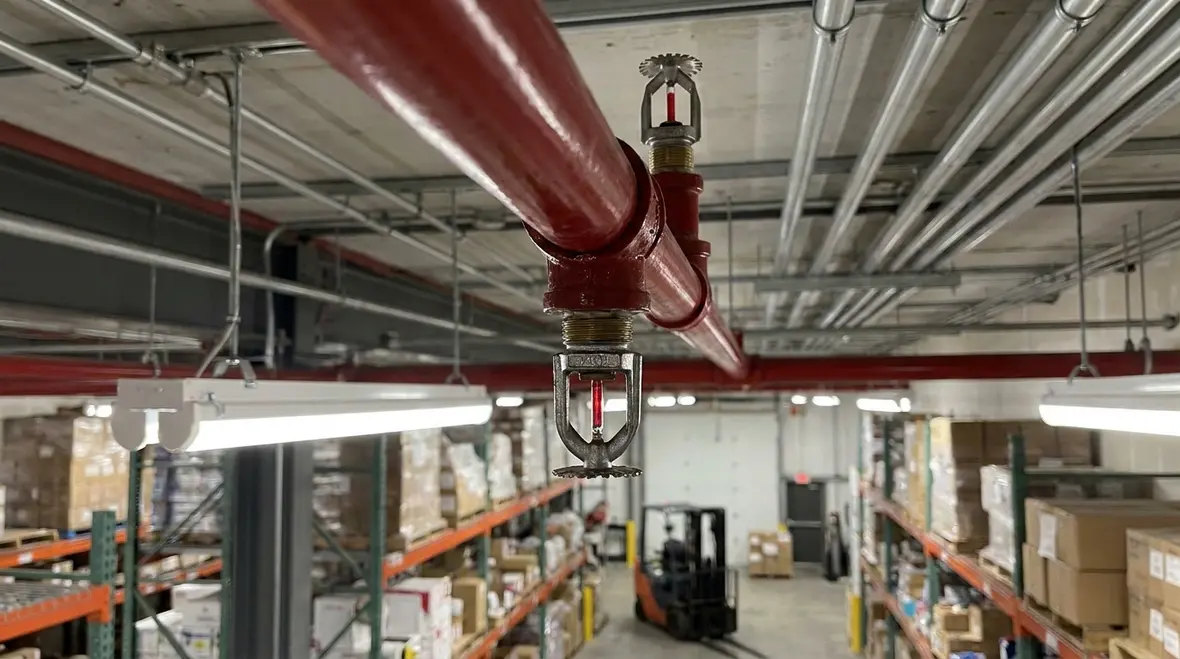
NFPA 13 Section 10.2 — Standard Pendent and Upright Spray Sprinklers
NFPA 13 Section 10.2 Standard Pendent and Upright Spray Sprinklers
Quick Answer: The NFPA 13 standard pendent upright spray sprinklers require correct orientation and clearance from ceilings and obstructions, plus routine inspection and testing to ensure reliable discharge. This article covers installation practices, inspection schedules, performance parameters, and maintenance workflows for commercial facilities.
For facilities planning upgrades or routine service, commercial fire sprinkler services can help keep installation, inspection, and maintenance aligned with system design and day to day building demands. For broader context on system design, see NFPA 13 Overview: Automatic Fire Sprinkler System Installation.
Overview and scope of NFPA 13 Section 10.2
The Section 10.2 provisions address the use and installation of standard pendent and upright spray sprinklers. The guidance covers sprinkler orientation, deflector alignment, mounting methods, and compatibility with ceiling configurations typical in commercial, industrial, and retail spaces. The goal is to ensure predictable spray patterns, reliable activation, and effective occupant protection under a range of fire scenarios. The NFPA 13 standard pendent upright spray sprinklers are designed to provide reliable coverage in a range of spaces.
Key takeaways for facility managers include alignment with ceiling type, coordination with lighting and HVAC, and adherence to manufacturer specifications and local amendments. Compliance requires careful planning during design, precise installation, and disciplined ongoing maintenance.
Orientation and clearance requirements for standard pendent and upright sprinklers
Proper orientation is critical for these sprinkler types. Pendent heads hang below the ceiling with the deflector positioned to distribute spray into the occupied space, while upright heads are mounted facing upward to deliver spray toward the ceiling and outward. Both configurations require unobstructed spray patterns and adherence to manufacturer clearances and NFPA 13 requirements.
- Maintain adequate clearance from ceilings, walls, and structural members to prevent nozzle interference.
- Avoid mounting near obstructions such as lighting fixtures and HVAC diffusers that can disrupt spray distribution.
- Follow the specified mounting height and suspension method to preserve spray reach and reliability.
When selecting the NFPA 13 standard pendent upright spray sprinklers, ensure compatibility with ceiling type and anticipated occupancy loads. Documentation should reflect approved configurations and any deviations from standard installation practices.
Installation practices and configuration considerations
Installation must align with the sprinkler type and the space’s design. Key considerations include spacing between heads, pipe routing, and access for future maintenance. Deflector alignment and head spacing are essential to achieve the intended coverage footprint. In seismic zones or areas with heavy equipment, additional bracing or alternate mounting may be required to maintain performance.
- Use manufacturer approved hangers and supports; avoid field alterations that compromise performance.
- Ensure compatibility with ceiling systems, including open, closed, or suspended configurations.
- Verify that the water supply and demand meet the design criteria for the intended sprinkler configuration.
Kord Fire Protection supports commercial facilities by ensuring installation teams apply proper practice, verify compatibility with existing systems, and document all adjustments for traceability and future audits. This diligence helps preserve the intended spray pattern in high ceiling environments typical of retail and industrial spaces.
Why documentation matters after installation
A sprinkler installation is only as useful as the records that back it up. Approved layouts, head locations, product data, and field adjustments make future inspections less of a guessing game and more of a clean handoff between design, service, and compliance teams.
Inspection, testing and maintenance standards you must know
Ongoing inspection and testing are essential to keep standard pendent and upright sprinklers reliable. Regular visual checks, valve and alarm verifications, and periodic functional tests should be integrated into the facility maintenance program. Hydraulically balanced tests verify the system can deliver the required flow rate, and any performance deviation prompts immediate action.
- Monthly visual inspections to confirm head placement, lack of obstructions, and intact seals.
- Periodic functional tests and flow checks in accordance with the facility plan and NFPA guidelines.
- Comprehensive recordkeeping that tracks replacements, repairs, and test results for easy reference during audits.
Facilities operating under NFPA 13 must pair these practices with coordinated maintenance activities from qualified technicians. Regular service reduces the risk of degraded performance due to corrosion, buildup, or mechanical wear, which is critical for commercial, industrial, and retail environments.
Common issues that can quietly affect sprinkler performance
Paint, dust, corrosion, accidental contact, and nearby tenant improvements can all undermine sprinkler performance without much fanfare. Fire protection systems are not dramatic until the day they need to be, which is exactly why routine inspections matter so much.
Practical compliance challenges in commercial facilities
Commercial settings present unique hurdles for 10.2 sprinkler installations. Open floor plans, long run piping, high ceilings, and frequent space reconfigurations can alter spray patterns and coverage. Retail stores must balance aesthetics with protection, while warehouses may face dynamic racking and inventory changes that create new obstructions. Local amendments, fixture types, and occupant load changes all demand re evaluation.
- Unintended obstructions from signage, shelving, or temporary fixtures that hinder spray distribution.
- Ceiling modifications or retrofits that require re evaluation of head spacing and deflector orientation.
- Coordination with other building systems such as lighting, HVAC, and fire alarm integration to preserve performance and detection timing.
Effective compliance hinges on proactive design reviews, disciplined installation practices, and rigorous commissioning. Partners like Kord Fire Protection offer critical expertise to navigate design conflicts, verify head orientation, and confirm that installed hardware remains within NFPA 13 tolerances throughout its life cycle.
Kord Fire Protection role in ongoing compliance and maintenance
Kord Fire Protection acts as a trusted commercial service partner for ongoing compliance, testing, and maintenance of standard pendent and upright sprinklers. The team provides design review, installation oversight, preventive maintenance programs, and documented reporting to support facility managers in retail, industrial, and office environments. With deep experience across building types, Kord helps translate NFPA 13 requirements into practical field practice, coordinating with electrical, plumbing, and mechanical teams to minimize downtime and keep fire protection reliable.
Frequently Asked Questions

Join Our Newsletter!
Get the latest fire safety tips delivered straight to your inbox From our Newsletter.


