
NFPA 12 Section 6.6: CO2 Local Application Distribution System Design
NFPA 12 Section 6.6 CO2 Local Application Distribution System Design
NFPA 12 CO2 local application distribution guidelines under Section 6.6 define how to arrange piping, control, detection, and release logic for targeted CO2 discharge. The design priorities are reliability, safety, and compliance for commercial facilities, including installation, testing, and ongoing maintenance by qualified contractors such as Kord Fire Protection.
If your facility is planning upgrades or evaluating hazard protection strategy, Kord Fire Protection also offers CO2 fire suppression system services for design, installation, repairs, and ongoing support in commercial and industrial settings. ([kordfire.com](https://kordfire.com/co2-fire-suppression-systems/?utm_source=openai))
Overview of NFPA 12 Section 6.6 and Local Application Strategy
The 6.6 provision focuses on localized CO2 release within specific protected spaces rather than whole building flooding. It requires careful hazard analysis, zone delineation, and independent discharge controls to minimize occupant exposure while achieving effective fire suppression. Designers must balance rapid discharge with personnel safety, ensuring proper interlocks with detection and building systems. This section serves as the foundation for the practical engineering decisions covered in subsequent sections.
Design Criteria and Layout Considerations
Key design criteria center on delivering sufficient CO2 concentration to the protected zone while avoiding unintended dispersion to adjacent occupancies. Zonal isolation, dedicated supply lines, and reliable actuation are essential. The layout should account for space constraints, venting paths, and accessibility for maintenance. Per NFPA 12 CO2 local application distribution guidance, every protected area requires a clearly defined boundary, fail safe shutdown options, and safeguards for personnel in the vicinity.
Key Components and Piping Practices
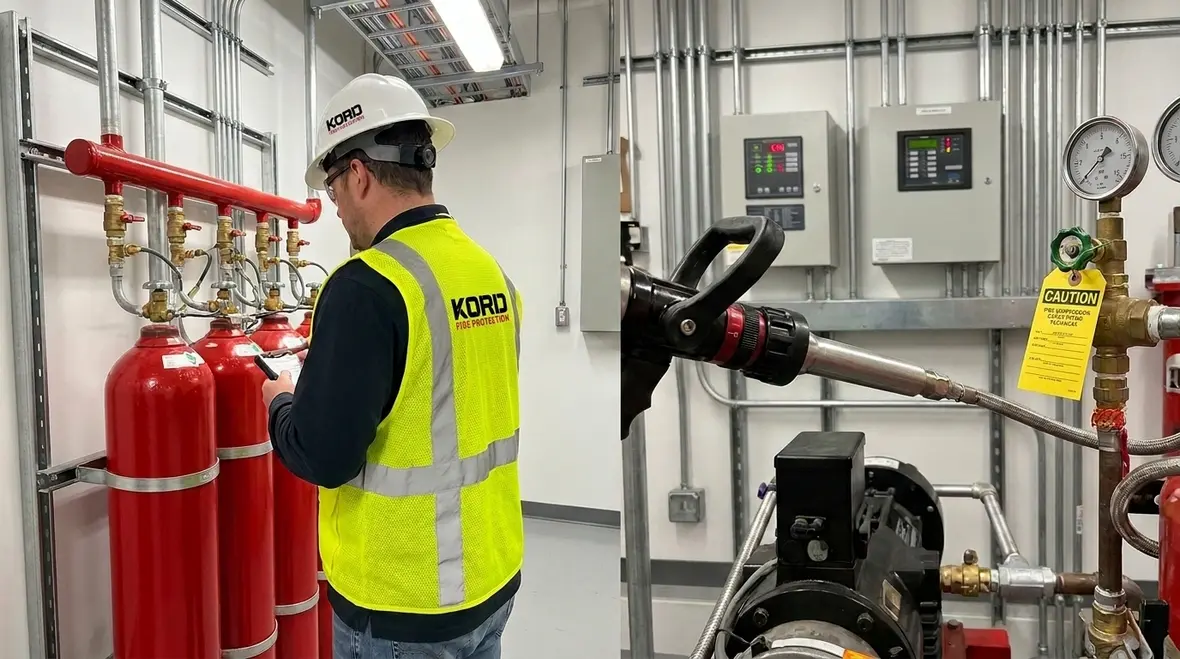
The system comprises CO2 storage vessels or banks, distribution piping, isolation and release devices, control panels, and connection to the detection network. Piping practices emphasize material compatibility, corrosion protection, and secure supports to withstand seismic and physical disturbances. Localized discharge heads or nozzles should be positioned to control plume direction and achieve uniform coverage within the target zone. Clear labeling and compartmentalization aid in operation and maintenance tasks.
Activation Detection and Controls
Activation sequences integrate automatic detectors with manual release options and interlocks to ventilation controls. Reliable release logic reduces the risk of accidental discharge while ensuring rapid activation during a fire condition. Supervisory signals from detectors and control panels provide status visibility, enabling maintenance personnel to verify readiness and perform fault isolation without disrupting other building systems. A well designed control scheme aligns with NFPA 12 CO2 local application distribution requirements and local code expectations.
Installation and Maintenance for Commercial Facilities
Installation practices should emphasize accessibility for inspection, proper clearance around components, and secure mounting of cylinders and piping. Commissioning includes functional testing, leak checks, and verification that detection and release sequences operate as designed. Ongoing maintenance requires periodic inspection of valves, actuators, pressure relief devices, and the integrity of piping joints. Regular training for facility staff, clear operation procedures, and documentation of testing results are critical for sustained compliance, reliability, and safety.
For broader compliance planning, Kord Fire Protection also publishes an NFPA 12 compliance guide for carbon dioxide extinguishing systems, which fits naturally alongside Section 6.6 design discussions for commercial and industrial facilities.
Frequently Asked Questions
Conclusion and Call to Action
Effective NFPA 12 6.6 CO2 local application distribution design demands disciplined engineering, rigorous testing, and disciplined maintenance. Kord Fire Protection offers comprehensive services from design reviews and system commissioning to ongoing testing, inspection, and emergency readiness. If your facility requires a compliant localized CO2 solution, schedule a consultation to assess space hazards, confirm zoning, and establish a proactive maintenance program. Contact Kord Fire Protection to secure expert guidance, reliable performance, and lasting compliance. Your safety and business continuity depend on it. ([kordfire.com](https://kordfire.com/co2-fire-suppression-systems/?utm_source=openai))

Join Our Newsletter!
Get the latest fire safety tips delivered straight to your inbox From our Newsletter.


