NFPA 1 Section 60.5 hazardous materials fire protection
Quick Answer
NFPA 1 Section 60.5 sets the baseline for hazardous materials handling and fire protection. For Australian facilities, Kord Fire Protection translates these requirements into practical risk assessments, training, and system design. The result is compliant, reliable protection that safeguards people, property and operations while keeping downtime to a minimum.
NFPA 1 hazardous materials fundamental fire protection requirements overview
Across industrial, retail and commercial facilities in Australia, effective hazard management travels a steady line between caution and capability. The NFPA 1 hazardous materials fundamental fire protection requirements set the baseline for how facilities store, label, and respond to dangerous goods. Section 60.5, Hazardous Materials Fundamental Requirements, calls for clear inventory, proper segregation, secure containers, trained personnel, and ready emergency plans. This article explores how those principles shape day to day safety and business continuity, and why a dedicated partner matters when risk grows or scales. By inviting Kord Fire Protection into the process, facilities gain a partner who can translate standards into real world steps, audit readiness, and ongoing protection rather than just a one time checklist.
For facilities dealing with sensitive equipment or specialized hazards, clean agent fire suppression systems can fit naturally into a broader hazardous materials protection strategy, especially where fast response and minimal cleanup matter.
For a broader code context, Kord Fire Protection also explains the bigger picture in NFPA 1: A Comprehensive Guide to Fire Prevention and Safety.
Core concepts of hazardous materials management
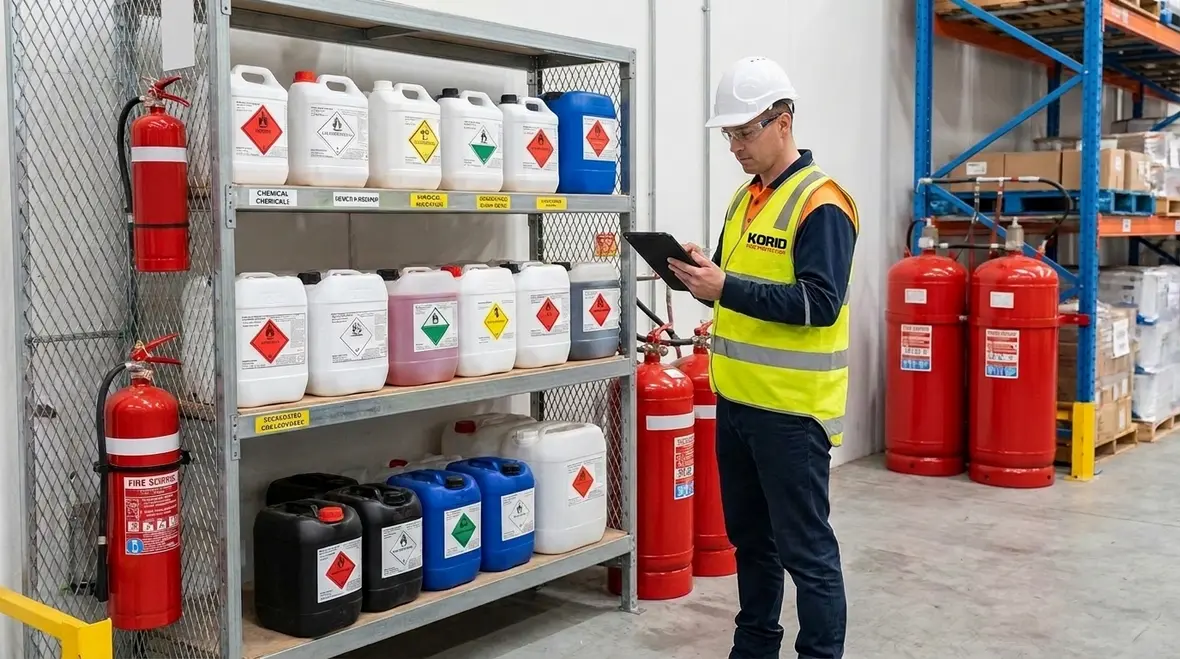
- Identify and label every hazardous material so teams know what they are dealing with at a glance
- Store materials in approved containers and in proper segregated areas to prevent reactions
- Maintain up to date inventory lists and safety data sheets for quick reference
- Ensure ventilation, spill control measures, and secondary containment are in place
- Equip facilities with reliable detection and fire protection systems
- Train staff regularly and keep emergency procedures fresh in memory
- Document audits, drills and system maintenance to sustain readiness
Regulatory alignment for Australian facilities
Australian facilities face Work Health and Safety obligations and ADG classifications that shape how hazardous materials are handled. Local fire services, state regulations and industry codes require proper labeling, risk assessments, and incident response planning. Yet NFPA guidance remains a valuable reference for best practice. Kord Fire Protection helps clients bridge the gap by tailoring NFPA inspired frameworks to Australian laws, delivering a cohesive program that satisfies regulators while protecting people and assets.
Partnering with Kord Fire Protection for NFPA 1 program
By partnering with Kord Fire Protection, facilities gain more than a consultative service. They gain a steady partner who reads the fine print of NFPA 1 hazardous materials fundamental fire protection requirements and translates it into a practical program. From initial audits to ongoing maintenance, Kord provides guidance on system design, training, testing, and documentation. The aim is clear everyday reliability, not a momentary certificate on a wall that fades faster than a meme trend.
Practical steps for compliance in Australian markets
Assessment and Planning
- Conduct a full hazard assessment and map all hazardous materials
- Audit current storage, labeling and segregation practices
- Develop a plan that aligns with NFPA 1 concepts and local codes
Implementation and Training
- Upgrade containers and storage areas to meet approved standards
- Install and test detectors, alarms and suppression where needed
- Train staff and run regular drills with clear roles and responses
Technology and training tools
Modern facilities rely on accurate data and confident teams. Safety data sheets and clear labeling systems reduce confusion. Visual signage, accessible emergency instructions, and digital training modules keep knowledge fresh. Kord Fire Protection supports clients with up to date software for tracking inventories, certifications, and inspection histories while delivering hands on training for real world scenarios.
FAQ
Conclusion and call to action
Protecting people and assets begins with a clear plan and a trusted partner. Kord Fire Protection can review NFPA 1 hazardous materials fundamental fire protection requirements alignment for Australian operations, tailor a practical program, and stay with you through audits, training and improvements. Take the first step and reach out to start building safer, more reliable facilities today.
Facilities dealing with flammable liquid exposure may also benefit from a layered approach like the one outlined in Layered Fire Protection System for Flammable Liquids, where hazard specific design becomes more than a nice idea and starts doing real work.

Join Our Newsletter!
Get the latest fire safety tips delivered straight to your inbox From our Newsletter.