NFPA 1 Section 52.7 Fuel Cell Storage Safety
Quick Answer
NFPA 1 Section 52.7 guides how to safely store and protect fuel cell energy storage systems. It covers design planning, separation, ventilation, detection and suppression, and ongoing maintenance. For Australian facilities, Kord Fire Protection can translate these rules into practical, compliant safety programs that protect people and assets while keeping operations efficient.
If your project also touches broader high risk protection planning, special hazard fire suppression in Australia is a natural next step to review alongside fuel cell storage design.
Introduction
In the industrial, retail, commercial and facilities sectors across Australia, fuel cell energy storage is a powerful ally for clean, reliable power. Yet with power and precision come risks. The NFPA 1 fuel cell energy storage fire code lays out a framework to prevent fires and limit damage when incidents occur. Specifically, NFPA 1 Section 52.7 addresses how to handle energy storage systems so they stay safe to operate and easy to protect. The goal is simple: protect lives, protect property, and keep the facility running with minimal disruption.
For a broader foundation, it also helps to understand NFPA 1 as a comprehensive guide to fire prevention and safety before drilling into Section 52.7.
What NFPA 1 Section 52.7 Covers
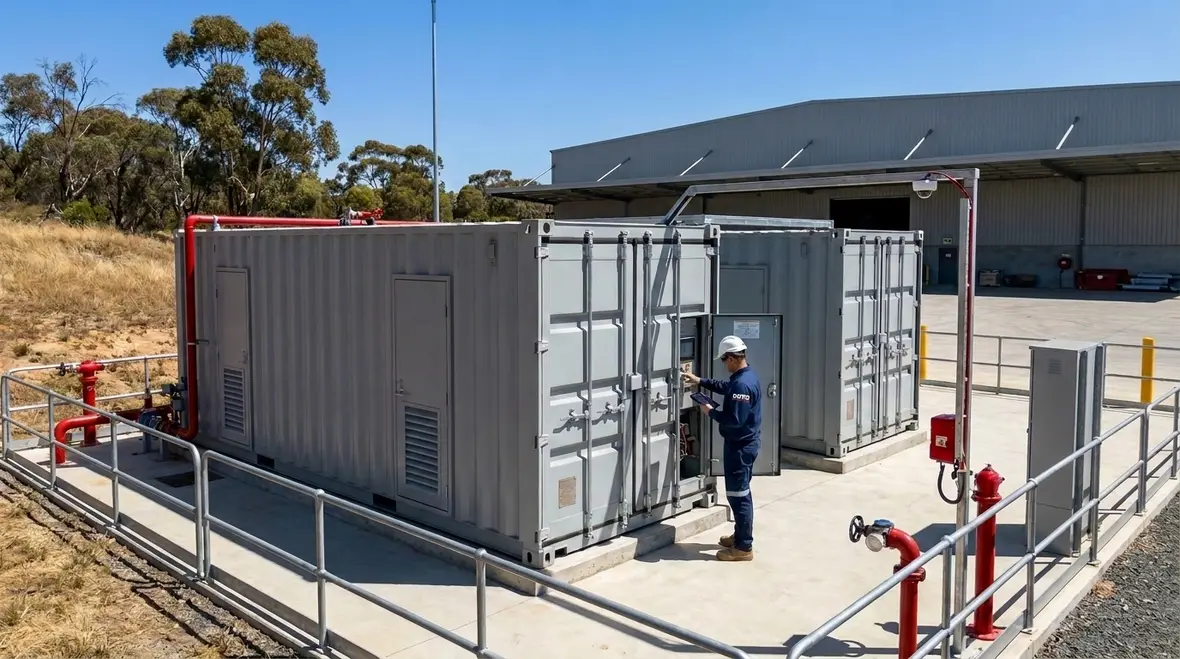
What a typical Australian facility needs to know starts with the basics. NFPA 1 fuel cell energy storage fire code requires careful planning for siting, enclosure design and access. It calls for proper separation from combustibles, correct ventilation to manage hydrogen and other byproducts, and reliable detection that can alert staff early. It also covers suppression strategies that fit the fuel cell materials and layout, plus regular testing and maintenance to keep systems dependable over time. In short, the section provides a practical blueprint for safer storage that minimizes the chance of a fire spreading and makes a quick, effective response possible.
Why This Matters on Real Sites
Code language can sound like it was written by a committee locked in a room with too much coffee, but the intent is refreshingly practical. The section is there to reduce ignition risk, control gas hazards, support fast response, and stop a bad day from turning into a facility-wide headache.
Key Requirements in Practice
Facilities must account for ignition sources, electrical isolation, and safe operation zones. Fire protection systems should be matched to the energy storage system size and location, with clear access for responders. Ventilation plans must control gas buildup, while detection systems should differentiate fuel cell emissions from normal plant activity. Finally, ongoing maintenance and training ensure personnel know how to act when alarms sound and how to restore systems after a routine test or a fault.
Core Protection Priorities
- Control ignition sources near storage and associated electrical equipment
- Provide clear responder access and safe working space around the system
- Use ventilation that prevents gas buildup before it becomes a problem
- Match detection and suppression to the actual fuel cell risks, not guesswork
- Train staff so alarm response is immediate, calm, and coordinated
Kord Fire Protection as a Trusted Partner
Kord Fire Protection brings depth in fire code compliance and hands on experience with energy storage projects. Their team translates NFPA 1 fuel cell energy storage fire code requirements into practical steps for design, installation and ongoing protection. They begin with a risk assessment that identifies hazards unique to the site and the fuel cell technology in use. Then they tailor a protection plan that aligns with local regulatory expectations while preserving uptime. In short, Kord makes NFPA 1 Section 52.7 actionable rather than academic, turning code language into a robust safety program that serves busy facilities rather than slows them down.
Integrated Fire Protection Strategy
Code Compliance Focus
- Site and enclosure design aligned with NFPA 1 fuel cell energy storage fire code
- Defined separation distances and access routes for safety and maintenance
- Appropriate ventilation and gas detection tailored to fuel cell chemistry
Operational Readiness
- Detection and suppression systems tested for reliability
- Maintenance plans that cover inspection schedules and parts stocking
- Staff training and emergency drills to ensure calm, decisive action
Practical Steps for Australian Facilities
First, map the fuel cell energy storage layout against the NFPA 1 fuel cell energy storage fire code requirements. Next, confirm ventilation is adequate to prevent gas buildup and that detection triggers early alarms. Then, implement a suppression strategy suited to the materials involved, and schedule regular maintenance. Finally, designate clear roles for facility staff and responders so everyone knows what to do when alarms ring.
A Simple Action Sequence
- Review the site layout and enclosure strategy
- Verify ventilation and detection performance
- Select suppression methods that fit the actual hazards
- Document maintenance, testing, and alarm response procedures
- Train staff and rehearse emergency actions
Why Choose Kord for This Service
Kord Fire Protection brings a blend of code expertise and field experience that helps facilities avoid common missteps. They coordinate from design through commissioning, ensuring the system remains compliant over time. Their approach emphasizes practical safety that does not impede operation, and their collaboration with local authorities and engineers helps facilities stay ahead of safety audits. The result is a safer site, smoother inspections, and a calibrated protection plan that evolves with technology and process changes.
What to Expect from a Partnership
Expect a comprehensive assessment, clear recommendations, and a phased plan that fits your budget and timeline. You will receive documented standards for installation, testing and maintenance aligned with NFPA 1 fuel cell energy storage fire code. Expect open communication, detailed schedules, and hands on support from design to handover. In short, a reliable partner makes the code practical and keeps the operation secure and efficient.
FAQ
Conclusion
For industrial, retail, commercial and facilities across Australia, NFPA 1 fuel cell energy storage fire code offers a clear path to safety and reliability. Kord Fire Protection stands ready to translate that code into a practical program that protects people and assets while helping operations stay productive. Reach out to Kord today to align your energy storage with trusted fire protection. Your safety, and your bottom line, will thank you.

Join Our Newsletter!
Get the latest fire safety tips delivered straight to your inbox From our Newsletter.