NFPA 1 Mechanical Refrigeration Fire Safety Australia
Quick Answer
NFPA 1 mechanical refrigeration operations maintenance fire safety outlines essential rules for operating and maintaining industrial refrigeration equipment. Following these standards lowers fire risk, boosts reliability, and protects workers and property. In Australia, Kord Fire Protection can become a trusted partner to implement and sustain these guidelines across industrial retail and commercial facilities.
Facilities that want broader support across connected hazards can also explore special hazard fire suppression in Australia by Kord, especially where refrigeration systems sit near sensitive equipment, process risks, or high value assets.
What is NFPA 1 mechanical refrigeration operations maintenance fire safety?
NFPA 1 section 53.3 focuses on mechanical refrigeration operations and maintenance. It requires trained personnel to conduct routine checks, maintain equipment integrity, manage refrigerant handling safely, and document tests and repairs. The goal is to prevent leaks, control ignition sources, and ensure alarms and suppression systems function when needed.
Key principles for safe refrigeration operations
Industrial and commercial facilities rely on predictable performance. Design reviews, risk assessments, and clear standard operating procedures form the backbone of NFPA 1 mechanical refrigeration operations maintenance fire safety. Regular inspections, correct lubrication, refrigerant charge verification, and proper electrical controls keep systems stable and reduce unnecessary downtime.
Why routine coordination matters
A refrigeration system rarely fails in a dramatic movie scene kind of way. More often, it slips through small warning signs first. Slight temperature drift, unusual motor noise, dirty filters, or weak seals can quietly build toward equipment stress and higher fire risk. That is why coordinated maintenance matters so much.
For facilities building a broader prevention framework, it also makes sense to review NFPA 1: a comprehensive guide to fire prevention and safety so refrigeration planning fits into a larger site wide strategy instead of operating like the forgotten cousin in the mechanical room.
Maintenance and inspection routines
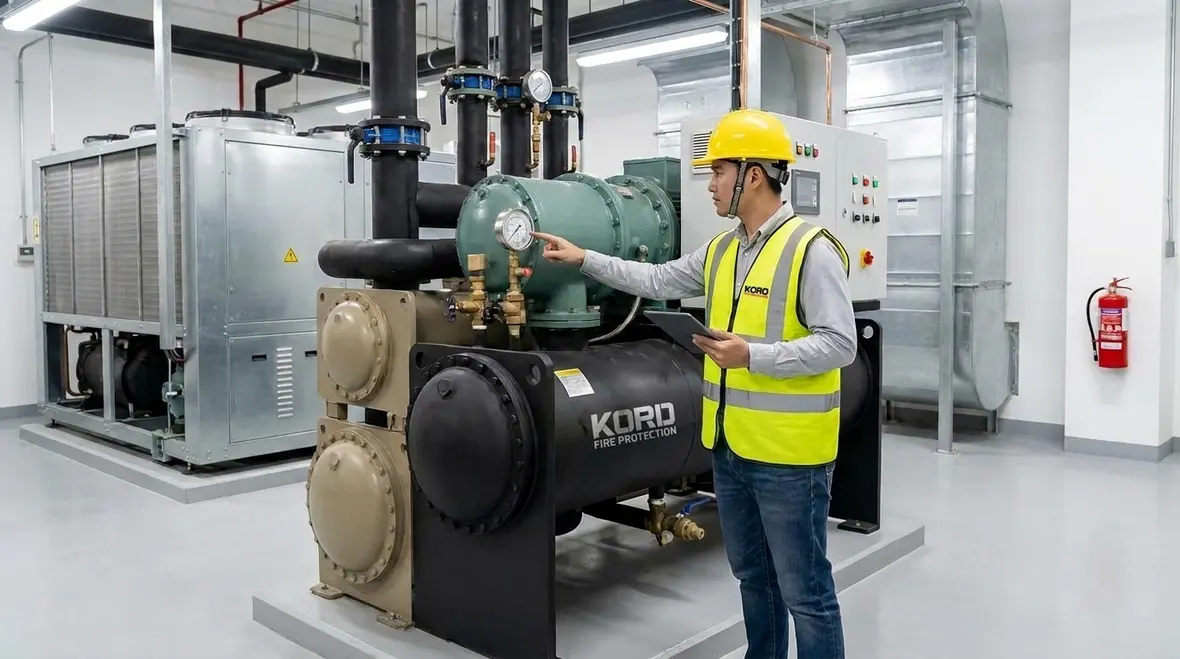
Daily checks include observing temperature trends and motor sounds. Weekly tasks cover system seals and filter cleanliness. Monthly duties look at electrical connections, condensers and evaporators, while annual tests verify safety relief devices and control interlocks. Document all findings and act quickly on anomalies to prevent small issues turning into large fires.
Typical risks to watch
- Refrigerant leaks
- Loose electrical connections
- Motor overheating
- Blocked airflow through condensers or evaporators
- Missed alarm or suppression faults
Typical actions to take
- Record temperature and pressure trends
- Clean filters and verify seals
- Tighten and inspect electrical terminations
- Test controls, alarms, and interlocks
- Escalate anomalies before they become expensive drama
Compliance and audits for Australian facilities
NFPA 1 provides a framework that aligns with local safety programs in Australia. Facilities can map NFPA 1 requirements to Work Health and Safety obligations and to state regulations. A robust program includes training records, inspection logs, leak prevention plans, and emergency response drills. This approach supports consistent audits and reduces unexpected shutdowns.
Kord Fire Protection as a vital partner
Kord Fire Protection can become a vital partner with this service by helping design compliant maintenance programs, install and test alarms, coordinate leak detection, and train staff. Their emergency response teams cover sites across Australia, ensuring quick containment and post incident analysis. With Kord as a partner, facilities gain reliability and peace of mind.
Practical planning and reporting strategies
A practical plan blends preventive maintenance with reactive readiness. Use routine checklists, calibrated gauges, and clear escalation paths. In some projects a dual column summary is used in dashboards to present risks on one side and actions on the other, speeding decisions. This approach keeps teams aligned and reduces firefighting responses.
Conclusion
Facilities across industrial, retail and commercial sectors in Australia can elevate safety by embracing NFPA 1 mechanical refrigeration operations maintenance fire safety with a trusted partner. Kord Fire Protection offers the planning, hands on expertise and quick response needed to sustain compliance and protect people and property. Reach out to start a tailored program today.
FAQ

Join Our Newsletter!
Get the latest fire safety tips delivered straight to your inbox From our Newsletter.