NFPA 1 Energy Storage Interconnection Fire Code
Quick Answer: NFPA 1 energy storage system interconnection fire code sets baseline safety rules for linking energy storage systems to a building. It covers electrical interconnection, fire protection, detection, ventilation and coordination with authorities. Kord Fire Protection can be a vital partner guiding Australian industrial, retail and commercial facilities through design, installation and verification of compliant interconnections.
The following article explores how the NFPA 1 energy storage system interconnection fire code informs safe practice in Australia, focusing on Section 52.3 and practical steps for reliable interconnection. The approach is practical, accessible and tuned for industrial, retail and commercial facilities across the country.
For a broader code foundation, see NFPA 1: A Comprehensive Guide to Fire Prevention and Safety. It fits naturally here because interconnection decisions rarely live in a vacuum, and the bigger fire code picture helps everything make more sense before the battery cabinets, disconnects and alarms start demanding attention.
If your project also involves controls and shutdown logic, industrial suppression electrical controls for high capacity is a useful related read near the start of planning, especially where electrical isolation and fire response need to play nicely together instead of acting like distant cousins at a family barbecue.
Interconnection fundamentals for energy storage systems
Energy storage systems bring power to the grid and to sites, yet they also introduce new fire safety and electrical coordination challenges. The NFPA 1 energy storage system interconnection fire code guides the safe linking of storage assets to building power and fire protection networks. It requires clear separation from occupancy spaces, reliable disconnects, labeling and controlled energy flow. In addition the code addresses fire department access and the need for coordinated detection and suppression strategies. For large scale battery rooms and containerized systems these fundamentals prevent backfeed hazards and ensure quick, predictable responses during emergencies.
Why the basics matter before equipment goes live
The interconnection itself is where a lot of hidden trouble likes to set up shop. If disconnects are confusing, if detection is not integrated, or if enclosure placement ignores emergency access, the site may look tidy on paper while being awkward in a real incident. That is why early coordination between electrical design, fire protection strategy and operations staff pays off long before commissioning day shows up with its clipboard and raised eyebrow.
Design considerations for industrial and commercial sites
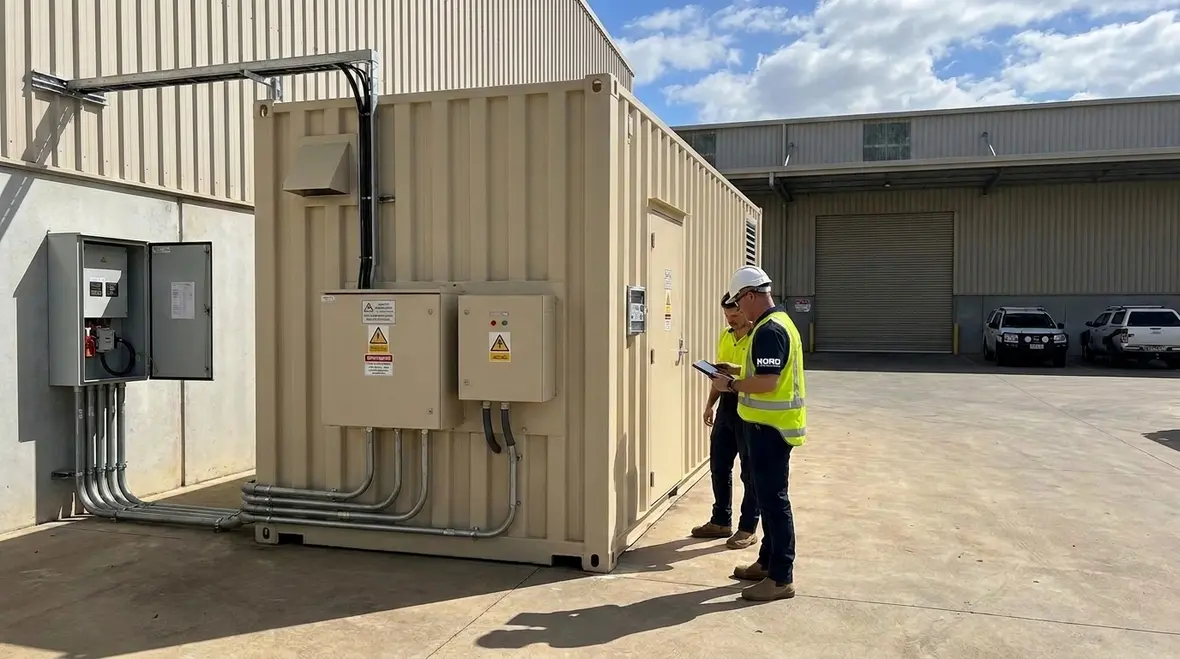
When engineers plan a storage system, they weigh several factors. Ventilation and gas venting must suit the cell chemistry and enclosure design. Fire barriers and separation distances reduce the chance of fire spread. Electrical wiring and DC links need appropriately sized protective devices and clear fault pathways. Detection systems should alert on thermal events and gas release while integration with building management enables swift shutdowns and safe isolation. Equipment enclosures should be robust, with access for maintenance and for emergency crews. These design choices align with the NFPA 1 energy storage system interconnection fire code and support ongoing safety beyond initial commissioning.
Integration beats isolated hardware
A battery system is not just a box that sits there minding its own business. It has to coordinate with alarms, suppression strategy, controls, signage, access routes and shutdown procedures. In many facilities, one weak link in that chain can undermine the rest, which is why design reviews should look at the whole response sequence and not just whether the cabinet looks impressive in product photos.
Why NFPA 1 energy storage system interconnection fire code matters in Australia
Australian facilities face diverse climates and high occupancy scenarios across warehouses, shops and industrial campuses. The NFPA 1 energy storage system interconnection fire code provides a universal framework that emphasizes reliable interconnection, clear access for fire brigades and thoughtful integration with electrical and fire protection systems. In practice this means early planning with local authorities, thorough risk assessment and a documented approach to testing and commissioning. The code helps facilities balance performance with safety and supports competent, efficient approvals processes.
Kord Fire Protection as a vital partner
Kord Fire Protection brings deep expertise to energy storage interconnection projects. The team offers site assessments, design review and coordination with electrical engineers and fire protection suppliers. They help select compatible detection and suppression options, prepare documentation for permits and provide training for facility staff. By working with Kord Fire Protection clients gain clarity on responsibilities, practical timelines and reliable performance during emergencies. Their role becomes especially important when projects cross multiple areas of a site such as mezzanines, loading docks and retail floors where safety controls must harmonize with daily operations.
NFPA 1 energy storage system interconnection fire code steps for Australian sites
- Define the storage system scope and site context
- Engage local authorities early for approvals
- Conduct a risk assessment focused on fire and electrical hazards
- Develop an interconnection design aligned with the code
- Install compatible protection devices and correct wiring practices
- Test interconnection, detection and isolation functions
- Document compliance and maintain ongoing reviews
Key practical considerations
- Choose robust enclosures and clear space around the system
- Coordinate with existing fire alarms and suppression systems
- Plan for maintenance access and routine testing
- Align with local standards to smooth approvals
Implementation steps for Australian sites
To put the code into action Australian facilities should follow a clear pathway. Start with a site survey and hazard analysis. Then draft interconnection plans that specify disconnects, electrical ratings and fire protection interfaces. Obtain permits and schedule commissioning with the local authority, the utility and the fire department. Finally maintain a living record of inspections and updates. Focusing on these steps ensures the energy storage system interconnection remains safe, compliant and ready for future upgrades.
FAQ
Conclusion and call to action
Starting early with a trusted partner like Kord Fire Protection ensures interconnection plans meet the NFPA 1 energy storage system interconnection fire code while aligning to Australian fire safety standards. This approach protects people protects property and keeps operations running smoothly. Contact Kord Fire Protection to begin a tailored, compliant plan today.

Join Our Newsletter!
Get the latest fire safety tips delivered straight to your inbox From our Newsletter.