NFPA 1 Section 4.3: Fire Code Compliance Options
Quick Answer: NFPA 1 Section 4.3 gives facilities clear fire code compliance pathways, which helps teams choose between prescriptive rules and performance based fire code compliance methods. For industrial, retail, and commercial sites across Australia, this section supports safer planning, cleaner approvals, and smarter upgrades with less guesswork.
NFPA 1 Section 4.3 matters because it sets out how a site can meet fire code demands without forcing every business into the same box. In practice, that means using fire code compliance pathways that fit the building, the risk, and the operation. Some sites follow prescriptive rules. Others use performance based fire code compliance methods. Either way, the goal stays the same: protect people, assets, and business continuity while keeping compliance work clear and defensible. And yes, in a world full of red tape, this is one place where a little structure feels almost heroic.
For businesses that need hands on help early in the process, full fire protection services can make compliance planning easier by tying inspections, system readiness, upgrades, and documentation into one coordinated approach.
What NFPA 1 Section 4.3 means for facilities
NFPA 1 Section 4.3 gives a facility a way to show that it has met the fire code, even when the path is not a simple one size fits all checklist. This is useful for warehouses, shopping sites, plant rooms, logistics hubs, and office buildings that face different fire loads and layouts.
Instead of treating every issue the same, the code allows compliance options that suit the site conditions. As a result, owners and managers can choose a path that supports safety while also matching business use. That matters when operations cannot pause for weeks just to satisfy a rule written for a very different building.
Three questions Section 4.3 helps answer
In simple terms, Section 4.3 helps answer three questions:
- What must the site prove to satisfy the code?
- Which fire code compliance methods fit the building and its risks?
- How can the site keep records that prove the work was done properly?

How fire code compliance pathways work in real projects
Fire code compliance pathways usually start with the building use, then move into hazard review, system design, and evidence. A site may use a straight prescriptive route, where the code lists exact requirements. On the other hand, it may use a performance based route, where the team shows the outcome meets the code intent.
A practical side by side view
| Prescriptive path | Performance path |
| Follows direct code rules | Shows the safety outcome through analysis |
| Works well for common building setups | Works well for complex or unusual layouts |
| Usually faster to explain and approve | Often needs stronger documentation |
Because of this, the right path depends on the site, not just the paperwork. A retail centre with standard fire systems may fit a prescriptive route. Meanwhile, a mixed use industrial site with process risks may need a performance based fire code compliance method. Think of it like choosing between a map and a custom flight plan. Both can work, but only one fits the journey.
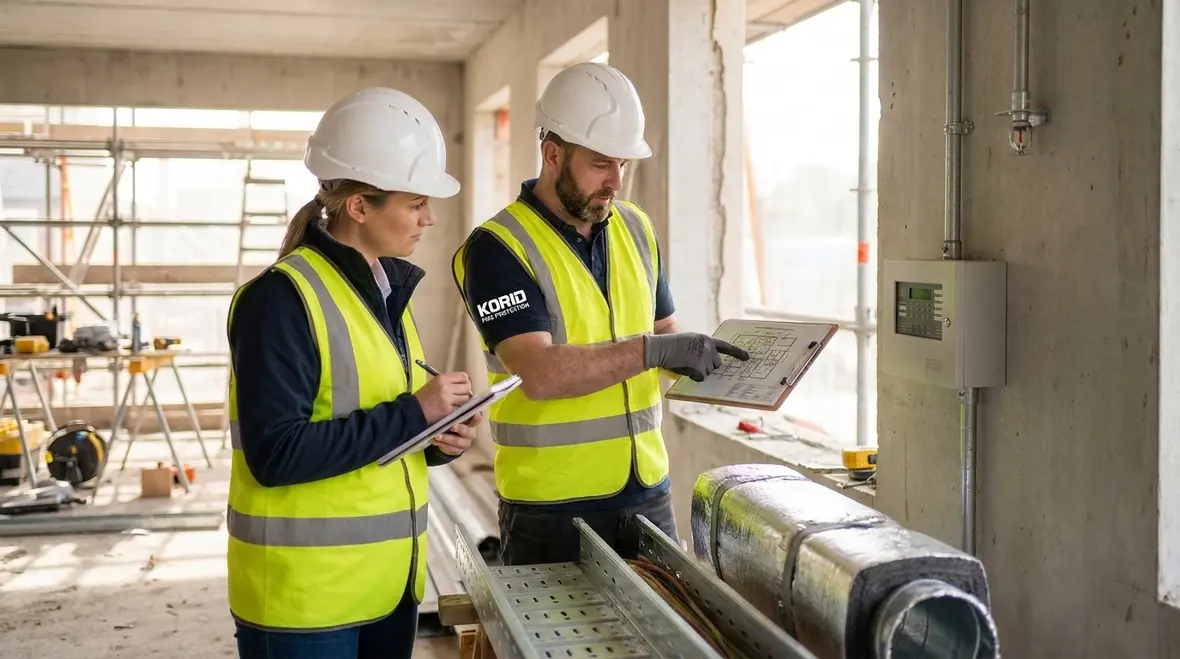
Teams also need to think about who will review the work, what evidence will be expected, and how changes will be tracked after approval. That is where consistent reporting becomes more than paperwork. It becomes the thing that keeps a project from drifting into confusion halfway through a retrofit.
Why prescriptive vs performance NFPA matters
The prescriptive vs performance NFPA choice shapes time, cost, and approval confidence. Prescriptive rules are easier to apply because they spell out what to install or maintain. However, they may not suit every building or every use.
Performance based fire code compliance methods give more flexibility. They allow the designer or consultant to prove that the result meets the code intent, even if the solution is not standard. That can help when a building has unusual storage heights, tight plant areas, or heritage limits. Still, it also means the team must build a stronger case with models, reports, and test data.
Where the choice affects real operations
For Australian industrial and commercial sites, this matters because projects often involve different state rules, local approvals, and site limits. Therefore, the code path should support both compliance and operations. Nobody wants a solution that checks the box but makes the warehouse run like a sleeping sloth.
A prescriptive option can be perfect when the building is fairly standard and the approval path needs to stay simple. A performance route can be the better move when unusual hazards, constrained geometry, or business continuity concerns make the standard answer too blunt. The trick is choosing the route that solves the real problem rather than the one that just looks easiest on page one.
How Kord Fire Protection supports compliance
Kord Fire Protection can become a vital partner because fire code compliance is rarely just about one inspection or one report. It usually needs practical advice, system knowledge, and steady follow through. That is where a focused fire protection partner adds real value.
That support becomes even stronger when paired with related planning around fire protection infrastructure modernization for compliance, especially for facilities upgrading older systems that still need to meet current expectations without turning the project into a guessing contest.
Ways Kord Fire Protection can assist
- Reviewing site needs against fire code compliance pathways
- Helping identify whether prescriptive or performance based fire code compliance methods make more sense
- Supporting fire system planning, upgrades, and maintenance needs
- Helping businesses keep records that support audits and approvals
- Reducing the risk of costly rework through early advice
Because compliance work often affects operations, a partner like Kord Fire Protection can help keep the process calm and practical. That matters for busy facilities where downtime hurts, and surprises help no one. Not even the fire marshal, who has seen enough surprises for one lifetime.
What facilities should ask before choosing a compliance route
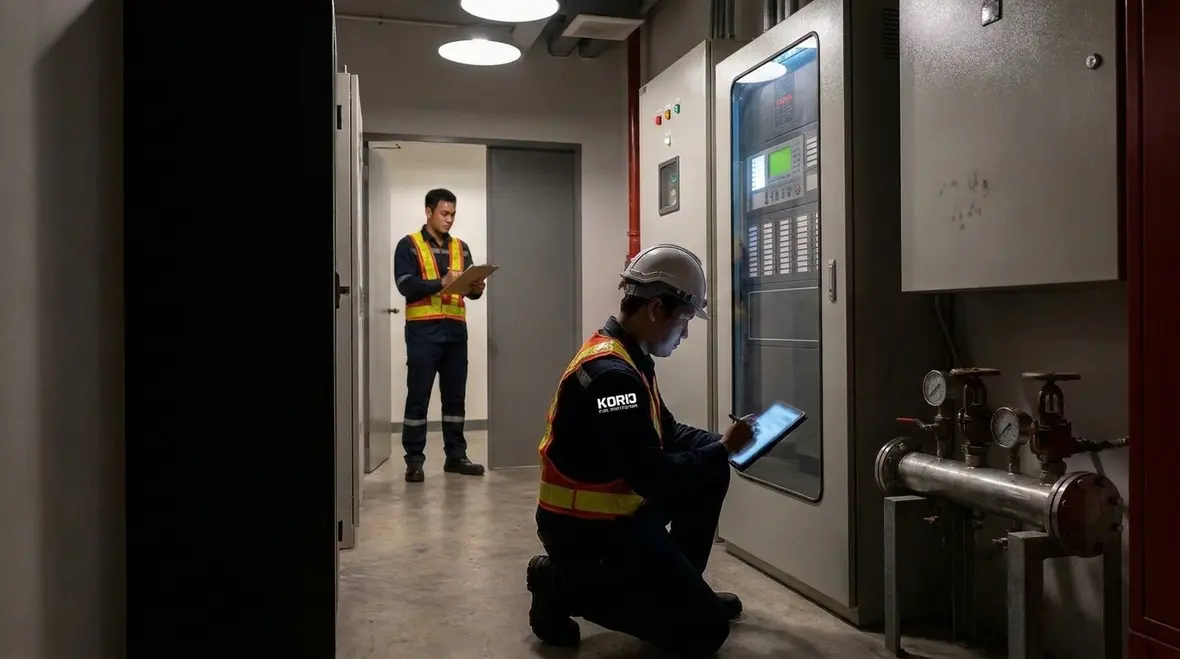
Before a business picks a path, it should ask a few direct questions. First, what is the actual fire risk in the space? Second, does the building already align with a prescriptive route? Third, would a performance based fire code compliance method save time or create more work?
It also helps to ask how the chosen path will affect daily operations. A simple solution is not always the best one if it blocks access, slows storage flow, or raises long term maintenance costs. Therefore, the best fire code compliance methods support both safety and business use.
Questions worth bringing to the table
- Does the site have any unusual hazards, layouts, or occupancy conditions?
- Will the approval authority expect additional reports or technical analysis?
- How will the chosen approach affect operations during installation or upgrades?
- What records need to be kept to support inspections, audits, and future changes?
- Can the same strategy be applied across multiple sites without creating chaos?
For multi site operators across Australia, consistency matters too. A strong compliance plan should work across sites while still allowing local differences. That balance keeps the process efficient and less chaotic than a Monday morning inbox.
If your team wants a broader code context, Kord Fire also covers NFPA 1 in this comprehensive guide to fire prevention and safety, which helps connect Section 4.3 to the wider purpose of the code.
FAQ
Conclusion
NFPA 1 Section 4.3 gives facilities a smarter way to approach fire safety through clear fire code compliance pathways. Whether a site follows prescriptive rules or uses performance based fire code compliance methods, the key is sound planning and strong evidence.
For industrial, retail, and commercial operations across Australia, Kord Fire Protection can help turn complex code demands into a practical path forward. A safer site starts with the right partner.

Join Our Newsletter!
Get the latest fire safety tips delivered straight to your inbox From our Newsletter.