NFPA 1 Section 4.4 Fire Code Compliance in Australia
Quick Answer
NFPA 1 Section 4.4 sets the baseline for fire code compliance by requiring owners, managers, and installers to follow the approved fire safety rules, keep systems maintained, and use qualified people for the job. For industrial, retail, and commercial sites across Australia, Kord Fire Protection can help turn those rules into practical, compliant action.
If your team needs a practical service path beyond theory, Kord Fire Protection’s full fire protection services bring inspections, testing, maintenance, and compliance support together in one place. That fits naturally here, because Section 4.4 is not about admiring the rulebook from across the room. It is about making sure the real systems on the real site are ready when the day gets loud.
Why NFPA 1 Section 4.4 matters more than people think
NFPA 1 Section 4.4 sits at the heart of fire code compliance. It lays out the fundamental fire safety requirements that support safe buildings, working systems, and clear responsibility. In plain terms, it defines the NFPA 1 minimum requirements that help reduce fire risk before trouble starts. For industrial plants, retail centres, and commercial facilities across Australia, these essential fire code provisions matter because a missed detail can become a costly shutdown, and nobody enjoys that kind of surprise.
The section has a simple kind of seriousness to it. It expects the adopted fire code to be followed, systems to be maintained, methods to be approved, and the people doing the work to actually know what they are doing. That may sound obvious, but obvious has a funny way of becoming optional in busy facilities. Section 4.4 exists to stop that drift before it turns into risk.
What that means in day to day terms
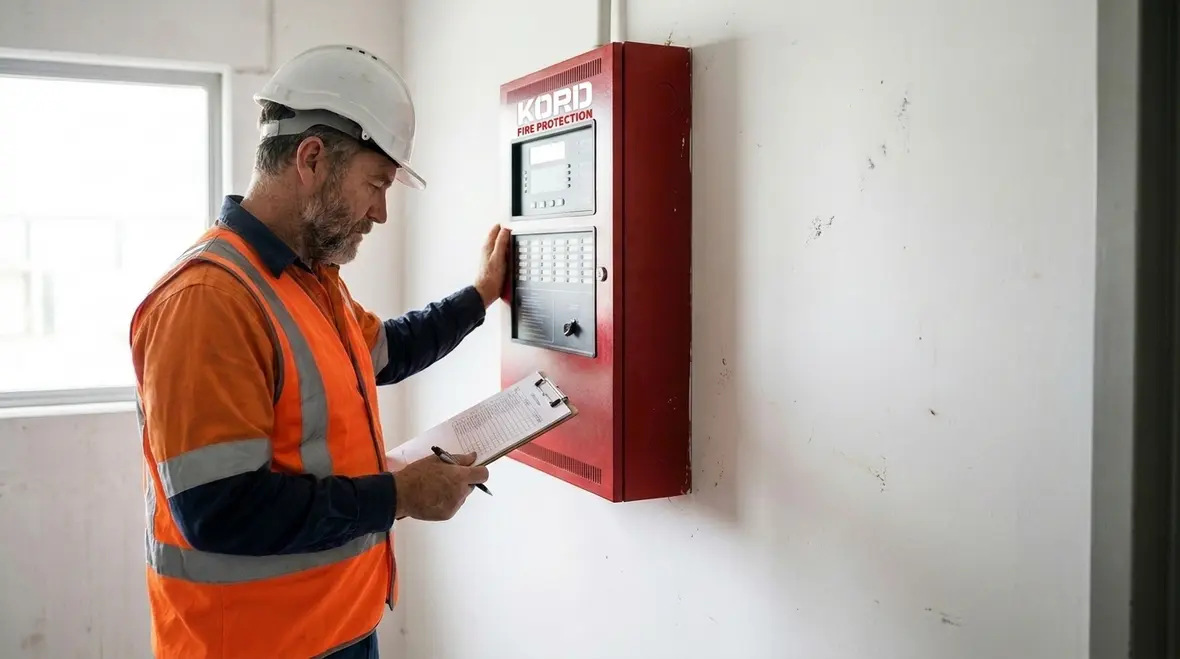
Section 4.4 focuses on compliance with the adopted fire code, proper maintenance, and the use of approved methods and qualified personnel. It does not exist to make life harder. Instead, it creates a clear standard for safe operation. Therefore, owners and facility teams must treat fire protection as an active duty, not a box ticking exercise. When teams follow these rules, they lower the chance of system failure and improve readiness during an emergency.
In practice, that means someone is paying attention to inspection intervals, impairment procedures, access to equipment, condition of alarms and suppression systems, and whether changes on site have quietly created a new hazard. It also means documentation needs to tell the truth. A tidy binder is lovely, but only if the systems outside the binder are in equally good shape.
The fundamental fire safety requirements behind reliable compliance
The fundamental fire safety requirements under NFPA 1 help facilities stay prepared across daily operations, audits, and inspections. They guide how fire doors, alarms, extinguishers, suppression systems, and access paths should work. In addition, they support better coordination between building management, contractors, and emergency response teams. That matters because fire safety is never just about equipment. It is also about timing, records, training, and accountability. In other words, the system must work when life gets messy, not just when the paperwork looks pretty.
This is one reason compliance cannot be left to chance or memory. Staff change. Layouts evolve. Tenancies shift. Equipment ages. A building that felt perfectly under control two years ago can drift into noncompliance one blocked valve, one overdue test, or one forgotten record at a time. The code helps pull everything back to a known standard before those small issues form a much larger and much more expensive opinion.
Why approved methods and qualified people matter
One of the most useful ideas in Section 4.4 is also one of the least glamorous. The work should be done properly, using approved methods, by qualified people. That does not make for dramatic conversation at lunch, but it does prevent avoidable failures. Fire protection systems are interconnected, technical, and unforgiving of guesswork. A shortcut on installation, testing, or repair can sit quietly for months until an emergency reveals it with terrible timing.
That is why a competent provider matters. Kord Fire Protection regularly frames compliance as a practical service issue, not just a regulatory one, and its related guidance on the full lifecycle of fire protection servicing is a helpful companion for teams trying to understand how readiness is built over time rather than invented five minutes before an inspection.
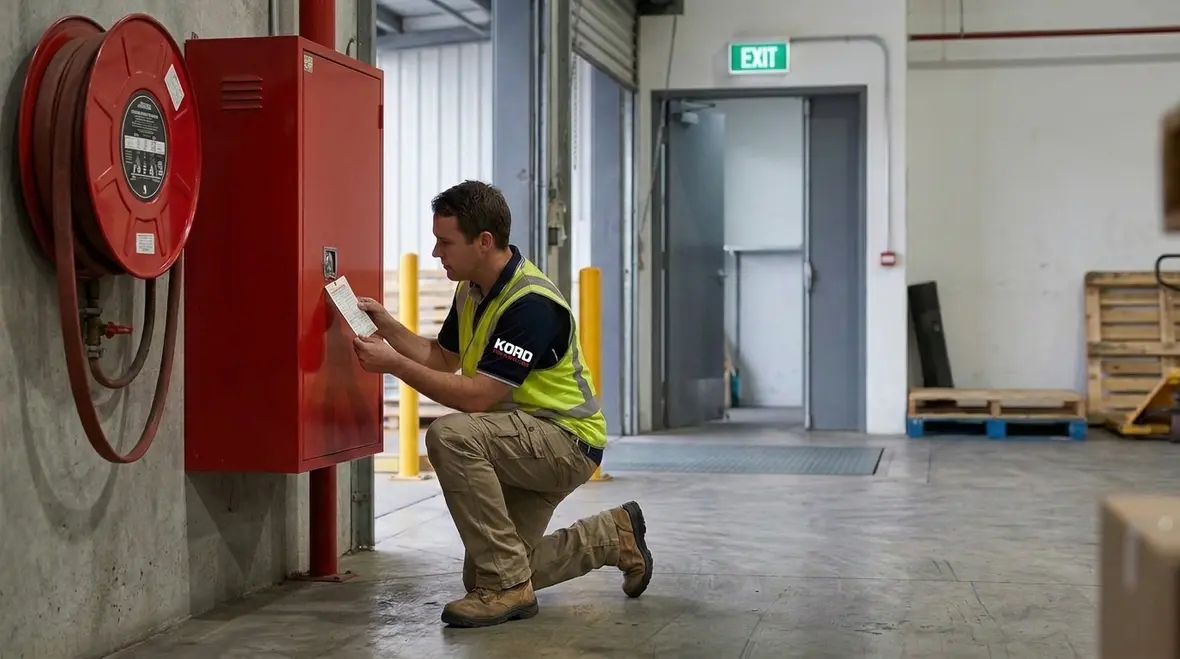
NFPA 1 minimum requirements for commercial and industrial sites
For large scale sites, the NFPA 1 minimum requirements often include documented inspections, routine testing, safe storage practices, clear exits, and maintained protection systems. As a result, facilities can reduce risks tied to hot work, equipment failure, poor housekeeping, and blocked access routes. Industrial sites may also need strong controls for flammable materials, while retail and commercial properties often need tighter checks on occupant flow and fire egress. Although the details vary by site, the principle stays the same: keep the protection system ready and keep the risk low.
The same section becomes especially useful when a facility is busy enough that everyone assumes someone else has already checked the important thing. Compliance has a way of slipping in exactly those moments. A receiving area becomes crowded, exits get narrowed by temporary stock, service intervals stretch during operational pressure, and records are updated later until later becomes suspiciously permanent. Section 4.4 gives teams a way to reset the standard and ask a simple question: is the site actually ready, or just optimistic?
Common pressure points facilities should not ignore
- Overdue inspections or testing that leave compliance gaps hidden in plain sight
- Blocked access to hydrants, extinguishers, hose reels, panels, or control valves
- Maintenance records that are incomplete, outdated, or scattered across too many places
- Site changes that affect hazard profiles without a matching review of protection systems
- Contractors or in house teams using methods that are convenient but not approved
Those issues do not always look dramatic on the day they appear. That is part of the problem. Fire risk often grows in a calm, administrative voice before it ever arrives in a loud one.
How Kord Fire Protection becomes a vital partner
Kord Fire Protection can become a vital partner by helping facilities meet the essential fire code provisions without confusion or delay. Their support can cover inspections, scheduled maintenance, compliance advice, system checks, and practical recommendations that suit real site conditions. Moreover, a strong fire partner does more than point out problems. It helps solve them before regulators, insurers, or an incident do the talking. That kind of support saves time, protects assets, and keeps operations moving.
That practical angle matters. A facility rarely needs another dramatic memo about safety. It needs a workable plan, clear service intervals, useful reporting, and someone who can connect technical requirements to the pace of the site. Kord’s broader article on Australia fire protection for compliance and readiness reflects that same idea: readiness is built through consistent action, not ceremonial concern.

How Kord Fire Protection supports compliance
Compliance need
- Fire system checks
- Maintenance planning
- Documentation support
- Site risk advice
- Asset protection
How Kord Fire Protection helps
- Regular inspections help confirm systems remain ready and effective
- Service schedules help reduce breakdowns and compliance gaps
- Clear records help during audits, reviews, and insurer checks
- Practical guidance helps teams correct hazards before they spread
- Reliable fire systems help protect stock, equipment, and uptime
What facility managers should focus on first
Facility managers should begin with a site wide review of risk areas, then check whether current systems match the required standard. Next, they should confirm inspection records, service intervals, and staff awareness. Furthermore, they should make sure exits stay clear and fire equipment remains accessible. This process should not feel like a mystery novel. The clues are usually visible, and the problems are often fixable once someone looks properly. A good partner can help turn that review into a workable action plan.
It also helps to separate urgent issues from structural ones. An obstructed extinguisher cabinet might be corrected this afternoon. A pattern of inconsistent maintenance records across multiple assets needs a more deliberate cleanup. Both matter. The trick is to avoid treating all issues the same, because that usually leads to attention being spent where it feels easiest instead of where it matters most.
For teams wanting extra context around code foundations, Kord also has a related guide on NFPA 1 fire prevention and safety that pairs well with Section 4.4 and helps explain the larger logic behind these compliance duties.
Why this matters across Australia
Industrial, retail, and commercial properties across Australia face constant pressure from regulation, weather events, high occupancy, and complex operations. Because of that, fire compliance must stay current and practical. NFPA 1 Section 4.4 provides a useful framework for keeping fire safety disciplined and consistent. It also supports teams that need a clear path through inspection demands and site risk. When applied well, it protects people, property, and business continuity in one move.
The real value is consistency. A good compliance program is not heroic, glamorous, or exciting. It is repeatable. It keeps systems checked, records current, responsibilities clear, and surprises to a minimum. In fire protection, boring is often a compliment. It means the alarms behave, the sprinklers stay ready, the exits remain clear, and nobody has to discover a serious weakness during the worst possible five minutes of the year.
FAQ
Conclusion
NFPA 1 Section 4.4 gives facilities a clear path to safer operations and stronger compliance. For industrial, retail, and commercial sites, the right partner makes the work easier and the risk smaller.
Kord Fire Protection can help turn fire code duties into practical action, so teams stay ready, compliant, and protected. For a site review or service plan, Kord Fire Protection is ready to step in.

Join Our Newsletter!
Get the latest fire safety tips delivered straight to your inbox From our Newsletter.