Fire Protection Infrastructure Modernization for Compliance
Modern facilities run on older equipment all the time, but fire safety should not. Through fire protection infrastructure modernization, organizations update legacy systems so they meet current life safety needs without playing a risky game of “guess the sprinkler year.” The right upgrades help buildings comply with codes, reduce downtime, and improve reliability when something goes wrong. In this article, kord fire protection technicians explain what changes, why it matters, and how facilities move from outdated design to confident coverage, step by step. And yes, they also handle the part where someone says, “It worked last decade,” which is like saying a flip phone can handle today’s video calls.
Why legacy fire systems fail modern compliance
Legacy fire protection systems often look fine on the surface, yet they may miss current requirements. As codes evolve, inspectors expect updated detection, clearer system documentation, and proper circuit supervision. Additionally, older devices may not perform well with today’s building use, such as new occupancy types, revised storage practices, or updated HVAC airflow patterns.
At this stage, kord fire protection technicians typically start with a compliance gap review. Then they compare the installed design against current standards and local enforcement expectations. Next, they map how the system behaves during typical events, such as smoke migration or water flow. That approach prevents expensive surprises later, like failing inspections because a component cannot be tested the way the code now requires.
Compliance starts with what the building is today
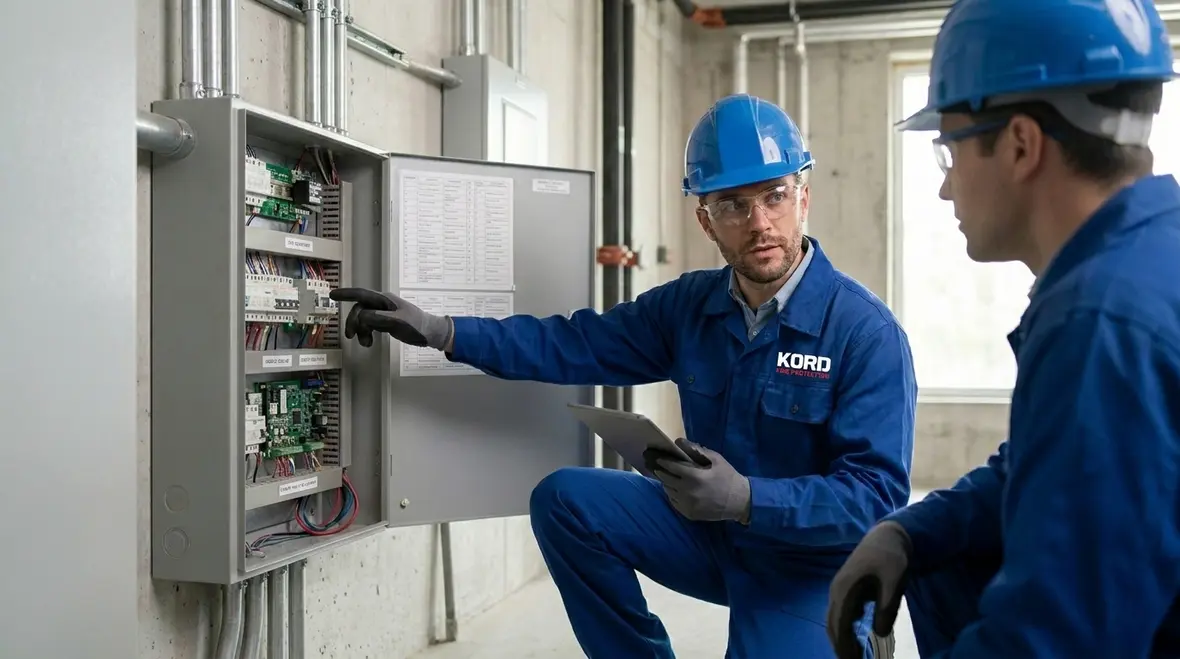
A legacy design may have been perfectly acceptable when the building opened. The problem is that buildings rarely stay frozen in time. Layouts shift, tenant use changes, storage gets taller, and mechanical systems start moving air in ways the original designer never had to consider. That means a system that was once sensible can quietly become incomplete. Modernization is really the process of getting the protection system caught up with the building’s actual life instead of its old paperwork biography.
How compliance drivers shape the upgrade plan
Fire safety compliance does not come from one place. It often comes from building codes, national standards, insurance requirements, and local authority rules. Therefore, a sound plan accounts for documentation, testing methods, and required maintenance procedures. Moreover, facilities must consider how the system supports evacuation and firefighter operations, especially in multi zone layouts.
During planning, the team evaluates system age, device compatibility, and electrical and wiring conditions. After that, they decide where the facility needs replacement, where it needs software updates, and where it needs rewiring. This is the part where people want a simple checklist, but the work is more like tuning an orchestra. If one section plays out of key, the whole performance can fall apart when it counts.
A practical plan also weighs how much of the existing system still deserves to stay. Some equipment may remain serviceable if it can be documented, tested, and integrated correctly. Other components may look sturdy while quietly undermining the whole setup because parts are obsolete or field support has dried up. That is why upgrade planning works best when it is honest rather than sentimental. Nostalgia is great for old photos and bad for life safety equipment.
Upgrading detection, alarm, and annunciation for real reliability
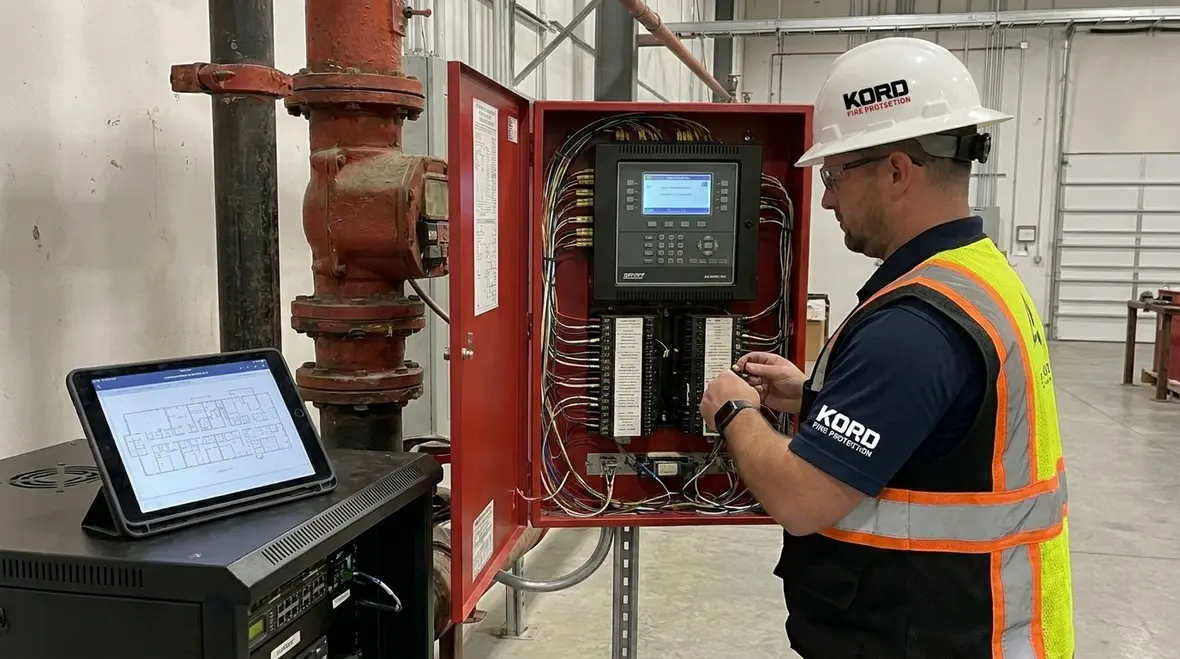
Detection and notification often need the most attention. Old control panels may use obsolete logic, and some initiating devices may not integrate well with modern interfaces. Yet new detection supports faster response and clearer incident reporting. It also helps facilities reduce nuisance alarms by matching sensitivity to the space.
kord fire protection technicians commonly modernize these areas in a way that keeps operations stable. For instance, they may add addressable device capability, upgrade alarm signaling circuits, and improve annunciation at the fire command center. Then they confirm the system provides the right levels of audibility and visibility in each area.
When upgrades happen carefully, the facility gets more than louder alarms. It gets better information. As a result, maintenance teams troubleshoot faster, and emergency responders understand what the system found without guessing.
Better signals mean better decisions
Reliable annunciation matters because a system that only screams without explaining itself creates confusion at the worst possible moment. Modern addressable components help identify where an event started, which device reported it, and whether the condition is alarm, supervisory, or trouble. That level of clarity helps site teams respond faster and helps emergency responders arrive with better context. In real terms, that means fewer wasted minutes and fewer people standing around trying to interpret blinking lights like they are reading tea leaves.
Protecting life safety with sprinkler and waterflow updates
Sprinkler systems protect people, so they must perform under the right conditions. Legacy piping can face issues such as corrosion, obstructed lines, and changed ceiling heights after renovations. Even when the system “passes” a test, it may not deliver the expected performance after years of wear and building changes.
To address that, fire protection infrastructure modernization often includes updated hydraulic calculations and targeted sprinkler modifications. Technicians also verify water supply capacity and check backflow devices and pressure regulators. Next, they test waterflow and supervisory features, because the system needs to signal properly before water reaches the right zone.
In many facilities, the biggest improvement comes from coordinating the fire protection work with the building upgrades already planned. For example, if ceiling grids change or racks expand, the fire system should reflect that reality. Otherwise, the system protects the past, not the present.
Hydraulics and layout still have to agree with reality
This is where modernization gets wonderfully unglamorous and incredibly important. Pipe sizing, coverage patterns, obstruction rules, pressure conditions, and actual water supply all need to line up. A small facility change can ripple through sprinkler performance more than people expect. Move a ceiling, add storage, repurpose a room, or alter process equipment, and suddenly yesterday’s layout becomes today’s liability. Good upgrade work reconnects the calculations to the building you really have, not the one hidden in dusty plan archives.
Code documentation, testing, and inspections that actually go smoothly
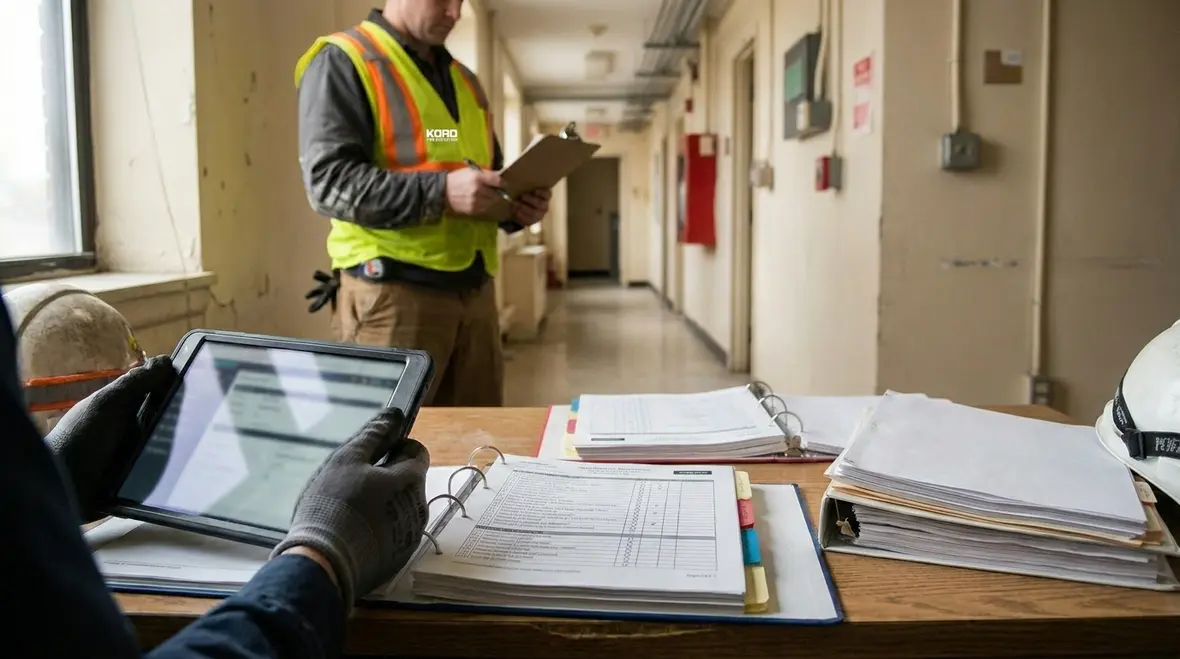
Compliance is not just hardware. It is also paperwork and proven readiness. Inspectors want updated records, acceptance testing results, inspection reports, and clear maintenance schedules. However, older systems often lack clean documentation, especially when renovations happened over time without full as-built drawings.
That is where kord fire protection technicians bring structure. They document existing system configurations, then produce updated schematics and device listings after modernization. Afterward, they run the right tests in the right sequence, and they log results in a format that supports ongoing inspections.
When documentation is handled early, facilities avoid the classic “we will email it later” tradition. And while that may work for meeting minutes, it does not work for fire life safety. Clear records reduce back and forth, speed up close out, and help the building stay compliant year after year.
Paperwork is part of performance
It is easy to treat records as the administrative side quest of a modernization project, but they are part of the actual compliance result. Accurate device lists, test records, sequence details, and updated drawings make future inspections faster and future repairs more precise. They also make ownership transitions less painful, because nobody enjoys inheriting a building that appears to have been documented by rumor.
Phased installation strategies that reduce downtime
Most facilities cannot shut down every system in one day. Therefore, contractors often use phased plans that keep critical operations running. This can include scheduling work during low occupancy windows, isolating only the affected zones, and staging parts to prevent long delays.
Technicians also coordinate with facility leadership on temporary safety measures. For example, they might place additional fire watches during active cutovers, then remove them once systems return to service. In addition, they verify system supervision and monitoring so alarms transmit correctly without blind spots.
To make phased projects manageable, kord fire protection technicians prioritize the most risk sensitive areas first. They also confirm device placement and wiring routes so the facility does not end up with “temporary” solutions that never become permanent. Because in construction, “temporary” can become a lifestyle choice.
Ensuring long term performance with maintenance and training
Modern systems still need smart maintenance. Yet good maintenance becomes easier when the system uses current components and clear labeling. Regular inspections, functional tests, and routine checks protect performance and ensure the facility keeps meeting code requirements.
kord fire protection technicians often include training for maintenance staff and site managers. They explain what to inspect, how to spot trends, and how to respond when trouble signals appear. Then they help teams understand the system’s normal operating patterns so alarms do not turn into mystery novels.
When staff know the system, problems get caught early. As a result, the facility saves money and avoids emergency repairs that disrupt operations. It is the difference between proactive care and waiting until smoke shows up, which is not the best time to start learning.
Training keeps modernization from fading back into confusion
A newly upgraded system is only as useful as the people responsible for living with it. Staff should know what normal looks like, what signals deserve immediate action, what testing intervals matter, and when to call for service before a minor issue grows teeth. Training preserves the value of the modernization work by making sure the building team can operate within the design instead of accidentally fighting it.
FAQ
Final call for modern compliance without the guesswork
If a legacy system still meets today’s codes, a lot can stay. If it does not, the cost of waiting grows fast. Fire safety upgrades should feel planned, not chaotic. With kord fire protection technicians, facilities can build a clear modernization path, update detection and sprinkler protection where it matters most, and prepare documentation for smoother inspections.
Schedule an assessment today and move from “it worked before” to a system that works on purpose. You will thank yourself later, and so will everyone who walks the building. For broader support across inspections, alarms, sprinklers, and readiness planning, explore full fire protection services or review fire alarm services for a focused next step.

Join Our Newsletter!
Get the latest fire safety tips delivered straight to your inbox From our Newsletter.