NFPA 1 Section 4.2 Fire Code Assumptions and Basis
Quick Answer: NFPA 1 Section 4.2 sets the fire code assumptions and fire safety code assumptions that guide how buildings are planned, assessed, and protected. It explains the NFPA 1 code basis, so fire protection decisions rest on clear risk thinking, not guesswork. For industrial, retail, and commercial sites across Australia, that foundation helps teams design safer, smarter, and more defensible fire systems.
NFPA 1 Section 4.2 gives the backbone for sound fire protection work. It explains the fire code design assumptions that shape how a site should be viewed before any alarm, sprinkler, or evacuation plan is drawn. In plain terms, it answers a simple question: what risks are being accepted, and what safety measures must stand up when things go wrong? That matters because the NFPA 1 code basis is not theory for the shelf. It drives real decisions in warehouses, shopping centres, plant rooms, offices, and mixed use facilities across Australia. And yes, a good fire plan can feel a bit like a safety net woven by very patient people.
When those decisions move from paper to practice, having a broader full fire protection services partner can help keep the strategy connected from design through maintenance and compliance review. It fits naturally here because assumptions only matter when they are translated into systems, inspections, and upgrades that actually support the building day after day.
What NFPA 1 Section 4.2 means in practice
NFPA 1 Section 4.2 sets the starting point for fire safety planning. It tells designers, operators, and fire protection partners how to think about hazards, building use, and expected performance. As a result, the fire code assumptions are not random. They are based on how people move, how materials burn, how systems fail, and how fire spreads in real spaces.
For commercial and industrial sites, this matters a lot. A warehouse with high rack storage does not behave like a retail floor with open public access. Likewise, a plant room with heavy equipment needs a different fire strategy than a logistics hub with constant traffic. Therefore, NFPA 1 code basis helps match the safety approach to the actual risk.
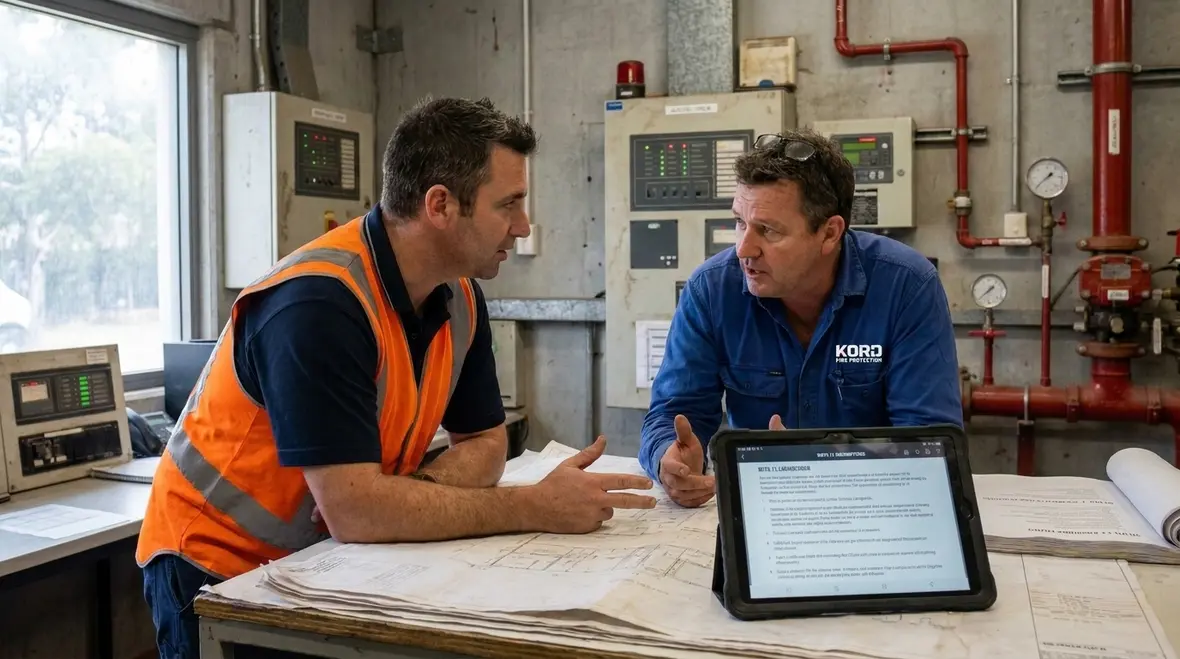
How fire code design assumptions shape site safety
Fire code design assumptions influence nearly every part of a fire protection plan. They help determine where detection should sit, how fast systems should react, and what level of protection a space needs. In other words, they stop the planning process from drifting into wishful thinking. Fire does not care about wishful thinking. It has never been known for good manners.
These assumptions also support consistency. When a facility team, consultant, and contractor use the same fire safety code assumptions, the result is cleaner design and fewer surprises during review or audit. That consistency becomes even more useful across multi site operations, where one poor assumption can create a chain reaction of expensive fixes.
Common assumptions that quietly shape the final system
- How quickly a fire is likely to be detected in a given area
- Whether occupants are familiar with the building layout and exits
- What type of fuel load is present and how concentrated it may be
- How smoke movement could affect evacuation paths or critical rooms
- What backup measures exist if one protective system underperforms
That list may look tidy, but each point can change a design outcome in a very real way. Shift one assumption, and detector spacing, sprinkler coverage, occupant warning, or maintenance frequency may need to change with it. That is why early clarity saves so much pain later.
What the NFPA 1 code basis covers for commercial sites
The NFPA 1 code basis supports decisions on occupancy type, fire load, egress, detection, suppression, and system reliability. For industrial, retail, and commercial sites, the code basis helps answer questions such as:
Which areas need stronger protection?
High risk areas such as loading docks, fuel storage, electrical rooms, and production spaces often need more than basic coverage. The assumptions behind those spaces should be tested against actual use, not just old drawings or optimistic labels on a plan set.
How should people leave safely?
Safe exit routes depend on layout, use, crowd size, and the time needed for evacuation. That means the fire code design assumptions behind egress should reflect the actual building condition, including fitouts, aisle arrangements, and any operational bottlenecks that could slow movement when stress levels rise.
What happens if a system fails?
Fire safety code assumptions must include failure modes, because no system gets to be the superhero in every episode. A code basis is stronger when it accounts for delayed detection, isolated impairment, blocked access, or human error instead of pretending every component performs perfectly every time.
How will the site stay compliant over time?
Changing use, storage, or fitout can shift the risk picture fast. That is why a code basis should not be treated like a one time victory lap. It needs to remain connected to inspections, maintenance records, operational changes, and periodic review.
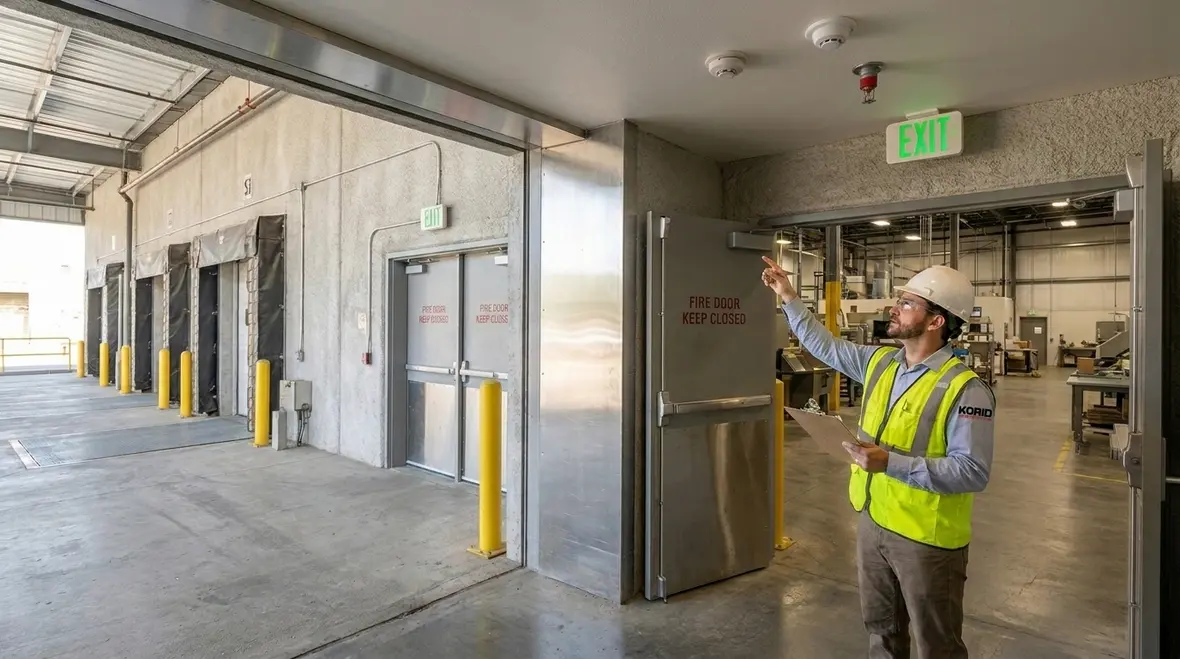
How Kord Fire Protection becomes a vital partner
Kord Fire Protection can become a vital partner because good fire compliance needs more than box ticking. It needs practical judgment, site knowledge, and systems that work in the real world. That is where Kord Fire Protection adds value. The team can help interpret the NFPA 1 code basis, test the fire code design assumptions, and turn them into workable solutions for busy facilities.
For Australian businesses, that support can reduce confusion during upgrades, audits, and expansion. It can also help site owners balance compliance with day to day operations, which is often harder than it sounds. A site still needs to trade, store goods, and keep people moving while safety work gets done. Kord Fire Protection can help make that happen with less disruption and more confidence.
For readers who want a broader code context, Kord also has a related guide on NFPA 1 fire prevention and safety that pairs well with this section specific discussion. It helps connect the narrow question of assumptions and basis to the wider compliance picture facilities have to manage.
Fire safety code assumptions for industrial, retail, and commercial facilities
Different sites bring different risks, and the fire safety code assumptions must reflect that. A retail centre faces high foot traffic and public safety demands. An industrial site may face ignition sources, flammable stock, or hot work. A commercial tower may focus on protected escape routes, compartmentation, and system coordination.
| Facility type | Main fire code assumption | Why it matters |
|---|---|---|
| Industrial | Higher fuel load and equipment risk | Supports stronger suppression and isolation planning |
| Retail | Public movement and fast evacuation | Helps shape exits, alarms, and crowd flow |
| Commercial | Occupant safety and system coordination | Supports orderly evacuation and compliance |
| Mixed use | Different risks in one building | Requires careful zoning and tailored protection |
These assumptions are not just paperwork. They drive the physical choices that protect assets, staff, customers, and operations. Therefore, they should be checked early, not after the fitout crew has already drilled holes everywhere.
Why one building can need several assumption sets
Mixed use sites often combine offices, storage, service corridors, plant areas, and public access zones under one roof. If all of those spaces are treated as though they carry the same risk, the protection plan becomes either too weak in key areas or unnecessarily heavy in others. Section 4.2 thinking helps avoid both extremes by keeping the basis tied to actual building function.
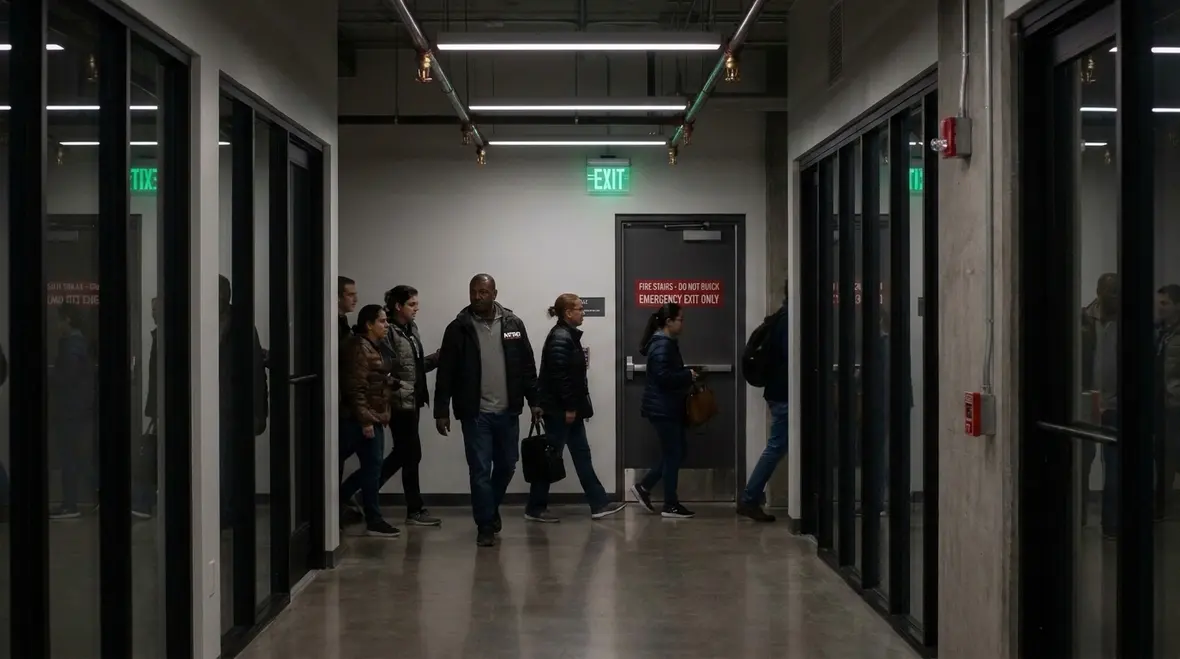
Why assumptions need review during upgrades and audits
Fire protection plans age when facilities change. New storage heights, new machinery, new tenancy layouts, and new work processes can all shift the risk profile. As a result, the original fire code assumptions may no longer fit the site.
That is why regular review matters. An audit should not only ask whether a system exists. It should ask whether the system still matches the NFPA 1 code basis and the current use of the building. This approach helps avoid gaps that can lead to downtime, enforcement issues, or worse, a system that looks ready but is not ready at all.
Practical triggers for a review
- Storage height increases in warehouse or back of house areas
- New machinery, electrical infrastructure, or plant additions
- Changes to tenancy mix or public access flow
- Large fitouts that alter compartmentation or egress
- Recurring deficiencies found during inspection or testing
None of these changes are especially exotic, which is exactly the point. Assumptions often go stale through ordinary business decisions, not dramatic disasters. That makes periodic review less of a luxury and more of a survival habit.

Why NFPA 1 Section 4.2 matters for long term protection
NFPA 1 Section 4.2 gives facilities a clear thinking model. It helps teams build fire strategies on reality, not optimism. Moreover, it supports safer decisions across design, maintenance, and upgrades. For businesses in Australia, that means better protection for people, equipment, stock, and continuity.
When the NFPA 1 code basis is used well, it creates a stronger line between risk and response. That is the kind of line every facility wants, because fire does not do second takes.
FAQ
Talk to Kord Fire Protection
When a facility needs clear fire code guidance, Kord Fire Protection can help turn NFPA 1 Section 4.2 into action. For industrial, retail, and commercial sites across Australia, that support can make compliance simpler and fire safety stronger. Reach out to start a practical review of the fire code assumptions that shape your site.
Whether the site is dealing with a new fitout, an operational change, or a nagging sense that the original strategy no longer matches reality, a grounded review can prevent much larger problems later. Better assumptions lead to better protection. It is not flashy, but it is exactly the kind of boring that saves the day.

Join Our Newsletter!
Get the latest fire safety tips delivered straight to your inbox From our Newsletter.