
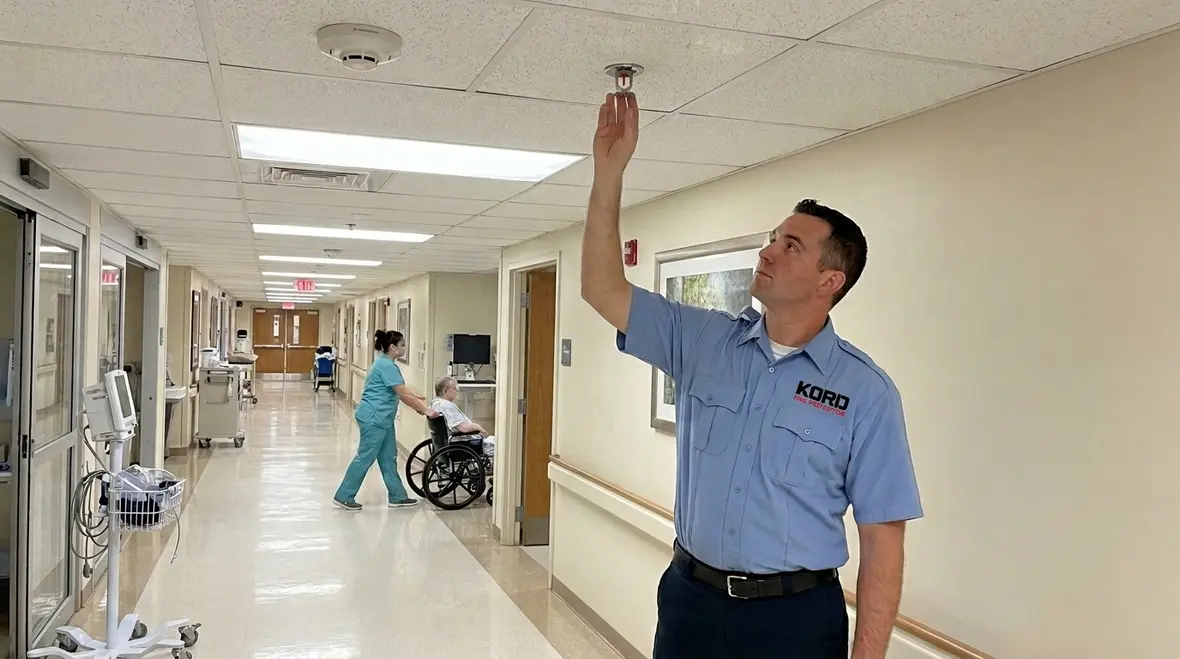
Hospital Fire Suppression System for Safety and Compliance
Hospitals cannot afford delays when something goes wrong. That is why a hospital fire suppression system plays a quiet, constant role in protecting people, property, and critical care workflows. In fact, when seconds count, the right fire suppression design helps contain flames, limit smoke spread, and support safe evacuation. And yes, it is far less glamorous than the movies, where sprinklers always activate with dramatic flair. Real life is calmer, which is exactly what every facility wants.
While fire protection may sound like a one time checklist, it is actually a living program. Therefore, this article explains how modern systems work in healthcare settings, what teams must plan for, and how Kord Fire Protection can become a vital partner for hospitals that want dependable coverage from inspection to ongoing service. For teams also reviewing broader healthcare compliance planning, Kord Fire Protection’s Hospital Fire Code Compliance Requirements article adds useful context for inspections, documentation, and operational readiness.
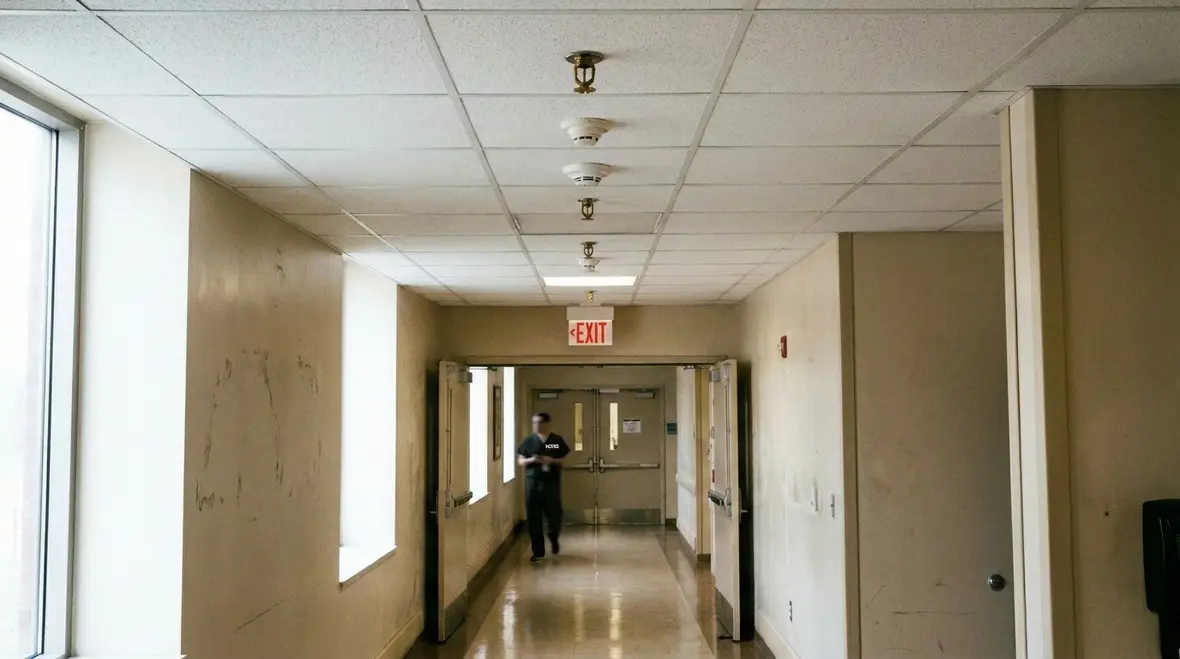
What fire suppression systems do for hospital safety
Fast response, controlled performance, and safer patient care
Fire suppression systems in healthcare settings aim to act fast and stay controlled. Unlike general building protection, a hospital must manage unique risks like oxygen use, sterile storage, imaging equipment, and power intensive areas. Consequently, fire suppression choices focus on speed of response and reliable activation.
In addition, these systems support patient safety in a very practical way. They help reduce heat and flame spread, which lowers the chance that fire doors will be overwhelmed or that smoke will race through corridors. Meanwhile, clinicians can continue stabilizing patients during the early moments of an event, instead of reacting blindly. And that matters, because panic is contagious, but so is proper planning.
A strong system also supports the hospital’s larger life safety strategy. Suppression is not working alone. It complements alarms, smoke control features, staff procedures, and compartment based response. Kord Fire Protection discusses that broader coordination in its article on fire suppression system integration for life safety, which is especially relevant for facilities trying to align hardware performance with real world patient movement.
Which types of systems fit clinical spaces
Hospitals need layered protection because not every room behaves the same
Hospitals typically use more than one approach, because every department does not carry the same risk. As a result, facilities often combine suppression methods with detection and alarm systems to create layered protection.
Water based sprinkler systems are common in patient areas, offices, and corridors. However, designers may select different sprinkler heads based on ceiling height, spacing, and required discharge patterns.
Pre action systems often serve spaces where accidental water discharge would cause serious damage. For example, they can protect critical areas where leaks are costly and disruptive. Instead of immediately releasing water, the system waits for an alarm condition, then proceeds.
Clean agent or special suppression may protect enclosed rooms with sensitive equipment, such as certain electrical or mechanical spaces. These solutions can suppress fire without leaving heavy residue, which helps maintain downtime at a minimum.
And if anyone says, “Why not just use the same system everywhere?” the answer is simple: hospitals are not standard boxes. Each wing behaves differently, and fire behaves like it has attitude.
How design choices reduce risk during inspections and updates
Planning for construction, change, and long term reliability
When a facility builds new wings or remodels existing ones, risk does not politely wait. Therefore, fire suppression planning must account for current use and future change. A thoughtful design includes proper hydraulic calculations, accurate pipe routing, and clear access for maintenance.
It also considers nuisance activation and reliable operation. For instance, HVAC airflow can influence detection and sprinkler behavior. In addition, storage changes, rack layouts, and ceiling modifications can alter how fire spreads. So, even if the system was correct years ago, it still needs ongoing verification.
From there, regular inspections verify valves, pressure levels, tamper switches, and control panels. Also, testing procedures confirm that alarms communicate properly with building systems. The goal is not just “passing” a report. The goal is knowing the system will work when it matters.
That is one reason healthcare leaders often review both compliance content and documentation practices together. Kord Fire Protection’s article on fire safety system documentation for compliance reinforces how inspection records, repairs, and verification logs support a cleaner process before surveyors, insurers, and internal reviewers ask hard questions.
What does maintenance look like in a hospital fire protection program
Low disruption work, disciplined routines, and records that hold up
Maintenance in a hospital requires discipline and low disruption. That is because clinical operations run on tight schedules, and every interruption affects real people. A strong hospital fire suppression program coordinates work during off peak hours, isolates areas, and follows safety protocols for both patients and staff.
Typically, teams perform ongoing checks such as draining and testing where needed, inspecting alarms, verifying backflow preventers, and checking main drains and flow tests. In addition, they review sprinkler heads for damage or obstruction and ensure that covers, guards, and seals remain intact.
There is also documentation. A hospital needs clear records of what was inspected, what was repaired, and when. That helps in audits, insurance discussions, and incident reviews. And frankly, it helps leadership sleep better, which is a benefit that no one budgets for but everyone appreciates.
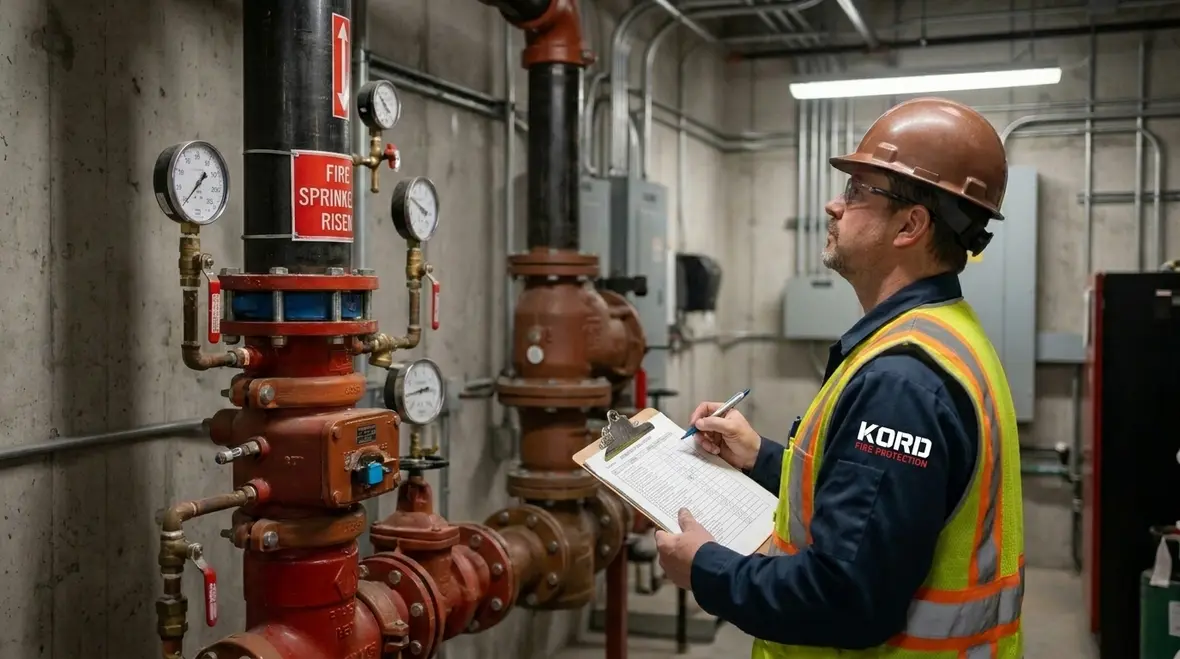
Fire sprinkler testing, compliance, and staff readiness
Testing works best when systems, people, and procedures move together
Testing and compliance in healthcare follow schedules and standards that reduce uncertainty. However, compliance is not only about paperwork. Teams must verify that the suppression system integrates with alarms, emergency procedures, and staff training.
When testing happens, staff should know what to expect. That means clear communication about when alarms will activate, what areas may be affected, and how the hospital will maintain operational continuity. Additionally, training should reinforce basic actions during an alarm event, including evacuation routes and patient handling procedures.
Just as important, leadership should evaluate lessons learned after events or near misses. For example, if smoke spread faster than expected during a drill scenario, that signals a need to review barriers, detection timing, or suppression coverage. Hospitals get better when they treat drills and inspections as feedback, not as ritual.
Facilities that want a broader look at current service planning can also review Kord Fire Protection’s Fire Protection Services Guide by Kord Experts, which helps connect inspections, testing cadence, and corrective action into one operating picture rather than a stack of unrelated tasks.
Why Kord Fire Protection can be a vital partner
Consistency, communication, and healthcare aware support
Many hospitals already have vendors. Yet the difference often comes down to consistency, communication, and expertise with healthcare realities. Kord Fire Protection can step in as a vital partner by supporting the hospital fire suppression service lifecycle, from inspection planning to follow up corrective action.
First, a partner should understand how downtime affects clinical departments. Therefore, Kord Fire Protection coordinates work to reduce disruption and helps the facility stay on schedule. Second, Kord can provide clear recommendations based on system condition, not guesswork. That matters because every system tells a story, and technicians should read it correctly.
Finally, Kord Fire Protection can help hospitals stay ready through routine maintenance support and documentation. As a result, the hospital fire protection team can manage risk with confidence, while leadership can demonstrate due diligence with complete records. In other words, Kord turns “we have a system” into “we trust this system.” And in healthcare, trust is not a luxury. It is a requirement.
For hospitals looking for a direct service pathway, Kord Fire Protection’s Fire Sprinkler System Service page is a strong next step for inspection, maintenance, repairs, and system support. Teams that want wider coverage across alarms, sprinklers, extinguishers, and emergency scheduling can also explore Full Fire Protection Services near the close of planning discussions and vendor reviews.
FAQ
Conclusion
A hospital fire suppression system is not a background feature. It is an active safety tool that depends on correct design, routine testing, and dependable service partners. When facilities plan upgrades, coordinate maintenance, and keep documentation current, they reduce uncertainty during real emergencies.
Kord Fire Protection can help hospitals manage that work with clear communication and consistent follow through. If the goal is safer care and stronger readiness, reach out through Kord Fire Protection’s Full Fire Protection Services page or review the dedicated Fire Sprinkler System Service offering to evaluate current coverage and service scheduling.
Ready for a smarter service plan?
- Reduce disruption during inspections
- Strengthen documentation for audits
- Keep systems reliable across patient care areas
- Coordinate repairs before small issues turn expensive

Join Our Newsletter!
Get the latest fire safety tips delivered straight to your inbox From our Newsletter.



