NFPA 1 Section 20.1 Assembly Occupancy Fire Safety
Quick Answer: NFPA 1 Section 20.1 sets the fire safety baseline for assembly occupancies like event halls, theaters, stadiums, and large commercial gathering spaces. It focuses on safe exits, fire alarms, occupant load control, emergency planning, and system upkeep. For industrial, retail, and commercial facilities, it offers a strong model for safer public spaces.
NFPA 1 Section 20.1 matters because assembly spaces pack people in fast, and fire does not wait for anyone to find the right exit. This is where assembly occupancy fire code rules, assembly use fire safety, and gathering space fire protection NFPA ideas come together. The goal is simple: keep people moving, keep smoke in check, and keep panic from turning a bad moment into a disaster. In busy venues, the right fire safety plan can feel less like paperwork and more like a quiet guardian in the background.
Near the top of that planning stack, it helps to have a partner who understands inspections, maintenance, and code compliance across multiple systems. Kord Fire Protection’s full fire protection services fit naturally into that role, especially for facilities juggling alarms, sprinklers, extinguishers, suppression equipment, and crowd facing spaces all at once.
What NFPA 1 Section 20.1 Means for Assembly Spaces
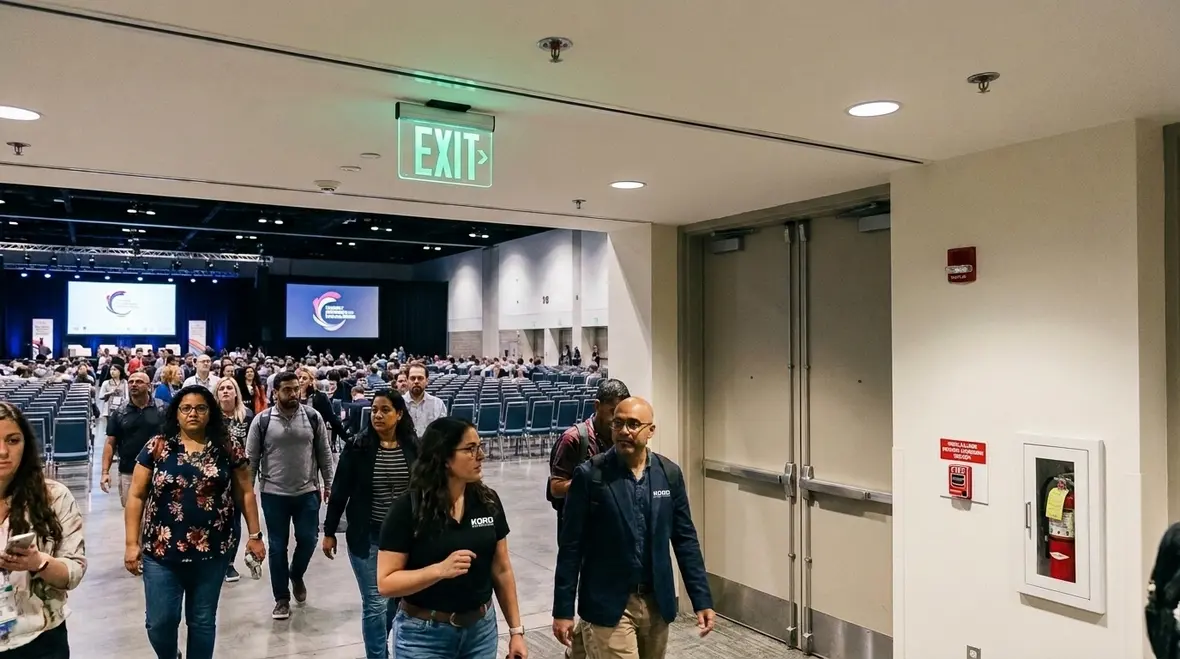
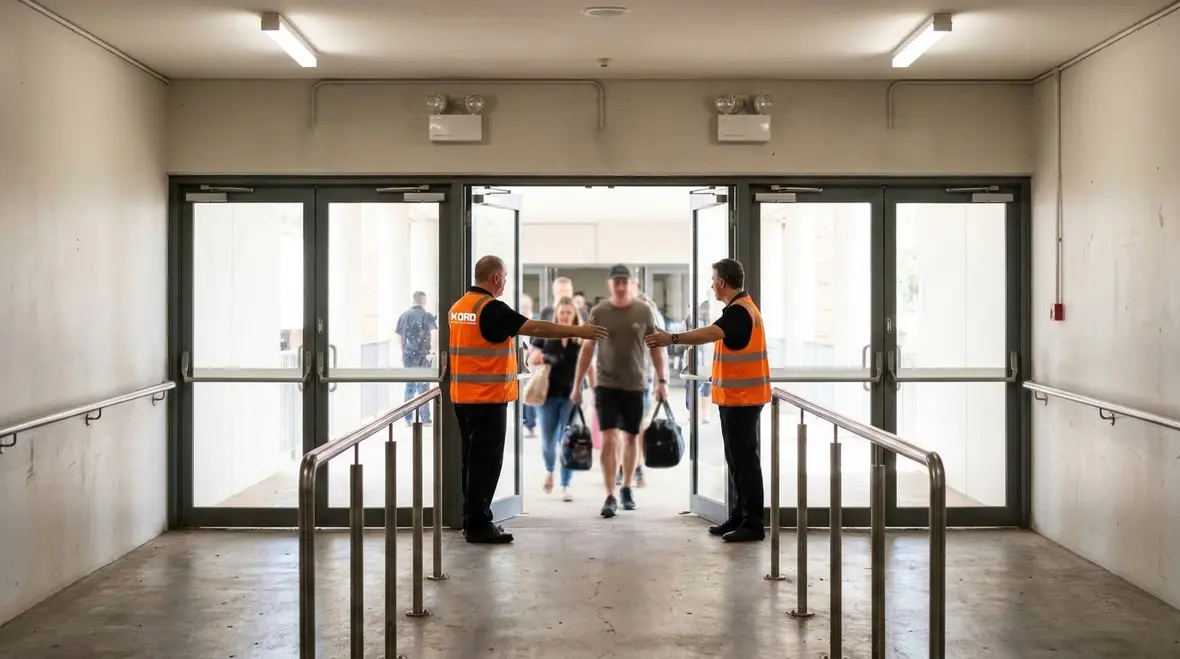
NFPA 1 Section 20.1 covers buildings where people gather for events, work functions, shopping, entertainment, worship, meetings, and similar uses. These spaces can change character in a flash. One hour they hold a trade show. Next hour, they look like a packed concert floor with more energy than a Marvel opening night.
The code pushes owners and managers to think about crowd movement, ignition risks, and fast evacuation. Therefore, the fire plan must match the real use of the space, not just the drawings on a wall. That sounds obvious, but real life has a habit of turning clean floor plans into cluttered, heavily branded, chair-filled obstacle courses the minute an event team gets creative.
Assembly spaces are tricky because they rarely stay static. Seating gets added. Display booths get moved. Temporary stages appear. Storage creeps into corridors like it pays rent. A venue that looked compliant during a quiet weekday can become a completely different evacuation challenge on event night. That is exactly why Section 20.1 matters. It keeps the focus on how a space actually performs when people are inside it, not how nice it looked during design review.
Why the real use of the room matters more than the label on the door
If a room is used for gatherings, crowd flow, visibility, and emergency readiness all become part of the fire safety equation. The point is not to create red tape for its own sake. The point is to make sure people can get out quickly, staff can respond clearly, and critical systems do not fail when the room is at its busiest and nobody has time for improvisation.
Why Assembly Occupancy Fire Code Controls Matter
Assembly occupancy fire code rules exist because large crowds create fast risk. A small fire can block an exit. A broken alarm can delay action. A poor layout can trap people near a choke point. As a result, the code focuses on practical controls that reduce confusion and speed up escape.
- Exit access that stays clear at all times
- Exit doors that open easily and do not confuse people under stress
- Fire alarm systems that warn early and loudly
- Emergency lighting that helps people see the way out
- Occupant load limits that prevent dangerous crowding
Moreover, these controls help facilities avoid the classic “we thought it would be fine” moment. That phrase has never won a safety audit. The beauty of good assembly fire safety is that most of it looks boring when it works well. Doors open. Signs stay visible. Alarms communicate clearly. Staff know where to go and what to say. Nobody notices the system because the system quietly does its job.
The danger comes when one weak link gets normalized. Maybe a side exit becomes a storage spot for promotional materials. Maybe a lighting issue gets deferred until “next month.” Maybe event staff assume security will handle evacuation messaging while security assumes facilities will do it. That is how small issues pile up into the kind of operational mess nobody wants attached to their building.
How the Rule Supports Safer Crowd Movement
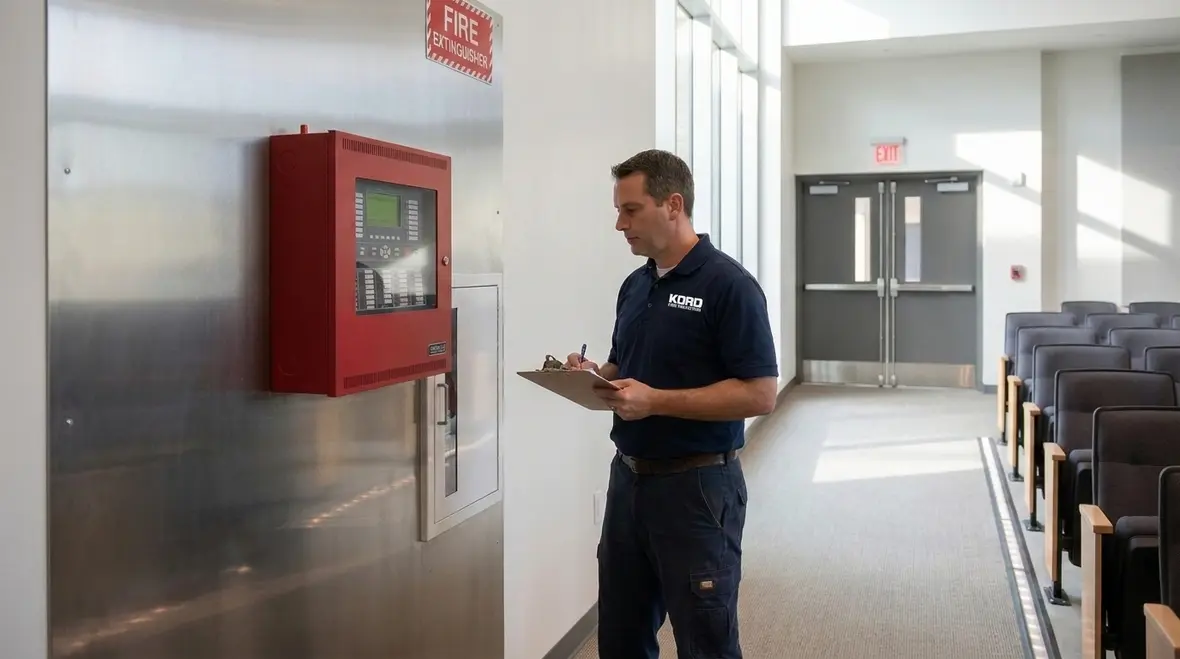
Assembly use fire safety depends on more than equipment. It depends on how people move. Therefore, the code emphasizes clear paths, visible signs, and fast response planning. In a busy retail center, conference venue, sports facility, or multi use commercial site, one blocked corridor can create a chain reaction.
To reduce that risk, managers should keep exit routes open, train staff to guide crowds, and test alarm response under real conditions. In addition, temporary items such as banners, displays, seating, and stage gear must never narrow egress paths. The space should work for people first, not for decoration alone.
Dual view: Fire safety priorities in assembly spaces
| Priority | Why it matters |
| Exit control | Helps large groups leave quickly and safely |
| Alarm readiness | Gives early warning before conditions worsen |
| Occupant load | Prevents crowding that slows evacuation |
| Staff training | Supports calm, direct action during an emergency |
Crowd movement planning is one of those topics that sounds simple until hundreds or thousands of people all make decisions at once. People do not evacuate like neat arrows in a diagram. They hesitate. They follow familiar paths. They look for friends, children, coworkers, or the entrance they originally used. Good assembly planning accounts for that very human behavior by making the safe choice obvious, visible, and easy to follow.
That is also why documented checks matter. Kord Fire Protection’s article on fire safety system documentation for compliance fits neatly here, because assembly readiness is not just about equipment existing. It is about proving inspections, maintenance history, and corrective actions are current when someone asks for evidence.
What Facilities Should Check First
Commercial and industrial facilities often run mixed use spaces, so they should review how the room is actually used during peak times. This matters in shopping centres, exhibition halls, entertainment sites, transit style hubs, conference venues, and large workplaces that host public events. Therefore, the fire strategy should match both daily operations and special events.
- Fire alarm and detection coverage
- Exit signage and emergency lighting
- Travel distance to exits
- Door hardware and swing direction
- Capacity limits and crowd control plans
- Fire extinguisher placement and access
- Staff procedures for evacuation and reporting
Also, they should check how temporary layouts affect the building. A room can fail fire safety rules simply because furniture, retail racks, or event staging changed the flow. That is where routine inspections earn their keep. A compliance issue is much easier to fix before doors open than after the crowd arrives and someone realizes the decorative archway has become a very expensive bottleneck.
One practical habit is to inspect with fresh eyes before every major event. Walk the route guests will use. Check what staff will see in low light. Confirm that doors, signage, alarms, and communication plans still make sense after setup is finished. The final layout is the real test, not the original booking form.
How Kord Fire Protection Can Help
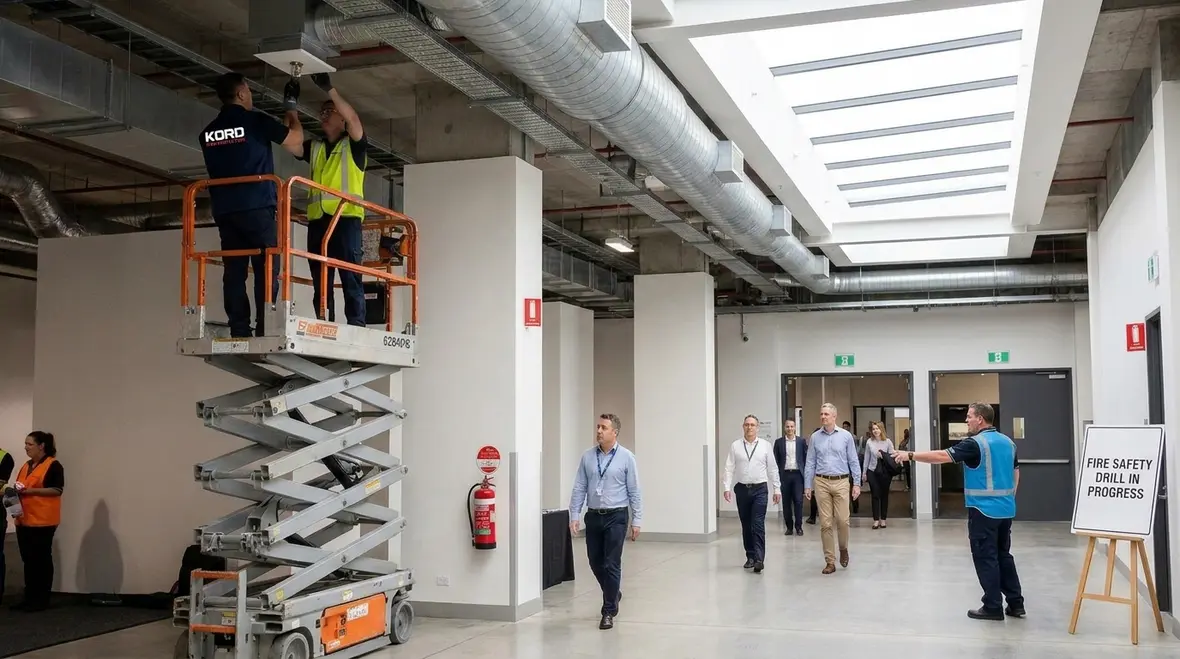
Kord Fire Protection can become a vital partner for assembly occupancy fire safety because these spaces need ongoing care, not one time fixes. Their support can help facilities assess fire systems, maintain compliance, and keep emergency features ready for use. That matters when a venue handles crowds, events, or mixed operations where the risk profile shifts often.
In practice, a partner like Kord Fire Protection can help with system checks, compliance support, inspections, maintenance planning, and advice for safer layouts. Moreover, their work can reduce the stress that comes with audits, upgrades, and event preparation. In other words, they help keep the safety side from turning into a dramatic subplot no one asked for.
Facilities that want a stronger internal review process can also benefit from Kord Fire Protection’s fire protection compliance auditing guide. It lines up well with assembly occupancy planning because crowd safety depends on more than hardware. It depends on records, maintenance habits, correction tracking, and whether the team can show that readiness is real instead of assumed.
How to Build a Practical Compliance Routine
Strong gathering space fire protection NFPA principles work best when they become part of routine operations. First, facilities should inspect exits and alarms before events or busy trading periods. Next, they should confirm that staff know their roles. Then, they should record any issues and fix them fast. Simple habits often prevent big problems.
It also helps to review layout changes after every major event or tenant fit out. Furthermore, a seasonal or quarterly review can catch wear, blocked access, or system faults before they spread. The best fire plan is the one that stays alive in daily use, not the one sitting in a folder like a forgotten sequel.
A routine that actually survives busy operations
The routine does not need to be glamorous. It needs to be repeatable. Pre event checks, documented maintenance, clear staff assignments, and fast follow up on deficiencies do far more for safety than a binder full of good intentions. Busy teams need systems they will actually use, especially in facilities where room layouts, schedules, tenants, and event demands keep changing.
For broader fire code context, Kord Fire Protection’s guide to NFPA 1 fire prevention and safety makes a useful companion read. It helps place Section 20.1 inside the larger fire code picture so owners and managers can connect assembly requirements with the wider compliance framework around prevention, protection, and readiness.
FAQ
Final Takeaway for Facilities That Host Crowds
NFPA 1 Section 20.1 gives facilities a clear path to safer assembly spaces. When owners treat assembly occupancy fire code duties as part of daily operations, they protect people, reduce risk, and stay ready for inspections. The biggest win is not just compliance on paper. It is creating a space that still works safely when the room is full, the pressure is high, and decisions need to happen fast.
Kord Fire Protection can help make that process steady, practical, and far less stressful. For facilities managing crowd heavy environments, mixed use layouts, and changing event demands, that kind of support is not just useful. It is smart business. Because when fire safety is built into everyday operations, the venue runs better, the team feels more prepared, and the emergency plan has a much better chance of doing its job when it matters most.

Join Our Newsletter!
Get the latest fire safety tips delivered straight to your inbox From our Newsletter.