NFPA 1 Section 19.2 Refuse Storage Fire Safety Guide
Quick Answer
NFPA 1 Section 19.2 sets clear rules for combustible waste and refuse storage, helping industrial, retail, and commercial sites reduce fire risk before a small pile of trash turns into a very expensive headline. For Australian facilities, strong storage controls, regular pickup, and expert fire protection support help keep operations safer, cleaner, and ready for compliance.
For sites that need broader system support around waste risks, detection, and readiness, fire protection for compliance and readiness can help connect housekeeping, inspections, and ongoing safety planning into one practical approach. That kind of support matters when refuse areas sit close to loading activity, storage stock, or building services and nobody wants a trash issue graduating into a full site emergency. ([kordfire.com](https://kordfire.com/australia-fire-protection-for-compliance-and-readiness/?utm_source=openai))
What NFPA 1 Section 19.2 means for waste control
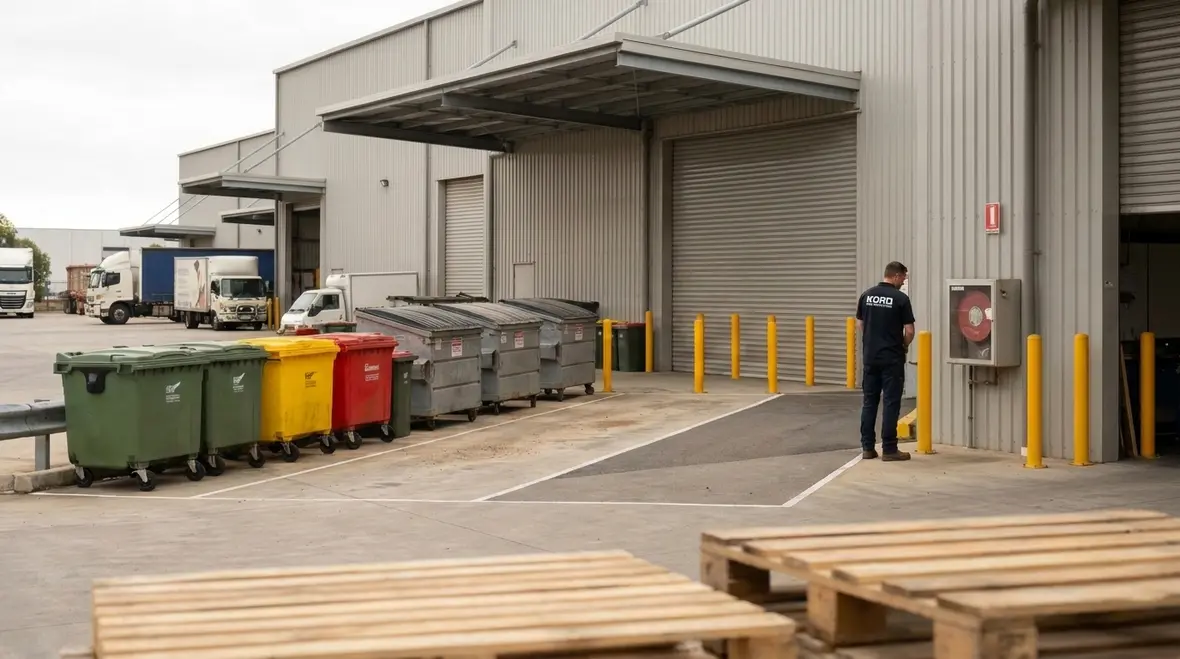
NFPA 1 Section 19.2 focuses on how combustible waste, rubbish, and refuse should be stored so fire does not get a head start. In plain terms, it says waste must not build up in a way that invites ignition, blocks access, or feeds a fast moving fire. That matters in warehouses, shopping centres, factories, logistics hubs, and mixed use commercial sites where waste can collect fast. And yes, trash has a talent for multiplying when nobody is looking.
This section matters because combustible waste often acts like kindling. Cardboard, packaging, wood offcuts, plastics, and general refuse can all burn quickly. Therefore, a site needs clear storage habits, safe container use, and regular removal. The rule is simple enough to remember: if waste can burn, it needs control before it becomes the opening scene of a disaster movie.
The point is not to create a fancy policy document that lives in a folder and never sees daylight again. The point is to make waste control part of normal operations. Staff should know where rubbish goes, supervisors should know when buildup becomes a problem, and management should know that refuse storage is not a background issue. It is part of the site’s overall fire picture. Once that mindset clicks, safer storage gets much easier to maintain.
Why this section matters beyond housekeeping
A lot of people hear “refuse storage” and think the issue starts and ends with cleanliness. Cleanliness helps, but fire safety is the real reason the section matters. A badly managed bin zone can accelerate fire spread, reduce evacuation efficiency, and create obstacles for responding crews. So while a neat waste area may look better during a walk through, the deeper value is that it removes fuel, improves access, and cuts down the chance of a preventable incident escalating fast.
How combustible waste builds fire risk in busy facilities
Waste does not need drama to become dangerous. It only needs time, heat, and a weak control system. In industrial and commercial settings, waste often gathers near loading docks, compactors, plant rooms, external bins, and service yards. Meanwhile, ignition sources may sit close by, such as electrical gear, smoking areas, hot work, or vehicle traffic.
As waste piles up, it can do three harmful things. First, it adds fuel. Second, it can block exits, equipment, and fire access routes. Third, it can hide smaller hazards, such as smouldering material or damaged packaging. Therefore, good trash storage fire safety is not just about neatness. It supports business continuity, worker safety, and emergency response. A tidy site is not magic, but it does make fire less likely to behave like a chaotic guest at a family reunion.
Busy sites are especially vulnerable because waste builds in layers. A few cartons beside a bin become a pallet of packaging. A full skip becomes overflow on the ground. A short delay in pickup becomes a recurring issue that everyone notices and nobody owns. That is how ordinary rubbish areas become chronic risk points. Once overflow becomes normal, the site starts accepting conditions that would have seemed obviously unsafe a few weeks earlier.
This is one reason warehouse housekeeping shows up so often in broader fire safety guidance. Kord Fire Protection’s own Commerce warehouse fire safety guide highlights waste handling, exit route obstructions, and the value of pairing storage audits with scheduled fire protection inspections. That same logic fits refuse control perfectly: the safer the site stays in ordinary moments, the fewer ugly surprises show up in stressful ones. ([kordfire.com](https://kordfire.com/commerce-warehouse-fire-safety-guide/?utm_source=openai))
What a compliant refuse storage plan should include
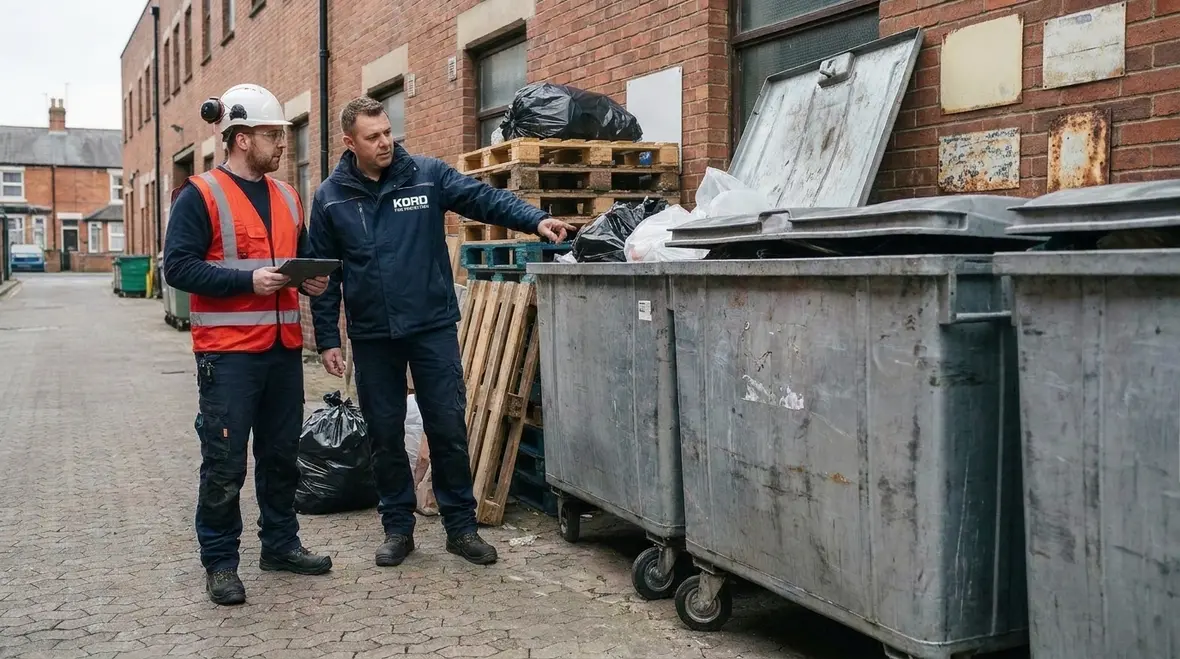
A strong refuse storage fire code plan should match the site layout, waste type, and pickup rhythm. Since different sites create different waste loads, the control plan should fit the actual operation rather than a one size fits all approach.
Storage control
Keep waste in approved containers, separate combustible material from ignition sources, and avoid overflow. Also, place bins where staff can reach them without crowding exits or service paths.
Site control
Set collection schedules, train staff on cleanup duties, and inspect bin areas often. In addition, keep compactors, skip areas, and external refuse zones clear of loose debris.
Good plans also define who checks the area, how often inspections happen, and what happens if waste levels rise faster than expected. Furthermore, the plan should include emergency access so fire crews can reach the area without wasting precious seconds pushing through a wall of boxes and bad decisions.
A useful plan usually includes practical details that people can actually follow: bin locations, maximum fill expectations, pickup timing, cleaning ownership, escalation steps, and separation from common ignition points. If compactors or skips are used, the surrounding ground area should also stay under control because the loose material around the container is often the part that gets ignored first. Strong procedures do not have to be complicated. They just need to be specific enough that nobody can shrug and say they were “pretty sure” someone else handled it.
Simple checklist for ongoing control
- Use suitable containers for the waste stream being produced
- Keep rubbish away from electrical equipment, hot work, and smoking areas
- Maintain access to exits, panels, hydrants, and service routes
- Schedule pickup before overflow becomes normal
- Assign inspections to named staff, not vague good intentions
- Escalate unusual waste volume during peak operations or seasonal rushes
Where Kord Fire Protection fits into the job
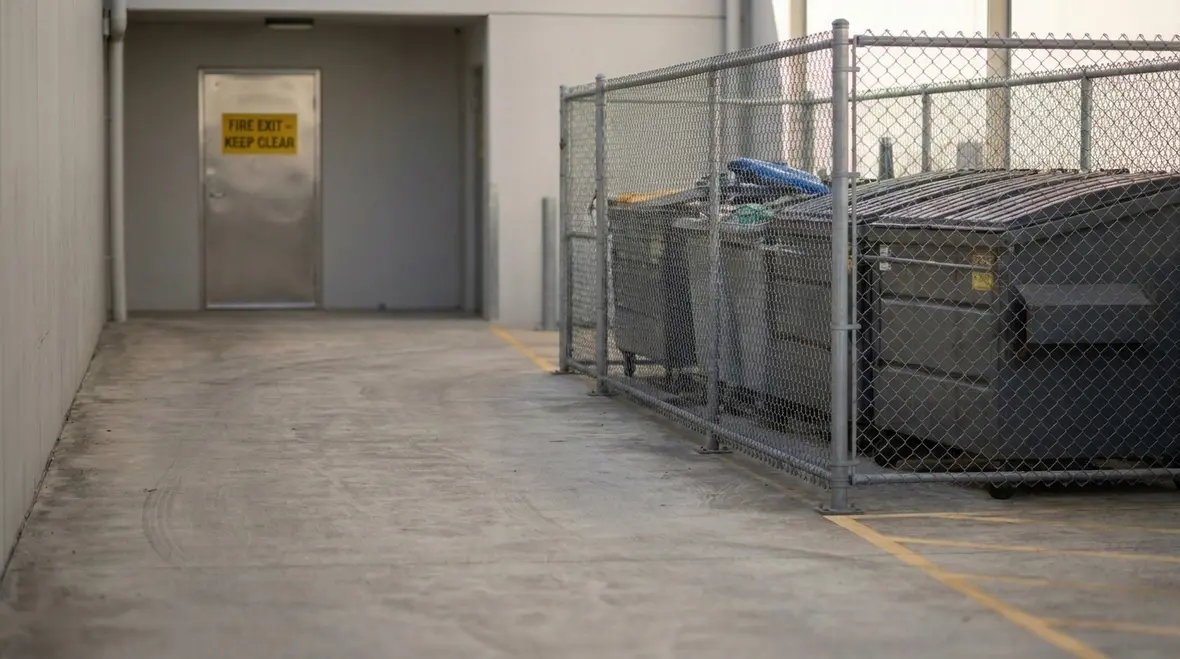
Kord Fire Protection can become a vital partner for this service because waste fire control needs more than a rule book. It needs practical fire expertise, site review, and ongoing support. While a facility team may handle day to day waste removal, Kord Fire Protection can help assess the fire risk around refuse storage areas and build a smarter protection approach.
For example, Kord Fire Protection can support site managers with fire safety planning, system checks, and advice that aligns waste storage with broader fire protection goals. This is especially useful for larger sites across Australia where waste areas may sit near high value assets, electrical rooms, or public access points. As a result, the facility gets more than compliance support. It gets a partner that understands how refuse storage connects to real fire risk. That kind of help can keep a small problem from becoming a very costly day at the office.
That partner role makes even more sense when waste control is only one part of a bigger fire safety picture. Kord Fire Protection describes its Australia compliance and readiness support as a practical service that helps businesses connect system management, risk control, and ongoing maintenance planning. In other words, refuse storage should not sit alone. It works best when it is tied into the site’s wider fire protection strategy instead of treated like the lonely side quest nobody finished. ([kordfire.com](https://kordfire.com/australia-fire-protection-for-compliance-and-readiness/?utm_source=openai))
For readers who want broader code context, Kord Fire Protection also has a guide on NFPA 1 fire prevention and safety, which fits naturally with storage, housekeeping, inspections, and hazard reduction thinking across commercial and industrial environments.
How Australian facilities can apply the same fire safety logic
Although NFPA 1 is not an Australian law, many facilities use its guidance as a strong benchmark for best practice. That makes sense, because fire risk does not care which country is on the paperwork. It only cares about fuel, heat, and delay. Therefore, industrial and commercial sites across Australia can use the same ideas to strengthen local fire safety systems.
Facilities should review waste volume, bin location, pickup frequency, and access paths. Moreover, they should check whether waste areas sit too close to buildings, smoke control points, or ignition sources. If the answer feels uncomfortable, it usually means the site needs a better plan. Australian businesses often work across large footprints, so a clear waste strategy can support compliance, reduce downtime, and improve overall site order.
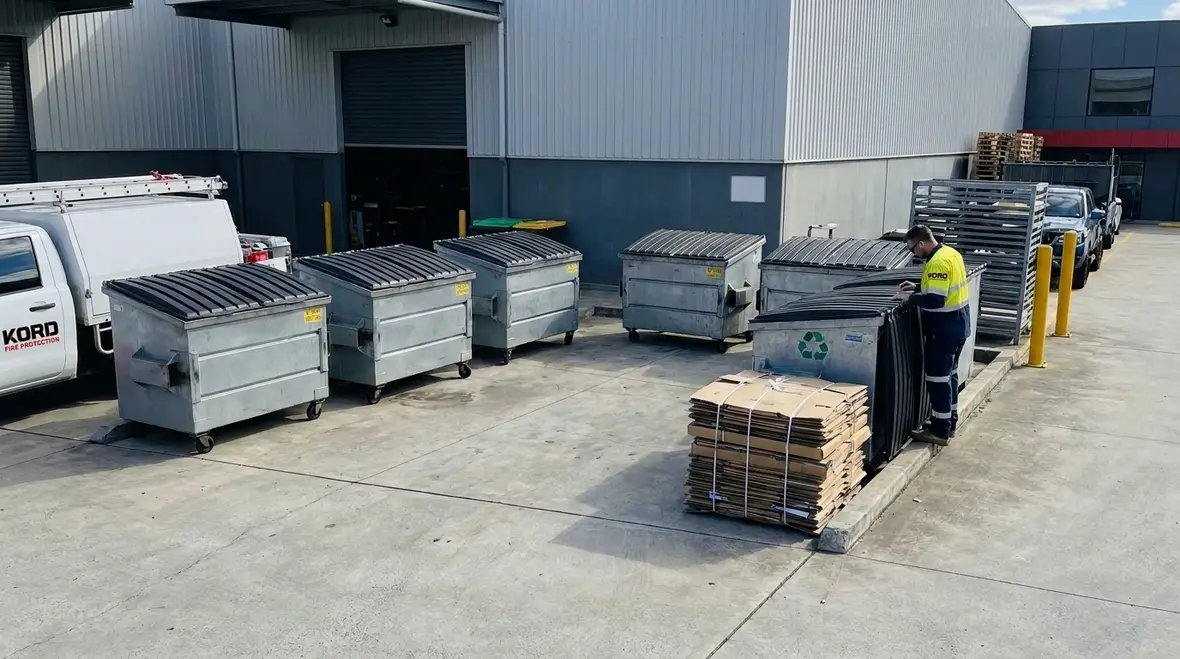
The practical translation is straightforward. Look at where waste is created, how quickly it accumulates, who moves it, and what could ignite it. Then compare that to your current storage setup. If bins are too close to the building, if cardboard stacks keep appearing beside doors, or if service corridors are doing double duty as temporary rubbish zones, the fix is probably not theoretical. It is operational. The site needs a tighter routine, better placement, or more frequent removal.
Common mistakes that make rubbish areas unsafe
Many waste areas become risky because of small habits repeated over time. The trouble usually starts with “just for now,” which is the unofficial motto of many problem sites.
- Waste containers overflow before pickup
- Loose cardboard and packaging sit beside bins
- Combustible waste stays too close to buildings
- Staff leave rubbish in walkways or service corridors
- Inspection routines fail to catch growing buildup
These mistakes are easy to miss at first. However, they create slow moving risk that grows quietly until it becomes visible during an audit, an incident, or a very awkward phone call. Regular checks, clear responsibilities, and proper bin placement can stop that cycle early.
Another common problem is assuming external storage is automatically safer than internal storage. Sometimes it is, but only if the area is managed properly. Overflowing outside bins, combustible waste against exterior walls, or rubbish clustered near service doors can still create a strong pathway for fire spread and access problems. Moving the mess outdoors is not a strategy. It is just a change of scenery.
FAQ
Final word for safer refuse storage
NFPA 1 Section 19.2 gives facilities a clear path to better combustible waste control, and the lesson is simple: manage the waste before it manages the fire risk. For industrial, retail, and commercial sites across Australia, Kord Fire Protection can help turn that guidance into practical action.
Speak with Kord Fire Protection to strengthen refuse storage fire safety and protect the site before the next bin fills up like it owns the place. A smarter waste plan today is a much cheaper story than explaining tomorrow why a preventable hazard got the upper hand.

Join Our Newsletter!
Get the latest fire safety tips delivered straight to your inbox From our Newsletter.