NFPA 1 Section 20.2 Educational Occupancy Fire Safety
Quick Answer: NFPA 1 Section 20.2 sets fire safety rules for schools and other educational sites so people can move safely, alarms can work, and fire risks stay low. For commercial and facility teams, it offers a strong model for smart planning, regular checks, and calm, proven protection.
Educational sites do not get a free pass just because the halls are full of books, whiteboards, and the occasional forgotten sandwich in a locker. The educational occupancy fire code matters because schools, training centers, and campus buildings hold large groups of people who rely on clear systems and fast response. In the same way, school fire safety NFPA guidance helps shape safer spaces where staff and students can act quickly. Also, classroom fire protection requirements help control risk before it grows into something far more serious. For facility teams managing fire protection across busy properties, a strong partner for fire sprinkler system service can make those protections easier to maintain day after day.
This section also fits naturally into the wider code conversation. If your team wants the broader context behind how prevention, maintenance, and enforcement work together, NFPA 1: A Comprehensive Guide to Fire Prevention and Safety is a smart next read before you get too cozy with the idea that one drill a year somehow counts as a complete strategy.
What NFPA 1 Section 20.2 Means for Educational Sites
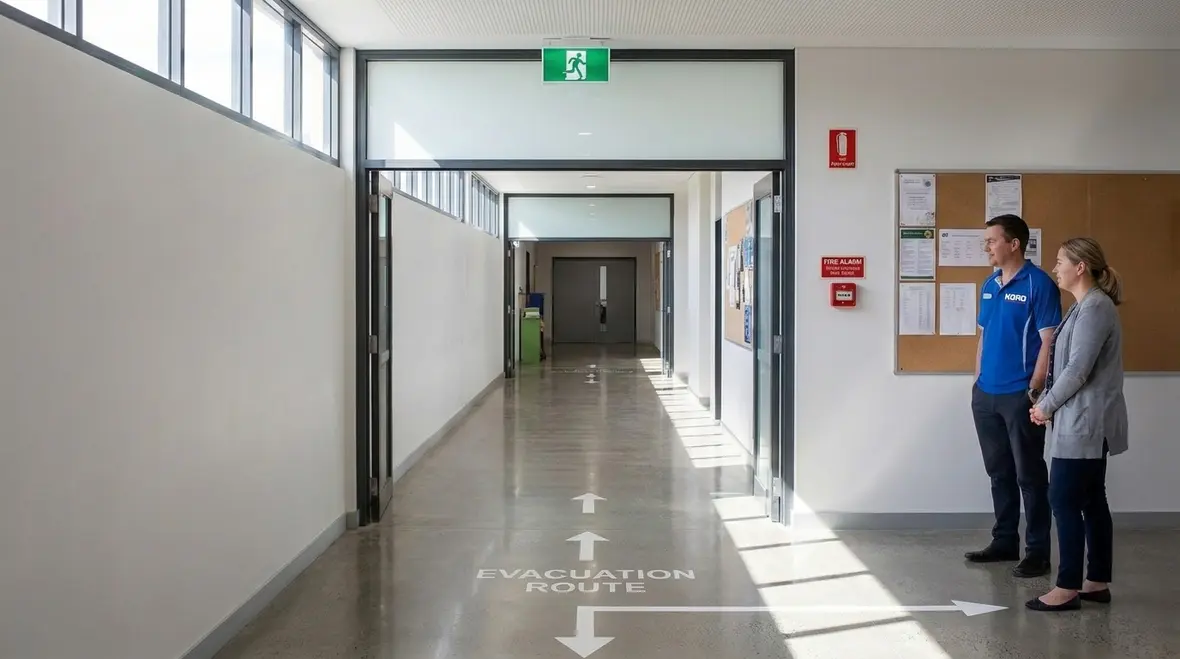
NFPA 1 Section 20.2 focuses on fire safety in educational occupancy areas. It looks at how buildings should support safe escape, alarm use, fire protection systems, and day to day risk control. More importantly, it treats schools as busy places where people may not know the building well. That matters. When a fire starts, there is no time for a dramatic pause like a movie scene. People need clear exits, working systems, and trained staff.
In practice, this section supports planning around occupancy load, exit access, storage control, and emergency action. It also reminds facility leaders that a school or learning center needs more than a few extinguishers on a wall and a hopeful attitude. Educational occupancies often include classrooms, labs, offices, corridors, assembly spaces, and temporary setups that change with the calendar. The code mindset behind Section 20.2 helps teams think beyond the room and toward how the whole site behaves under pressure.
Why this section stays relevant in real buildings
A lot of fire risk hides inside routine. People get used to propped doors, extra storage, overloaded power strips, and event furniture drifting into hallways. None of that feels dramatic until an alarm sounds and the path out gets tight. Section 20.2 supports a practical operating standard: keep the building readable, keep systems functional, and keep staff ready to act without improvising under stress.
How educational occupancy fire code shapes safer facilities
The educational occupancy fire code pushes owners and managers to think about real use, not just floor plans. A room used for classes in the morning may become a training space, exam hall, or event area by afternoon. So, fire safety must stay flexible and current.
It also encourages better control of ignition sources, combustibles, and blocked paths. For example, stacked boxes near panels, cords across walkways, and locked exits can all turn a normal day into a bad one very fast. Therefore, regular checks matter. So does clear housekeeping. As the old saying goes, fire safety is a lot cheaper than fire regret.
This is where facility discipline earns its keep. Teams that inspect consistently usually catch the boring problems before those boring problems turn expensive. Small issues like door hardware that sticks, exit signs that fail, or temporary storage creeping into egress paths are exactly the kind of details that can make a site harder to clear. The code is not there to make buildings fussy. It is there to make them survivable.
Key classroom fire protection requirements to check first
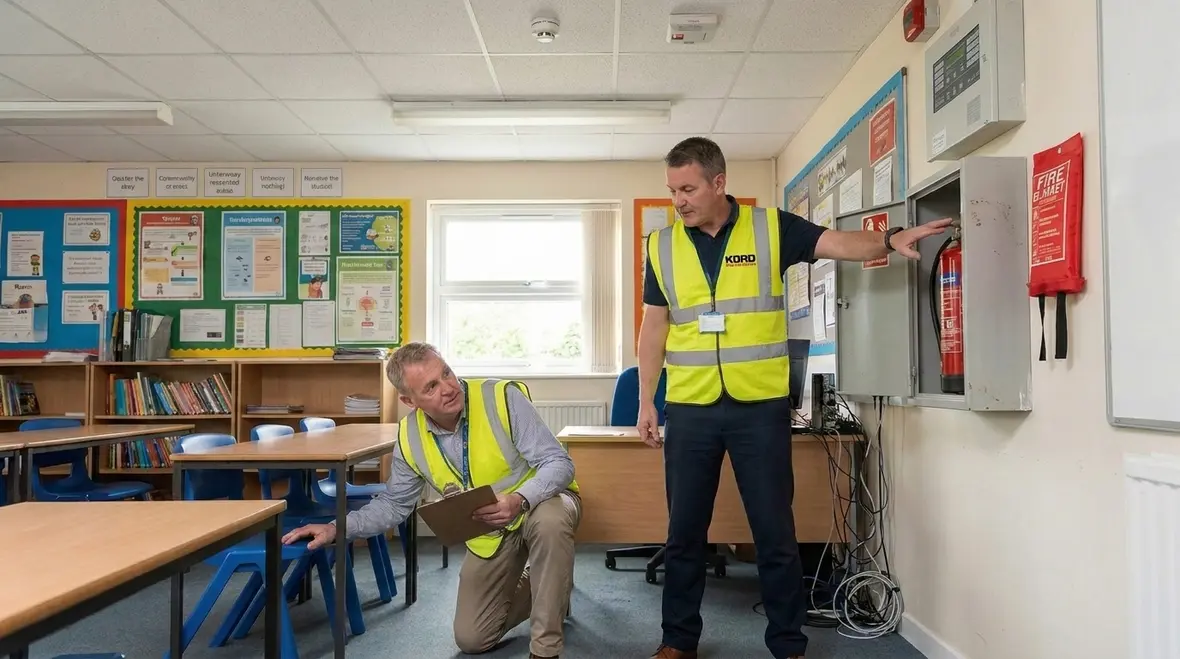
Classrooms may look calm, yet they can hide risks. That is why classroom fire protection requirements should focus on the basics first. Staff should know where exits sit, how alarms sound, and how to move people out without delay. In addition, doors, lights, and signs should stay easy to use and easy to see.
Fire protection in classrooms also depends on a mix of layout discipline, equipment care, and staff awareness. A safe room is not just the one with an extinguisher nearby. It is the one where the route out is obvious, the alert system is dependable, and the people inside know what to do before anyone starts looking around for leadership from the nearest laminated poster.
- clear exit paths with no storage in the way
- working fire alarms and warning devices
- proper placement of extinguishers and fire blankets where needed
- safe use of chargers, computers, and lab gear
- regular staff training and evacuation practice
When these parts work together, the space becomes easier to manage. And yes, that includes the teacher who still says, “We will not need the drill,” right before the drill proves otherwise. In specialty classrooms, the same baseline applies but with more attention to unique hazards. Science rooms, workshops, kitchens, and media labs all bring equipment or materials that can raise the stakes. Good fire safety does not panic over that. It plans for it.
Simple checks that catch common classroom risks
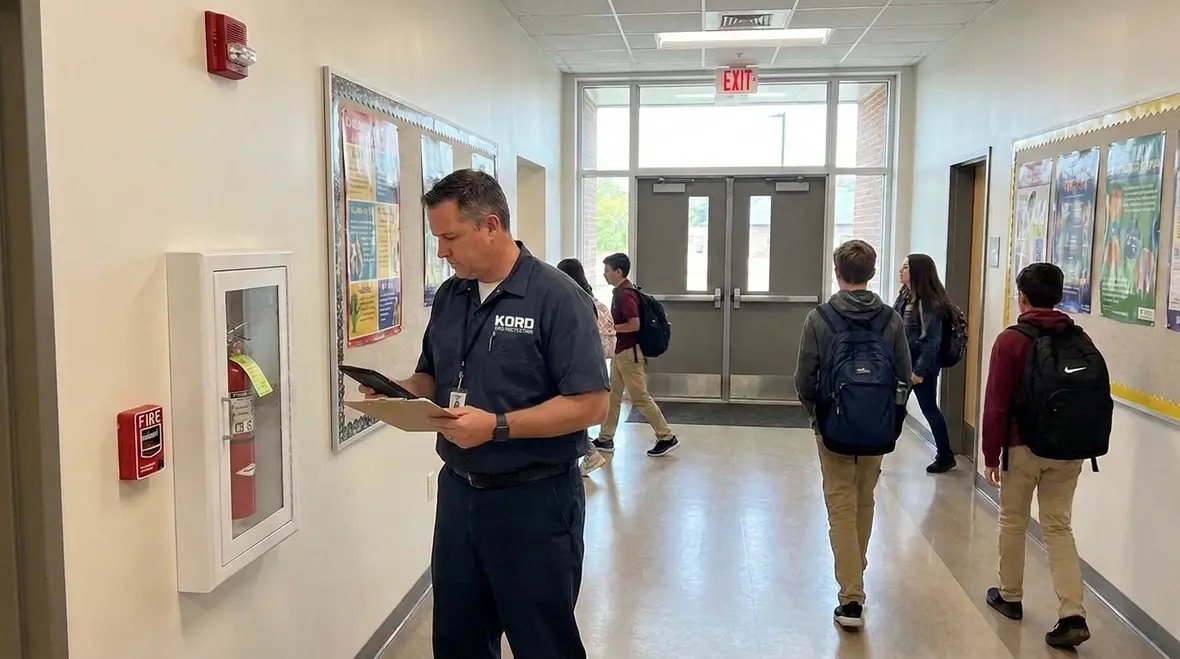
A quick weekly walkthrough can go a long way. Check whether exits are blocked, whether extension cords are becoming permanent furniture, whether combustibles are piling up near heat sources, and whether wall mounted equipment remains visible and accessible. Those are not glamorous wins, but they are the kind that keep a classroom from becoming a case study later.
Why school fire safety NFPA matters for emergency planning
School fire safety NFPA guidance helps facilities prepare before an emergency starts. That means written plans, clear roles, and simple steps for action. It also means testing the plan, not just filing it away like a forgotten report no one wants to read again.
Emergency planning should answer a few key points. Who calls for help? Who checks rooms? How does the site account for people after evacuation? Where do groups assemble? When these answers stay clear, the response becomes faster and safer. Also, regular drills help build calm habits. People tend to perform better when they have practiced the move before the real show begins.
Planning also needs to account for the people who may need extra help during an evacuation. Visitors, contractors, younger students, and occupants with mobility or communication challenges should never be an afterthought. A reliable plan spells out who assists whom, what route is used, and how accountability works once everyone is outside. Calm responses rarely happen by accident. They happen because the details were sorted out before the alarm.

Dual column view: what facility teams should inspect and why
| What to inspect | Why it matters |
| Exits and escape paths | They help people leave quickly without crowding or confusion |
| Alarm systems | They alert occupants early, which supports faster action |
| Suppression equipment | They help limit fire spread before responders arrive |
| Storage areas | They can create hidden fuel loads and block safe movement |
| Training records | They show that staff know the plan and can use it well |
For larger facilities, this kind of review helps teams stay on top of risk without making safety feel like a full time mystery series. It also gives managers a straightforward way to prioritise action. If egress is clean, alarms are current, suppression tools are accessible, and staff training is documented, the site stands in a much better position before inspectors, before leadership, and most importantly before a real emergency.
How Kord Fire Protection can support compliance and daily safety
Kord Fire Protection can become a vital partner for schools, training sites, and multi use facilities that need steady, practical support. Because fire safety is not a one time job, it needs planning, checks, servicing, and advice that fit the building and its use.
Kord Fire Protection can help by assessing risk, servicing systems, supporting compliance checks, and guiding teams through better fire safety setup. In addition, it can help facilities align daily practices with the educational occupancy fire code and broader fire safety expectations. That matters for organizations that manage multiple sites and need one trusted team to keep things in order. When the work is done right, staff gain confidence, and the building gains a stronger shield.
That support can include sprinkler servicing, alarm maintenance, extinguisher readiness, documentation, and preventive review that keeps little faults from becoming large compliance headaches. A solid partner does not just show up when something fails. A solid partner helps the site build routines that lower the odds of failure in the first place, which is a lot nicer than discovering a problem on the least convenient day possible.
How a facility team can stay ready all year
Fire safety should not appear only during an audit or when someone spots a red tag and starts moving fast. Instead, it should run all year through inspections, training, and system care. Facility leaders can set simple monthly checks, schedule service on time, and keep records clean and current.
Also, teams should update plans when layouts change, rooms get repurposed, or equipment grows. A storage room can become a learning space. A learning space can become an event area. So, the fire plan must keep pace. That steady attention keeps the site safer and supports better outcomes for everyone inside it.
A useful rhythm is simple: inspect, correct, train, document, repeat. That cycle keeps safety from becoming reactive. It also helps new staff settle into expectations quickly because the process is visible and consistent. When everyone knows what gets checked, when it gets checked, and who owns the follow up, the building runs with less guesswork and more control.
FAQ
Final Word
NFPA 1 Section 20.2 gives educational sites a clear path toward safer operations, and that same discipline helps facilities stay ready. It brings attention back to the basics that matter most: safe exits, dependable alarms, controlled storage, trained staff, and emergency plans that actually work when the pressure is on. None of that is flashy, but flashy has never been the point. Reliable is the point.
For teams that want less guesswork and more control, Kord Fire Protection can step in as a steady partner. The next move is simple: review the site, close the gaps, and build a fire safety plan that holds up when it matters most. That is a much better ending than relying on luck, crossed fingers, and a hallway that somehow became a storage unit overnight.

Join Our Newsletter!
Get the latest fire safety tips delivered straight to your inbox From our Newsletter.